
Cricket news
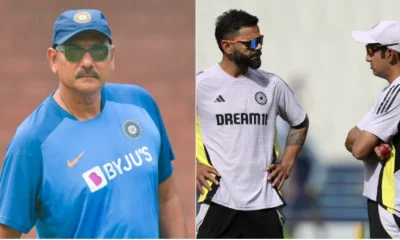
IPL 2020 gets sponsor, Dream 11 gets rights after Chinese company Vivo withdraws
In view of the anti-China sentiments in India, the Board of Control for Cricket in India, BCCI, was looking for new sponsors ever since the Chinese company VIVO pulled back from the title sponsorship of the Indian Premier League.


In view of the anti-China sentiments in India, the Board of Control for Cricket in India, BCCI, was looking for new sponsors ever since the Chinese company VIVO pulled back from the title sponsorship of the Indian Premier League. Today the search is complete when the BCCI announced the new title sponsor. Fantasy gaming company Dream 11 received the title sponsorship of the IPL this year after VIVO was dropped from season 13.
IPL chairman Brijesh Patel informed the media about this. He said that Dream 11 has bought sponsorship rights for the IPL 2020 season for Rs 222 crore. Let us tell you that this bid is Rs 218 crore less than VIVO’s Rs 440 crore annually. Dream 11 acquired title sponsorship rights for about four and a half months, replacing Chinese company VIVO. The Tata group was also involved in the title sponsorship rights race.

Dream 11 has already been associated with the sponsorship of the IPL for the last few years. It was learned that the Tata group did not make the final bid, while the two education technology companies Byzus bid for 201 crore and Unacademy bid 170 crore and finished second and third.
Let us know that earlier due to the growing dispute between India and China, BCCI had discharged Vivo for this season. Vivo acquired IPL title sponsorship rights of Rs 440 crore each year for five years from 2018 to 2022 for Rs 2190 crore.
This year IPL 2020 will be held from 19 September to 10 November in the United Arab Emirates this year. The IPL 2020 program will start on September 19 and run for 53 days. The IPL final will be held on November 10, which will give broadcasters the benefit of the week of Diwali. According to the BCCI, this time 10 double header (two matches in a day) of IPL will be played. This time, the evening matches will be played from 7:30 pm. Which was earlier at 8 pm.
Read Also: EC TO ISSUE GUIDELINES ON POLLS SOON
However, the deal has been done for less than what the organizers had expected for the sponsorship of IPL 2020. Perhaps this is the effect of Corona’s global influences, which makes sponsors feel suspicious of the audience.





Cricket news
India’s T20 World Cup triumph validates Gautam Gambhir’s approach, coach dedicates win to Dravid and Laxman
Gautam Gambhir said he is accountable only to the team dressing room after India defeated New Zealand by 96 runs to win the 2026 T20 World Cup and dedicated the title to Rahul Dravid and VVS Laxman.

Cricket news
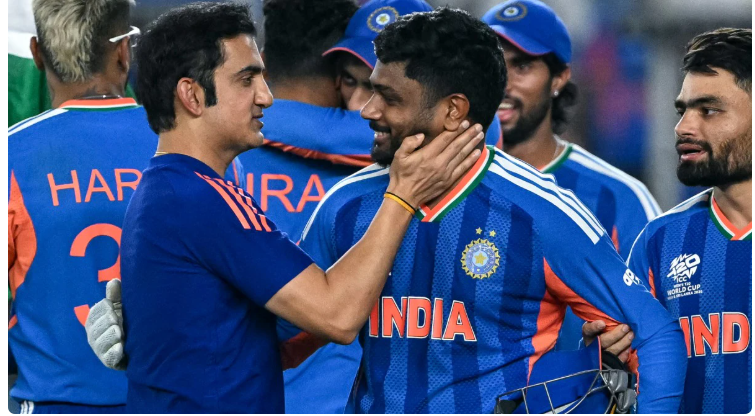
India win record third T20 World Cup after thrashing New Zealand in 2026 final
India defeated New Zealand by 96 runs in the T20 World Cup 2026 final in Ahmedabad, becoming the first team to win the tournament three times and defend the title.
Cricket news
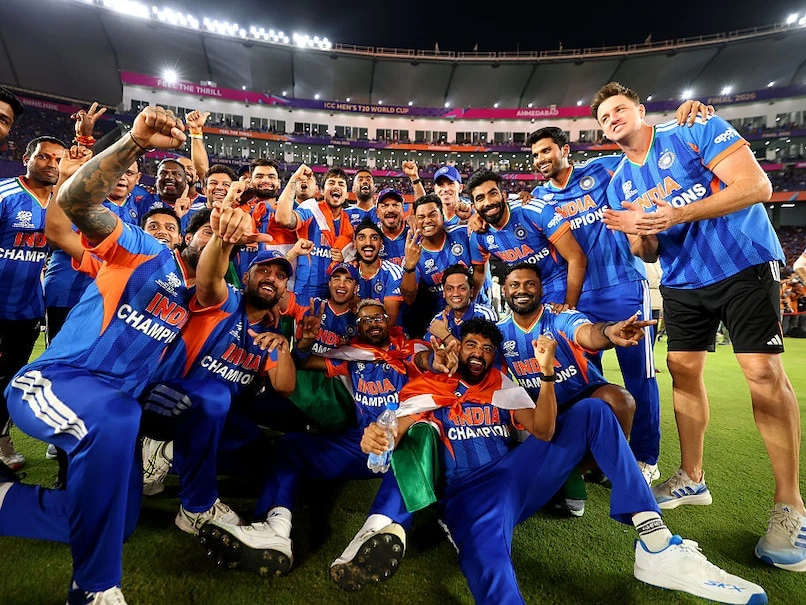
Gautam Gambhir’s tactical calls help India edge past England to reach T20 World Cup final
India defeated England by seven runs in the T20 World Cup 2026 semifinal in Mumbai as tactical decisions and a flexible batting order helped secure a place in the final.

US strikes Iranian missile sites near Hormuz with 5,000-pound bunker buster bombs

Delhi Palam fire leaves 6 dead, massive rescue operation underway

Centre mandates 60% free seat allocation on flights, caps selection fees

Netanyahu dismisses death rumours in video with US envoy, says I’m alive

Centre pushes states to cut levies to boost PNG adoption

Delhi-NCR sees second spell of rain and thunderstorms in four days
Centre pushes states to cut levies to boost PNG adoption

BJP seals Assam seat-sharing pact, Modi to hold 3 rallies in April
Delhi Palam fire leaves 6 dead, massive rescue operation underway
Centre mandates 60% free seat allocation on flights, caps selection fees

Afghan Men Try To Hang With The Jet Engine Of The Aircraft in Kabul- Afghanistan News – Kabul News
Trending Top 10 News: 10000 Crore Fine on Flipkart, Apple to Launch Unique Feature, Hdfc Bank Job Ad

Trending Top 10 News: Nokia 6310, Apple sales, Bachpan ka Pyar Video Kid, Dainik Bhaskar IT Raid

Trending Top 10 News: Canada bans Indian flights, Rain in Delhi NCR, AIMIM Twitter hacked, Raj Kundra case

Trending Top 10 News: Shein India, Apple New Service, Pocket Oxygen, Oppo Launched New Phone
-
 Latest world news20 hours ago
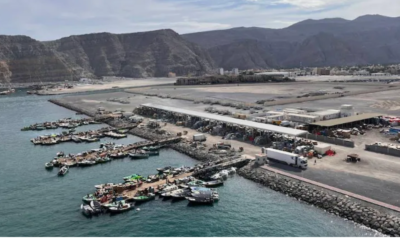
US strikes Iranian missile sites near Hormuz with 5,000-pound bunker buster bombs
-
 India News18 hours ago
Delhi Palam fire leaves 6 dead, massive rescue operation underway
-
 India News19 hours ago
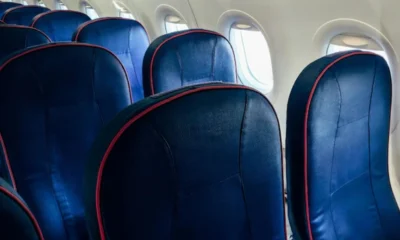
Centre mandates 60% free seat allocation on flights, caps selection fees
-
 Latest world news20 hours ago
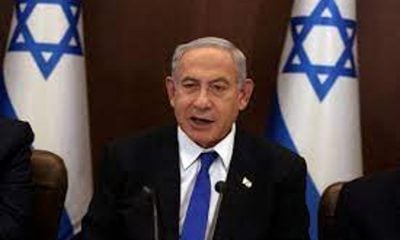
Netanyahu dismisses death rumours in video with US envoy, says I’m alive
-
 India News11 hours ago
Centre pushes states to cut levies to boost PNG adoption
-
 India News11 hours ago
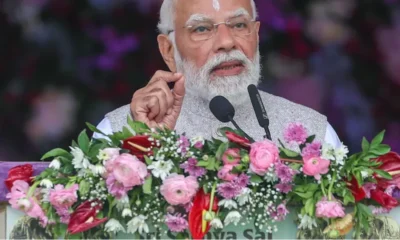
BJP seals Assam seat-sharing pact, Modi to hold 3 rallies in April
-
 India News9 hours ago
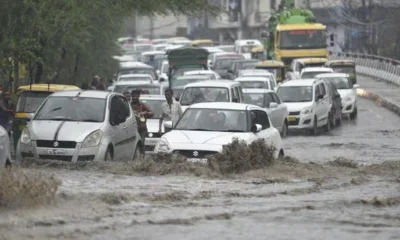
Delhi-NCR sees second spell of rain and thunderstorms in four days
