
LATEST SPORTS NEWS
Nida Anjum Chelat becomes first Indian woman to complete Equestrian World Endurance Championship
By successfully covering the 120-km distance four times with two different combinations, Nida Anjum Chelat has surpassed this mark.


Nida Anjum Chelat from Tirur, Malappuram in Kerala has become the first Indian woman to complete the Equestrian World Endurance Championship in France on Saturday last. 21-year-old Chelat represented India in the championship for Juniors and Young Riders and completed the 120-km distance in 7.29 hours.
After achieving the milestone, Chelat dedicated her win to India and thanked everyone for their support. The 21-year-old said she is grateful that she could complete this championship.
A rider and her/his horse must successfully finish a 120-km distance at least twice over the course of two years to be eligible for the World Endurance Championship. By successfully covering the 120-km distance four times with two different combinations, Chelat has surpassed this mark.
Nida Chelat also became the first Indian woman to achieve a 3-star rider rating by successfully completing the 160-km distance ride more than once.
The aim of this demanding 120-kilometre race was to complete the course without injuring the horse. There were four circuits in the competition, each 28.6, 29.2, 33.8, and 28.6 kilometres in total. Professional veterinarians evaluated the horses’ health and fitness at the conclusion of each stage. The rider would be disqualified if the horse’s health had been affected.

Maintaining the horse’s health and fitness through all four stages was one of the obstacles. Along with 70 other riders from 25 other countries, Chelat with her horse Epsilonn Salou competed in the competition. She and her horse successfully completed all four stages of the difficult race, placing 23rd in the first stage, 26th in the second, 24th in the third, and 21st in the final stage. 33 horses were eliminated. Nida Chelat kept up a remarkable average speed of 16.7 km/h. She proudly sported the Indian flag on her helmet and jersey during the entire event.
LATEST SPORTS NEWS
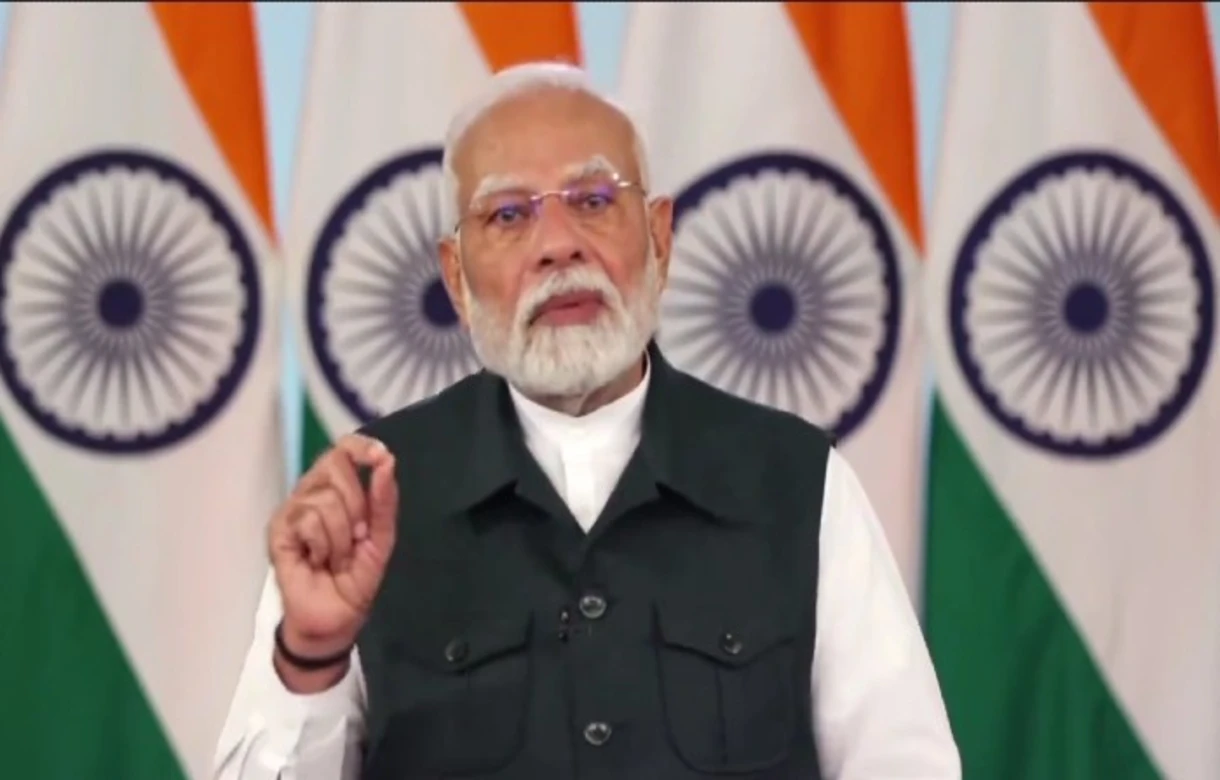
PM Modi praises Team India after historic T20 World Cup triumph
Prime Minister Narendra Modi congratulated Team India after its dominant win over New Zealand in the T20 World Cup 2026 final, praising the team’s exceptional skills, determination and teamwork.

Cricket news
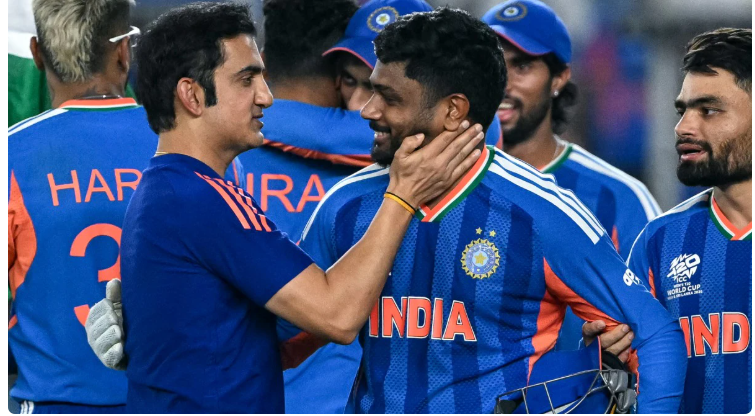
India’s T20 World Cup triumph validates Gautam Gambhir’s approach, coach dedicates win to Dravid and Laxman
Gautam Gambhir said he is accountable only to the team dressing room after India defeated New Zealand by 96 runs to win the 2026 T20 World Cup and dedicated the title to Rahul Dravid and VVS Laxman.
Cricket news
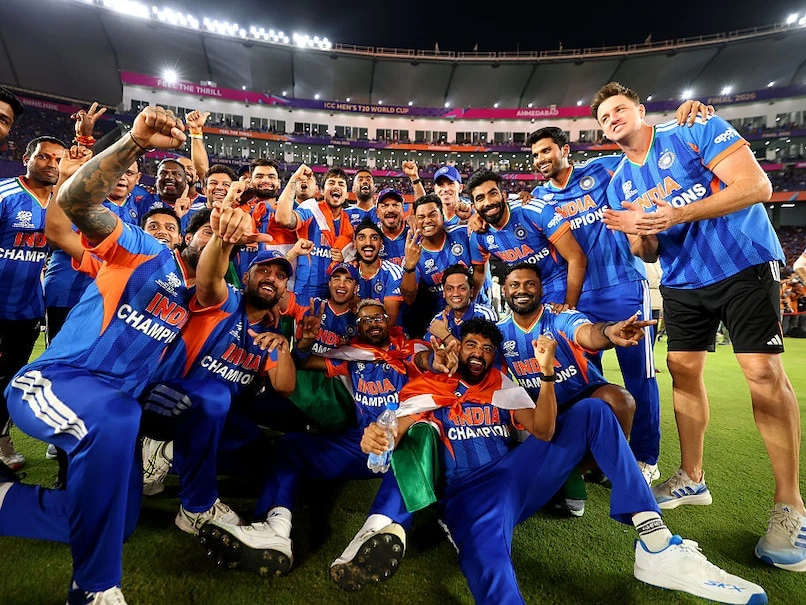
India win record third T20 World Cup after thrashing New Zealand in 2026 final
India defeated New Zealand by 96 runs in the T20 World Cup 2026 final in Ahmedabad, becoming the first team to win the tournament three times and defend the title.

US strikes Iranian missile sites near Hormuz with 5,000-pound bunker buster bombs

Centre mandates 60% free seat allocation on flights, caps selection fees

Delhi Palam fire leaves 6 dead, massive rescue operation underway

Netanyahu dismisses death rumours in video with US envoy, says I’m alive

Centre pushes states to cut levies to boost PNG adoption

Delhi-NCR sees second spell of rain and thunderstorms in four days
Centre pushes states to cut levies to boost PNG adoption

BJP seals Assam seat-sharing pact, Modi to hold 3 rallies in April
Delhi Palam fire leaves 6 dead, massive rescue operation underway
Centre mandates 60% free seat allocation on flights, caps selection fees

Afghan Men Try To Hang With The Jet Engine Of The Aircraft in Kabul- Afghanistan News – Kabul News
Trending Top 10 News: 10000 Crore Fine on Flipkart, Apple to Launch Unique Feature, Hdfc Bank Job Ad

Trending Top 10 News: Nokia 6310, Apple sales, Bachpan ka Pyar Video Kid, Dainik Bhaskar IT Raid

Trending Top 10 News: Canada bans Indian flights, Rain in Delhi NCR, AIMIM Twitter hacked, Raj Kundra case

Trending Top 10 News: Shein India, Apple New Service, Pocket Oxygen, Oppo Launched New Phone
-
 Latest world news13 hours ago
US strikes Iranian missile sites near Hormuz with 5,000-pound bunker buster bombs
-
 India News12 hours ago
Centre mandates 60% free seat allocation on flights, caps selection fees
-
 India News11 hours ago
Delhi Palam fire leaves 6 dead, massive rescue operation underway
-
 Latest world news13 hours ago
Netanyahu dismisses death rumours in video with US envoy, says I’m alive
-
 India News4 hours ago
Centre pushes states to cut levies to boost PNG adoption
-
 India News5 hours ago
BJP seals Assam seat-sharing pact, Modi to hold 3 rallies in April
-
 India News2 hours ago
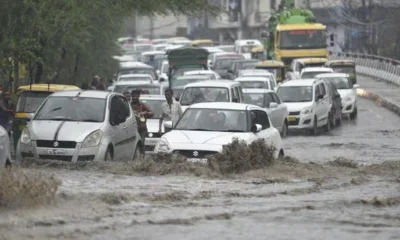
Delhi-NCR sees second spell of rain and thunderstorms in four days
