
Top Stories
WATCH: Bihar teacher thrashes 5-year-old kid with sticks, slaps and punches, student loses consciousness
The incident took place in Dhanarua block in Patna and a video of the same has gone viral on social media.












India News
Nvidia CEO Jensen Huang resigns amid affair scandal, Colette Kress takes over
Nvidia CEO Jensen Huang has resigned amid an affair-related controversy. The company’s CFO, Colette Kress, will serve as interim CEO while the board looks for a permanent successor.


India News
Chandrashekhar Azad to be CM candidate of alliance with Owaisi for Uttar Pradesh elections
Asaduddin Owaisi and Chandrashekhar Azad have joined hands ahead of the 2027 Uttar Pradesh Assembly elections, bringing together the AIMIM and Azad Samaj Party in an effort to consolidate Dalit and Muslim voters.

Latest world news
India, Canada discuss trade pact to boost bilateral commerce
India and Canada discussed advancing negotiations on a proposed Comprehensive Economic Partnership Agreement aimed at expanding trade, investment and market access between the two countries.
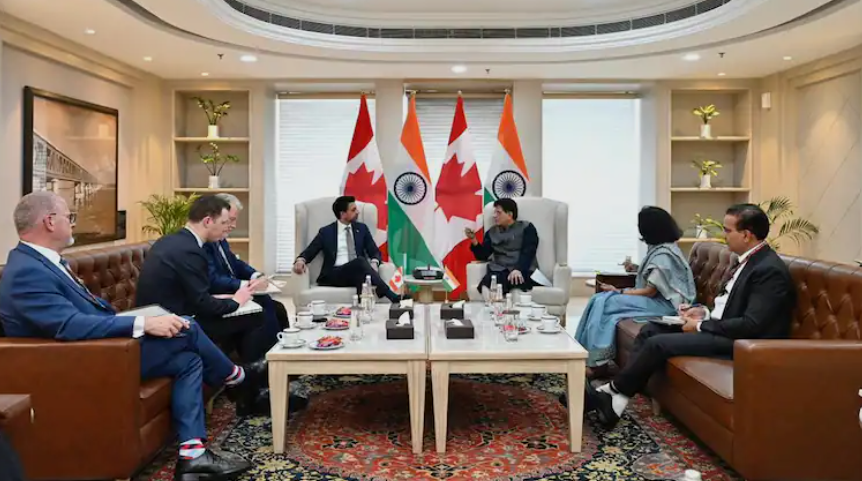

India, Canada discuss trade pact to boost bilateral commerce

Anirudh Ravichander marries Kavya Maran in Greece, first wedding photos out

Chandrashekhar Azad to be CM candidate of alliance with Owaisi for Uttar Pradesh elections

Nvidia CEO Jensen Huang resigns amid affair scandal, Colette Kress takes over
Nvidia CEO Jensen Huang resigns amid affair scandal, Colette Kress takes over
Chandrashekhar Azad to be CM candidate of alliance with Owaisi for Uttar Pradesh elections
Anirudh Ravichander marries Kavya Maran in Greece, first wedding photos out
India, Canada discuss trade pact to boost bilateral commerce

Mother Dairy raises milk prices by Rs 2-4 per litre from November 12

Afghan Men Try To Hang With The Jet Engine Of The Aircraft in Kabul- Afghanistan News – Kabul News
Trending Top 10 News: 10000 Crore Fine on Flipkart, Apple to Launch Unique Feature, Hdfc Bank Job Ad

Trending Top 10 News: Nokia 6310, Apple sales, Bachpan ka Pyar Video Kid, Dainik Bhaskar IT Raid

Trending Top 10 News: Canada bans Indian flights, Rain in Delhi NCR, AIMIM Twitter hacked, Raj Kundra case

Trending Top 10 News: Shein India, Apple New Service, Pocket Oxygen, Oppo Launched New Phone
-
 Latest world news10 hours ago
India, Canada discuss trade pact to boost bilateral commerce
-
 Entertainment10 hours ago
Anirudh Ravichander marries Kavya Maran in Greece, first wedding photos out
-
 India News5 hours ago
Chandrashekhar Azad to be CM candidate of alliance with Owaisi for Uttar Pradesh elections
-
 India News29 mins ago
Nvidia CEO Jensen Huang resigns amid affair scandal, Colette Kress takes over
