The White Lotus Season 3: A gripping yet familiar tale of privilege, chaos, and existential dread
The White Lotus returns for its third season, set in Thailand, offering an engaging yet familiar mix of sharp social commentary, dark humor, and moral reckoning.
The much-anticipated third season of The White Lotus has arrived, this time transporting its audience to a luxurious Thai retreat. Once again, the show delves into the moral unraveling of its wealthy guests, offering a biting critique of privilege and self-indulgence. While the season remains as compelling as ever, some storylines feel like echoes of its predecessors, making one question whether the show is leaning too heavily on its well-worn formula.
A deadly mystery in paradise
The season opens in classic White Lotus fashion: a lifeless body is discovered in a serene pond, soon followed by the sound of gunfire. The stage is set for another suspense-filled exploration of human nature, wrapped in the lavish setting of a high-end Thai resort. As always, the story unfolds through an ensemble of morally complex characters whose seemingly idyllic vacation spirals into chaos.
This time, the cast includes the financially strained Ratcliff family, a group of old friends with unresolved tensions, and a mismatched age-gap couple navigating their own awkward dynamic. Each character brings their own brand of dysfunction, making for a thrilling, if occasionally predictable, season.
Complex characters, stellar performances
One of the greatest strengths of The White Lotus has always been its performances, and Season 3 continues this tradition. Jason Isaacs and Parker Posey shine as Timothy and Victoria Ratcliff, a crumbling couple attempting to mask their family’s dysfunction. Sarah Catherine Hook’s portrayal of their daughter, Piper, offers an intriguing arc as she embarks on a personal journey in Thailand, one that mirrors past seasons’ explorations of youthful idealism clashing with harsh reality.
Elsewhere, Leslie Bibb, Carrie Coon, and Michelle Monaghan play a trio of long-time friends attempting to rekindle their bond, only to be confronted by their past resentments. Their interactions offer some of the most authentic and painfully relatable moments of the season, exposing the dark undercurrents of lifelong friendships.
Meanwhile, Walton Goggins and Aimee Lou Wood’s dynamic as an older man and his much younger girlfriend offers both humor and discomfort, though their storyline lacks the depth of the others.
Returning from Season 1, Natasha Rothwell’s Belinda adds a much-needed grounding presence, her storyline weaving in themes of resilience and personal growth, making her one of the most compelling characters this season.
Striking visuals and a shift in tone
The Thai backdrop provides a mesmerizing setting, with its lush landscapes and serene temples offering a stark contrast to the unraveling chaos of the guests. However, unlike previous seasons, which balanced sharp satire with biting humor, Season 3 leans more into existential dread. The humor is still present but subdued, making way for heavier themes of guilt, mortality, and the illusion of fulfillment that wealth promises but rarely delivers.
While this tonal shift adds depth, it also slows down the pacing. The first half of the season builds tension effectively, but the real momentum only kicks in during episodes five and six. The final act delivers the expected explosive climax, yet the journey there sometimes feels drawn out.
A compelling yet repetitive journey
Despite its breathtaking setting and standout performances, The White Lotus Season 3 treads familiar ground. Many character arcs mirror those from previous seasons, and while the show remains engaging, it risks feeling formulaic. The social commentary is sharp as ever, yet some themes—privilege, hypocrisy, self-destruction—are becoming predictable.
Watch Trailer
The White Lotus Season 3
That being said, The White Lotus remains one of television’s most compelling dramas. Its ability to hold a mirror to the absurdities of wealth and power, all while crafting suspenseful narratives, ensures that even with its flaws, Season 3 is still a must-watch.
While The White Lotus Season 3 doesn’t quite reach the heights of its earlier seasons, it remains an engrossing watch. The Thai setting adds fresh intrigue, but the familiar character dynamics and slower pacing hold it back from being truly groundbreaking. Still, for fans of the series, this season offers enough drama, suspense, and moral reckoning to keep them hooked until the very end.
Television actor Gaurav Khanna has been declared the winner of Bigg Boss 19, bringing the curtain down on a season packed with drama, intense face-offs and emotional moments. He secured the top spot after a closely fought finale, with Farhana Bhatt finishing as the first runner-up.
Gaurav Khanna’s steady game pays off
Premiering on August 24 with 18 contestants, the season showcased shifting alliances, sharp strategies and memorable confrontations. Despite being seen as quiet in the early weeks, Gaurav Khanna gradually emerged as one of the strongest voices inside the house. His composed demeanour and calculated task performance helped him build momentum through the competition.
Farhana Bhatt ends as runner-up
Farhana Bhatt, known for her dynamic presence and determination throughout the season, finished second. Although she narrowly missed the title, her journey remained one of the standout tracks of the show.
Finale eliminations
The grand finale began with multiple eliminations — Amaal Mallik was the first finalist to bow out, followed by Tanya Mittal, and then Pranit More, leaving Gaurav and Farhana as the top two contenders. Gaurav ultimately lifted the trophy and took home a cash prize of Rs 50 lakh.
With the conclusion of Bigg Boss 19, the show wraps another season marked by strategy, rivalry and heartfelt moments that kept viewers engaged from start to finish.
Ranveer Singh returns with a ferocious performance in Dhurandhar, supported by Akshaye Khanna, Sanjay Dutt, and a gripping espionage storyline set against real historical events.
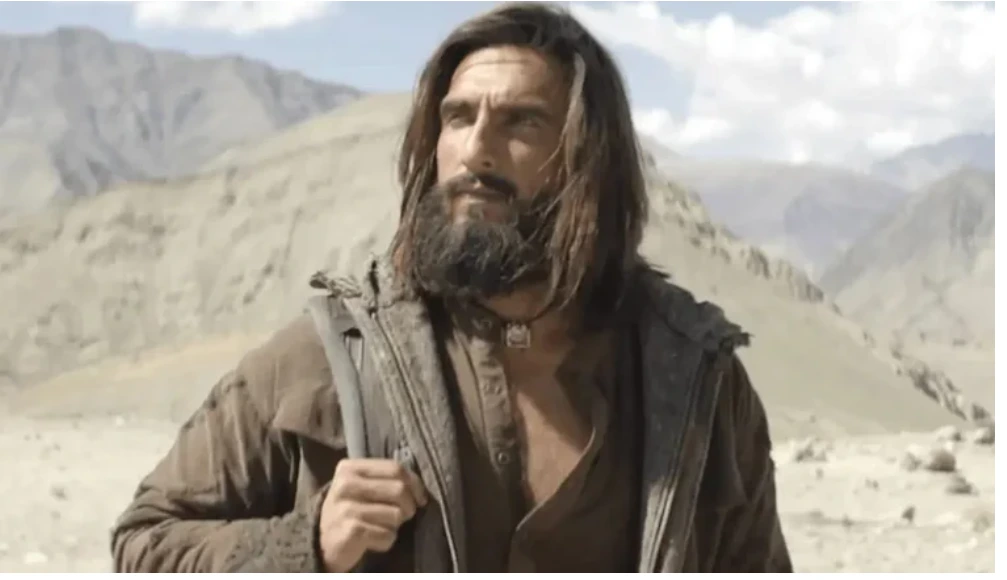
Ranveer Singh makes a striking return to the big screen with Dhurandhar, delivering a fierce, layered performance in Aditya Dhar’s ambitious spy thriller. Blending historical terror incidents with a fictional revenge saga, the film explores India’s covert response to cross-border terrorism through the secret project ‘Dhurandhar’.
A brutal world built around revenge and espionage
Set around the IC-814 Kandahar hijack and the 2001 Parliament attack, Dhurandhar opens with Ajay Sanyal, an Intelligence Bureau officer played by R Madhavan, who strongly opposes releasing captured terrorists. Despite his resistance, bureaucracy prevails, setting the stage for the covert mission he later leads.
The project introduces its central weapon — Humza Ali Mazari, later revealed to be Jaskirat Singh Rangil — portrayed by Ranveer Singh with ferocity and emotional depth. Dropped straight into Karachi’s dangerous Lyari district, Humza navigates a nexus of gangs, politicians, and the ISI, with the narrative also touching upon tensions between local Pakistanis and Baloch communities.
Performances that elevate the film
Akshaye Khanna nearly steals the spotlight as a feared Lyari gangster inspired by Rehman ‘Dakait’ Baloch. Sanjay Dutt’s portrayal of SP Chaudhry Aslam brings an intimidating presence, while Arjun Rampal’s Major Iqbal leaves a lingering impact despite limited screen time.
Sara Arjun plays Yalina with conviction, and the film also features an unrecognisable Gaurav Gera in a surprise appearance.
Music, violence, and a split narrative
Shashwat Sachdev’s background score stands out, weaving classic Pakistani melodies with Indian retro hits to complement the film’s shifting tones. Viewers should be prepared for intense brutality, graphic torture scenes, and sudden shifts in narrative style — especially in a second half that feels markedly different from the first.
The episodic structure, archival footage, and mix of real and fictional characters add layers, though some may find the format distracting.
Ending that sets up part two
While the film does not end on a dramatic cliffhanger, its teaser for the second part — scheduled for March 19, 2026 — ensures audiences will return to witness the conclusion of Humza’s journey.
Farhan Akhtar’s latest release 120 Bahadur hit theatres on November 21 but registered a dull opening on its first day, earning Rs 2.35 crore. In comparison, De De Pyaar De 2, which is now in its second week, continues to show stronger hold at the box office.
Slow start for 120 Bahadur on day one
The action-drama opened to modest numbers on Friday, collecting Rs2.35 crore on its first day. Despite pre-release buzz around Farhan Akhtar’s performance, the film has begun its run on the lower side.
De De Pyaar De 2 maintains its advantage
Meanwhile, De De Pyaar De 2 continues its steady run. On its eighth day, the film maintained an edge over 120 Bahadur in overall earnings, according to media. The strong hold of the Ajay Devgn-led sequel appears to have impacted the new release’s opening day business.
APN News is today the most watched and the most credible and respected news channel in India. APN has been at the forefront of every single news revolution. The channel is being recognized for its in-depth, analytical reportage and hard hitting discussions on burning issues; without any bias or vested interests.