
Latest world news
China fails to get India’s support on Belt and Road project


Beijing assured Islamabad for “firm relations as ever before”
Despite improving ties between India and China and the forthcoming informal meeting between Prime Minister Narendra Modi and Chinese President Xi Jinping on Friday and Saturday, Beijing has failed to muster New Delhi’s support for its ambitious Belt and Road infrastructure project at the end of a foreign ministers’ meeting of Shanghai Cooperation Organisation (SCO) in Beijing on Tuesday.
The Belt and Road is Chinese President Xi Jinping’s landmark scheme to build infrastructure to connect China to the rest of Asia and beyond. India does not support the initiative as parts of one key project, the $57 billion China-Pakistan Economic Corridor (CPEC), run through Pakistan occupied Kashmir that India considers its own territory.
Read More:- Modi meets Chinese President Xi Jinping in Astana
India’s foreign minister Sushma Swaraj did not express support for Belt and Road in the communiqué released after foreign ministers of the China and Russia-led Shanghai Cooperation Organisation met in Beijing. India and Pakistan have joined the group last year.
Reports from Beijing say that all other foreign ministers – from Kazakhstan, Kyrgyzstan, Pakistan, Russia, Tajikistan and Uzbekistan – “reaffirmed support for China’s Belt and Road proposal”.

All foreign ministers, according to communiqué, expressed their unity on issues ranging from their support for the Iran nuclear deal to the need to combat the spread of extremism.
Read More: G20 summit: PM Narendra Modi, Xi Jinping exchange greetings, talk on range of issues
India and China were locked in a 73-day stand-off at Doklam, a disputed territory between China and Bhutan.
Meanwhile, Chinese foreign ministry spokesman Lu Kang said, on Tuesday, talked about the informal meeting between the two leaders saying that both countries had agreed that holding a more relaxed informal meeting was a good idea.
Read More: Read More: China encourage India to deal with Hong Kong on Nirav Modi
He said, “It can provide a comfortable atmosphere for the two countries’ leaders to have full and deep exchanges on important issues of mutual concern.”
He further said that China believes the meeting, in the central Chinese city of Wuhan, will reach important new consensus and promote the continued healthy development of ties going forward.
Observers believe that China’s success will be measured if it would be able to win India round to the Belt and Road project during Prime Minister Narendra Modi’s informal meetings with President Xi Jinping.
Modi will also visit China in June for a summit of the Shanghai Cooperation Organisation.
Meanwhile Pakistan’s leading newspaper Dawn observed that China will also have to tread carefully to avoid giving Pakistan cause for alarm. On Monday it reassured Pakistan that relations between the two countries were as firm as ever and would “never rust”.



Latest world news
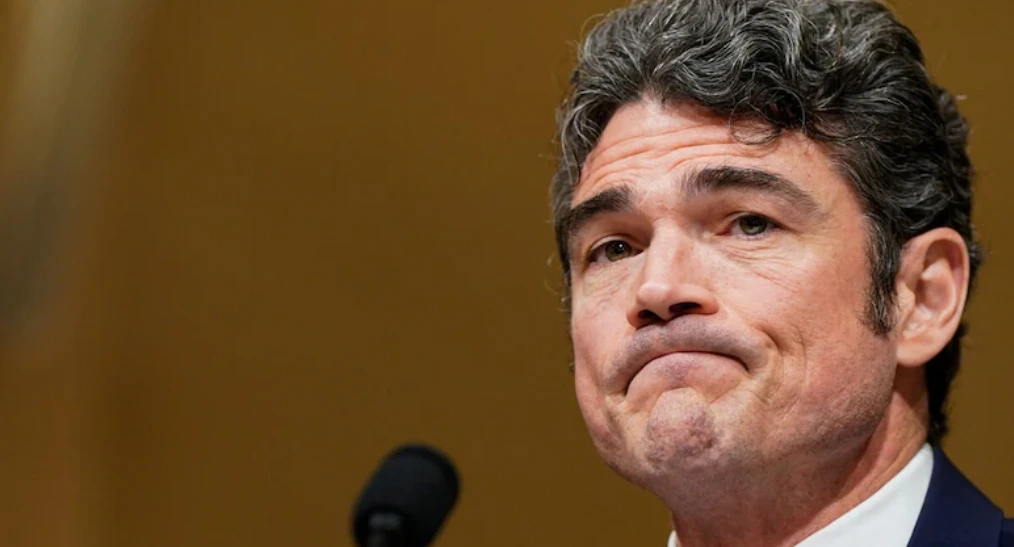
Top US counterterrorism official resigns over Iran war, cites conscience
Joseph Kent steps down as US counterterrorism chief, questioning the justification for the Iran war and citing moral concerns.

Latest world news
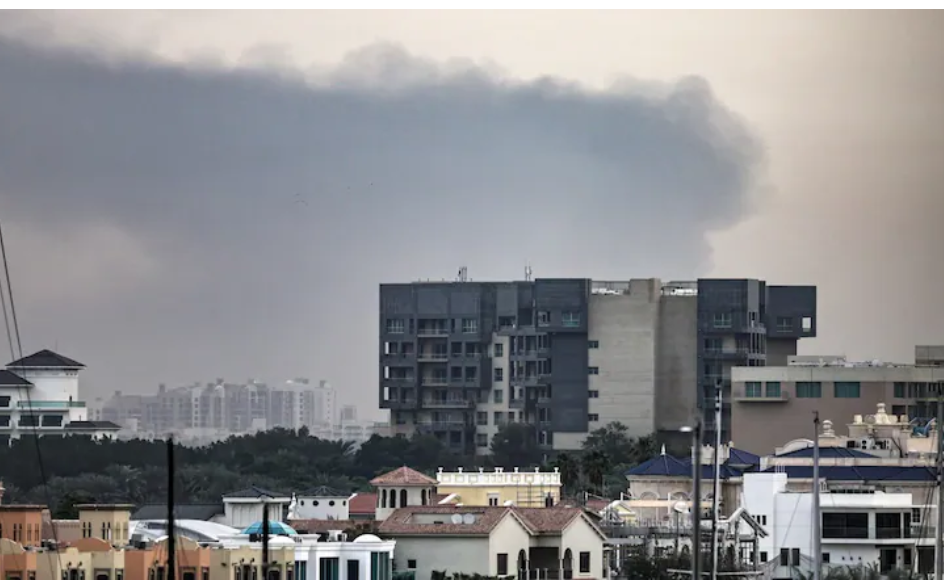
Fire near Dubai International Airport after drone incident, flights temporarily suspended
Flights at Dubai International Airport were temporarily suspended after a drone-related incident caused a fuel tank fire near the facility. Authorities confirmed the blaze was contained and no injuries were reported.

Latest world news
Dubai hit again within 24 hours as debris strikes building, drone targets US embassy in Baghdad
A building in Dubai’s financial hub was struck by debris from an intercepted attack while a drone targeted the US embassy in Baghdad, officials said.

Om Birla likely to move motion to revoke suspension of 8 opposition MPs today

Pakistan airstrike allegations on Kabul hospital leave hundreds dead, claims Taliban

Mamata Banerjee writes to poll chief over officers’ reshuffle, calls move arbitrary

Maharashtra passes freedom of religion bill with jail term up to 10 years

Centre assures action on LPG supply disruption, court closes distributors’ plea

Top US counterterrorism official resigns over Iran war, cites conscience

Mamata Banerjee warns BJP, EC over Bengal polls, says they will be accountable
Centre assures action on LPG supply disruption, court closes distributors’ plea
Om Birla likely to move motion to revoke suspension of 8 opposition MPs today
Maharashtra passes freedom of religion bill with jail term up to 10 years

Afghan Men Try To Hang With The Jet Engine Of The Aircraft in Kabul- Afghanistan News – Kabul News
Trending Top 10 News: 10000 Crore Fine on Flipkart, Apple to Launch Unique Feature, Hdfc Bank Job Ad

Trending Top 10 News: Nokia 6310, Apple sales, Bachpan ka Pyar Video Kid, Dainik Bhaskar IT Raid

Trending Top 10 News: Canada bans Indian flights, Rain in Delhi NCR, AIMIM Twitter hacked, Raj Kundra case

Trending Top 10 News: Shein India, Apple New Service, Pocket Oxygen, Oppo Launched New Phone
-
 India News11 hours ago
Om Birla likely to move motion to revoke suspension of 8 opposition MPs today
-
 India News12 hours ago
Pakistan airstrike allegations on Kabul hospital leave hundreds dead, claims Taliban
-
 India News12 hours ago
Mamata Banerjee writes to poll chief over officers’ reshuffle, calls move arbitrary
-
 India News12 hours ago
Maharashtra passes freedom of religion bill with jail term up to 10 years
-
India News3 hours ago
Centre assures action on LPG supply disruption, court closes distributors’ plea
-
 India News46 mins ago
Mamata Banerjee warns BJP, EC over Bengal polls, says they will be accountable
-
 Latest world news33 mins ago
Top US counterterrorism official resigns over Iran war, cites conscience
