
Latest world news
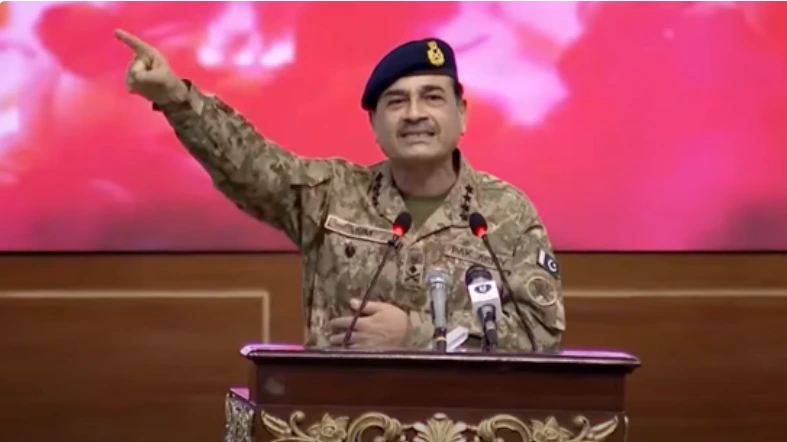
General Asim Munir reaffirms Pakistan’s hardline stance on Kashmir and Balochistan
In a speech abroad, General Asim Munir reignites Indo-Pak tensions by reiterating Pakistan’s claims on Kashmir and dismissing concerns about terrorism and separatist movements.







Latest world news
S Jaishankar says India is a natural option for Russia amid Europe tensions
External Affairs Minister S Jaishankar said India remained a natural option for Russia as Moscow increasingly turned towards Asia amid strained relations with Europe. He highlighted the continuity of India-Russia ties and their significance for the balance of power in Asia.


Latest world news
Putin praises PM Modi, says he has very good ideas on Ukraine war
Russian President Vladimir Putin has praised Prime Minister Narendra Modi for repeatedly raising the need to end the Ukraine war, describing his ideas for a settlement as “very good”.

Latest world news
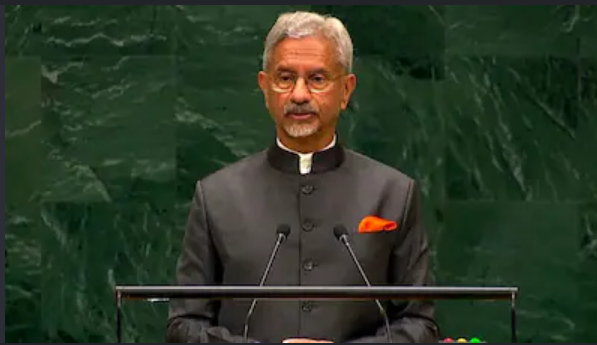
S Jaishankar calls Pakistan a “serial practitioner of terrorism” at UN
S Jaishankar criticised Pakistan at the UN General Assembly, referring to a “serial practitioner of terrorism” and warning against attempts to normalise terrorism.

Dhruv Rathee gets fresh summons in 2018 BJP IT cell video case

Nobody can browbeat judiciary, Chief Justice warns over Rahul Gandhi’s march

India-US trade deal first phase finalised, drafting underway

Election Commission orders voter roll revision in 17 states, UTs

Actor Imran Khan asked to leave India after CJP protest

Delhi Police offers 11-person limit for CJP’s Connaught Place protest
Actor Imran Khan asked to leave India after CJP protest
Election Commission orders voter roll revision in 17 states, UTs
India-US trade deal first phase finalised, drafting underway
Nobody can browbeat judiciary, Chief Justice warns over Rahul Gandhi’s march

Afghan Men Try To Hang With The Jet Engine Of The Aircraft in Kabul- Afghanistan News – Kabul News
Trending Top 10 News: 10000 Crore Fine on Flipkart, Apple to Launch Unique Feature, Hdfc Bank Job Ad

Trending Top 10 News: Nokia 6310, Apple sales, Bachpan ka Pyar Video Kid, Dainik Bhaskar IT Raid

Trending Top 10 News: Canada bans Indian flights, Rain in Delhi NCR, AIMIM Twitter hacked, Raj Kundra case

Trending Top 10 News: Shein India, Apple New Service, Pocket Oxygen, Oppo Launched New Phone
-
 India News12 hours ago
Dhruv Rathee gets fresh summons in 2018 BJP IT cell video case
-
 India News8 hours ago
Nobody can browbeat judiciary, Chief Justice warns over Rahul Gandhi’s march
-
 India News4 hours ago
India-US trade deal first phase finalised, drafting underway
-
 India News2 hours ago
Election Commission orders voter roll revision in 17 states, UTs
-
 India News1 hour ago
Actor Imran Khan asked to leave India after CJP protest
-
 India News9 mins ago
Delhi Police offers 11-person limit for CJP’s Connaught Place protest
