English हिन्दी
Connect with us

Latest world news

Happy 21st Birthday to Google, September 27

Google, the tech giant, on Friday, September 27, celebrated its 21st birthday with a throwback picture of a bulky computer. The system monitor featured Google’s search screen and showcases a timestamp dated to September 27, 1998.

Published

on

Happy 21st Birthday to Google,

[vc_row][vc_column][vc_column_text]Google, the tech giant, on Friday, September 27, celebrated its 21st birthday with a throwback picture of a bulky computer. The system monitor featured Google’s search screen and showcases a timestamp dated to September 27, 1998.

The search engine was founded by two Stanford Ph.D. students, Sergey Brin and Lawrence (Larry) Page, 21 years ago in September 1998 at Stanford in California.

Google was named by the founders after its origin word ‘googol’, a mathematical term that translates to ’10 raised to the power of 100′. 

They also published a paper about launching a prototype of what could be a “large-scale search engine,” stating, “We chose our systems name, Google, because it is a common spelling of googol, or 10100 and fits well with our goal of building very large-scale search engines.”

Initially named Backrub, the search engine portal went through a number of developments to become what it is today. 

After a few years, a company named Sun Microsystems funded Backrub and that’s how Google Inc. began as a legal entity with its first office in California.

In 2001, Google was granted a Patent for its technology and Page was listed as its investors. After this, the company went public. Over the years, Google released products like Google Docs, Gmail, Google Drive and one of the most-popular web browsers named Google Chrome.

In the coming years, Google acquired video streaming platform YouTube and forayed in the smartphone (Pixel), smart speaker (Google Home) and mobile computer hardware sectors.

Corporate restructuring came along in 2015 which made Alphabet Inc Google’s parent company. Together, the two are one of the world’s largest conglomerates.

As of this year, Google’s estimated net worth is around $300 billion and its parent company is worth approximately $900 billion. Together, the two are worth over Amazon and Apple.

With over 60,000 employees in 50 countries, Google makes and contributes to hundreds of products that are used by billions globally.

[/vc_column_text][/vc_column][/vc_row]

Latest world news

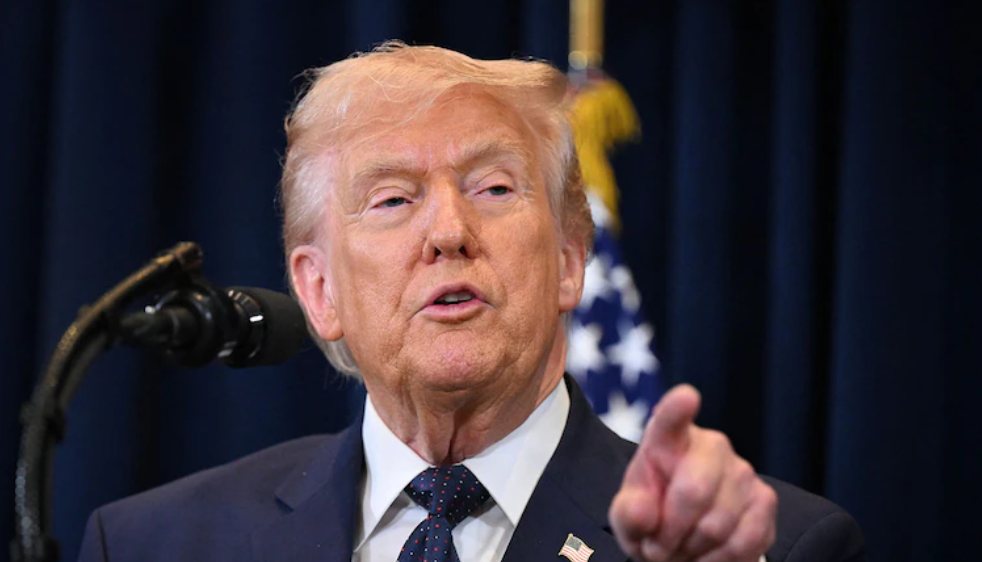
Trump warns of escalation after Iran hits Qatar LNG sites amid Gulf tensions

Trump warns of massive retaliation if Iran targets Qatar again after LNG facility attacks, as Gulf tensions push oil prices higher

Published

on

Donald Trump statement

US President Donald Trump has said Israel will refrain from launching further attacks on Iran’s South Pars gas field unless Tehran chooses to strike Qatar again, amid a sharp escalation in tensions across the Gulf region.

In a statement posted on his Truth Social platform, Trump claimed that Israel’s earlier strike on Iran’s South Pars offshore liquefied natural gas (LNG) field was carried out “out of anger” over the ongoing conflict. He added that the United States had no prior knowledge of the Israeli action.

Trump also emphasised that Qatar had no involvement in the incident. “The United States knew nothing about this particular attack, and the country of Qatar was in no way, shape, or form involved with it,” he said.

According to Trump, Iran responded to the situation without full information and carried out what he described as an “unjustified” attack on Qatar’s LNG infrastructure.

He warned that Israel would not target the South Pars field again unless Iran escalates by attacking Qatar. However, he issued a strong warning that the United States could take direct action if such a scenario unfolds.

“If Qatar’s LNG is again attacked, the United States, with or without the help or consent of Israel, will respond with overwhelming force,” Trump said, while adding that he would prefer to avoid such escalation due to long-term consequences.

Iran strikes Qatar energy facilities

QatarEnergy confirmed that Iranian missile strikes hit LNG facilities in the country, causing fires and significant damage. Emergency teams were deployed to control the situation, and no casualties have been reported so far.

Qatar, one of the world’s leading exporters of natural gas, had already halted production earlier due to the conflict. The latest damage could further delay supply recovery, raising concerns in global energy markets.

Regional tensions widen

The situation intensified after Israel targeted Iran’s South Pars gas field, a major shared energy resource between Iran and Qatar. In retaliation, Iran expanded its strikes across the Gulf region.

Reports indicate that Iranian attacks also targeted gas infrastructure in the United Arab Emirates, including the Habshan facility and Bab field. Authorities described the strikes as a “dangerous escalation,” though operations had been shut down following defensive interceptions.

Qatar has reportedly asked Iranian embassy officials to leave the country within 24 hours, signalling a further deterioration in diplomatic ties.

Oil prices surge amid supply fears

The ongoing conflict has significantly impacted global energy markets. Oil prices rose by around 5 per cent, crossing $108 per barrel, as concerns grew over supply disruptions.

The Strait of Hormuz, a critical shipping route for nearly one-fifth of global oil supply, remains under pressure, contributing to market volatility. Brent crude prices have surged करीब 50 per cent since the conflict began on February 28.

In response to tightening supplies, the US administration has moved to ease certain sanctions on Venezuela, allowing American companies to engage with its state-owned oil sector to stabilise supply.

Continue Reading

Latest world news

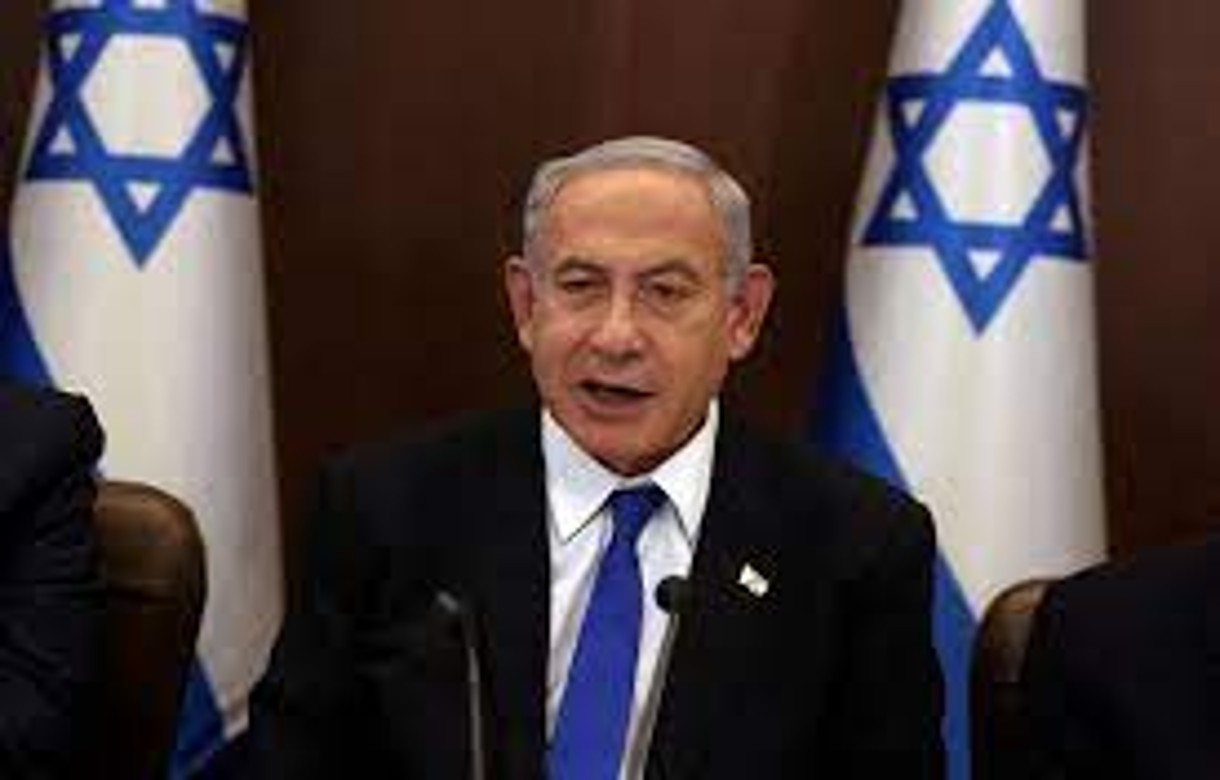
Netanyahu dismisses death rumours in video with US envoy, says I’m alive

Israel PM Benjamin Netanyahu has denied viral claims about his death, appearing in a video with US envoy Mike Huckabee and mocking online conspiracy theories.
Published

on

PM Benjamin Netanyahu

Israeli Prime Minister appears alongside US envoy, addresses conspiracy theories and ongoing conflict remarks

Israel’s Prime Minister Benjamin Netanyahu has publicly dismissed viral rumours about his death, appearing in a fresh video alongside US Ambassador to Israel Mike Huckabee.

The video surfaced after days of speculation online, where misleading posts questioned his absence and circulated claims about altered footage showing him with “six fingers.”

In the clip, Huckabee jokes that US President Donald Trump had asked him to personally check on Netanyahu. Responding with humour, Netanyahu says, “Yes, Mike. Yes, I’m alive.”

Rumours and online claims gain traction

Speculation had intensified across social media as tensions escalated between Israel and Iran.

Some posts claimed Netanyahu had not been seen publicly, while others pointed to a previous video where his hand appeared unusual, fuelling conspiracy theories about manipulated or AI-generated footage.

Remarks on iran conflict

During the interaction, Netanyahu also made comments referencing Israeli strikes, mentioning Iranian figures including Ali Larijani and Basij commander Gholamreza Soleimani.

Using a metaphorical tone, he spoke about “erasing names” from a list, while praising US support and reiterating Israel’s stance against Iran’s nuclear ambitions.

Huckabee responded in a lighter tone, joking that his own name was not on the list, to which Netanyahu replied that he was among the “good guys.”

Earlier video mocked conspiracy

Before releasing this clip, Netanyahu had already addressed the rumours in another video posted online. Sitting at a café, he joked about being “dead for coffee,” using a phrase implying strong liking.

He also directly responded to the “six fingers” claim by showing both hands to the camera and inviting viewers to count his fingers.

The videos appear aimed at countering misinformation circulating online as geopolitical tensions continue in the region.

Continue Reading

Latest world news

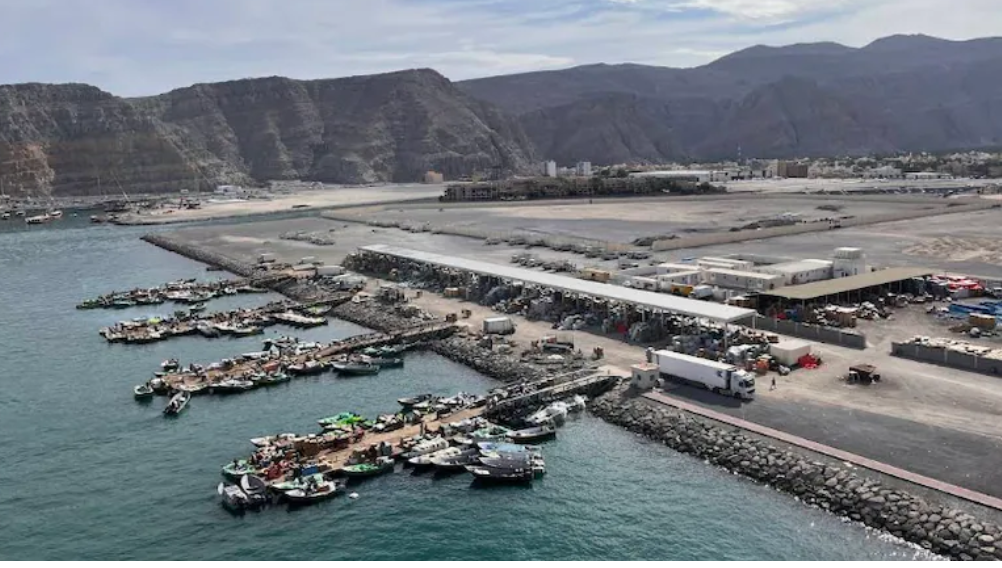
US strikes Iranian missile sites near Hormuz with 5,000-pound bunker buster bombs

US forces hit Iranian missile positions near the Strait of Hormuz using deep penetrator bombs to counter threats to global shipping.
Published

on

In a major escalation aimed at restoring maritime movement, the United States has carried out airstrikes on Iranian missile positions near the Strait of Hormuz using powerful deep-penetration bombs.

The US military confirmed that multiple 5,000-pound bunker buster munitions were used to target hardened missile infrastructure along Iran’s coastline. According to an official statement, the sites housed anti-ship cruise missiles that posed a significant threat to international shipping in the strategic waterway.

The strikes mark the first major US military action to reopen the Strait of Hormuz after Iran reportedly shut it down in response to the ongoing conflict involving the United States and Israel.

Strait disruption triggers global concern

The Strait of Hormuz is a critical global النفط transit route, with nearly one-fifth of the world’s oil supply passing through it. Its closure has severely disrupted shipping activity and triggered a sharp rise in global energy prices.

The US action appears to be aimed at neutralising immediate threats to vessels and restoring safe passage through the region.

Allies reluctant to back US move

The development comes amid reports that several US allies, including NATO members, have declined calls from President Donald Trump to support efforts to secure the strait.

Expressing frustration, Trump criticised allies for not contributing even limited resources such as minesweepers, despite longstanding US support to NATO. He maintained that preventing Iran from acquiring nuclear weapons remains a priority for global security.

However, Iran has consistently denied pursuing nuclear weapons, stating that its nuclear programme is intended solely for peaceful purposes, including energy production.

Use of bunker buster bombs

The bombs used in the operation are designed to destroy fortified or deeply buried targets. These 5,000-pound munitions, often referred to as bunker busters, are capable of penetrating hardened structures before detonation.

While powerful, they are smaller compared to the 30,000-pound bombs reportedly used by the US in previous strikes on Iranian nuclear facilities.

Continue Reading

Trending

© Copyright 2022 APNLIVE.com