
Latest world news
Hezbollah ask Palestinians not to sign Trump’s “deal of the century”


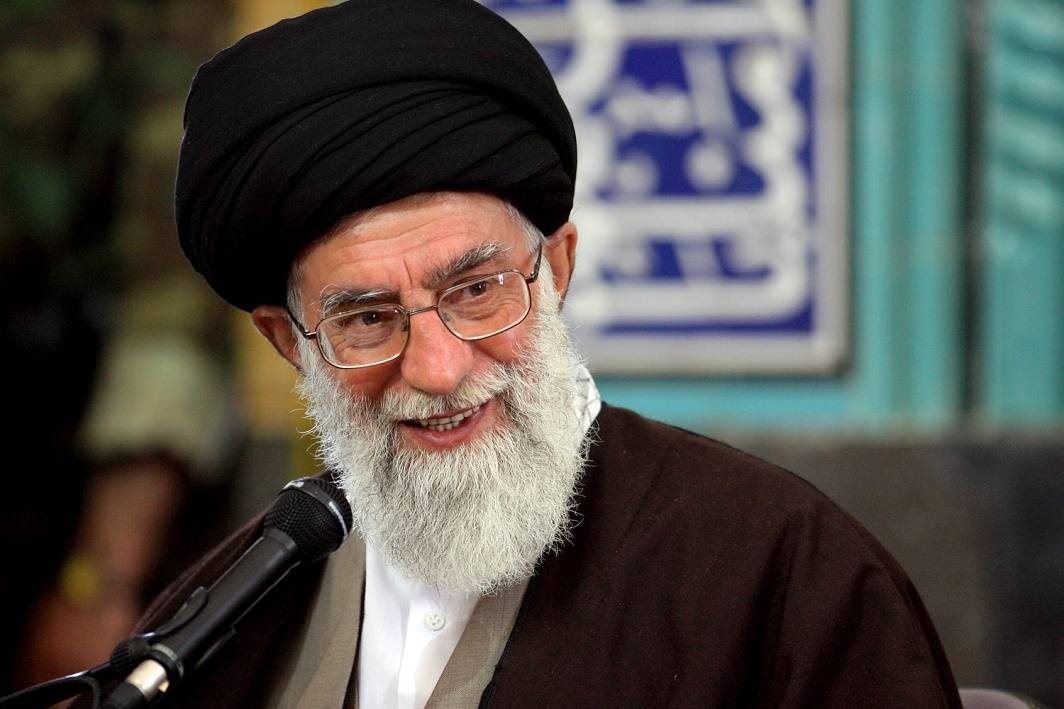
Amidst relocation of US embassy from Tel Aviv to Jerusalem and killing of almost 60 Palestinians by Israeli forces, Hassan Nasrallah, the secretary general of Lebanese Hezbollah has urged Palestinian Authority headed by Mehmoud Abbas not to sign the so-called “deal of century” touted by US President Donald trump under any pressure.
He said, “We dispelled all illusions concerning Israel’s war machine. We undermined their morale and shattered their myth of invincibility.” He said that Trump is set to officially announce the deal within coming weeks.
On Monday evening, Hezbollah leader was addressing his supporters in a televised speech broadcast live from the Lebanese capital Beirut. He stated that the “deal of century” started ever since Trump announced his decision on December 6 last year to recognize Jerusalem as Israel’s capital and to relocate its embassy there.
Hezbollah leader called upon resistance movements in the Middle East not to give in to US and Israeli pressures and described US President Donald Trump, Israeli Prime Minister Benjamin Netanyahu and Saudi Crown Prince Mohammed bin Salman as the pillars of the new deal for Palestine.
His speech was aired by Hezbollah’s Al-Manar TV and was simultaneously broadcast by several networks in the region including most of the Iranian channels.
 While describing the details of the deal, Nasrallah said that the Palestinian right of return will be abolished under the “deal” and a future Palestinian state could only be established within the Gaza Strip. Till now right of return is considered to be a cornerstone of the Palestinian cause.
Gaza strip is ruled by Hamas, the pro Iranian resistance group while West Bank is ruled by Palestinian Authority headed by Mehmoud Abbas.
Read More: Palestinians to US: Don’t shut our mission, will cease all links with Washington
Nasrallah, whose alliance has recently won more than half of the seats in Lebanese parliament election, noted that some Arab states were inventing religious pretexts to legitimatize Israel’s occupation of Palestinian lands. He recalled that the Riyadh regime is claiming that the occupied territories belong to Israel.
Saudi Crown Prince Mohammed Bin Salman, while meeting Jewish leaders during his US visit last month had said that Israel has a “right” to a homeland. He was quoted saying, “I believe that each people, anywhere, has a right to live in their peaceful nation. I believe the Palestinians and the Israelis have the right to have their own land,” he added.
 Nasrallah pointed out, “The Palestinian cause relies on regional nations, who will never betray it. The Palestinian Authority must not sign this so-called deal of century by any means.”
Nasrallah referred to the recent US withdrawal from Iran nuclear deal by Donald Trump and underlined that Americans never tend to honour their promises and are not trustworthy in any sort of agreement.
Read More: Isolated Trump gets Saudi Arabia, Israel support on Iran deal withdrawal
He further said, “The United States did not care at all about the interests of its allies when exiting the atomic agreement with Tehran. Therefore, peace talks for Palestine will yield no outcome if the US is included.”
According to Al-Manar, Hezbollah leader said that a new stage of the confrontation between the resistance and the “Zionist entity”, a term used for Israel, in Syria has recently emerged. He said that the time when the Israeli enemy can hit Syria without retaliation is over.
He was referring to the recent confrontation between Syria and Israel when Israeli positions in occupied Golan were hit by dozens of rockets launched from the Syrian territories.
Read More: Can Saud And Israel Drag Trump Into War With Iran?
The Hezbollah leader has also criticized Bahraini Foreign Minister Sheikh Khalid bin Ahmed Al Khalifah for his support for Israel’s missile attack on Syria, saying, “There is no more ugliness than the remarks of this idiot and traitor.”
 Saudi Arabia’s Crown Prince Mohammed Bin Salman, while meeting Jewish leaders in US, had also reportedly said that Palestinian leadership should accept whatever peace terms are offered by the US and stop complaining.
He was quoted saying, “In the last several decades the Palestinian leadership has missed one opportunity after the other and rejected all the peace proposals it was given. It is about time the Palestinians take the proposals… or shut up and stop complaining.”
According to Middle East Eye a Palestinian official had recently said that the “deal of the century” calls for having a Palestinian state with provisional borders on half of West Bank and the Gaza Strip, without Jerusalem, and calls for humanitarian solutions to the refugee issue. The deal calls for building a new Jerusalem for the Palestinians from the surrounding villages and communities.
Observers believe that Palestinian Authority President Mehmoud Abbas would be forced by his supporters to oblige and act as suggested by Hezbollah leadership. Abbas has reiterated several times, since Trump’s Jerusalem move, of US losing credibility of an “honest broker” in the Middle East crisis.






Latest world news
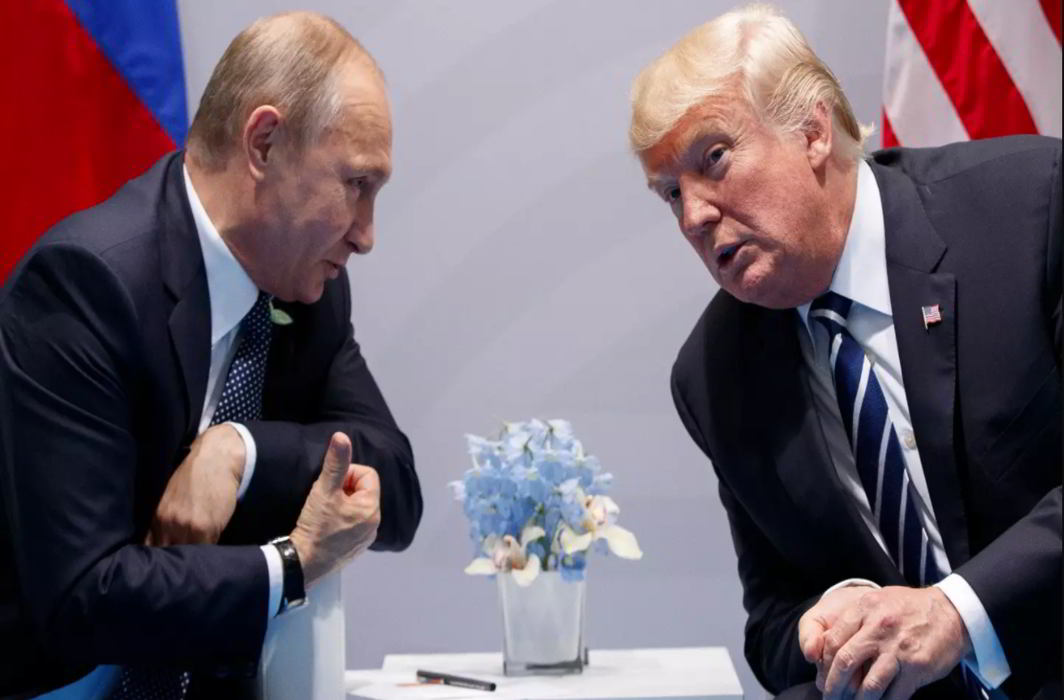
Trump waives Russia-related sanctions, tariffs in relief for India
Donald Trump has waived several Russia-related sanctions, restrictions and duties under a new US law, potentially easing tariff pressure on India and China, two major buyers of Russian energy.

Latest world news
Magnitude 7 earthquake strikes Russia’s Kamchatka Peninsula
A magnitude 7 earthquake struck Russia’s Kamchatka Peninsula region on Friday. The initial report placed the earthquake at a depth of 140 kilometres.

Latest world news
S Jaishankar says India is a natural option for Russia amid Europe tensions
External Affairs Minister S Jaishankar said India remained a natural option for Russia as Moscow increasingly turned towards Asia amid strained relations with Europe. He highlighted the continuity of India-Russia ties and their significance for the balance of power in Asia.


LK Advani, 98, hospitalised in Delhi with chest infection
Trump waives Russia-related sanctions, tariffs in relief for India

ED summons Pinarayi Vijayan in money laundering case

Anirudh Ravichander to marry Kavya Maran in November, reception on November 21

Delhi court orders release of CJP founder Abhijeet Dipke

Journalist files police complaint against Rahul Gandhi over push allegation
Delhi court orders release of CJP founder Abhijeet Dipke
Anirudh Ravichander to marry Kavya Maran in November, reception on November 21
ED summons Pinarayi Vijayan in money laundering case
LK Advani, 98, hospitalised in Delhi with chest infection

Afghan Men Try To Hang With The Jet Engine Of The Aircraft in Kabul- Afghanistan News – Kabul News
Trending Top 10 News: 10000 Crore Fine on Flipkart, Apple to Launch Unique Feature, Hdfc Bank Job Ad

Trending Top 10 News: Nokia 6310, Apple sales, Bachpan ka Pyar Video Kid, Dainik Bhaskar IT Raid

Trending Top 10 News: Canada bans Indian flights, Rain in Delhi NCR, AIMIM Twitter hacked, Raj Kundra case

Trending Top 10 News: Shein India, Apple New Service, Pocket Oxygen, Oppo Launched New Phone
-
 India News16 hours ago
LK Advani, 98, hospitalised in Delhi with chest infection
-
Latest world news16 hours ago
Trump waives Russia-related sanctions, tariffs in relief for India
-
 India News15 hours ago
ED summons Pinarayi Vijayan in money laundering case
-
 India News5 hours ago
Anirudh Ravichander to marry Kavya Maran in November, reception on November 21
-
 India News5 hours ago
Delhi court orders release of CJP founder Abhijeet Dipke
-
 India News3 hours ago
Journalist files police complaint against Rahul Gandhi over push allegation
