
Latest world news
Iraq votes for Parliament in first elections after IS defeat


In an exercise to strengthen democratic set up in non-GCC Arab country without having much US influence and “growing Iranian influence”, Iraqi people have started polling their votes for the fourth parliament after removal of Saddam Hussein in 2003 on Saturday morning.
The landmark parliamentary elections in the country are being held for the first time after defeating Daesh (IS) terror group with the help of Iranian military advisors, intelligence sharing and weapons supplies along with Mobilization Forces raised after landmark fatwa of Ayatollah Siestani, comprising all sections of the country.
However, US led coalition also claim of fighting against Daesh (IS) which has never attracted appreciation by Iraqi government.
According to media reports a total of 6,990 candidates from 87 lists (parties) are contesting for 329 seats with nearly 2,011 female candidates who are guaranteed 25 percent, or 83, of the seats. Nine seats will be allocated to minorities.
There are 18 provinces in the country with different population ratio in different areas. Shia majority community dominates in the southern provinces, Sunnis are more in the central region while Kurds are in majority in several north-eastern provinces.

Political observers don’t expect a dramatic government shake-up in the country. However, this is expected to be considered as a referendum on Prime Minister Haider al-Abadi’s tenure and his pledge to be more inclusive during the next tenure, if elected.
On May 4, Iraq’s most revered religious leader Grand Ayatollah Siestani, through his representative Ayatollah Mehdi Karbalai in holy Karbala city, had urged voters not to re-elect “corrupt” Members of Parliament during the elections.
Ayatollah Karbalai, while addressing the Friday sermon, had suggested that voters should “avoid falling into the trap of those who want to fool you”, including- “those whom you have known”- a reference to outgoing MPs running in the polls.
The most important issues dominated throughout the campaign included corruption, security, poverty, the influence of Iran and the future of US forces currently in the country.
The main lists (parties) can be divided into Shia, Sunni and Kurdish coalitions, with Shia parties being the most prominent due to their greater number in the overall population which is considered to be over 70%. Two major Sunni coalitions and four Kurdish ones are contesting the elections.
Read More: Referendum in Iraq’s Kurdish North Sets Cat Among Pigeons
The main Shia lists contesting the elections include: Nasr Coalition headed by current Prime Minister Haider al-Abadi, Dawat al-Qanoon, headed by current Vice President and former PM Nouri al-Maliki, Fatah Coalition, led by Hadi al-Amiri, Hikma Coalition headed by Ammar al-Hakim and al-Saidoon Coalition, also known as Sadrist movement, led by Muqtada al-Sadr, allied with Iraqi Communist Party.

Recently Saudi Arabia has also indicated interest in the internal Iraqi politics with an objective of curbing Iranian influence in Iraq. Muqtada al-Sadr, was the important visitor to Saudi Arabia holding meeting with most powerful Crown Prince Mohammed bin-Salman in July last year.
However, during a summit with US President Donald Trump in May 2017, Saudi Arabia did not invite Shia Prime Minister Haider al-Abadi. Instead Iraq’s Sunni president Fuad Masum participated in the meeting when more than 50 heads of Muslims states met Trump under Saudi auspices.
Observers believe that no single group is expected to win 165 seats required for forming next government. Instead the bloc winning the highest number of seats will have to bring together smaller groups.
Read More: Kurdistan dream collapses, Barzani not to remain President
Some analysts, probably influenced by Saudi Arabia led GCC, has been talking of the possibility of spending months before selection of new prime minister. Until the new prime minister is chosen, Haider al-Abadi, the current PM will continue to officiate.
Political power is traditionally divided along sectarian lines among the offices of prime minister, president and parliament speaker. Since the first elections following 2003 Saddam Hussein’s fall, Shia majority has held the position of prime minister, while the Kurds have held the presidency and Sunnis have held the post of parliament speaker.






Latest world news
Magnitude 7 earthquake strikes Tibet after floods
A magnitude 7 earthquake struck northern Tibet on Thursday, October 22. The tremor came weeks after deadly flash floods and landslides hit the mountainous region near the Nepal-China border. Initial reports did not confirm casualties or damage from the earthquake.


Latest world news
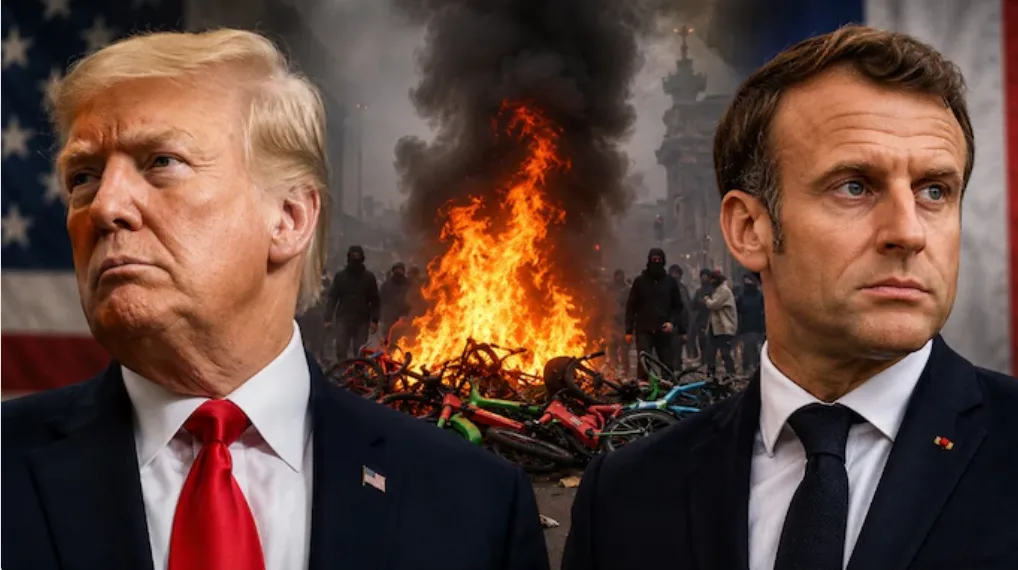
Macron rejects Trump’s immigration claims over France riots
French President Emmanuel Macron criticised Donald Trump and other foreign leaders over their comments on France’s recent unrest. Macron rejected claims that the country was being overrun by migrants and Islamists, calling such assertions false.
Latest world news
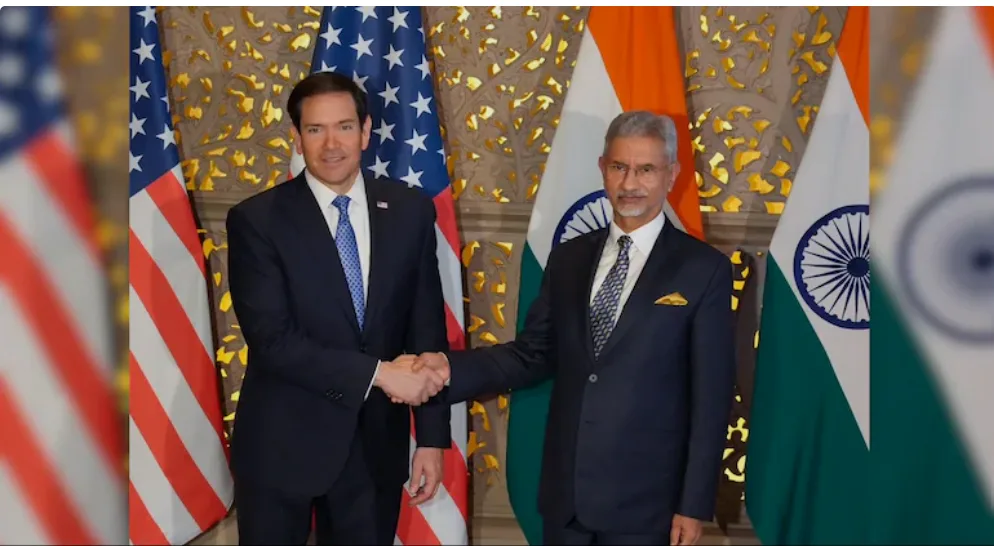
Marco Rubio says India and US share extraordinary alignment on key issues
US Secretary of State Marco Rubio said India and the United States share an extraordinary alignment on core issues, even though disagreements between the two countries may arise.

Punjab strike hits public services as 3 lakh employees and roadways workers protest

Two election commissioners complained against senior poll officer, RTI reveals

Om Prakash Mathur sworn in as Keralam Governor

PM Modi to inaugurate Rs 169-crore RBI data centre in Odisha on October 25

Delhi High Court rejects Neha Bora’s plea against peace bond notice

MEA responds after ITBP chief flags ongoing face-offs with China in Arunachal
Delhi High Court rejects Neha Bora’s plea against peace bond notice
PM Modi to inaugurate Rs 169-crore RBI data centre in Odisha on October 25
Om Prakash Mathur sworn in as Keralam Governor
Two election commissioners complained against senior poll officer, RTI reveals

Afghan Men Try To Hang With The Jet Engine Of The Aircraft in Kabul- Afghanistan News – Kabul News
Trending Top 10 News: 10000 Crore Fine on Flipkart, Apple to Launch Unique Feature, Hdfc Bank Job Ad

Trending Top 10 News: Nokia 6310, Apple sales, Bachpan ka Pyar Video Kid, Dainik Bhaskar IT Raid

Trending Top 10 News: Canada bans Indian flights, Rain in Delhi NCR, AIMIM Twitter hacked, Raj Kundra case

Trending Top 10 News: Shein India, Apple New Service, Pocket Oxygen, Oppo Launched New Phone
-
 India News17 hours ago
Punjab strike hits public services as 3 lakh employees and roadways workers protest
-
 India News17 hours ago
Two election commissioners complained against senior poll officer, RTI reveals
-
 India News6 hours ago
Om Prakash Mathur sworn in as Keralam Governor
-
 India News6 hours ago
PM Modi to inaugurate Rs 169-crore RBI data centre in Odisha on October 25
-
 India News4 hours ago
Delhi High Court rejects Neha Bora’s plea against peace bond notice
-
 India News4 hours ago
MEA responds after ITBP chief flags ongoing face-offs with China in Arunachal
