
Latest world news
Israel hits missiles at military post near Damascus

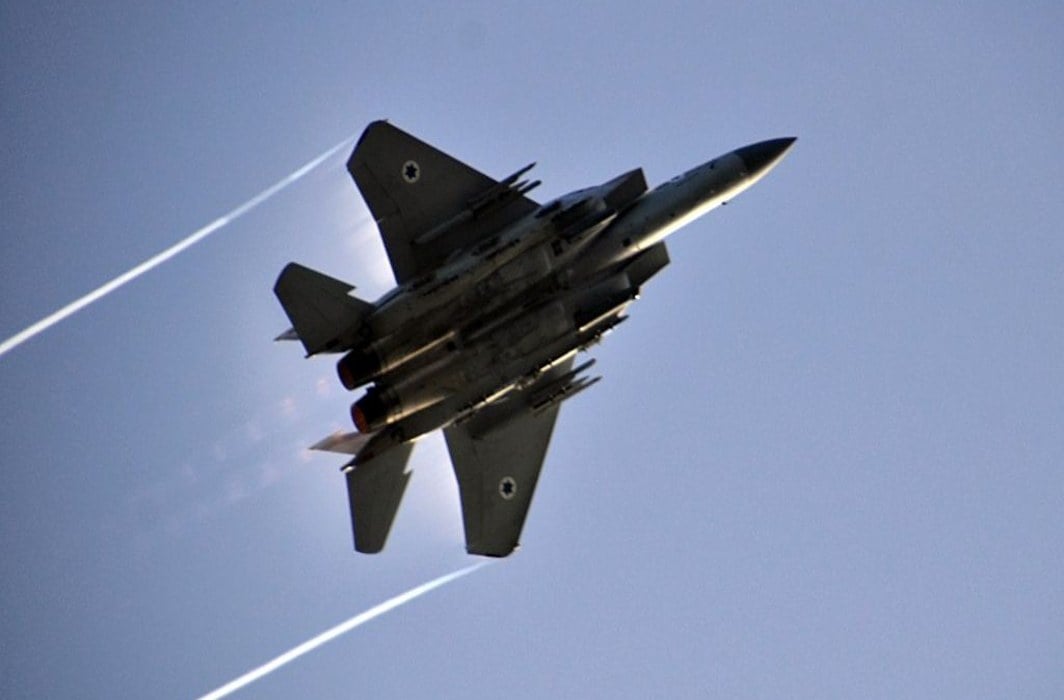
[vc_row][vc_column][vc_column_text]Syrian forces destroy two Israeli missiles
In a fresh escalation in the Middle East, Israel has fired missiles at a military position near Damascus over last night while Syria’s air defence system has claimed of thwarting some of the attacks. There are no reports of any casualties yet.
Syrian state television said on Saturday that the “blatant assault” led to material losses at the site in the countryside near the capital.
However, an Israeli military spokeswoman declined to comment on reports of the attack.
The London based Syrian Observatory for Human Rights has reported that the missile attack was likely carried out by the Israeli military and targeted several government military bases in Al Kiswah situated in the southwest outskirts of the capital.
Aljazeera reports that the Israeli raid was targeted at government military sites and Hezbollah positions and that the sound of large explosions caused by the raid was heard in the capital and surrounding areas.
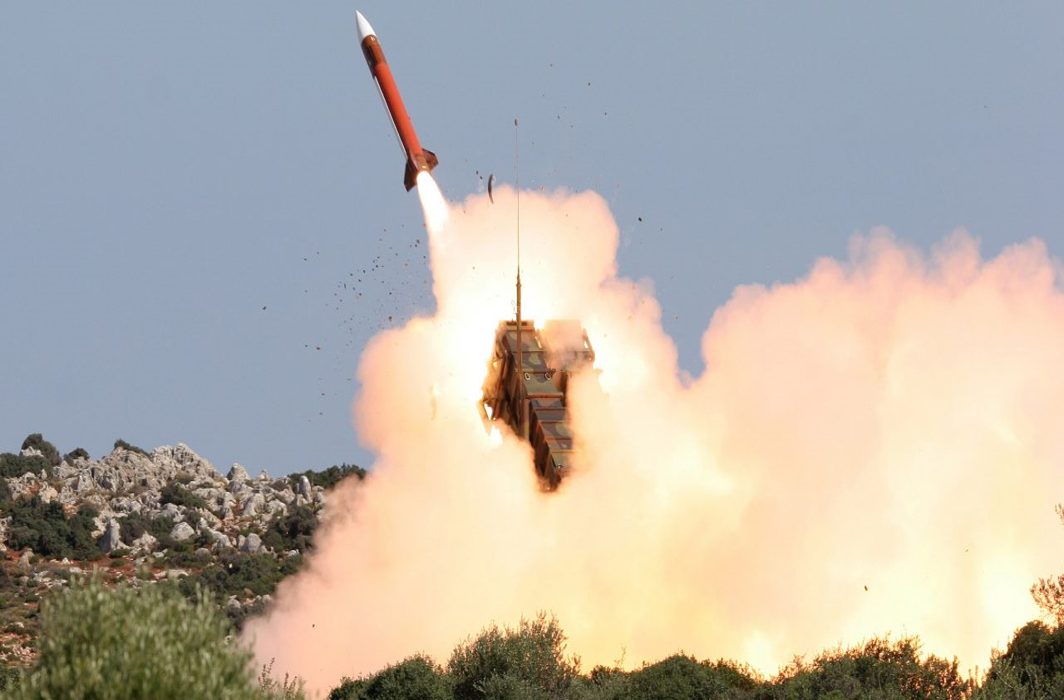
According to Syria’s state-run SANA news agency, pro-government forces managed to destroy two of the missiles in a response attack.
“The Israeli enemy fired after midnight at 12:30 several ground-to-ground missiles at a military location in the countryside of Damascus, where our air defences intercepted and destroyed two missiles,” SANA cited security sources as saying.
Meanwhile Times of Israel reported the incident quoting Arab media. However, it comments that the alleged Israeli attack came three weeks after BBC reported that Iran was building a permanent military base in Syria just south of Damascus.
Israeli PM Benjamin Netanyahu has often said that Israel will not allow Iran to establish a permanent presence in Syria and has reportedly sent a warning to this effect via a third party to Syrian President Bashar Assad, the Israeli daily reported.
Earlier, a senior Israeli official vowed to bomb Syrian President’s palace if Hezbollah continued to expand its sway over Syria.
The Syrian conflict began in March 2011 against the Assad government, but it morphed into a civil war that has killed hundreds of thousands of people.
Earlier Tehran based Press TV reported that Syrian army has fired at least four surface-to-surface missiles at Israeli aircraft as the (Israeli) regime launched an attack against the western countryside of Damascus.
Quoting Arabic language al-Masdar news agency, citing unanimous source, said the Syrian military’s anti-aircraft missiles were fired from Mezzeh Airbase in rural Damascus in the early hours of Saturday.
It says that Israeli fighter jet was flying at a low altitude over Lebanon’s Baalbek region near Syrian border when Syrian missiles were launched.
Earlier on September 7, at least two Syrian soldiers were killed while Israeli jets targeted an army position in Hama province, a few days after Syrian army had successfully broke Daesh siege in Dayr al-Zawr.[/vc_column_text][/vc_column][/vc_row]










Latest world news
Magnitude 7 earthquake strikes Russia’s Kamchatka Peninsula
A magnitude 7 earthquake struck Russia’s Kamchatka Peninsula region on Friday. The initial report placed the earthquake at a depth of 140 kilometres.


Latest world news
S Jaishankar says India is a natural option for Russia amid Europe tensions
External Affairs Minister S Jaishankar said India remained a natural option for Russia as Moscow increasingly turned towards Asia amid strained relations with Europe. He highlighted the continuity of India-Russia ties and their significance for the balance of power in Asia.

Latest world news
Putin praises PM Modi, says he has very good ideas on Ukraine war
Russian President Vladimir Putin has praised Prime Minister Narendra Modi for repeatedly raising the need to end the Ukraine war, describing his ideas for a settlement as “very good”.


Election Commission orders voter roll revision in 17 states, UTs

Actor Imran Khan asked to leave India after CJP protest

Delhi Police offers 11-person limit for CJP’s Connaught Place protest

Magnitude 7 earthquake strikes Russia’s Kamchatka Peninsula

Mallikarjun Kharge’s ‘Your Friends’ jab at Rahul Gandhi over congress exits

Abhijeet Dipke detained ahead of CJP’s national flag march in Delhi
Magnitude 7 earthquake strikes Russia’s Kamchatka Peninsula

Delhi deploys 25,000 personnel, installs CCTV cameras ahead of CJP march
Mallikarjun Kharge’s ‘Your Friends’ jab at Rahul Gandhi over congress exits
Delhi Police offers 11-person limit for CJP’s Connaught Place protest

Afghan Men Try To Hang With The Jet Engine Of The Aircraft in Kabul- Afghanistan News – Kabul News
Trending Top 10 News: 10000 Crore Fine on Flipkart, Apple to Launch Unique Feature, Hdfc Bank Job Ad

Trending Top 10 News: Nokia 6310, Apple sales, Bachpan ka Pyar Video Kid, Dainik Bhaskar IT Raid

Trending Top 10 News: Canada bans Indian flights, Rain in Delhi NCR, AIMIM Twitter hacked, Raj Kundra case

Trending Top 10 News: Shein India, Apple New Service, Pocket Oxygen, Oppo Launched New Phone
-
 India News24 hours ago
Election Commission orders voter roll revision in 17 states, UTs
-
 India News23 hours ago
Actor Imran Khan asked to leave India after CJP protest
-
 India News22 hours ago
Delhi Police offers 11-person limit for CJP’s Connaught Place protest
-
 Latest world news10 hours ago
Magnitude 7 earthquake strikes Russia’s Kamchatka Peninsula
-
 India News10 hours ago
Mallikarjun Kharge’s ‘Your Friends’ jab at Rahul Gandhi over congress exits
-
 India News10 hours ago
Delhi deploys 25,000 personnel, installs CCTV cameras ahead of CJP march
-
 India News1 hour ago
Abhijeet Dipke detained ahead of CJP’s national flag march in Delhi
