
Latest world news
Pakistan: Hafiz Saeed’s JuD to contest elections in 2018

[vc_row][vc_column][vc_column_text]Islamabad defying US calls for action against terror “safe havens”
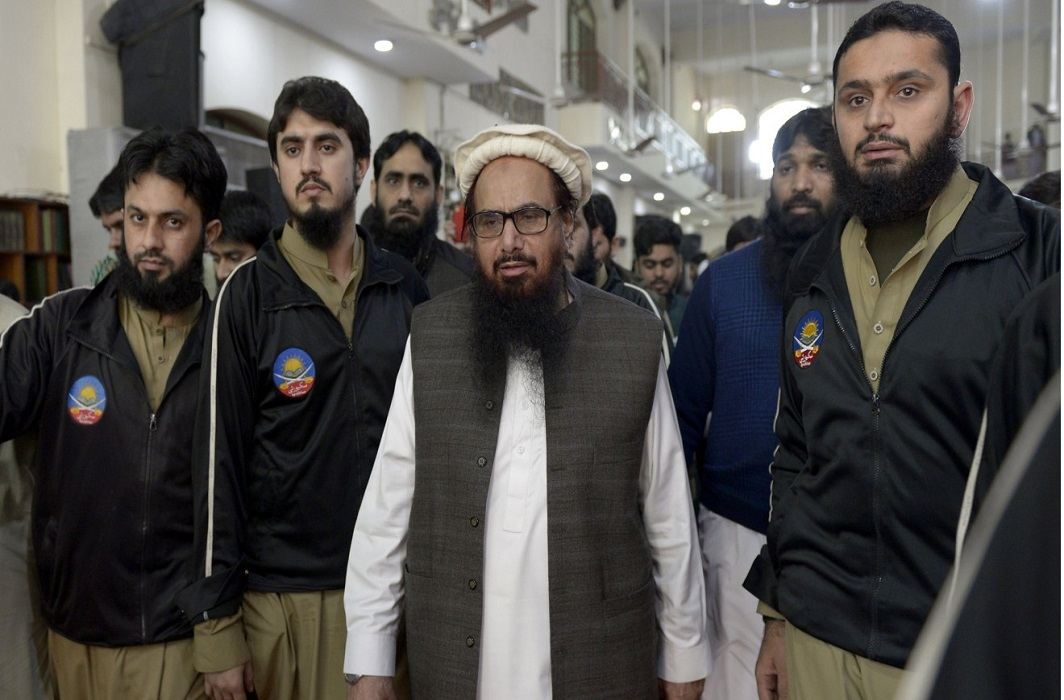
Contrary to US call for indiscriminate action against terrorist “safe havens” in Pakistan, Mumbai 26/11 terror attack mastermind Hafiz Muhammad Saeed has announced that his Jamaat-ud-Dawa (JuD) will contest in 2018 general elections in the country.
According to The Express Tribune, Saeed, while talking to senior columnists at Jamia Qadsia in Lahore, on Saturday, said that the decision to field his party in the political arena was aimed at helping to “highlight the Kashmir cause internationally”. JuD was placed in an anti-terror watch list in February this year.
Saeed said that India was maligning the “Kashmir cause” at international level and also criticised present Pakistan government for allegedly bowing down to “appease New Delhi”. He said that Pakistan cannot abandon Kashmir issue “which is not possible”.
“This is the right time to enter the country’s politics to persuade the world community by establishing an independent foreign desk to highlight the Kashmir cause,” he said.
 In the recent by-election in Lahore after Nawaz Sharif’s resignation, a new political party, named Milli Muslim League (MML), was among the contestants.
At that time JuD chief Hafiz Saeed extended support to MML saying, “I firmly believe that after winning elections, MML will be able to work decisively for the Kashmir cause… this is why I support it.”
After getting released from 10 month house arrest on November 24, Saeed had vowed to gather people across Pakistan for the “cause of Kashmir” and help the Kashmiris secure “freedom”.
“No matter what, we will not abandon the Kashmir cause. The government has failed to achieve any breakthrough or help the Kashmiris through its back channel diplomacy,” he said on Saturday.
He appreciated Burhan Wani’s “sacrifice” and pointed out that Kashmir would secure “independence” only through sacrifices. “After Wani’s sacrifice, the Kashmir independence struggle gained momentum,” he asserted.
Burhan Muzaffar Wani, the commander of Hizbul Mujahideen was killed in an encounter in July 2016. In the follow up unrest in the Kashmir valley- 90 people were died while over 15000 civilians and more than 4000 security personnel were injured. The violence was described as “worst unrest” since 2010 Kashmir unrest.
According to Hafiz Saeed India had forced Nawaz Sharif government for his arrest after he dedicated 2017 for Kashmir struggle. However, he said, “They had to release me because they were unable to collect any [incriminating] evidence against me.”
Saeed indicated his intention on how he would behave if he gets some share in the government’s decision making after 2018 elections. He said that on Kashmir cause, Pakistan Army, the people and the government should think alike.
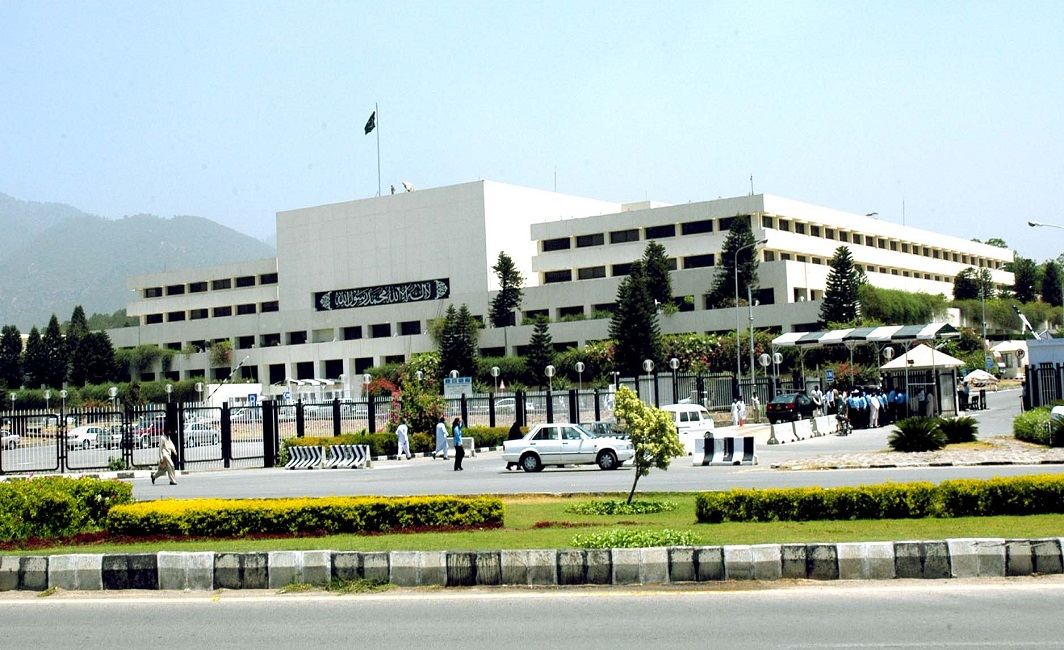
Meanwhile, The News Intentional reports on Sunday from New York that US Secretary of Defense Jim Mattis has called indiscriminate action against terrorists “safe havens” in Pakistan in its own interest and for enduring peace in the region. Mattis is arriving in Islamabad on Monday.
The statement issued in Washington on Saturday, said that US wants progress in Pak-US relations. Mattis began his five-day four-nation tour on Friday. It will take him to Egypt, Jordan, Pakistan and Kuwait.
According to Pakistani media reports, Mattis will meet with PM Shahid Khaqan Abbasi and Chief of Army Staff Gen Qamar Bajwa for the discussion on regional security, peace, Afghan conflict and other bilateral issues.[/vc_column_text][/vc_column][/vc_row]







Latest world news
S Jaishankar says India is a natural option for Russia amid Europe tensions
External Affairs Minister S Jaishankar said India remained a natural option for Russia as Moscow increasingly turned towards Asia amid strained relations with Europe. He highlighted the continuity of India-Russia ties and their significance for the balance of power in Asia.


Latest world news
Putin praises PM Modi, says he has very good ideas on Ukraine war
Russian President Vladimir Putin has praised Prime Minister Narendra Modi for repeatedly raising the need to end the Ukraine war, describing his ideas for a settlement as “very good”.

Latest world news
S Jaishankar calls Pakistan a “serial practitioner of terrorism” at UN
S Jaishankar criticised Pakistan at the UN General Assembly, referring to a “serial practitioner of terrorism” and warning against attempts to normalise terrorism.


CJP leaders Saurav Das, Ashutosh Ranka, Ajinkya Shinde sent to 5-day judicial custody

S Jaishankar says India is a natural option for Russia amid Europe tensions

PM Modi speaks to Mark Carney as India and Canada push to strengthen ties

Meerut murder: Muskaan Rastogi and Sahil Shukla get death sentence

Rahul Gandhi joins India Gate protest by Ankita Bhandari’s parents

Supreme Court questions EC over missing records in Sringeri election dispute
Rahul Gandhi joins India Gate protest by Ankita Bhandari’s parents
Meerut murder: Muskaan Rastogi and Sahil Shukla get death sentence
PM Modi speaks to Mark Carney as India and Canada push to strengthen ties
S Jaishankar says India is a natural option for Russia amid Europe tensions

Afghan Men Try To Hang With The Jet Engine Of The Aircraft in Kabul- Afghanistan News – Kabul News
Trending Top 10 News: 10000 Crore Fine on Flipkart, Apple to Launch Unique Feature, Hdfc Bank Job Ad

Trending Top 10 News: Nokia 6310, Apple sales, Bachpan ka Pyar Video Kid, Dainik Bhaskar IT Raid

Trending Top 10 News: Canada bans Indian flights, Rain in Delhi NCR, AIMIM Twitter hacked, Raj Kundra case

Trending Top 10 News: Shein India, Apple New Service, Pocket Oxygen, Oppo Launched New Phone
-
 India News22 hours ago
CJP leaders Saurav Das, Ashutosh Ranka, Ajinkya Shinde sent to 5-day judicial custody
-
 Latest world news22 hours ago
S Jaishankar says India is a natural option for Russia amid Europe tensions
-
 India News21 hours ago
PM Modi speaks to Mark Carney as India and Canada push to strengthen ties
-
 India News11 hours ago
Meerut murder: Muskaan Rastogi and Sahil Shukla get death sentence
-
 India News10 hours ago
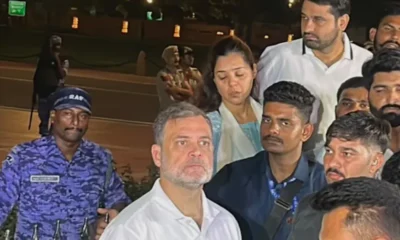
Rahul Gandhi joins India Gate protest by Ankita Bhandari’s parents
-
 India News9 hours ago
Supreme Court questions EC over missing records in Sringeri election dispute
