English हिन्दी
Connect with us

Latest world news

Kabul Wakes Up To Suicide Attack, 24 Killed

Published

on

Kabul Wakes Up To Suicide Attack, 24 Killed
[vc_row][vc_column][vc_column_text]Taliban claims responsibility

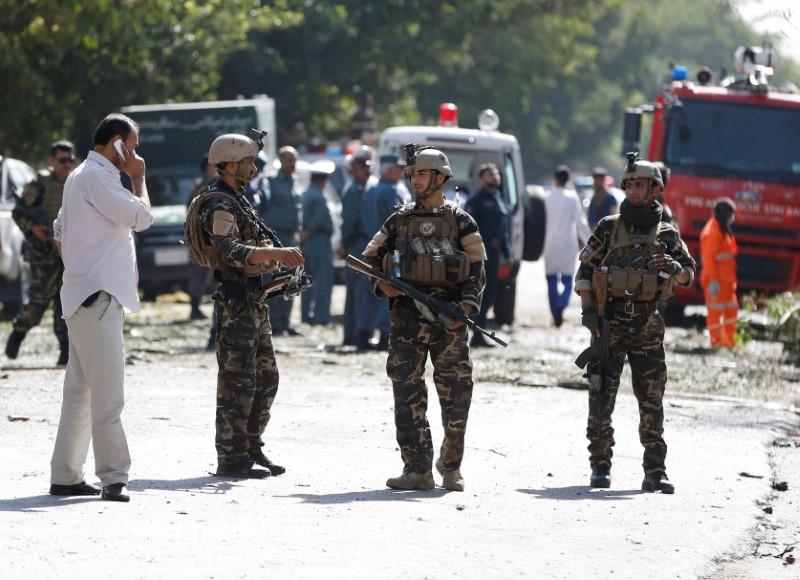
Nearly two dozen people – including several staffers of Afghanistan’s Ministry of Mines and Petroleum – were killed and over 40 injured in a suicide explosion that rocked Kabul during the morning rush hour, on Monday.

Preliminary reports suggest that a suicide car bomb targeted a bus carrying ministry staff. The Taliban issued a statement shortly after the attacks claiming responsibility for the act of terror. According to Reuters, Taliban spokesman Zabihullah Mujahid claimed in a statement that 37 “intelligence workers” had been killed in the attack.[/vc_column_text][/vc_column][/vc_row][vc_row][vc_column][vc_raw_html]JTNDYmxvY2txdW90ZSUyMGNsYXNzJTNEJTIydHdpdHRlci10d2VldCUyMiUyMGRhdGEtbGFuZyUzRCUyMmVuJTIyJTNFJTNDcCUyMGxhbmclM0QlMjJlbiUyMiUyMGRpciUzRCUyMmx0ciUyMiUzRUJvdGglMjBidXNlcyUyMHdlcmUlMjBkZXN0cm95ZWQlMjBieSUyMHBvd2VyZnVsJTIwZXhwbG9zaW9uJTJDJTIwa2lsbGluZyUyMDM3JTIwaW50ZWxsaWdlbmNlJTIwd29ya2Vycy4lM0NiciUzRSUzQ2JyJTNFTk9URSUzQSUyMFRoZXNlJTIwYnVzZXMlMjB3ZXJlJTIwdW5kZXIlMjBzdXJ2ZWlsbGFuY2UlMjBmb3IlMjAyJTIwbW9udGhzJTNDJTJGcCUzRSUyNm1kYXNoJTNCJTIwWmFiaWh1bGxhLU0lMjAlMjglNDBaYWJpaHVsbGFNNCUyOSUyMCUzQ2ElMjBocmVmJTNEJTIyaHR0cHMlM0ElMkYlMkZ0d2l0dGVyLmNvbSUyRlphYmlodWxsYU00JTJGc3RhdHVzJTJGODg5MzU4NDk0NzAwMjczNjY1JTIyJTNFSnVseSUyMDI0JTJDJTIwMjAxNyUzQyUyRmElM0UlM0MlMkZibG9ja3F1b3RlJTNFJTBBJTNDc2NyaXB0JTIwYXN5bmMlMjBzcmMlM0QlMjIlMkYlMkZwbGF0Zm9ybS50d2l0dGVyLmNvbSUyRndpZGdldHMuanMlMjIlMjBjaGFyc2V0JTNEJTIydXRmLTglMjIlM0UlM0MlMkZzY3JpcHQlM0UlMEElMEE=[/vc_raw_html][/vc_column][/vc_row][vc_row][vc_column][vc_column_text]The explosion took place at 7 am, in Kabul’s Dehbori neighborhood, which is home to a large Shia Hazara population – one of Afghanistan’s largest ethnic minorities. The blast site is also close to the residence of Mohammad Mohaqiq, a prominent Afghan politician and deputy government Chief Executive.

Najib Danish, an acting Interior Ministry spokesman said that the death toll could rise as, “The car bomb hit a bus carrying employees of the ministry of mines during rush hour”.

The bus was completely destroyed, along with three other cars and several shops in the area, said Basir Mujahed, chief spokesperson of the Kabul police, while adding that children were among those wounded. “The bomber attacked at one of the busiest times of the day…There were traffic jams en route as people were going to work, schools and the university. Many shops in the locality had just opened,” Mujahed added.

The attack struck Kabul’s Dehbori neighborhood which, along with other parts of Afghanistan’s national capital, was to witness a peaceful demonstration later in the day to commemorate the first anniversary of a suicide bombing that killed 84 people in the same area on July 23 last year and left over 300 wounded.

The July 23 bombing last year had been carried out by the Islamic State of Iraq and the Levant (ISIL, also known as ISIS) and was its first major strike in Afghanistan. The terror outfit has since last year carried out several other devastating attacks across the country that is already ravaged by the excesses of the Taliban and other local warlords.

According to Al Jazeera, Monday’s suicide bombing “adds to the unrelenting violence in Afghanistan, where at least 1,662 civilians have been killed” in just the first half of 2017. A recent UN report too had showed that attacks in Kabul alone have accounted for nearly one-fifth of all civilian Afghan casualties this year.

Earlier on May 31, a major explosion in the Vazir Akbar Khan neighborhood had killed around 150 people. The attack was said to be the deadliest that the country has witnessed since the US led forces ousted the Taliban government in 2001. The neighborhood houses crucial diplomatic missions including those of US, Russia, France and India.

Taliban which is battling the Western backed government and a NATO-led coalition for control of Afghanistan, has launched a wave of attacks around the country in recent days.[/vc_column_text][/vc_column][/vc_row]

Latest world news

Iran strike on Qatar LNG hub raises concerns for India’s energy security

Iran’s missile strike on Qatar’s LNG facility has disrupted global supply chains, posing risks for India’s energy imports and pricing.

Published

on

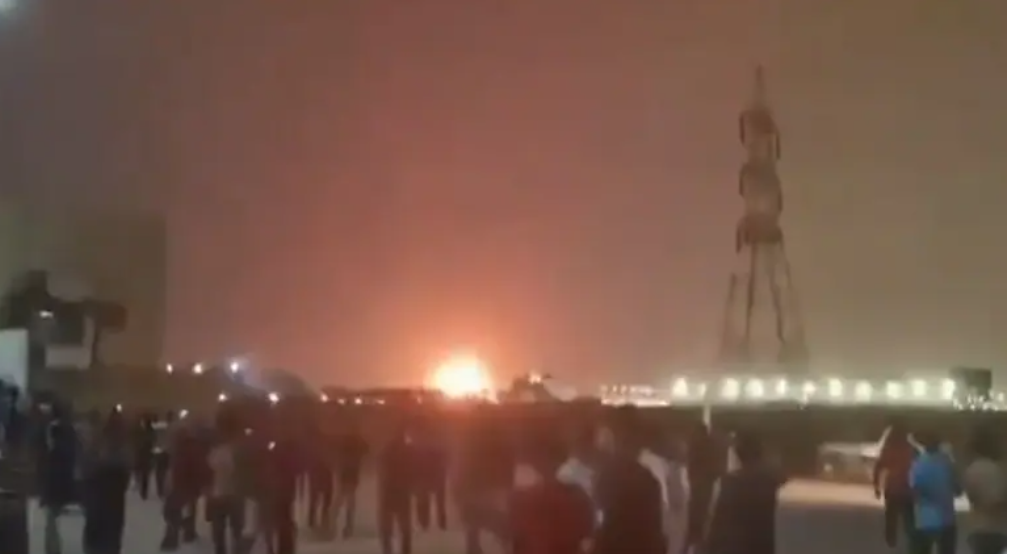
Heightened tensions in the Middle East have begun to ripple across global energy markets after Iran launched a missile strike on Ras Laffan, Qatar’s largest liquefied natural gas (LNG) facility. The attack has intensified fears of prolonged supply disruptions and rising fuel costs, with countries like India expected to feel the impact sharply.

The Gulf region has emerged as the focal point of escalating hostilities, with Iran targeting energy infrastructure and US-linked assets following strikes by the United States and Israel. The latest attack on Qatar’s key LNG hub has reportedly forced a complete halt in production at the facility, which is among the largest of its kind globally.

Qatar is a major LNG exporter and ranks alongside the United States, Australia and Russia in global supply. The disruption is not an isolated incident. Earlier in March, missile strikes on Qatari gas fields had already compelled QatarEnergy to suspend operations temporarily. These developments are linked to retaliatory actions following an Israeli strike on Iran’s South Pars gas field, part of the world’s largest natural gas reserve.

The broader conflict has also affected maritime activity in the Strait of Hormuz, a critical route that carries nearly one-fifth of the world’s oil supply. With rising threats to shipping, tanker movement has slowed significantly, pushing global oil and gas prices higher.

The situation has further escalated with continued strikes and counterstrikes across the region. Reports indicate heavy casualties in Iran, while missile and drone attacks continue to target strategic assets. The conflict, now in its third week, has effectively turned key shipping lanes into high-risk zones, with hundreds of cargo vessels stranded near major Gulf ports.

Impact on India

India is particularly vulnerable to these disruptions due to its reliance on imported natural gas. Around 50 percent of the country’s gas demand is met through imports, with Qatar accounting for a significant share.

According to energy economist Kirit Parikh, India sources roughly 40 percent of its LNG imports from Qatar, translating to about 20 percent of its total gas consumption. Any prolonged disruption could therefore strain domestic supply.

India’s current daily natural gas consumption stands at about 189 million metric standard cubic meters per day (MMSCMD), with nearly half met through domestic production. However, a portion of imported supply—estimated at 47.4 MMSCMD—has already been affected due to force majeure conditions.

In response, state-run gas companies have started sourcing LNG cargoes from alternative suppliers. However, such arrangements are likely to come at higher costs, adding pressure on industries dependent on gas, particularly the power sector.

Experts suggest that if the crisis persists, India may need to rationalise gas consumption, prioritising essential sectors while cutting usage in others.

Continue Reading

Latest world news

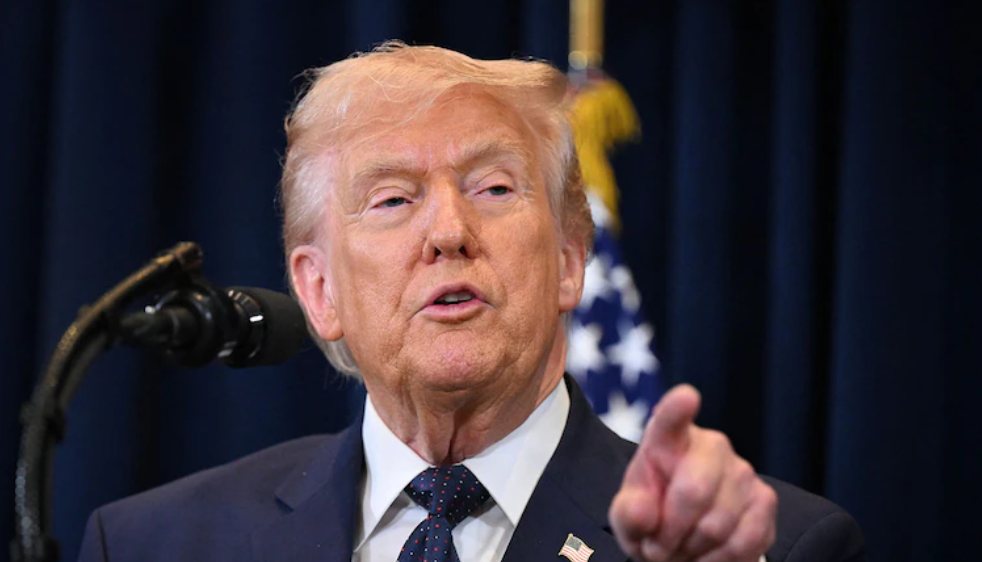
Trump warns of escalation after Iran hits Qatar LNG sites amid Gulf tensions

Trump warns of massive retaliation if Iran targets Qatar again after LNG facility attacks, as Gulf tensions push oil prices higher
Published

on

Donald Trump statement

US President Donald Trump has said Israel will refrain from launching further attacks on Iran’s South Pars gas field unless Tehran chooses to strike Qatar again, amid a sharp escalation in tensions across the Gulf region.

In a statement posted on his Truth Social platform, Trump claimed that Israel’s earlier strike on Iran’s South Pars offshore liquefied natural gas (LNG) field was carried out “out of anger” over the ongoing conflict. He added that the United States had no prior knowledge of the Israeli action.

Trump also emphasised that Qatar had no involvement in the incident. “The United States knew nothing about this particular attack, and the country of Qatar was in no way, shape, or form involved with it,” he said.

According to Trump, Iran responded to the situation without full information and carried out what he described as an “unjustified” attack on Qatar’s LNG infrastructure.

He warned that Israel would not target the South Pars field again unless Iran escalates by attacking Qatar. However, he issued a strong warning that the United States could take direct action if such a scenario unfolds.

“If Qatar’s LNG is again attacked, the United States, with or without the help or consent of Israel, will respond with overwhelming force,” Trump said, while adding that he would prefer to avoid such escalation due to long-term consequences.

Iran strikes Qatar energy facilities

QatarEnergy confirmed that Iranian missile strikes hit LNG facilities in the country, causing fires and significant damage. Emergency teams were deployed to control the situation, and no casualties have been reported so far.

Qatar, one of the world’s leading exporters of natural gas, had already halted production earlier due to the conflict. The latest damage could further delay supply recovery, raising concerns in global energy markets.

Regional tensions widen

The situation intensified after Israel targeted Iran’s South Pars gas field, a major shared energy resource between Iran and Qatar. In retaliation, Iran expanded its strikes across the Gulf region.

Reports indicate that Iranian attacks also targeted gas infrastructure in the United Arab Emirates, including the Habshan facility and Bab field. Authorities described the strikes as a “dangerous escalation,” though operations had been shut down following defensive interceptions.

Qatar has reportedly asked Iranian embassy officials to leave the country within 24 hours, signalling a further deterioration in diplomatic ties.

Oil prices surge amid supply fears

The ongoing conflict has significantly impacted global energy markets. Oil prices rose by around 5 per cent, crossing $108 per barrel, as concerns grew over supply disruptions.

The Strait of Hormuz, a critical shipping route for nearly one-fifth of global oil supply, remains under pressure, contributing to market volatility. Brent crude prices have surged करीब 50 per cent since the conflict began on February 28.

In response to tightening supplies, the US administration has moved to ease certain sanctions on Venezuela, allowing American companies to engage with its state-owned oil sector to stabilise supply.

Continue Reading

Latest world news

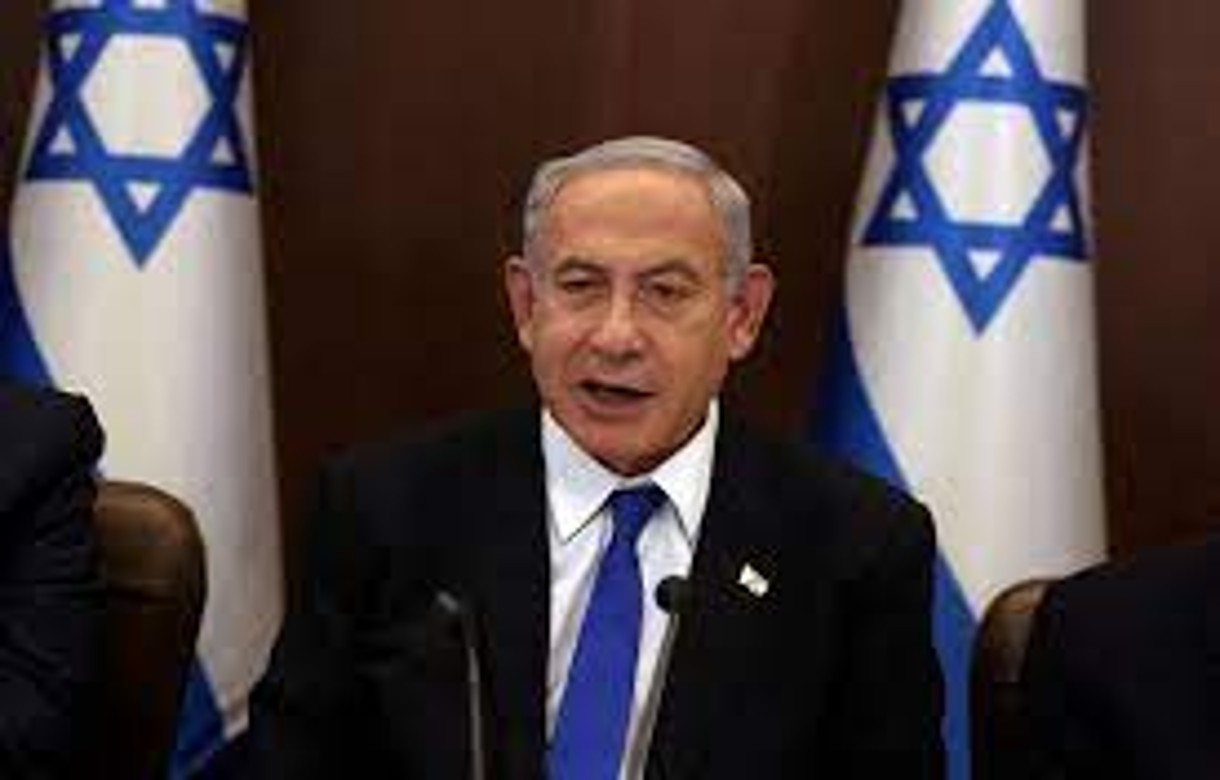
Netanyahu dismisses death rumours in video with US envoy, says I’m alive

Israel PM Benjamin Netanyahu has denied viral claims about his death, appearing in a video with US envoy Mike Huckabee and mocking online conspiracy theories.
Published

on

PM Benjamin Netanyahu

Israeli Prime Minister appears alongside US envoy, addresses conspiracy theories and ongoing conflict remarks

Israel’s Prime Minister Benjamin Netanyahu has publicly dismissed viral rumours about his death, appearing in a fresh video alongside US Ambassador to Israel Mike Huckabee.

The video surfaced after days of speculation online, where misleading posts questioned his absence and circulated claims about altered footage showing him with “six fingers.”

In the clip, Huckabee jokes that US President Donald Trump had asked him to personally check on Netanyahu. Responding with humour, Netanyahu says, “Yes, Mike. Yes, I’m alive.”

Rumours and online claims gain traction

Speculation had intensified across social media as tensions escalated between Israel and Iran.

Some posts claimed Netanyahu had not been seen publicly, while others pointed to a previous video where his hand appeared unusual, fuelling conspiracy theories about manipulated or AI-generated footage.

Remarks on iran conflict

During the interaction, Netanyahu also made comments referencing Israeli strikes, mentioning Iranian figures including Ali Larijani and Basij commander Gholamreza Soleimani.

Using a metaphorical tone, he spoke about “erasing names” from a list, while praising US support and reiterating Israel’s stance against Iran’s nuclear ambitions.

Huckabee responded in a lighter tone, joking that his own name was not on the list, to which Netanyahu replied that he was among the “good guys.”

Earlier video mocked conspiracy

Before releasing this clip, Netanyahu had already addressed the rumours in another video posted online. Sitting at a café, he joked about being “dead for coffee,” using a phrase implying strong liking.

He also directly responded to the “six fingers” claim by showing both hands to the camera and inviting viewers to count his fingers.

The videos appear aimed at countering misinformation circulating online as geopolitical tensions continue in the region.

Continue Reading

Trending

© Copyright 2022 APNLIVE.com