
Latest world news
Microsoft outage: Banks, airports, media outlets face technical disruptions worldwide
A worldwide outage becomes a cause of distress for the economy, travel, and businesses around the world.


The Microsoft outage is causing disruptions in multiple sectors, including flights, the stock market, and banking operations globally. A worldwide outage today becomes a cause of distress for the economy, travel, and businesses around the world.
All the flights have been grounded by world-major airlines like US airline, American Airlines, United and Delta, as specified by the federal aviation administrator in Australia, The world’s most crowded and industrious airport, Sydney Airport, faced its effect weekend on the corner, it became obstacle for many.
According to reports, many people experienced long queues at Australian stores like Woolworths due to payment system failures and difficulties accessing financial institutions such as the National Australia Bank.
Over 200 flights have been cancelled by the Indian aviation system indigo alone called off 192 flights yet. CrowdStrike, a cybersecurity firm serving various industries, experienced outages across parts of the world on Friday morning, disrupting news broadcasts and grounding flights.
An outage from Microsoft had far-reaching effects, including major disruptions to air travel. Challenges in operations were faced by prominent airlines like Akasa, IndiGo, Air India, Vistara, and SpiceJet in India. Furthermore, Frontier Airlines, Allegiant, and SunCountry, among other low-cost carriers in the US, faced service-related problems.
Indian Computer Emergency Response Team (CERT-In) issues advisory in the wake of Microsoft Windows outage.

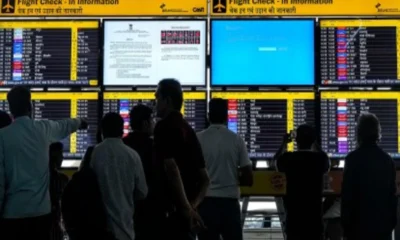
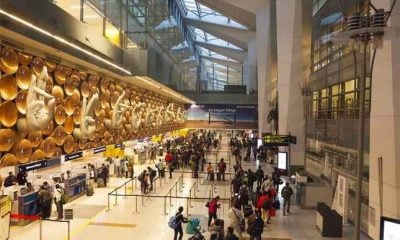
The Delhi airport reported that some of its services were affected due to a global IT issue. They are working closely with all stakeholders to minimize the inconvenience to travellers. Passengers are advised to contact their airline or the ground help desk for updated flight information. The airport regrets the inconvenience caused to passengers.
Earlier in the day, Union Minister Ashwini Vaishnaw said that MEITY is in touch with Microsoft and its associates regarding the global outage. The reason for this outage has been identified and updates have been released to resolve the issue. CERT is issuing a technical advisory. NIC network is not affected, he said in a post on X.

The airline company, Air India, issued a customer advisory and said that their digital systems have been impacted temporarily due to the current Microsoft outage resulting in delays. They regretted the inconvenience caused and requested their guests to plan their travel accordingly.

Similarly, Vistara also issued an advisory and informed their customer about the outage saying, they are experiencing technical challenges across various aspects of their operations due to a global outage at our service provider’s end. They said that they are working with them to resolve the issue as quickly as possible.

Foreign airlines that have been affected are American Airlines, Delta Airlines, United Airlines, Frontier Airlines, Allegiant, Sun Country Airlines, Ryan Air, Air France, Cathay Pacific, Eurowings, KLM, Scandinavian Airlines, and Vueling among others.
Airports that have been affected include New Delhi, Chennai, Bengaluru, Mumbai, Hyderabad, Jaipur, Berlin, Prague, Amsterdam, Madrid, and Barcelona.







Latest world news
S Jaishankar says India is a natural option for Russia amid Europe tensions
External Affairs Minister S Jaishankar said India remained a natural option for Russia as Moscow increasingly turned towards Asia amid strained relations with Europe. He highlighted the continuity of India-Russia ties and their significance for the balance of power in Asia.


Latest world news
Putin praises PM Modi, says he has very good ideas on Ukraine war
Russian President Vladimir Putin has praised Prime Minister Narendra Modi for repeatedly raising the need to end the Ukraine war, describing his ideas for a settlement as “very good”.

Latest world news
S Jaishankar calls Pakistan a “serial practitioner of terrorism” at UN
S Jaishankar criticised Pakistan at the UN General Assembly, referring to a “serial practitioner of terrorism” and warning against attempts to normalise terrorism.

Meerut murder: Muskaan Rastogi and Sahil Shukla get death sentence

Rahul Gandhi joins India Gate protest by Ankita Bhandari’s parents

Supreme Court questions EC over missing records in Sringeri election dispute

Dhruv Rathee gets fresh summons in 2018 BJP IT cell video case

Nobody can browbeat judiciary, Chief Justice warns over Rahul Gandhi’s march
Nobody can browbeat judiciary, Chief Justice warns over Rahul Gandhi’s march
Dhruv Rathee gets fresh summons in 2018 BJP IT cell video case
Supreme Court questions EC over missing records in Sringeri election dispute
Rahul Gandhi joins India Gate protest by Ankita Bhandari’s parents
Meerut murder: Muskaan Rastogi and Sahil Shukla get death sentence

Afghan Men Try To Hang With The Jet Engine Of The Aircraft in Kabul- Afghanistan News – Kabul News
Trending Top 10 News: 10000 Crore Fine on Flipkart, Apple to Launch Unique Feature, Hdfc Bank Job Ad

Trending Top 10 News: Nokia 6310, Apple sales, Bachpan ka Pyar Video Kid, Dainik Bhaskar IT Raid

Trending Top 10 News: Canada bans Indian flights, Rain in Delhi NCR, AIMIM Twitter hacked, Raj Kundra case

Trending Top 10 News: Shein India, Apple New Service, Pocket Oxygen, Oppo Launched New Phone
-
 India News19 hours ago
Meerut murder: Muskaan Rastogi and Sahil Shukla get death sentence
-
 India News18 hours ago
Rahul Gandhi joins India Gate protest by Ankita Bhandari’s parents
-
 India News18 hours ago
Supreme Court questions EC over missing records in Sringeri election dispute
-
 India News6 hours ago
Dhruv Rathee gets fresh summons in 2018 BJP IT cell video case
-
 India News2 hours ago
Nobody can browbeat judiciary, Chief Justice warns over Rahul Gandhi’s march
