
English हिन्दी
Connect with us

Latest world news

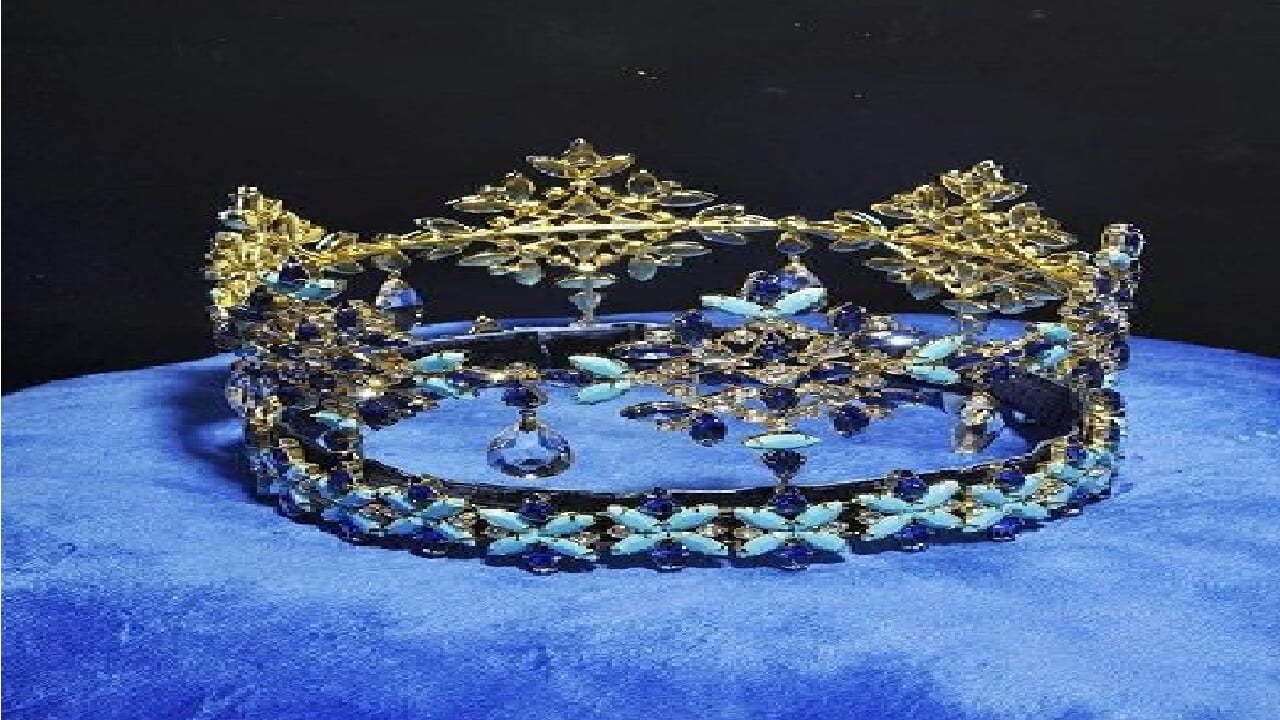
Miss World 2021 temporarily postponed after contestants test positive for Covid 19

However, the finale, which was scheduled to take place on Thursday in Puerto Rico, will now be rescheduled within the next 90 days.

Published

on

The finale of the Miss World 2021 beauty pageant has been temporarily postponed after numbers of contestants test positive for Covid 19, including Miss India World 2021 Manasa Varanasi, who is representing India in the Miss World 2021 in Puerto Rico on Thursday night.

As per the press release of Miss World 2021, the mega beauty competition has been postponed ‘temporarily’ due to the health and safety interests of all contestants, staff, crew and the general public. However, the finale, which was scheduled to take place on Thursday in Puerto Rico, will now be rescheduled within the next 90 days.

The Miss World 2021 beauty pageant was cancelled after having a meeting with health officials who were hired to oversee the mega event and discussing it with the Puerto Rican Health Department. As of now, every precautionary safety measure was taken and implemented in the best interests of the contestants, production team and public. After having a number of confirmed covid cases, the decision to postpone Miss World 2021 was made.

Read Also: LIVE Top News Today: Bhutan confers PM Modi with Ngadag Pel gi Khorlo, country’s highest civilian award

This year Manasa Varanasi is representing India at the 70th Miss World pageant. Belonging from Telangana, Manasa was crowned Miss India 2020 and was also named Miss Ramp Walk.

Miss World 2021 contestants list

  1. Amela Agastra, 18, Albania
  2. Ruth Carlos, 24, Angola
  3. Amira Hidalgo, 23, Argentina
  4. Mirna Bzdigian, 19, Armenia
  5. Sienna Evans, 24, Bahamas
  6. Celine Van Ouytsel, 25, Belgium
  7. Markeisha Young, 21, Belize
  8. Alondra Mercado, 19, Bolivia
  9. Adna Biber, 19, Bosnia and Herzegovina
  10. Palesa Molefe, 22, Botswana
  11. Caroline Teixeira, 23, Brazil
  12. Eva Dobreva, 21, Bulgaria
  13. Phum Sophorn, 19, Cambodia
  14. Audrey Monkam, 24, Cameroon
  15. Svetlana Mamaeva, 21, Canada
  16. Rashana Hydes, 24, Cayman Islands
  17. Carol Drpic, 21, Chile
  18. Jiang Siqi, 21, China
  19. Andrea Aguilera Arroyave, 23, Colombia
  20. Tamara Dal Maso, 23, Costa Rica
  21. Olivia Yace, 23, Cote d’Ivoire
  22. Alvinette Soliana, 20, Curacao
  23. Karolina Kopincova, 22, Czech Republic
  24. Emmy Peña, 24, Dominican Republic
  25. Amar Pachero, 24, Ecuador
  26. Nicole Alvarez, 27, El Salvador
  27. Rehema Muthamia, 25, England
  28. Lucila Benita, 21, Equatorial Guinea
  29. Karolin Kippasto, 24, Estonia
  30. Emilia Lepomäki, 23, Finland
  31. April Benayoum, 22, France
  32. Monique Mawulawe Agbedekpui, 20, Ghana
  33. Janice Sampere, 23, Gibraltar
  34. Prescilla Larose, 22, Guadeloupe
  35. Nene Bah, 24, Guinea
  36. Itchacénia Da Costa, 21, Guinea-Bissau
  37. Erlande Berger, 24, Haiti
  38. Dayana Bordas, 24, Honduras
  39. Lili Totpeti, 20, Hungary
  40. Hugrun Birta Egilsdottir, 22, Iceland
  41. Manasa Varanasi, 24, India
  42. Carla Yules, 25, Indonesia
  43. Maria Frhad Salem, 20, Iraq
  44. Pamela Uba, 25, Ireland
  45. Claudia Motta, 21, Italy
  46. Khalia Hall, 25, Jamaica
  47. Tamaki Hoshi, 18, Japan
  48. Sharon Obara, 19, Kenya
  49. Emilie Boland, 25, Luxembourg
  50. Jiani Yuan, 28, Macau
  51. Nellie Anjaratiana, 24, Madagascar
  52. Lavanya Sivaji, 25, Malaysia
  53. Naomi Dingli, 26, Malta
  54. Angélique Sanson, 25, Mauritius
  55. Karolina Vidales Valdovinos, 24, Mexico
  56. Tatiana Ovcinicova, 23, Moldova
  57. Burte-Ujin Anu, 23, Mongolia
  58. Annerie Maré, 26, Namibia
  59. Namrata Shrestha, 24, Nepal
  60. Lizzy Dobbe, 21, Netherlands
  61. Sheynnis Palacios, 21, Nicaragua
  62. Oluchi Madubuike, 25, Nigeria
  63. Anna Leitch, 27, Northern Ireland
  64. Amine Storrød, 21, Norway
  65. Krysthelle Barretto, 25, Panama
  66. Bethania Borba, 20, Paraguay
  67. Paula Montes Pastor, 25, Peru
  68. Tracy Maureen Perez. 28, Philippines
  69. Karolina Bielawska, 21, Poland
  70. Lidy Andrade Alves, 25, Portugal
  71. Aryam Díaz Rosado, 23, Puerto Rico
  72. Naomie Nishimwe, 22, Rwanda
  73. Tyler Theophane, 23, Saint Lucia
  74. Claudia Todd, 25, Scotland
  75. Penda Sy, 24, Senegal
  76. Andrijana Savić, 21, Serbia
  77. Khai Ling Ho, 18, Singapore
  78. Lara Mateo, 24, Sint Maarten
  79. Leona Novoberdaliu, 25, Slovakia
  80. Maja Čolic, 21, Slovenia
  81. Khadija Omar, 20, Somalia
  82. Shudufhadzo Musida, 25, South Africa
  83. Tara Hong, 21, South Korea
  84. Ana Garcia, 23, Spain
  85. Sadé Greenwood, 18, Sri Lanka
  86. Gabriella Lomm Mann, 26, Sweden
  87. Juliana Rugumisa, 23, Tanzania
  88. Jeanine Brandt, 25, Trinidad and Tobago
  89. Amani Layouni, 22, Tunisia
  90. Dilara Korkmaz, 23, Turkey
  91. Elizabeth Bagaya, 26, Uganda
  92. Aleksandra Yaremchuk, 22, Ukraine
  93. Shree Saini, 25, United States
  94. Valentina Camejo, 23, Uruguay
  95. Alejandra Conde, 24, Venezuela
  96. Do Thi Ha, 20, Vietnam
  97. Olivia Harris, 18, Wales
  98. Manasa Varansi, India
  99. Shree Saini, America

Latest world news

Trump says Iran getting more serious in talks, no decision yet on major strikes

Donald Trump says Iran is becoming more serious in negotiations with the US but insists no decision has been taken on launching major military strikes against Tehran.

Published

on

Donald Trump

US President Donald Trump has said he has not yet decided whether to authorise major military strikes against Iran, stating that Tehran has become “more serious” in its negotiations with Washington even as tensions between the two countries remain high.

Speaking to reporters in the Oval Office on Friday, Trump said discussions with Iran were continuing and suggested diplomatic efforts were showing signs of progress.

“We’re talking to them right now. I think they’re getting more and more serious as the days go by,” Trump said, adding that no final decision had been taken on launching military action.

Trump says diplomacy remains an option

Trump said the United States remained prepared for military action if required but indicated that ongoing talks could still lead to an agreement.

“We’re locked and loaded and ready to go. But we’re talking to them, so I think while we’re talking, we’ll see what comes of it. I believe they’re very serious. They should be,” he said.

The US President also warned that Iran would face a “much higher level” of strikes if negotiations failed, while reiterating that preventing Tehran from developing a nuclear weapon remained his key red line.

The United States has said its military operations are aimed at preventing Iran from closing the strategically important Strait of Hormuz. Iran, meanwhile, has carried out retaliatory strikes on US bases, with four American service members reported killed.

Reports claim Trump discussed large-scale military operation

Trump’s remarks came after media reports suggested he met senior advisers to discuss the possibility of a large-scale military operation against Iran. Another report said he was considering a “massive attack”, although Trump did not confirm those reports during his interaction with journalists.

He also acknowledged that the prolonged conflict, which he had earlier expected to last only a few weeks, was approaching its fifth month and had become a political challenge ahead of the US midterm elections scheduled for November.

Trump issues warning over support for Iran

Trump also addressed reports claiming that Russia and China were providing intelligence or military support to Iran. He said both Chinese President Xi Jinping and Russian President Vladimir Putin had assured him they would not arm Tehran.

“I think they wouldn’t want to have me disappointed,” Trump said.

In a separate post on his Truth Social platform, Trump warned Moscow and Beijing against supplying weapons to Iran, saying such a move would not be in their interests.

He further stated that Xi had assured him during their meeting in Beijing in May that China would not provide weapons to Iran, while Putin had conveyed a similar position despite the ongoing war in Ukraine.

Continue Reading

India News

For second time, US strikes ship with Indian crew near Strait of Hormuz

Published

on

By

Strait of Hormuz

The United States Central Command (CENTCOM) has said that an oil tanker carrying Indian crew was drifting with its engine switched off near the Strait of Hormuz before it was struck by US forces.

A CENTCOM spokesperson said the vessel had stopped due to engine failure and was drifting after its crew repeatedly sought additional time to carry out repairs. US officials said the tanker was struck only after it failed to comply with directives issued by US forces enforcing a blockade on vessels allegedly transporting Iranian oil. The military said the strike was aimed at disabling the ship by targeting its engine room rather than sinking it.

The incident involved a tanker carrying Indian seafarers near the Gulf of Oman, close to the Strait of Hormuz, one of the world’s busiest maritime trade routes. The strike triggered a fire onboard, prompting rescue efforts by Omani authorities and maritime agencies. Indian authorities closely monitored the situation and coordinated with local officials regarding the welfare of the crew members.

The incident has drawn concern in India, with the government emphasising the safety of Indian nationals working aboard commercial vessels in the conflict-hit region. The Ministry of External Affairs has remained in touch with the authorities concerned as tensions between the United States and Iran continue to pose risks to international shipping.

In June, three Indian sailors were killed in a US strike on another oil tanker. The Strait of Hormuz handles a significant share of the word’s oil trade, and the latest incident has renewed concerns over the security of merchant vessels operating in the region. Maritime experts have warned that escalating hostilities could further disrupt commercial shipping and endanger civilian crews navigating one of the world’s most strategically important waterways.

Continue Reading

Latest world news

Trump announces phased tariff of up to 200% on generic drug imports, India may face impact

US President Donald Trump has announced a phased tariff plan on imported generic medicines, raising duties to 200% after three years, a move that could affect India’s pharmaceutical exports.

Published

on

Donald Trump

The United States has announced a phased tariff plan for imported generic medicines that could have implications for pharmaceutical exporters, including India. US President Donald Trump said the policy is intended to encourage companies to shift generic drug manufacturing to the United States by imposing steep tariffs after a two-year transition period.

The announcement is particularly important for India, one of the world’s largest suppliers of affordable generic medicines and a major exporter to the US market.

Trump outlines phased tariff plan

In a post on his Truth Social platform, President Trump said the new policy will take effect from August 1, 2026. Under the plan, imported generic medicines will continue to attract zero tariffs for the first two years.

Beginning in the third year, the tariff will increase to 100%, before rising further to 200% thereafter.

Trump said the measure is designed to encourage pharmaceutical companies to establish manufacturing facilities in the United States instead of relying on imports.

He added that companies choosing not to invest in US-based production during the transition period would face the higher tariff rates. According to Trump, the existing policy governing patented, branded and innovative medicines will remain unchanged.

Why India could be affected

India is widely regarded as the “pharmacy of the world” because of its large-scale production and export of generic medicines.

Indian generic drugs account for nearly 40% of the US generic medicine market by volume. According to a Global Trade Research Initiative (GTRI) report, India exported pharmaceutical products worth USD 9.7 billion to the United States during the 2024-25 financial year, representing around 38% of the country’s total pharmaceutical exports of USD 25.8 billion.

However, the immediate impact of the newly announced tariff policy on Indian pharmaceutical companies remains uncertain.

Existing trade agreement and industry concerns

India and the United States struck a trade pact in February that states India would receive negotiated outcomes regarding generic pharmaceuticals and pharmaceutical ingredients.

Despite that provision, previous tariff threats by Trump had already raised concerns within the pharmaceutical industry over the future of affordable medicine exports from India.

Indian pharmaceutical companies supply a wide range of generic medicines used to treat conditions including hypertension, diabetes, depression, cancer, infectious diseases and mental health disorders.

According to a Financial Post report cited in the source material, around 65% of birth control pill prescriptions in the United States during 2024 were manufactured by two India-based companies — Glenmark Pharmaceuticals Ltd. and Lupin Ltd.

Continue Reading

Trending

© Copyright 2022 APNLIVE.com













