
Latest world news
Pakistan Supports UN for Rejecting Indian Stance On Kashmir Report


Continuing its anti-India stance, Pakistan has supported the United Nations’ (UN) dismissal of Indian allegations against its report on the poor human rights situation in Kashmir on Wednesday.
According to Dawn, Mohammad Faisal, the foreign office spokesperson supported the UN’s stance and reiterated the UN’s stance against Indian allegations, saying, “India failed to address the very serious concerns raised by OHCHR #Kashmir about the grave human rights situation in IOK.”
Pakistan considers Kashmir as Indian Occupied Kashmir (IOK) in retaliation to India calling the other side as Pakistan Occupied Kashmir (POK). However, Pakistan calls Kashmir under its occupation as “Azad Kashmir” (the free Kashmir) while India calls the whole Kashmir as its integral part.
Read More: India hits back Pakistan Kashmir “rights violations” claims
Faisal added that Pakistan welcomes the establishment of a UN-proposed Commission of Inquiry ─ the highest level of probe under the UN system ─ “for international investigation into human rights violations” in both sides of Kashmir.
UN Office of the High Commissioner for Human Rights in a press release issued on Tuesday responded to India’s allegations against the report, saying that the report had been developed through remote monitoring, after Indian and Pakistani authorities did not grant them unconditional access to the region.
The press release further said that the report contains 388 footnotes that list the sources used in its compilation. “Since the report was published, we have been deeply disappointed by the reaction of the Indian authorities, who dismissed the report as ‘fallacious, tendentious and motivated’ without examining it and responding to the very serious concerns about the human rights situation.”
Read More: Pakistan PM targets India at UN over “systematic human rights violations in Kashmir”
India’s Ministry of External Affairs while rejecting the report, described it as “fallacious, tendentious and motivated”, and questioned the intent in releasing such a report. It was also said to have violated India’s sovereignty and territorial integrity.
The first-ever UN report on alleged rights violations committed by both India and Pakistan in Kashmir, released last month, focused mainly on Indian side of Kashmir and accused Indian forces of being responsible for unlawful killings.
Read More: Pakistan asks India: Resolve Kashmir issue for normalizing ties
The report came up once again at a UN Security council session on Children and Armed Conflict on Tuesday last when Pakistan’s permanent representative to the UN Maleeha Lodhi made a reference to it.

This was repulsed by India’s deputy representative to the UN Tanmaya Lal who reiterated the Indian Foreign Ministry’s stance. He said the “so called” report reflects the “clear bias of an official who was acting without any mandate whatsoever and relied on unverified sources of information.”






Latest world news
Magnitude 7 earthquake strikes Tibet after floods
A magnitude 7 earthquake struck northern Tibet on Thursday, October 22. The tremor came weeks after deadly flash floods and landslides hit the mountainous region near the Nepal-China border. Initial reports did not confirm casualties or damage from the earthquake.


Latest world news
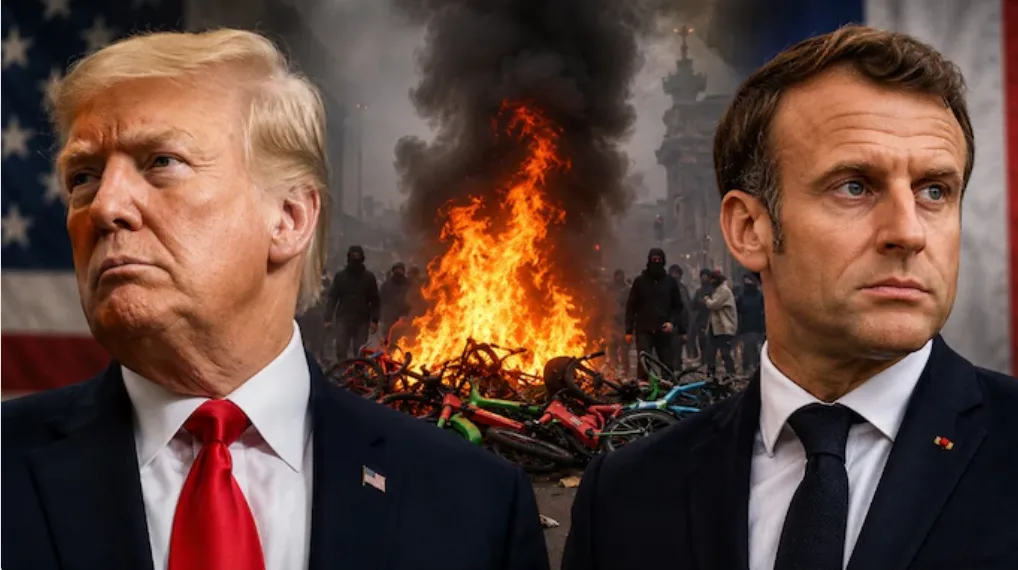
Macron rejects Trump’s immigration claims over France riots
French President Emmanuel Macron criticised Donald Trump and other foreign leaders over their comments on France’s recent unrest. Macron rejected claims that the country was being overrun by migrants and Islamists, calling such assertions false.
Latest world news
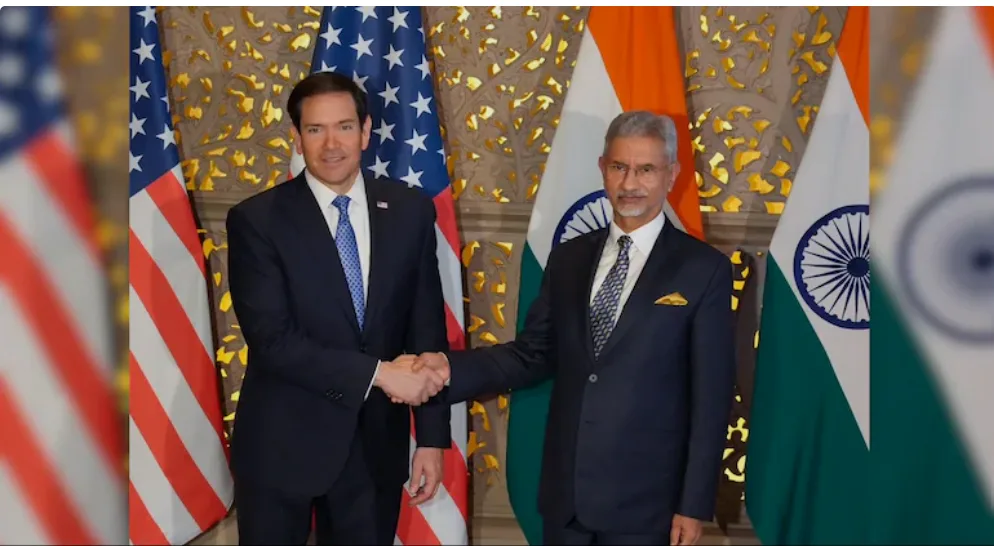
Marco Rubio says India and US share extraordinary alignment on key issues
US Secretary of State Marco Rubio said India and the United States share an extraordinary alignment on core issues, even though disagreements between the two countries may arise.

Magnitude 7 earthquake strikes Tibet after floods

Yogi Government cites Rs.15,233 crore seizures in UP gangster crackdown

PM Modi attacks Rahul Gandhi with failed product jibe

Amit Shah says congress won’t return to power for 30 years

Punjab strike hits public services as 3 lakh employees and roadways workers protest

Two election commissioners complained against senior poll officer, RTI reveals
Punjab strike hits public services as 3 lakh employees and roadways workers protest
Amit Shah says congress won’t return to power for 30 years
Magnitude 7 earthquake strikes Tibet after floods
PM Modi attacks Rahul Gandhi with failed product jibe

Afghan Men Try To Hang With The Jet Engine Of The Aircraft in Kabul- Afghanistan News – Kabul News
Trending Top 10 News: 10000 Crore Fine on Flipkart, Apple to Launch Unique Feature, Hdfc Bank Job Ad

Trending Top 10 News: Nokia 6310, Apple sales, Bachpan ka Pyar Video Kid, Dainik Bhaskar IT Raid

Trending Top 10 News: Canada bans Indian flights, Rain in Delhi NCR, AIMIM Twitter hacked, Raj Kundra case

Trending Top 10 News: Shein India, Apple New Service, Pocket Oxygen, Oppo Launched New Phone
-
 Latest world news19 hours ago
Magnitude 7 earthquake strikes Tibet after floods
-
 India News22 hours ago
Yogi Government cites Rs.15,233 crore seizures in UP gangster crackdown
-
 India News19 hours ago
PM Modi attacks Rahul Gandhi with failed product jibe
-
 India News18 hours ago
Amit Shah says congress won’t return to power for 30 years
-
 India News7 hours ago
Punjab strike hits public services as 3 lakh employees and roadways workers protest
-
 India News7 hours ago
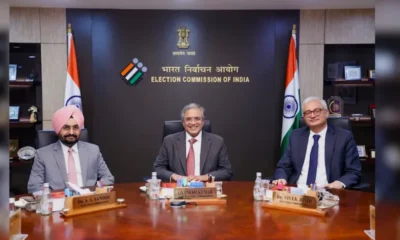
Two election commissioners complained against senior poll officer, RTI reveals
