
Latest world news
Knesset Pass Controversial Jewish Nation-State Bill


Arabs made second class citizens
In a major development, Israeli parliament has adopted the controversial Jewish nation-state bill converting into 14th Basic Law early Thursday morning. The Knesset passed the bill by a vote of 62 in favor, 55 against and two abstentions.
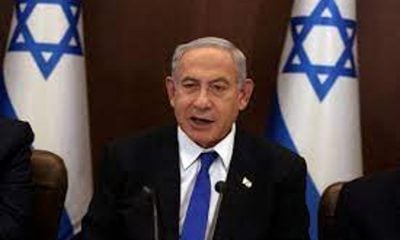
According to Jerusalem Post, Prime Minister Benjamin Netanyahu applauded the vote and described the law as “a defining moment in the history of Zionism and the history of State of Israel.”
Addressing the parliamentarians from the Knesset podium, Netanyahu said, “122 years after Herzl published his vision, we have stated by law the basic principle of our existence”.
Read More: Israeli missiles strike Damascus, US airlifts Daesh terrorists
M K Amir Ohana, the head of the special committee that legislated the bill said that it could be the most important legislation in the history of the state. He said the bill had been discussed more than any of the basic laws that have been passed before.
The law’s sponsor Avi Dichter, who is also the chairman of the Knesset foreign affairs and defense committee, while addressing Arab Members of Knesset before voting, said, “We were here before you, and we will be here after you.” However, he said their rights as minorities would not be harmed by the new law.
The new legislation makes Hebrew the country’s national language and defines the establishment of Jewish communities as being the national interest. It also strips Arabic of its status as in official language and downgraded it to a “special status” enabling its continued use in the Israeli institutions.
Read More:Israel to connect Saudi Arabia with rail transport
The law stipulates that “Israel is the historic homeland of the Jewish people and they have an exclusive right to national self-determination in it”. It also states that an undivided Jerusalem is the capital of Israel.
The Israeli parliament has passed the controversial bill after months of US President Donald Trump recognized Jerusalem as Israel’s capital and moved embassy from Tel Aviv to the holy city. The move, welcomed by Israel, was condemned worldwide.
Ayman Odeh, the head of Arab Joint List, said in a statement, “it has passed a law of Jewish supremacy and told us that we will always be second class citizens.” Ahmed Tibi, another Arab lawmaker said, “I announce with shock and sorrow the death of democracy.”

Hassan Jabareen, director general of Adalah, the legal centre for Arab minority rights, has called the law a bid to advance “ethnic superiority by promoting racist policies. The Jewish nation-state law features key elements of apartheid, which is not only immoral but also absolutely prohibited under international law.”
Palestinian citizens of Israel number some 1.8 million, about 20 percent of the 9 million population of the country.
On Saturday last, some 7000 people took to the streets of Tel Aviv to protest against the controversial bill declaring Israel exclusively “the nation state4 of the Jewish people”. Several politicians, social activists, public figures and lawmakers took part to condemn the discriminatory nature of the measure.











Latest world news
Magnitude 7 earthquake strikes Tibet after floods
A magnitude 7 earthquake struck northern Tibet on Thursday, October 22. The tremor came weeks after deadly flash floods and landslides hit the mountainous region near the Nepal-China border. Initial reports did not confirm casualties or damage from the earthquake.


Latest world news
Macron rejects Trump’s immigration claims over France riots
French President Emmanuel Macron criticised Donald Trump and other foreign leaders over their comments on France’s recent unrest. Macron rejected claims that the country was being overrun by migrants and Islamists, calling such assertions false.

Latest world news
Marco Rubio says India and US share extraordinary alignment on key issues
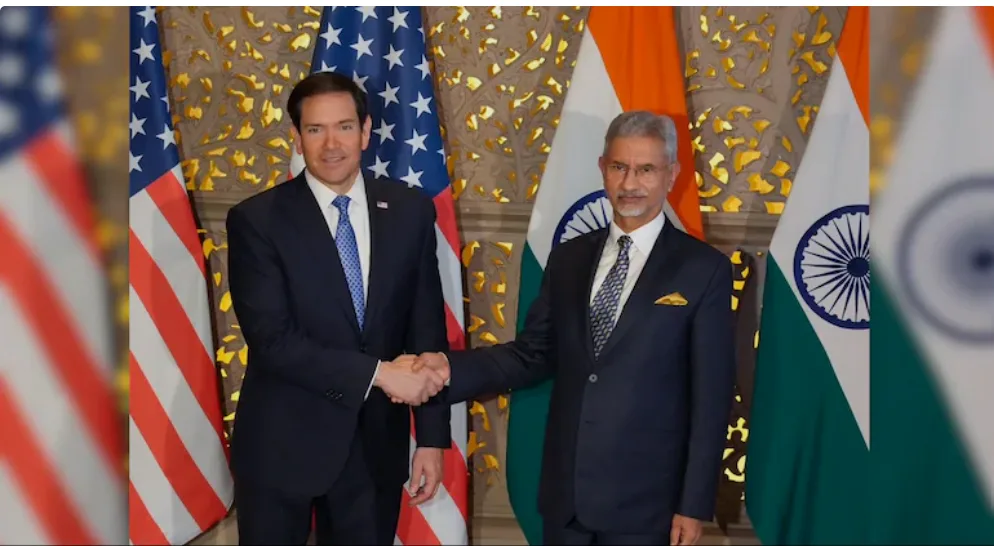
US Secretary of State Marco Rubio said India and the United States share an extraordinary alignment on core issues, even though disagreements between the two countries may arise.

Magnitude 7 earthquake strikes Tibet after floods

Yogi Government cites Rs.15,233 crore seizures in UP gangster crackdown

PM Modi attacks Rahul Gandhi with failed product jibe

Amit Shah says congress won’t return to power for 30 years

Punjab strike hits public services as 3 lakh employees and roadways workers protest

Two election commissioners complained against senior poll officer, RTI reveals
Punjab strike hits public services as 3 lakh employees and roadways workers protest
Amit Shah says congress won’t return to power for 30 years
Magnitude 7 earthquake strikes Tibet after floods
PM Modi attacks Rahul Gandhi with failed product jibe

Afghan Men Try To Hang With The Jet Engine Of The Aircraft in Kabul- Afghanistan News – Kabul News
Trending Top 10 News: 10000 Crore Fine on Flipkart, Apple to Launch Unique Feature, Hdfc Bank Job Ad

Trending Top 10 News: Nokia 6310, Apple sales, Bachpan ka Pyar Video Kid, Dainik Bhaskar IT Raid

Trending Top 10 News: Canada bans Indian flights, Rain in Delhi NCR, AIMIM Twitter hacked, Raj Kundra case

Trending Top 10 News: Shein India, Apple New Service, Pocket Oxygen, Oppo Launched New Phone
-
 Latest world news19 hours ago
Magnitude 7 earthquake strikes Tibet after floods
-
 India News22 hours ago
Yogi Government cites Rs.15,233 crore seizures in UP gangster crackdown
-
 India News19 hours ago
PM Modi attacks Rahul Gandhi with failed product jibe
-
 India News18 hours ago
Amit Shah says congress won’t return to power for 30 years
-
 India News7 hours ago
Punjab strike hits public services as 3 lakh employees and roadways workers protest
-
 India News7 hours ago
Two election commissioners complained against senior poll officer, RTI reveals
