
Latest world news
Prime Minister Raises Nation’s Hope, Assures Progress


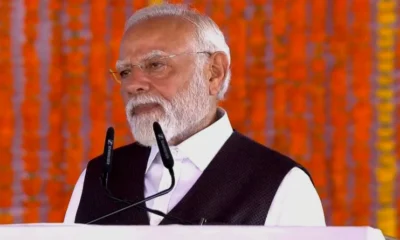
[vc_row][vc_column][vc_column_text]Narendra Modi addresses the Nation on 72nd Independence Day
Prime Minister Narendra Modi has announced that India will launch its first manned space mission by 2022, which would enable it to join as fourth nation after the United States, Russia and China reaching the prestigious position.
While addressing the nation on the occasion of 72nd Independence Day from the rampart of Red Fort, Prime Minister Narendra Modi hailed six women officers of the Indian Navy, who circumnavigated the globe recently.
This was his fifth speech after the Bharatiya Janata Party-led National Democratic Alliance came to power in 2014. He will be able to address from here next year if re-elected to form the next government.[/vc_column_text][vc_raw_html]JTNDYmxvY2txdW90ZSUyMGNsYXNzJTNEJTIydHdpdHRlci10d2VldCUyMiUyMGRhdGEtbGFuZyUzRCUyMmVuJTIyJTNFJTNDcCUyMGxhbmclM0QlMjJlbiUyMiUyMGRpciUzRCUyMmx0ciUyMiUzRU9uY2UlMjBhZ2FpbiUyQyUyMEklMjBjb252ZXklMjBteSUyMGdyZWV0aW5ncyUyMHRvJTIwdGhlJTIwcGVvcGxlJTIwb2YlMjBJbmRpYSUyMG9uJTIwSW5kZXBlbmRlbmNlJTIwRGF5JTNBJTIwUE0lMjAlM0NhJTIwaHJlZiUzRCUyMmh0dHBzJTNBJTJGJTJGdHdpdHRlci5jb20lMkZuYXJlbmRyYW1vZGklM0ZyZWZfc3JjJTNEdHdzcmMlMjU1RXRmdyUyMiUzRSU0MG5hcmVuZHJhbW9kaSUzQyUyRmElM0UlMjAlM0NhJTIwaHJlZiUzRCUyMmh0dHBzJTNBJTJGJTJGdHdpdHRlci5jb20lMkZoYXNodGFnJTJGSW5kZXBlbmRlbmNlRGF5SW5kaWElM0ZzcmMlM0RoYXNoJTI2YW1wJTNCcmVmX3NyYyUzRHR3c3JjJTI1NUV0ZnclMjIlM0UlMjNJbmRlcGVuZGVuY2VEYXlJbmRpYSUzQyUyRmElM0UlM0MlMkZwJTNFJTI2bWRhc2glM0IlMjBQTU8lMjBJbmRpYSUyMCUyOCU0MFBNT0luZGlhJTI5JTIwJTNDYSUyMGhyZWYlM0QlMjJodHRwcyUzQSUyRiUyRnR3aXR0ZXIuY29tJTJGUE1PSW5kaWElMkZzdGF0dXMlMkYxMDI5NTY5OTM5NjA5NDY0ODMyJTNGcmVmX3NyYyUzRHR3c3JjJTI1NUV0ZnclMjIlM0VBdWd1c3QlMjAxNSUyQyUyMDIwMTglM0MlMkZhJTNFJTNDJTJGYmxvY2txdW90ZSUzRSUwQSUzQ3NjcmlwdCUyMGFzeW5jJTIwc3JjJTNEJTIyaHR0cHMlM0ElMkYlMkZwbGF0Zm9ybS50d2l0dGVyLmNvbSUyRndpZGdldHMuanMlMjIlMjBjaGFyc2V0JTNEJTIydXRmLTglMjIlM0UlM0MlMkZzY3JpcHQlM0UlMEE=[/vc_raw_html][vc_column_text]He announced that his government would launch a medical insurance scheme for the poor from September 25 this year. He said. “Pradhan Mantri Jan Arogya Abhiyaan will be launched on 25th September this year. It is high time we ensure that the poor of India get access to good quality and affordable healthcare.”
Prime Minister expressed his sympathy with the victims in the flood-hit state of Kerala saying that his thoughts are with the families of the victims. He said,” Many parts of the nation witnessed good monsoon but at the same time parts of India have been severely hit by floods. My thoughts are with the families of those who lost their lives in these floods, in various parts of India.”

He reiterated his party’s decision on the issue of social justice saying, “The recently concluded monsoon session of Parliament was one devoted to social justice. The Parliament session witnessed the passage of the bill to create an OBC Commission.”
Recalling the services of Bahasaheb Bhimrao Ramji Ambedkar, Prime Minister said, “The Constitution given to us by Dr. Babasaheb Ambedkar has spoken about justice for all. We have to ensure social justice for all and create an India that is developing rapidly.”
He also expressed his concerns for the issues faced by farmers and described his government’s recent decision of hiking Minimum Support Price (MSP) for Kharif crops saying, “The demand for higher MSP was pending for years. From farmers to political parties to agriculture experts, everybody was asking about it but nothing happened. With blessings of the farmers, the decision on MSP was taken by our Government.”
While appreciating nation’s soldiers for their exemplary valour and sacrifices, Prime Minister said, “Our soldiers overcome harsh climatic calamities and reach the spot every time people of the nation are in crisis, they handle the situation with care and generosity. The same soldiers can also conduct a surgical strike.”
He recalled his government’s decision on the issue of One Rank One Pension as demanded by Army personnel, and said, , “The OROP demand was also pending for decades. People of India, our brave Army personnel had faith in us and we were able to take a decision on OROP. We will always take decisions in the interests of our nation.”
On his Swacch Bharat campaign, he said, “Due to Swachh Bharat mission, lakhs of children can lead healthier lives. Even the WHO has lauded the movement. Mahatma Gandhi led the Satyagrahis to freedom. Today, the Swachhagrahis have to ensure a Swachh Bharat .”
He reiterated his government’s resolve to continue fight against corruption saying, “We will not forgive the corrupt and those who have black money. They have ruined the nation. Delhi’s streets are free from power brokers. From the voice of power brokers, the voice of the poor is heard.”
The Prime Minister, while paying attention towards the issues faced by Muslim women and said, “The practice of Triple Talaq has caused great injustice among Muslim women. We are trying to end this practice but there are some people who are not wanting it to end. I ensure the Muslim women that I will work to ensure justice is done to them.”
Before addressing the nation, the Prime Minister paid tribute to Mahatma Gandhi at Rajghat.[/vc_column_text][/vc_column][/vc_row]






Latest world news
Fire near Dubai International Airport after drone incident, flights temporarily suspended
Flights at Dubai International Airport were temporarily suspended after a drone-related incident caused a fuel tank fire near the facility. Authorities confirmed the blaze was contained and no injuries were reported.


Latest world news
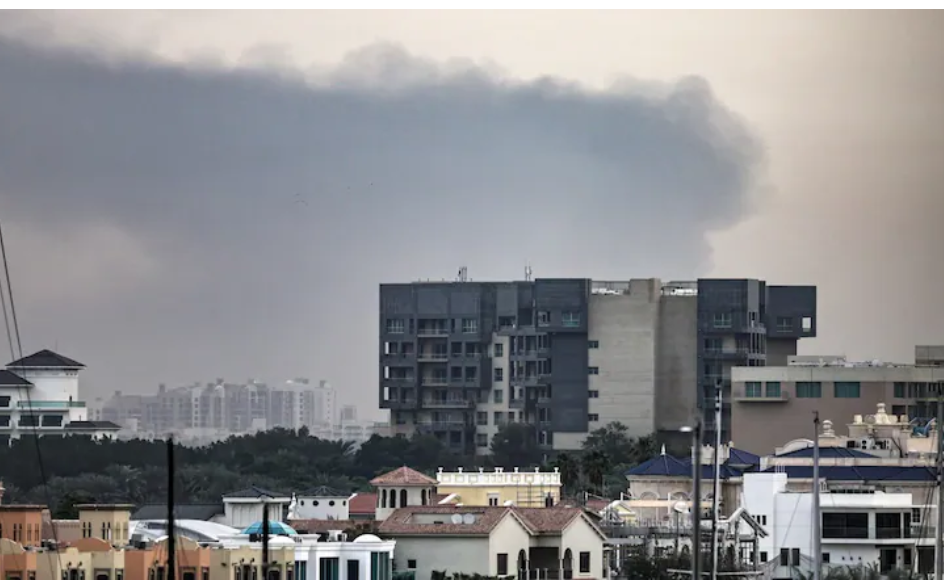
Dubai hit again within 24 hours as debris strikes building, drone targets US embassy in Baghdad
A building in Dubai’s financial hub was struck by debris from an intercepted attack while a drone targeted the US embassy in Baghdad, officials said.
Latest world news
US KC-135 refuelling aircraft crashes in Iraq amid ongoing Iran war
A US KC-135 refuelling aircraft crashed in western Iraq during the ongoing Iran war, marking the fourth American aircraft lost in the conflict, according to the US military.


Fire near Dubai International Airport after drone incident, flights temporarily suspended

Arvind Kejriwal moves Supreme Court against Delhi High Court order in excise policy case

Fire in ICU at SCB medical college hospital in Cuttack kills 10 patients

Rajya Sabha elections Voting begins for 37 seats across 10 states

BJP releases first list of 47 candidates for Kerala assembly polls
BJP releases first list of 47 candidates for Kerala assembly polls
Fire in ICU at SCB medical college hospital in Cuttack kills 10 patients
Arvind Kejriwal moves Supreme Court against Delhi High Court order in excise policy case
Rajya Sabha elections Voting begins for 37 seats across 10 states
Fire near Dubai International Airport after drone incident, flights temporarily suspended

Afghan Men Try To Hang With The Jet Engine Of The Aircraft in Kabul- Afghanistan News – Kabul News
Trending Top 10 News: 10000 Crore Fine on Flipkart, Apple to Launch Unique Feature, Hdfc Bank Job Ad

Trending Top 10 News: Nokia 6310, Apple sales, Bachpan ka Pyar Video Kid, Dainik Bhaskar IT Raid

Trending Top 10 News: Canada bans Indian flights, Rain in Delhi NCR, AIMIM Twitter hacked, Raj Kundra case

Trending Top 10 News: Shein India, Apple New Service, Pocket Oxygen, Oppo Launched New Phone
-
 Latest world news20 hours ago
Fire near Dubai International Airport after drone incident, flights temporarily suspended
-
 India News20 hours ago
Arvind Kejriwal moves Supreme Court against Delhi High Court order in excise policy case
-
 India News20 hours ago
Fire in ICU at SCB medical college hospital in Cuttack kills 10 patients
-
 India News20 hours ago
Rajya Sabha elections Voting begins for 37 seats across 10 states
-
 India News10 hours ago
BJP releases first list of 47 candidates for Kerala assembly polls
