
Latest world news
Qatar removes products from Saudi-led quartet from market


Qatar has prohibited the sale of products made in Saudi Arabia, Bahrain, UAE and Egypt that has imposed embargoes and severed diplomatic, air and road ties with the country in June last year.
According to reports, Ministry of Economy and Commerce has, on Saturday, called on all shops across the country to remove all products made in the four countries from their shelves. Inspectors will visit stores to ensure compliance with the order.
The Government said it was trying to “protect the safety of consumers” by banning products from the first four countries to cut ties with Qatar on June 5, 2017. The government’s directive is meant to “find new suppliers of the variety of goods impacted” by the blockade. It will try and stop products such as Saudi dairy goods from entering Qatar through a third country.
Read More: Saudi Arabia, UAE, Bahrain and Egypt snap ties with Qatar
In June 2017, Saudi Arabia, UAE, Bahrain and Egypt severed ties with Qatar for its alleged support to terrorism and destabilizing the region. They also demanded that Doha should downgrade its ties with Iran. Several African countries have also broken ties with Qatar in support of Saudi-let quartet.
 The Saudi rulers also asked Qatar to close down Al-Jazeera broadcaster, remove Turkish troops from its soil and end relations with Egypt’s Muslim Brotherhood movement, the group headed by ousted President Mohammad Morsi.
The four countries also imposed sanctions against Doha, including restrictions on Qatari aircraft using their airspace. Saudi Arabia totally closed its land border with the tiny country through which most of food supplies used to reach its market.
Read More: Trump calls Saudi Arabia to resolve Qatar crisis
Qatar denied all allegations and refused to yield and denounced the demands as unreasonable, claiming its sovereignty had been attacked. The standoff had forced Qatar to shift import routes to Kuwait and Oman, and buy goods from Iran and Turkey.
Following the embargo Iran and Turkey opened their airspace and trade routes for Qatar and supplied food and other necessary items. Iranian export to Qatar has grown ten folds.
Read More: Qatar’s emir: Saudi Arabia want “regime change”
According to a recent Associated Press investigative report, Elliott Broidy, a fundraiser for US President Donald Trump and his partner Lebanese American businessman George Nader had been promoting anti-Qatar policies at the highest levels of the US government over the past one and a half year against lucrative business favors from the Saudi Arabia’s Crown Prince Mohammed Bin Salman and his UAE counterpart Mohammed Bin Zayed al-Nahyan.
The investigative report says that both Broidy and Nader spent a year in cultivating links with the two Crown Princes who were seeking to change US foreign policy with regard to their arch rival Qatar.
Meanwhile, Bahrain’s foreign minister Sheikh Khalid bin Ahmed Al Khalifah has told the London-based Saudi-owned Asharq al-Awsat newspaper on Sunday, that there is no solution in sight for the diplomatic crisis with Qatar. “The information in our hands today does not indicate any glimmer of hope for a solution now, as the matter does not happen suddenly,” he said.
Bahrain’s top diplomat accused Qatar of prolonging the dispute by taking its case to Western allies rather than the Gulf Cooperation Council (GCC). He said, “We were expecting from the beginning of the crisis with Qatar that the emir of Qatar would go to Saudi [Arabia] but this did not happen.”
Latest world news
Magnitude 7 earthquake strikes Tibet after floods
A magnitude 7 earthquake struck northern Tibet on Thursday, October 22. The tremor came weeks after deadly flash floods and landslides hit the mountainous region near the Nepal-China border. Initial reports did not confirm casualties or damage from the earthquake.


Latest world news
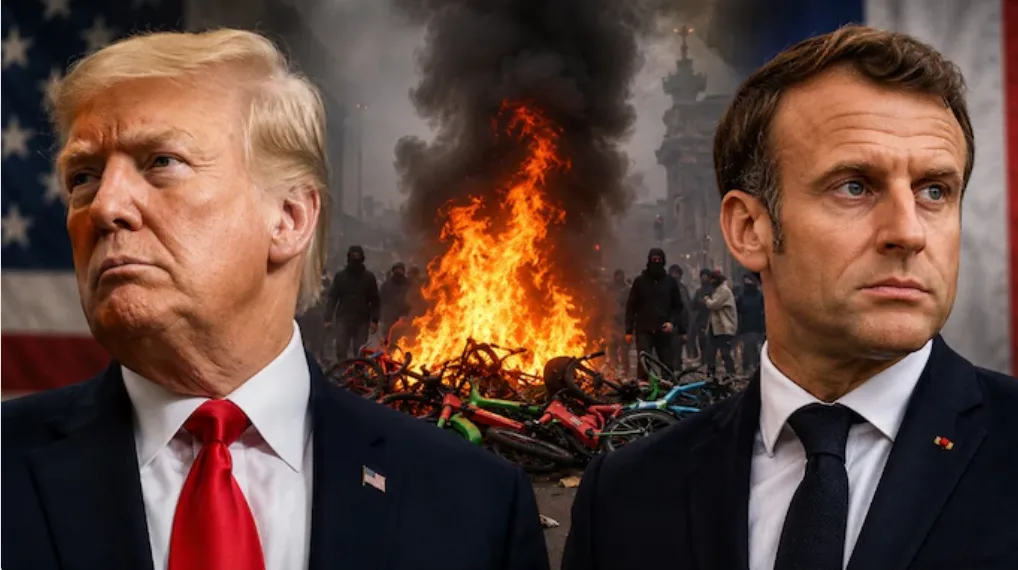
Macron rejects Trump’s immigration claims over France riots
French President Emmanuel Macron criticised Donald Trump and other foreign leaders over their comments on France’s recent unrest. Macron rejected claims that the country was being overrun by migrants and Islamists, calling such assertions false.
Latest world news
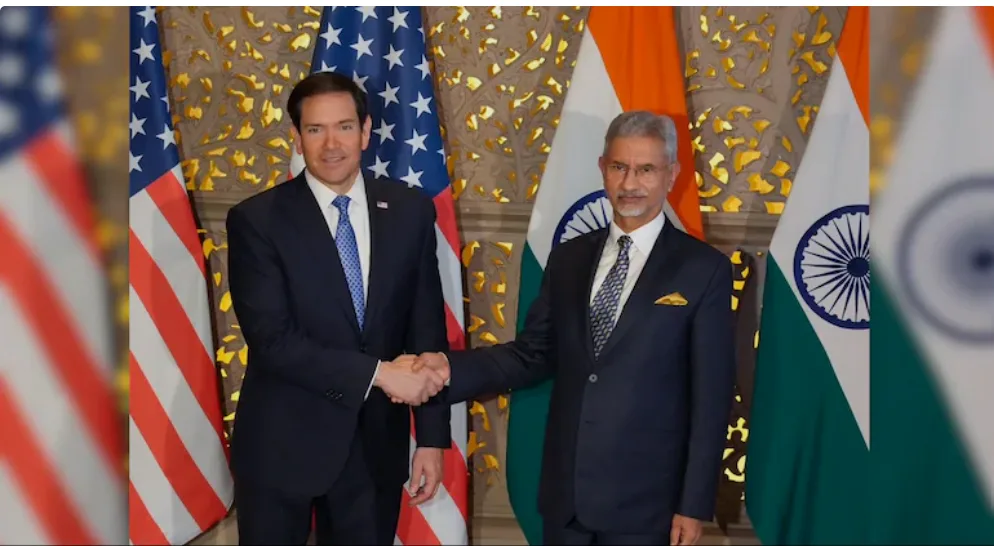
Marco Rubio says India and US share extraordinary alignment on key issues
US Secretary of State Marco Rubio said India and the United States share an extraordinary alignment on core issues, even though disagreements between the two countries may arise.

Punjab strike hits public services as 3 lakh employees and roadways workers protest

Two election commissioners complained against senior poll officer, RTI reveals

Om Prakash Mathur sworn in as Keralam Governor

PM Modi to inaugurate Rs 169-crore RBI data centre in Odisha on October 25

Delhi High Court rejects Neha Bora’s plea against peace bond notice

MEA responds after ITBP chief flags ongoing face-offs with China in Arunachal
Delhi High Court rejects Neha Bora’s plea against peace bond notice
PM Modi to inaugurate Rs 169-crore RBI data centre in Odisha on October 25
Om Prakash Mathur sworn in as Keralam Governor
Two election commissioners complained against senior poll officer, RTI reveals

Afghan Men Try To Hang With The Jet Engine Of The Aircraft in Kabul- Afghanistan News – Kabul News
Trending Top 10 News: 10000 Crore Fine on Flipkart, Apple to Launch Unique Feature, Hdfc Bank Job Ad

Trending Top 10 News: Nokia 6310, Apple sales, Bachpan ka Pyar Video Kid, Dainik Bhaskar IT Raid

Trending Top 10 News: Canada bans Indian flights, Rain in Delhi NCR, AIMIM Twitter hacked, Raj Kundra case

Trending Top 10 News: Shein India, Apple New Service, Pocket Oxygen, Oppo Launched New Phone
-
 India News17 hours ago
Punjab strike hits public services as 3 lakh employees and roadways workers protest
-
 India News17 hours ago
Two election commissioners complained against senior poll officer, RTI reveals
-
 India News6 hours ago
Om Prakash Mathur sworn in as Keralam Governor
-
 India News5 hours ago
PM Modi to inaugurate Rs 169-crore RBI data centre in Odisha on October 25
-
 India News4 hours ago
Delhi High Court rejects Neha Bora’s plea against peace bond notice
-
 India News4 hours ago
MEA responds after ITBP chief flags ongoing face-offs with China in Arunachal
