English हिन्दी
Connect with us

Latest world news

Trump praises PM Modi but warns India of higher tariffs over Russian oil imports

Donald Trump praised Prime Minister Narendra Modi but warned that the US could raise tariffs on India if it continues importing Russian oil, as trade negotiations between the two countries continue.

Published

on

donald trump

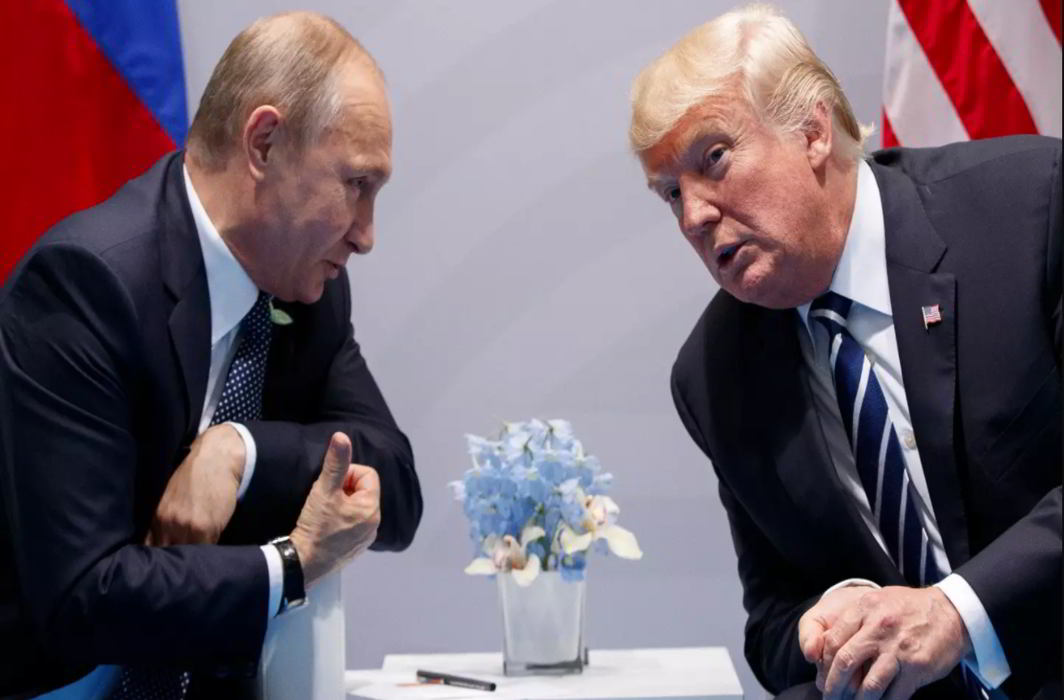
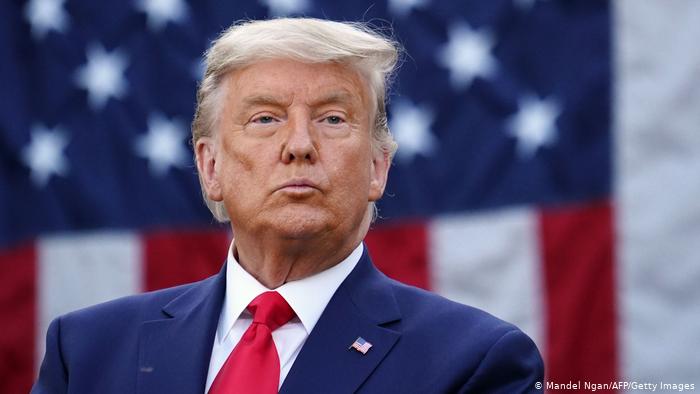
US President Donald Trump has issued a fresh warning to India, saying Washington could raise tariffs on Indian goods if New Delhi continues importing crude oil from Russia, even as he praised Prime Minister Narendra Modi and described him as a “very good man”.

Speaking to reporters on board Air Force One on Sunday, Trump said the option of increasing tariffs remains open if India does not cooperate on the issue of Russian oil imports.

“We could raise tariffs on India if they don’t help on the Russian oil issue,” he said.

At the same time, Trump claimed that India has already reduced its purchases of Russian oil, suggesting that the message had been conveyed to New Delhi at the highest level.

“They wanted to make me happy, basically. PM Modi’s a very good man. He’s a good guy. He knew I was not happy. It was important to make me happy. They do trade, and we can raise tariffs on them very quickly,” Trump added.

Trade talks and diplomatic context

Trump’s remarks come at a sensitive moment, as Indian and US officials have launched a fresh round of negotiations aimed at resolving a long-standing trade dispute between the two countries.

The renewed talks follow earlier discussions that were disrupted after the US imposed steep tariffs on certain Indian imports, with duties reaching up to 50 per cent. Despite these tensions, both sides have continued engagement to prevent a broader trade fallout.

The warning also follows a recent phone conversation between Trump and Prime Minister Modi, during which the two leaders underlined the importance of sustaining momentum in bilateral trade relations.

In recent weeks, the US Embassy in India also highlighted Trump’s positive remarks about the Indian leader amid prolonged trade negotiations. In a social media post, Trump described India as “an amazing country” and referred to Modi as a close partner, calling him “a great friend”.

Oil imports under scrutiny

India has consistently defended its purchase of Russian oil, maintaining that energy imports are guided by domestic requirements and national energy security considerations.

However, the issue has gained renewed attention in Washington, especially after recent US military action in Venezuela brought global oil supplies back into geopolitical focus.

Venezuela holds the world’s largest proven oil reserves, estimated at over 300 billion barrels, but production has fallen sharply to around one million barrels per day due to sanctions and underinvestment. The shifting dynamics in global oil markets have added pressure on major energy-importing nations, including India.

As negotiations continue, Trump’s comments highlight the delicate balance between diplomatic engagement and economic pressure shaping India-US trade ties.

Latest world news

Bangladesh’s BNP seeks stronger India ties based on mutual respect

Bangladesh’s new BNP-led government has signalled a diplomatic reset with India, emphasising mutual respect, trade and broader people-to-people engagement.

Published

on

Tarique Rehman

The newly elected government in Bangladesh, led by Tarique Rahman and the Bangladesh Nationalist Party (BNP), has expressed its intent to strengthen ties with India through mutual respect, trade and deeper people-to-people engagement.

Humayun Kabir, who oversees international relations for Rahman and is expected to play a key role in the new administration, said the focus will be on building stronger cooperation between citizens of both countries rather than limiting ties to official exchanges.

He indicated that India would be among the countries the new leadership plans to visit, though no specific timeline was shared. “Obviously there are certain domestic priorities and then international engagements. Of course India will be one of the countries that we will visit among other countries in the region,” Kabir said in an interaction with media.

Expanding engagement beyond official visits

Kabir underlined the importance of expanding the scope of bilateral relations beyond high-level diplomatic visits. While acknowledging that reciprocal visits between senior officials are a normal feature of ties between neighbouring nations, he stressed the need to widen engagement across broader sections of society.

He said the BNP-led government intends to deepen cooperation through trade and investment while strengthening grassroots-level connections.

On regional balance and Pakistan ties

Responding to questions about Bangladesh’s approach towards Pakistan during the interim administration led by Muhammad Yunus, Kabir said Dhaka’s foreign policy would not be guided by choosing sides in regional tensions.

“It’s normal and we need to normalise relations in the region and regardless of the tensions between India and Pakistan, for us it is not to take sides on this issue,” he said, adding that relations would be shaped by mutual respect and national interest.

Kabir also criticised former prime minister Sheikh Hasina, alleging that her foreign policy approach was perceived as one-sided in its engagement with India. He said the new government seeks to avoid what he described as a country-centric or country-dependent model of diplomacy.

New Delhi’s cautious optimism

From India’s perspective, the decisive electoral outcome in Bangladesh, which delivered a landslide to the BNP, marks the end of the interim phase and opens the possibility of a diplomatic reset.

Indian officials are said to be cautiously optimistic about engaging with Rahman’s leadership. While acknowledging past differences with BNP governments, New Delhi believes the new administration may adopt a pragmatic approach shaped by economic priorities and regional stability concerns.

Continue Reading

Latest world news

Finland PM Petteri Orpo to attend India AI Impact Summit, meet PM Modi

Finland Prime Minister Petteri Orpo will visit India from February 17 to 20 to attend the AI Impact Summit and hold bilateral talks with PM Narendra Modi.

Published

on

finland pm modi

Petteri Orpo will travel to India from February 17 to 20 to participate in the India AI Impact Summit and hold bilateral discussions with Narendra Modi.

Prime Minister Orpo is scheduled to meet PM Modi on February 18. He will also attend the India AI Impact Summit on February 19, which is being hosted in New Delhi.

The Finnish Prime Minister is accompanied by a business delegation comprising representatives of 22 Finnish companies. According to an official release, the visit aims to strengthen cooperation between the two countries, particularly in digitalisation and sustainability.

Focus on AI governance and innovation

The India AI Impact Summit, being held from February 16 to 20 at Bharat Mandapam, will bring together Heads of State and Government, international organisations, AI experts and leading companies from across the globe.

The summit is designed to promote a shared understanding of global AI governance principles and foster international cooperation. Prime Minister Orpo had also taken part in the AI Action Summit in Paris in 2025.

“At the summit, we will highlight Finland’s strengths in the fields of AI policy and innovation. Finland has world-class expertise in AI and the potential to lead the way in its use. At the same time, we will also promote the safe and responsible use of AI,” Orpo said, according to the release.

He noted that geopolitical and economic competition is intensifying, underlining the need for Finland to remain active in global technology discussions. He also emphasised cooperation with like-minded countries while seeking broader international consensus.

During the summit, Orpo will deliver Finland’s national address, visit country pavilions and participate in side events organised by the Finnish Innovation Fund Sitra and National Association of Software and Service Companies. The programme also includes a dinner hosted by PM Modi and other high-level engagements.

Strategic partnership and trade opportunities

The release highlighted India’s growing global role and described bilateral ties as strong and expanding. The inauguration of Finland’s new Consulate General in Mumbai in 2022 was cited as a significant step in strengthening engagement.

Orpo said Finland aims to deepen cooperation with India in the areas of digitalisation and sustainability, reinforcing the new strategic partnership between the two nations.

He also referred to the conclusion of negotiations on the EU-India Free Trade Agreement on January 27, 2026. Talks on the agreement had been underway since 2007, with some interruptions. The pact is expected to improve access for European companies to India’s expanding market and enhance the broader EU-India partnership.

Summit structure and agenda

The India AI Impact Summit will revolve around three pillars — People, Planet and Progress. Discussions will focus on employment and skilling, sustainable and energy-efficient AI, and economic as well as social development.

Seven thematic working groups, co-chaired by representatives from the Global North and Global South, will present deliverables such as proposals for AI Commons, trusted AI tools, shared compute infrastructure and sector-specific AI use case compendiums.

The event will also address AI safety, governance, ethical use, data protection and India’s approach to sovereign AI, including the development of indigenous foundation models for strategic sectors.

An AI Impact Expo will showcase practical AI applications in healthcare, agriculture, education, climate action, energy efficiency and accessibility. The summit will further spotlight national skilling initiatives, including “Yuva AI for All”, a free course aimed at building basic AI awareness among students and professionals.

Continue Reading

Latest Politics News

Tarique Rahman-led BNP set for landslide win in Bangladesh elections

BNP led by Tarique Rahman has crossed the majority mark in Bangladesh’s national elections, with projections suggesting a two-thirds majority. Jamaat has conceded defeat.

Published

on

Tariq Rehman

The Bangladesh Nationalist Party (BNP), led by Tarique Rahman, is heading towards a decisive victory in Bangladesh’s national elections, with projections indicating a clear parliamentary majority.

Early media projections at 8:00 am local time suggested that the BNP had comfortably crossed the 150-seat mark required to form the government in the 300-member parliament. One projection placed the party at 212 seats, putting it well on course for a two-thirds majority.

The BNP has already declared that it is prepared to form the next government after securing what it described as a majority mandate from voters.

Meanwhile, the Islamist-led alliance headed by Shafiqur Rahman of Jamaat-e-Islami was projected to win 70 seats. Although a significant improvement compared to its previous performance, the tally fell short of its expectations. Shafiqur Rahman conceded defeat and said his party would avoid confrontational opposition politics, adding that it would engage in “positive politics.”

Final results awaited, US extends congratulations

The Election Commission is yet to announce the final results for 299 constituencies where voting took place. An additional 50 seats reserved for women will be allocated based on party lists.

Even before the official declaration, the United States embassy in Dhaka congratulated Tarique Rahman and the BNP, describing the outcome as a “historic victory.”

Political transition under way

Bangladesh’s interim leader Muhammad Yunus is expected to step down once the new government assumes office. The Nobel Peace Prize winner has led the country since the ouster of Sheikh Hasina in August 2024 following a mass student-led uprising.

Yunus’s administration had barred the Awami League from contesting the elections by suspending its registration.

This election marked the first in decades without the participation of two dominant political figures — Sheikh Hasina and former prime minister Khaleda Zia, who passed away in December last year.

After nearly 17 years in exile, Tarique Rahman, 60, returned to Bangladesh following his mother Khaleda Zia’s death and quickly emerged as the frontrunner for the prime minister’s post.

Referendum on reforms held alongside polls

Voters also participated in a referendum on the July National Charter, a reform package negotiated by the Yunus-led interim administration and multiple political parties. The proposals include limiting prime ministers to two terms, forming an upper house of parliament, and restoring a caretaker government system to oversee elections for 90 days to ensure neutrality.

Sheikh Hasina criticised the election process, calling it “deceptive” and alleging low voter turnout. In a statement, she demanded cancellation of what she described as an “illegal and unconstitutional election” and sought Yunus’s resignation.

India watching developments closely

India is closely monitoring the situation due to its strategic and diplomatic interests in the region. Following recent political shifts in Dhaka and concerns over minority safety, New Delhi has emphasised that it will assess the mandate once results are officially declared.

When asked about the polls, MEA spokesperson Randhir Jaiswal said India would wait for the final outcome before commenting further.

With final results expected soon, Bangladesh appears set for a major political transition, with the BNP poised to return to power in a significant comeback.

Continue Reading

Trending

© Copyright 2022 APNLIVE.com

Left Menu Icon