
Latest world news
Trump was to hit Russian and Iranian targets in Syria


WSJ reports that Defense Secretary James Mattis dissuaded president
An American prestigious news organisation has revealed that US President Donald Trump was considering an option of a more robust attack in Syria, including targeting some of the facilities belonging to Russia and Iran. However, Defence Secretary Jim Mattis succeeded in dissuading the president.
The Wall Street Journal, citing sources familiar with the decision making process in US administration, reported that Defence Secretary presented the White House with three military options: missile strikes on Syria’s chemical-weapons capabilities, strikes on a wider set of targets, including suspected chemical-weapons research facilities and military command centres.
The daily said that the most robust attack might have reportedly included strikes on Russian air defence in Syria and some Iranian facilities with the aim to curb the capabilities of the Syrian government army, without touching the “political machinery” in Damascus.
WSJ claimed that informed sources told that Trump had pressed his team to consider the third scenario; however, Mattis dissuaded the US leader, who finally approved a hybrid strike comprising the first and the second options.
On April 13, the United States, France, and the United Kingdom launched strikes on a number of targets in Syria in response to the alleged chemical attack in the Damascus’ suburb of Douma.

Meanwhile Russian President Vladimir Putin has told Iranian President Hassan Rouhani that further attacks by Western allies in Syria would inevitably lead to chaos in international relations.
According to RIA news agency, the two leaders, while talking on telephone, agreed that “this illegal action seriously damages the prospects for a political settlement in Syria.”
According to Tehran based Pres TV, Iranian President Hassan Rouhani said that the “aggressive” US move to carry out military strikes against Syria reveals that Washington has “direct ties” with terrorists. “The Americans showed such a reaction when they felt that the terrorists were dislodged from an important region like Eastern Ghouta,” he told to Putin.
Rouhani told Putin that the joint military strikes against Syria were an “aggressive measure” aimed at boosting the defeated terrorists’ morale.
Russian President Vladimir Putin also spoke with his Turkish counterpart Recep Tayyip Erdogan on Saturday and emphasised that the steps made by US and its allies grossly breach the UN Charter and principles of international law. The two heads of state think it necessary to intensify bilateral cooperation to get ahead with the political solution in Syria, reports TASS.
Meanwhile, Putin has described the attacks as an “act of aggression” and warned they could worsen the humanitarian crisis in Syria.
In a related development, Buthaina Shaaban, the political advisor to President Bashar al-Assad, has praised Syrian air-defenses for intercepting most of the missiles fired by the US and its allies on Saturday. Her remarks were published in a Lebanese news network website Mayadeen on Monday. She claims that the victory marks the beginning of the end of the American empire.
Earlier Syria had claimed of intercepting most of the 110 missiles fired by US, Britain and France targeting Damascus and other Syrian cities and areas. Damascus said that majority of the missiles were shot down by the Syrian defence systems.







Latest world news
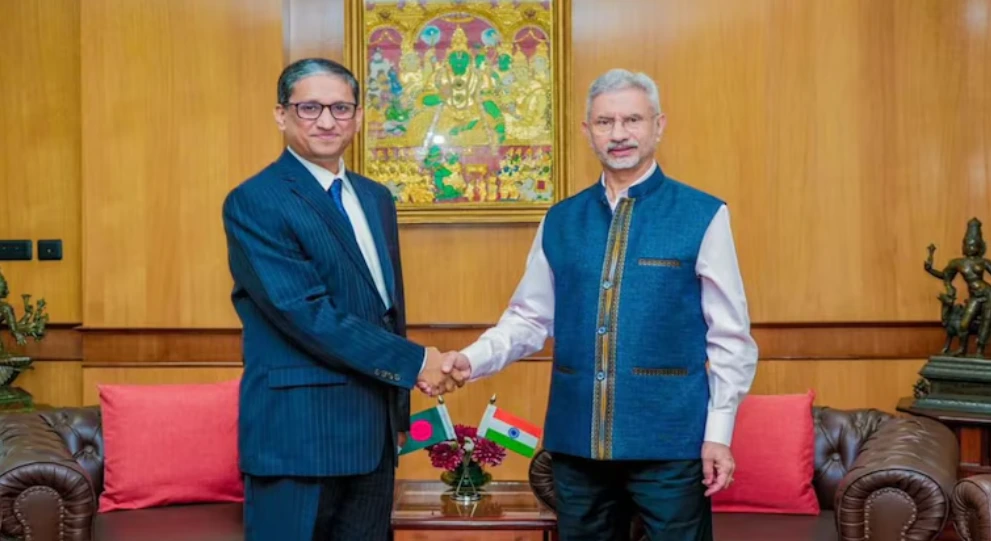
Bangladesh envoy meets S Jaishankar, Dhaka foreign minister may visit India in April
India and Bangladesh are stepping up diplomatic engagement as S Jaishankar meets envoy Riaz Hamidullah and discussions begin on a possible visit by Dhaka’s foreign minister.

Latest world news
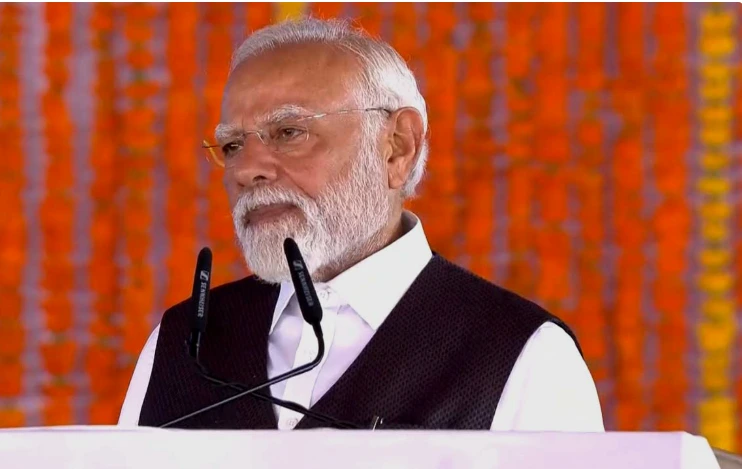
PM Modi speaks to Qatar, France, Jordan, Oman and Malaysia leaders on Middle East tensions
PM Modi held talks with leaders of five nations, stressing dialogue, condemning attacks on energy infrastructure and urging stability in the Middle East.
Latest world news
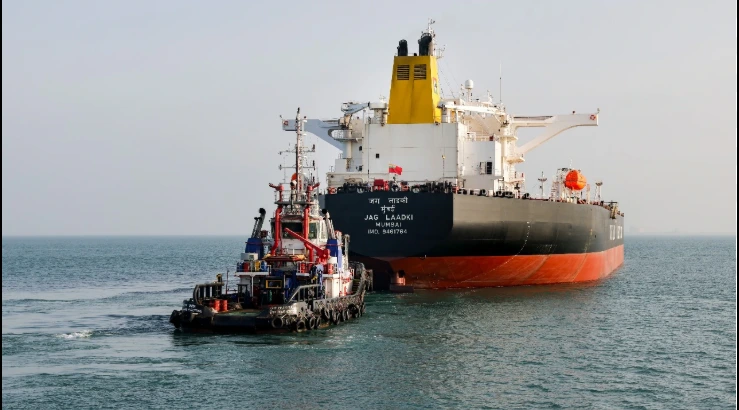
Russian oil tanker rerouted to India amid Middle East crisis, to reach Mangaluru on March 21
A Russian oil tanker bound for China has been diverted to India as Middle East tensions disrupt global energy supply chains.

Mamata Banerjee slams poll body over officials’ transfer, calls move unprecedented

PM Modi speaks to Qatar, France, Jordan, Oman and Malaysia leaders on Middle East tensions

AIADMK-BJP seat-sharing talks to be finalised soon, says Edappadi K Palaniswami after Amit Shah meet

Oppo K14 5G launched in India with 7000mAh battery, starts at Rs 17,999

Late-March western disturbance brings 1,000-km rain band across India, Pakistan and Afghanistan

Eid Mubarak 2026 wishes and greetings highlight joy and togetherness

Bangladesh envoy meets S Jaishankar, Dhaka foreign minister may visit India in April
Late-March western disturbance brings 1,000-km rain band across India, Pakistan and Afghanistan
Oppo K14 5G launched in India with 7000mAh battery, starts at Rs 17,999
Mamata Banerjee slams poll body over officials’ transfer, calls move unprecedented

Afghan Men Try To Hang With The Jet Engine Of The Aircraft in Kabul- Afghanistan News – Kabul News
Trending Top 10 News: 10000 Crore Fine on Flipkart, Apple to Launch Unique Feature, Hdfc Bank Job Ad

Trending Top 10 News: Nokia 6310, Apple sales, Bachpan ka Pyar Video Kid, Dainik Bhaskar IT Raid

Trending Top 10 News: Canada bans Indian flights, Rain in Delhi NCR, AIMIM Twitter hacked, Raj Kundra case

Trending Top 10 News: Shein India, Apple New Service, Pocket Oxygen, Oppo Launched New Phone
-
 India News16 hours ago
Mamata Banerjee slams poll body over officials’ transfer, calls move unprecedented
-
 Latest world news16 hours ago
PM Modi speaks to Qatar, France, Jordan, Oman and Malaysia leaders on Middle East tensions
-
 India News16 hours ago
AIADMK-BJP seat-sharing talks to be finalised soon, says Edappadi K Palaniswami after Amit Shah meet
-
 Gadgets15 hours ago
Oppo K14 5G launched in India with 7000mAh battery, starts at Rs 17,999
-
 India News10 hours ago
Late-March western disturbance brings 1,000-km rain band across India, Pakistan and Afghanistan
-
 Latest world news6 hours ago
Bangladesh envoy meets S Jaishankar, Dhaka foreign minister may visit India in April
-
 Festivals5 hours ago
Eid Mubarak 2026 wishes and greetings highlight joy and togetherness
