
Latest world news
UK rejects Trump’s anti-Muslim propaganda on social media


[vc_row][vc_column][vc_column_text]Muslim body calls it “incitement of violence against American Muslims”
The United Kingdom has once again distanced from US President Donald Trump for his anti-Muslim propaganda saying he was “wrong” to share the videos posted by Jayda Fransen, the deputy leader of Britain first, a far- right and ultra- nationalist political group.[/vc_column_text][vc_column_text]However, according to a latest BBC report, Donald Trump has told British PM Theresa May to focus on “terrorism” in UK. He tweeted “Don’t focus on me, focus on the destructive Radical Islamic Terrorism that is taking place within the United Kingdom.”[/vc_column_text][vc_raw_html]JTNDYmxvY2txdW90ZSUyMGNsYXNzJTNEJTIydHdpdHRlci10d2VldCUyMiUyMGRhdGEtbGFuZyUzRCUyMmVuJTIyJTNFJTNDcCUyMGxhbmclM0QlMjJlbiUyMiUyMGRpciUzRCUyMmx0ciUyMiUzRS4lM0NhJTIwaHJlZiUzRCUyMmh0dHBzJTNBJTJGJTJGdHdpdHRlci5jb20lMkZ0aGVyZXNhX21heSUzRnJlZl9zcmMlM0R0d3NyYyUyNTVFdGZ3JTIyJTNFJTQwVGhlcmVzYV9NYXklM0MlMkZhJTNFJTJDJTIwZG9uJUUyJTgwJTk5dCUyMGZvY3VzJTIwb24lMjBtZSUyQyUyMGZvY3VzJTIwb24lMjB0aGUlMjBkZXN0cnVjdGl2ZSUyMFJhZGljYWwlMjBJc2xhbWljJTIwVGVycm9yaXNtJTIwdGhhdCUyMGlzJTIwdGFraW5nJTIwcGxhY2UlMjB3aXRoaW4lMjB0aGUlMjBVbml0ZWQlMjBLaW5nZG9tLiUyMFdlJTIwYXJlJTIwZG9pbmclMjBqdXN0JTIwZmluZSUyMSUzQyUyRnAlM0UlMjZtZGFzaCUzQiUyMERvbmFsZCUyMEouJTIwVHJ1bXAlMjAlMjglNDByZWFsRG9uYWxkVHJ1bXAlMjklMjAlM0NhJTIwaHJlZiUzRCUyMmh0dHBzJTNBJTJGJTJGdHdpdHRlci5jb20lMkZyZWFsRG9uYWxkVHJ1bXAlMkZzdGF0dXMlMkY5MzYwMzc1ODgzNzIyODMzOTIlM0ZyZWZfc3JjJTNEdHdzcmMlMjU1RXRmdyUyMiUzRU5vdmVtYmVyJTIwMzAlMkMlMjAyMDE3JTNDJTJGYSUzRSUzQyUyRmJsb2NrcXVvdGUlM0UlMEElM0NzY3JpcHQlMjBhc3luYyUyMHNyYyUzRCUyMmh0dHBzJTNBJTJGJTJGcGxhdGZvcm0udHdpdHRlci5jb20lMkZ3aWRnZXRzLmpzJTIyJTIwY2hhcnNldCUzRCUyMnV0Zi04JTIyJTNFJTNDJTJGc2NyaXB0JTNFJTBB[/vc_raw_html][vc_column_text]A spokesperson for the UK Prime Minister Theresa May said, on Wednesday, in a statement, “Britain First seeks to divide communities through their use of hateful narratives which peddle lies and stoke tensions.”
The spokesperson further said, “British people overwhelmingly reject the prejudiced rhetoric of the far-right, which is the antithesis of the values that this country represents — decency, tolerance and respect.”
However the British spokesperson said that US President Donald Trump’s upcoming 2018 state visit for now remains on.
This is the second time within few months when UK has publicly differed US administration on a Muslim related issue. Tension between US and UK surfaced in September when British foreign secretary Boris Johnson urged the world to have faith in nuclear deal potential to create more open Iran, while his US counterpart Rex Tillerson argued Iran was not fulfilling the deal’s expectations. Most of the European countries and other UN Security Council permanent members, except US, are supporting the continuation of the Iran nuclear deal.
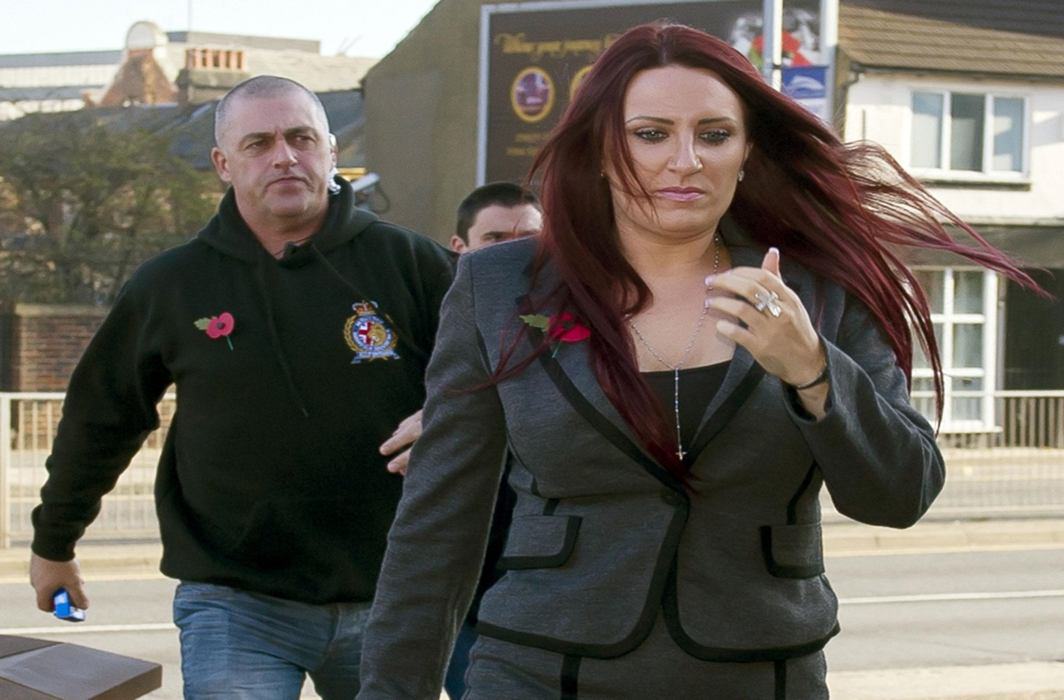
Fransen was convicted by British court in 2016 for harassing women wearing Islamic veil (hijab). She is banned from entering mosques in UK for her “regular mosque invasions”.
Meanwhile, Jeremy Corbyn, the opposition Labour Party leader in British parliament called Trump’s re-tweets “abhorrent, dangerous and a threat to our society.”[/vc_column_text][vc_raw_html]JTNDYmxvY2txdW90ZSUyMGNsYXNzJTNEJTIydHdpdHRlci10d2VldCUyMiUyMGRhdGEtbGFuZyUzRCUyMmVuJTIyJTNFJTNDcCUyMGxhbmclM0QlMjJlbiUyMiUyMGRpciUzRCUyMmx0ciUyMiUzRUklMjBob3BlJTIwb3VyJTIwR292ZXJubWVudCUyMHdpbGwlMjBjb25kZW1uJTIwZmFyLXJpZ2h0JTIwcmV0d2VldHMlMjBieSUyMERvbmFsZCUyMFRydW1wLiUyMFRoZXklMjBhcmUlMjBhYmhvcnJlbnQlMkMlMjBkYW5nZXJvdXMlMjBhbmQlMjBhJTIwdGhyZWF0JTIwdG8lMjBvdXIlMjBzb2NpZXR5LiUzQyUyRnAlM0UlMjZtZGFzaCUzQiUyMEplcmVteSUyMENvcmJ5biUyMCUyOCU0MGplcmVteWNvcmJ5biUyOSUyMCUzQ2ElMjBocmVmJTNEJTIyaHR0cHMlM0ElMkYlMkZ0d2l0dGVyLmNvbSUyRmplcmVteWNvcmJ5biUyRnN0YXR1cyUyRjkzNTg2NzY1MTg1OTA3OTE2OCUzRnJlZl9zcmMlM0R0d3NyYyUyNTVFdGZ3JTIyJTNFTm92ZW1iZXIlMjAyOSUyQyUyMDIwMTclM0MlMkZhJTNFJTNDJTJGYmxvY2txdW90ZSUzRSUwQSUzQ3NjcmlwdCUyMGFzeW5jJTIwc3JjJTNEJTIyaHR0cHMlM0ElMkYlMkZwbGF0Zm9ybS50d2l0dGVyLmNvbSUyRndpZGdldHMuanMlMjIlMjBjaGFyc2V0JTNEJTIydXRmLTglMjIlM0UlM0MlMkZzY3JpcHQlM0UlMEE=[/vc_raw_html][vc_column_text]David Lammy, another Labour lawmaker told US President that he was “not welcome in my country and my city.”[/vc_column_text][vc_raw_html]JTNDYmxvY2txdW90ZSUyMGNsYXNzJTNEJTIydHdpdHRlci10d2VldCUyMiUyMGRhdGEtbGFuZyUzRCUyMmVuJTIyJTNFJTNDcCUyMGxhbmclM0QlMjJlbiUyMiUyMGRpciUzRCUyMmx0ciUyMiUzRURvJTIwbm90JTIwZm9yZ2V0JTIwdGhhdCUyMHRoZSUyMG1hbiUyMHdobyUyMG11cmRlcmVkJTIwSm8lMjBDb3glMjBzaG91dGVkJTIwJTI2cXVvdCUzQkJyaXRhaW4lMjBGaXJzdCUyNnF1b3QlM0IlMjBhcyUyMGhlJTIwZGlkJTIwc28uJTIwVHJ1bXAlMjBoYXMlMjB0cnVseSUyMGdvbmUlMjBiZXlvbmQlMjB0aGUlMjBwYWxlJTIwdG9kYXkuJTIwJTNDYSUyMGhyZWYlM0QlMjJodHRwcyUzQSUyRiUyRnQuY28lMkZ1bU1ENmlVWVZ0JTIyJTNFaHR0cHMlM0ElMkYlMkZ0LmNvJTJGdW1NRDZpVVlWdCUzQyUyRmElM0UlM0MlMkZwJTNFJTI2bWRhc2glM0IlMjBEYXZpZCUyMExhbW15JTIwJTI4JTQwRGF2aWRMYW1teSUyOSUyMCUzQ2ElMjBocmVmJTNEJTIyaHR0cHMlM0ElMkYlMkZ0d2l0dGVyLmNvbSUyRkRhdmlkTGFtbXklMkZzdGF0dXMlMkY5MzU4OTE3ODA3NTg5MjEyMTYlM0ZyZWZfc3JjJTNEdHdzcmMlMjU1RXRmdyUyMiUzRU5vdmVtYmVyJTIwMjklMkMlMjAyMDE3JTNDJTJGYSUzRSUzQyUyRmJsb2NrcXVvdGUlM0UlMEElM0NzY3JpcHQlMjBhc3luYyUyMHNyYyUzRCUyMmh0dHBzJTNBJTJGJTJGcGxhdGZvcm0udHdpdHRlci5jb20lMkZ3aWRnZXRzLmpzJTIyJTIwY2hhcnNldCUzRCUyMnV0Zi04JTIyJTNFJTNDJTJGc2NyaXB0JTNFJTBB[/vc_raw_html][vc_column_text]Similarly the Muslim Council of Britain has urged the country’s authorities to distance themselves from Trump and his comments.[/vc_column_text][vc_raw_html]JTNDYmxvY2txdW90ZSUyMGNsYXNzJTNEJTIydHdpdHRlci10d2VldCUyMiUyMGRhdGEtbGFuZyUzRCUyMmVuJTIyJTNFJTNDcCUyMGxhbmclM0QlMjJlbiUyMiUyMGRpciUzRCUyMmx0ciUyMiUzRVRoZSUyME11c2xpbSUyMENvdW5jaWwlMjBvZiUyMEJyaXRhaW4lMjBjb21tZW50cyUyMG9uJTIwUHJlc2lkZW50JTIwVHJ1bXAlMjBzaGFyaW5nJTIwYW50aS1NdXNsaW0lMjB2aWRlb3MlMjBmcm9tJTIwdGhlJTIwZmFyJTIwcmlnaHQlMjAlM0NhJTIwaHJlZiUzRCUyMmh0dHBzJTNBJTJGJTJGdC5jbyUyRnJZT2xVa0x4VWolMjIlM0VwaWMudHdpdHRlci5jb20lMkZyWU9sVWtMeFVqJTNDJTJGYSUzRSUzQyUyRnAlM0UlMjZtZGFzaCUzQiUyME1DQiUyMCUyOCU0ME11c2xpbUNvdW5jaWwlMjklMjAlM0NhJTIwaHJlZiUzRCUyMmh0dHBzJTNBJTJGJTJGdHdpdHRlci5jb20lMkZNdXNsaW1Db3VuY2lsJTJGc3RhdHVzJTJGOTM1ODUxMzM4MjU2MzA2MTc2JTNGcmVmX3NyYyUzRHR3c3JjJTI1NUV0ZnclMjIlM0VOb3ZlbWJlciUyMDI5JTJDJTIwMjAxNyUzQyUyRmElM0UlM0MlMkZibG9ja3F1b3RlJTNFJTBBJTNDc2NyaXB0JTIwYXN5bmMlMjBzcmMlM0QlMjJodHRwcyUzQSUyRiUyRnBsYXRmb3JtLnR3aXR0ZXIuY29tJTJGd2lkZ2V0cy5qcyUyMiUyMGNoYXJzZXQlM0QlMjJ1dGYtOCUyMiUzRSUzQyUyRnNjcmlwdCUzRSUwQQ==[/vc_raw_html][vc_column_text]The videos posted by far-right Britain First deputy leader Jayda Fransen, depict purported Muslims assaulting people and in one video smashing a statue of the Virgin Mary.
Donald Trump, who had during his early days in white House warned that immigration from Muslim majority nations threatens European and US security, frequently re-tweets other messages whose political views he finds matching those of his own.
Jayda Fransen was encouraged by Trump’s re-tweet and expressed thanks to US president. She said that “GOD BLESS YOU TRUMP!” all in capital letters.
Meanwhile white House Press Secretary Sarah Sanders defended Trump’s re-tweets saying that he shared the videos to start a conversation about border security and immigration. He was quoted saying, “I think his goal is to promote strong borders and strong national security.”
The Council on American-Islamic Relations (CAIR) responded to Trump’s move by calling “incitement of violence against American Muslims”
“By his unconscionable and irresponsible actions this morning, President Trump is clearly telling members of his base that they should hate Islam and Muslims,” said Nihad Awad, the national executive director of CAIR.[/vc_column_text][/vc_column][/vc_row]






Latest world news
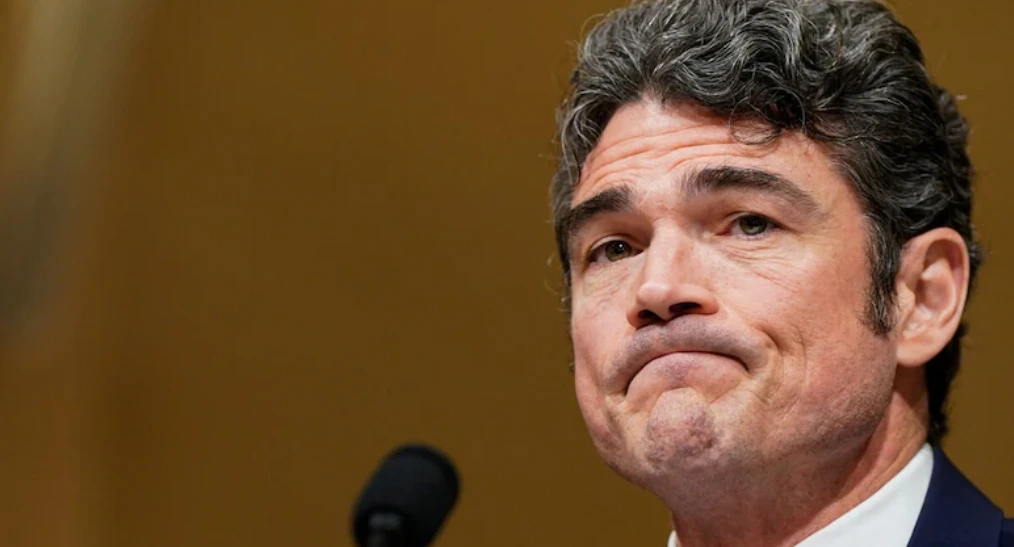
Top US counterterrorism official resigns over Iran war, cites conscience
Joseph Kent steps down as US counterterrorism chief, questioning the justification for the Iran war and citing moral concerns.

Latest world news
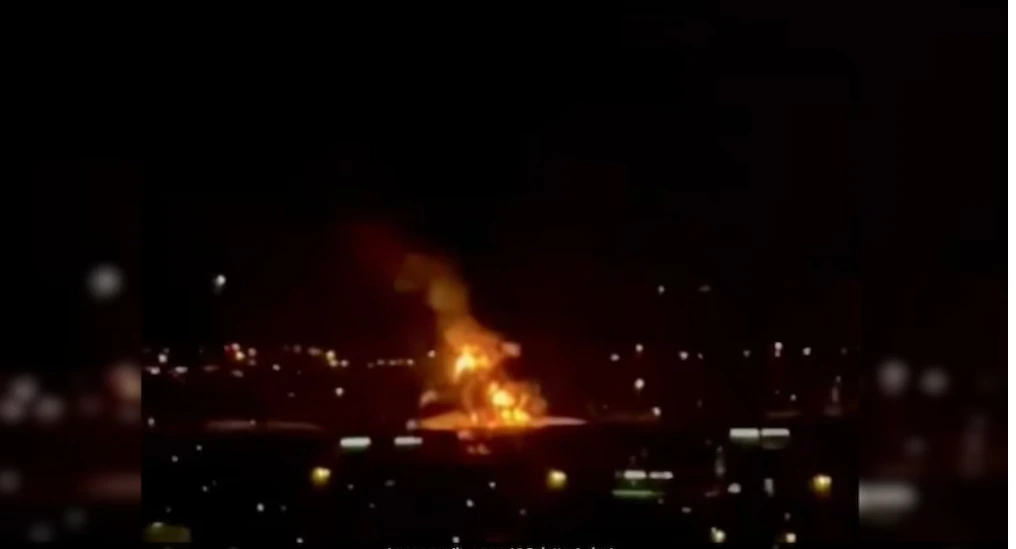
Fire near Dubai International Airport after drone incident, flights temporarily suspended
Flights at Dubai International Airport were temporarily suspended after a drone-related incident caused a fuel tank fire near the facility. Authorities confirmed the blaze was contained and no injuries were reported.
Latest world news
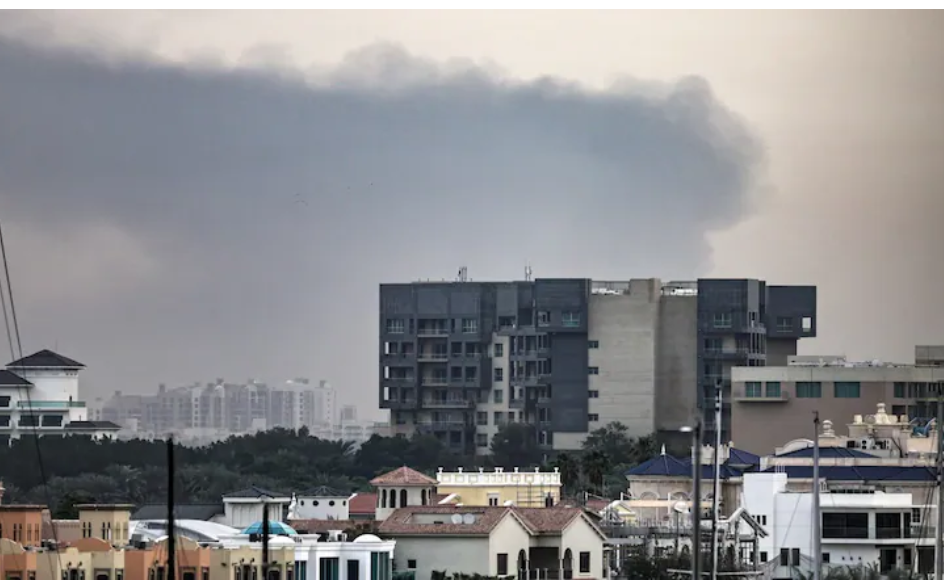
Dubai hit again within 24 hours as debris strikes building, drone targets US embassy in Baghdad
A building in Dubai’s financial hub was struck by debris from an intercepted attack while a drone targeted the US embassy in Baghdad, officials said.

Om Birla likely to move motion to revoke suspension of 8 opposition MPs today

Pakistan airstrike allegations on Kabul hospital leave hundreds dead, claims Taliban

Mamata Banerjee writes to poll chief over officers’ reshuffle, calls move arbitrary

Maharashtra passes freedom of religion bill with jail term up to 10 years

Centre assures action on LPG supply disruption, court closes distributors’ plea

Top US counterterrorism official resigns over Iran war, cites conscience

Mamata Banerjee warns BJP, EC over Bengal polls, says they will be accountable
Centre assures action on LPG supply disruption, court closes distributors’ plea
Om Birla likely to move motion to revoke suspension of 8 opposition MPs today
Maharashtra passes freedom of religion bill with jail term up to 10 years

Afghan Men Try To Hang With The Jet Engine Of The Aircraft in Kabul- Afghanistan News – Kabul News
Trending Top 10 News: 10000 Crore Fine on Flipkart, Apple to Launch Unique Feature, Hdfc Bank Job Ad

Trending Top 10 News: Nokia 6310, Apple sales, Bachpan ka Pyar Video Kid, Dainik Bhaskar IT Raid

Trending Top 10 News: Canada bans Indian flights, Rain in Delhi NCR, AIMIM Twitter hacked, Raj Kundra case

Trending Top 10 News: Shein India, Apple New Service, Pocket Oxygen, Oppo Launched New Phone
-
 India News21 hours ago
Om Birla likely to move motion to revoke suspension of 8 opposition MPs today
-
 India News22 hours ago
Pakistan airstrike allegations on Kabul hospital leave hundreds dead, claims Taliban
-
 India News22 hours ago
Mamata Banerjee writes to poll chief over officers’ reshuffle, calls move arbitrary
-
 India News22 hours ago
Maharashtra passes freedom of religion bill with jail term up to 10 years
-
India News13 hours ago
Centre assures action on LPG supply disruption, court closes distributors’ plea
-
 India News11 hours ago
Mamata Banerjee warns BJP, EC over Bengal polls, says they will be accountable
-
 Latest world news11 hours ago
Top US counterterrorism official resigns over Iran war, cites conscience
