
Latest world news
US Face Worldwide Condemnation for Embassy Relocation


US Administration headed by President Donald Trump was once again faced with worldwide criticism, both friends and foes coming together after relocation of its embassy in Israel from Tel Aviv to Jerusalem saying the move would ignite tension across the Middle East.
US opened its embassy in Jerusalem on Monday amidst presence of Trump’s daughter Ivanka Trump and son-in-law Jared Kushner, both advisors of the President in White House, along with several senior US officials and dignitaries from several countries. However, more than fifty Palestinians were killed by Israeli forces who were protesting on the occasion of Nakaba day.
In the hours leading up to the inauguration, Israeli troops engaged in clashes with Palestinians taking part in mass protests on the Gaza border. The Israeli fire killed 59 Palestinian protesters and wounded dozens others. Monday was also the 70th anniversary of the Nakaba, or “catastrophe” day when Israel was created.
British government, in a statement on Monday, reiterated that PM Theresa May had no plans to move its mission to Jerusalem and still disagreed with the US decision.
“We disagree with the US decision to move its embassy to Jerusalem and recognize Jerusalem as the Israeli capital before a final status agreement. The British embassy to Israel is based in Tel Aviv and we have no plans to move it,” a spokesman for May said in the statement.
Another US ally France also spoke out against the US move, saying it violated “unambiguous” international law and UN Security Council resolutions. French Foreign Minister Jean-Yves Le Drian called on Israeli government to act with caution in the use of force against Palestinian protesters.
Read More: US Prepares to Relocate Its Embassy to Jerusalem
“France calls again for Israeli authorities to act with caution and restraint in the use of force, which must be strictly proportional,” Le Drian said.
He called on Israel “to protect civilians, in particular minors, and Palestinians’ right to protest peacefully,” and said, “It is urgent to reinstate the conditions necessary for the pursuit of a peaceful solution in a regional context already marked by high tensions.”
Meanwhile, Russian Foreign Minister Sergei Lavrov reiterated his country’s objection to the controversial US move, saying his country “has several times offered a platform” for talks on the status of Jerusalem.
The Russian top diplomat said, “We firmly believe that it is inappropriate to unilaterally revise the decisions of the international community in this way.”
Turkish President Recep Tayyip Erdogan, who is travelling to London , said that the US had lost its mediator’s role by moving its embassy to the occupied territories.
While responding to a question during his interaction at London’s prestigious think-tank Chatham House, Erdogan said, “With its latest step America has chosen to be a part of the problem, not a solution, and lost its mediator role in the Middle East peace process. This decision… will increase tensions and ignite an even greater fire between communities.”
Moreover, Turkish Prime Minister Binali Yildirim has also accused the US of sharing responsibility with Israel for a “vile massacre” along the Gaza border, during which dozens of Palestinians were killed by Israeli fire on Monday. “This is … vile massacre and we condemn it strongly,” he added.
Moreover, Bakir Bozdag, spokesman for the Turkish government has called for an emergency meeting of the Organisation of Islamic Cooperation (OIC) this week. He also added that Ankara has recalled its ambassadors to Israel and US for “consultations”. Turkish government has also announced three day of national mourning in solidarity with Palestinians.
Read More : Indian embassy in US alerts of fraudsters calls for money
Ali Shamkhani, Secretary of Iran’s Supreme National Security Council, has lashed out at the US for taking an “illegal” action in moving its embassy to Jerusalem saying US President Donald Trump has become the epitome of anarchism and violence in the international scene.
Moroccan King Mohammed VI has also denounced Washington’s “unilateral decision.” He wrote to Palestinian President Mehmoud Abbas that he was “monitoring with concern” the US recognition of Jerusalem al-Quds as the Israeli capital.
The Egyptian Foreign Ministry has voiced “strong denunciation” of Israel’s use of force against Palestinian civilians and said Cairo “totally supports the legitimate rights of the Palestinian people, and first and foremost its right to an independent state with East Jerusalem as its capital.”
Jordan, the only other country besides Egypt to have peace treaty and diplomatic ties with Israel, has also denounced the US move as “clear violation” of the UN charter.
In a statement, Jordan also “condemned” a unilateral decision by the US president Donald Trump to recognise Jerusalem as Israel’s capital, despite Palestinian claims to part of the disputed city.
The Palestinian president Mehmoud Abbas, who had allegedly been working hand in glove with US and Israeli government till Trump’s Jerusalem move and facing opposition by Hamas for compromising the legitimate Palestinians rights, on Monday declared three days of mourning.
He condemned Israeli “massacres” along the Gaza border after the regime’s forces killed dozens of Palestinians during Monday’s clashes and protests coinciding with the opening of the new US embassy.
Abbas reiterated that “the US is no longer a mediator in the Middle East,” and the new embassy was tantamount to “a new American settler outpost” in Jerusalem.
Moreover, Nabil Abu Rdeineh, spokesman of Mehmoud Abbas further clarified, “With this step, the US administration has cancelled its role in the peace process and has insulted the world, the Palestinian people and the Arab and the Islamic nation and it has created incitement and instability.”
The Palestinian Hamas resistance movement, which was elected to govern democratically in 2006, has also vowed protests would continue.
Read More: US to open embassy in Jerusalem in May 2018
Khalil al-Hayya, a senior Hamas official said, “We say clearly today to all the world that the peaceful march of our people lured the enemy into shedding more blood.” He added that Hamas’s military wing “will not prolong their silence over the crimes of the occupation.”
Saudi Arabia based Al-Arabiya has reported that the Cairo based Arab League, dominated by US allies, has also announced to hold an emergency meeting on Wednesday and discuss Washington’s “illegal” decision to move the US embassy in Israel to Jerusalem.
Saeed Abu Ali, the organisation’s deputy secretary general for Palestinian affairs, said that the meeting will focus on “ways of countering the illegal decision by the United States to move the embassy to Jerusalem”.
He told the journalists that the permanent representatives of the member countries would meet “at the request of the state of Palestine”.
Saudi Arabia’s official Al-Arabiya newspaper reports that Israel considers the entire city as its capital, while the Palestinians see east Jerusalem as the capital of their future state.




Latest world news
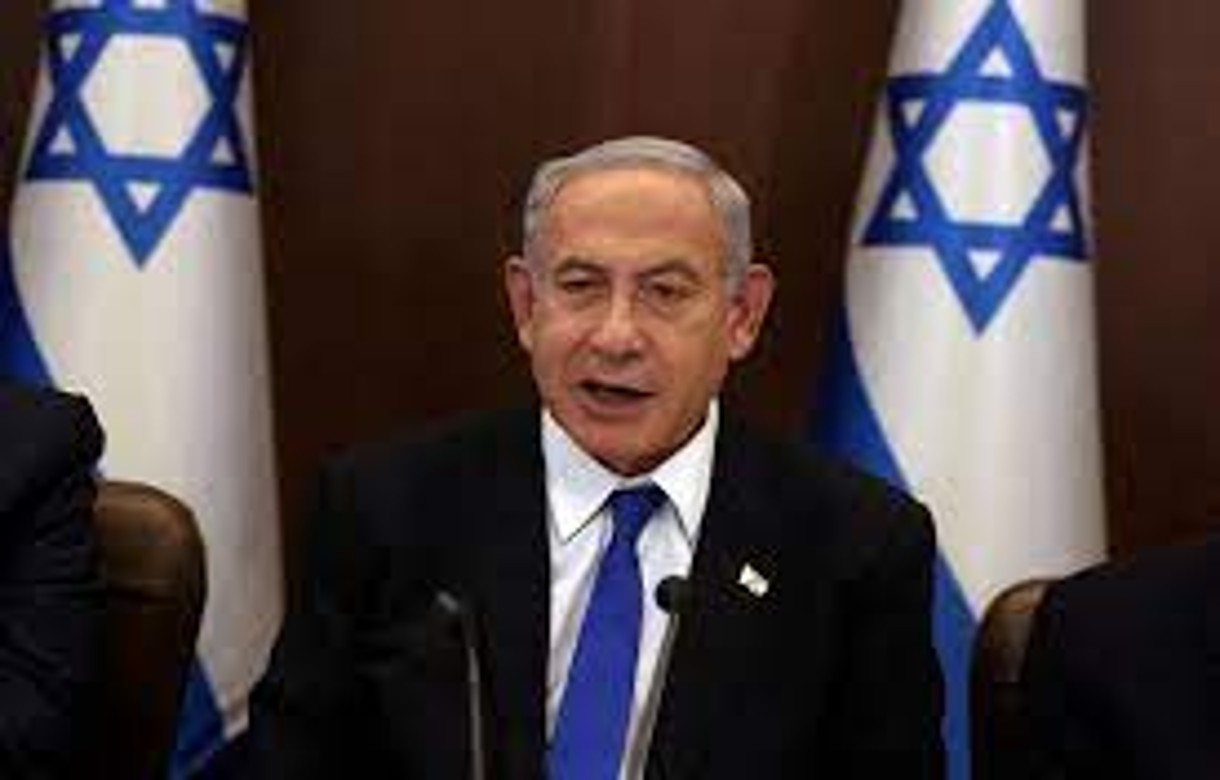
Netanyahu dismisses death rumours in video with US envoy, says I’m alive
Israel PM Benjamin Netanyahu has denied viral claims about his death, appearing in a video with US envoy Mike Huckabee and mocking online conspiracy theories.

Latest world news
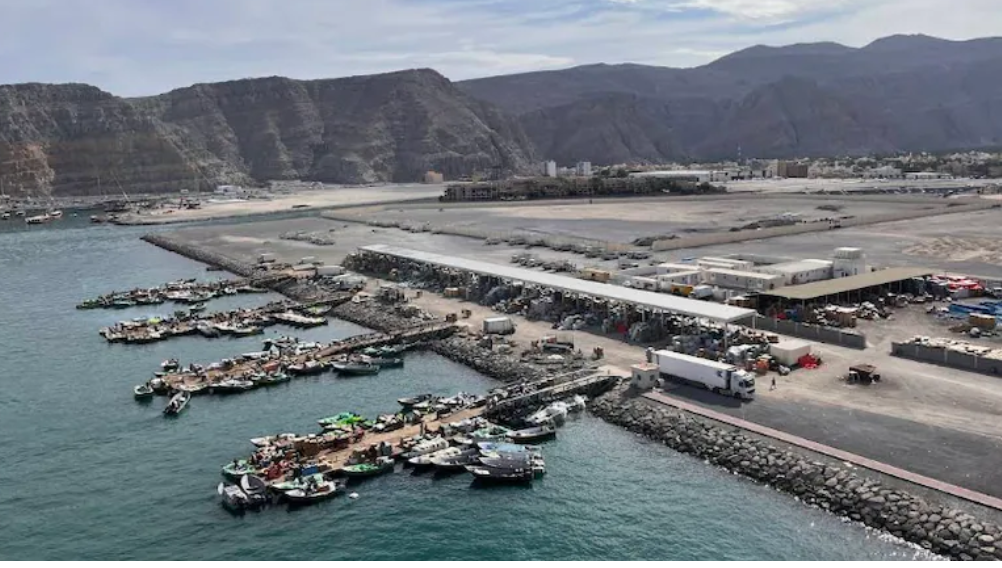
US strikes Iranian missile sites near Hormuz with 5,000-pound bunker buster bombs
US forces hit Iranian missile positions near the Strait of Hormuz using deep penetrator bombs to counter threats to global shipping.
Latest world news
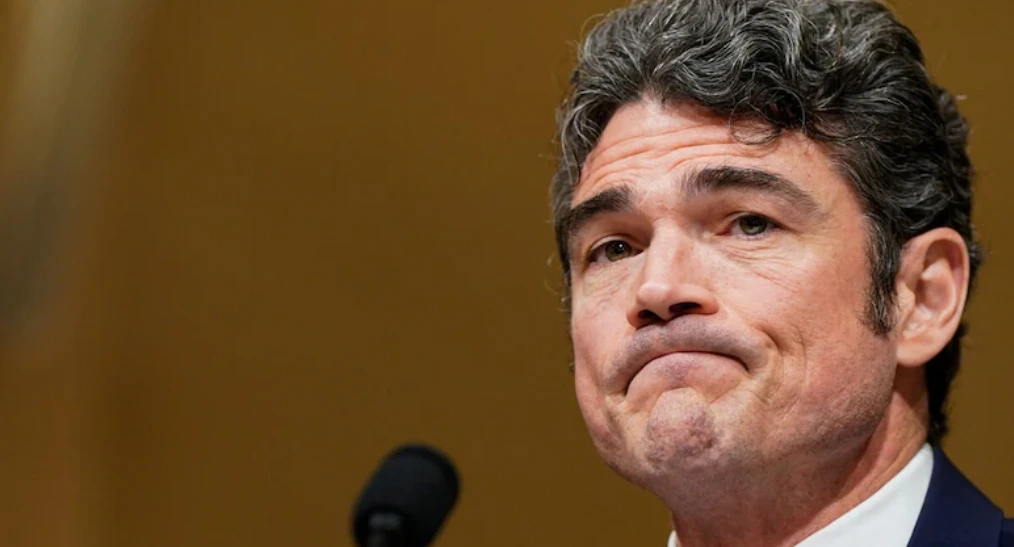
Top US counterterrorism official resigns over Iran war, cites conscience
Joseph Kent steps down as US counterterrorism chief, questioning the justification for the Iran war and citing moral concerns.
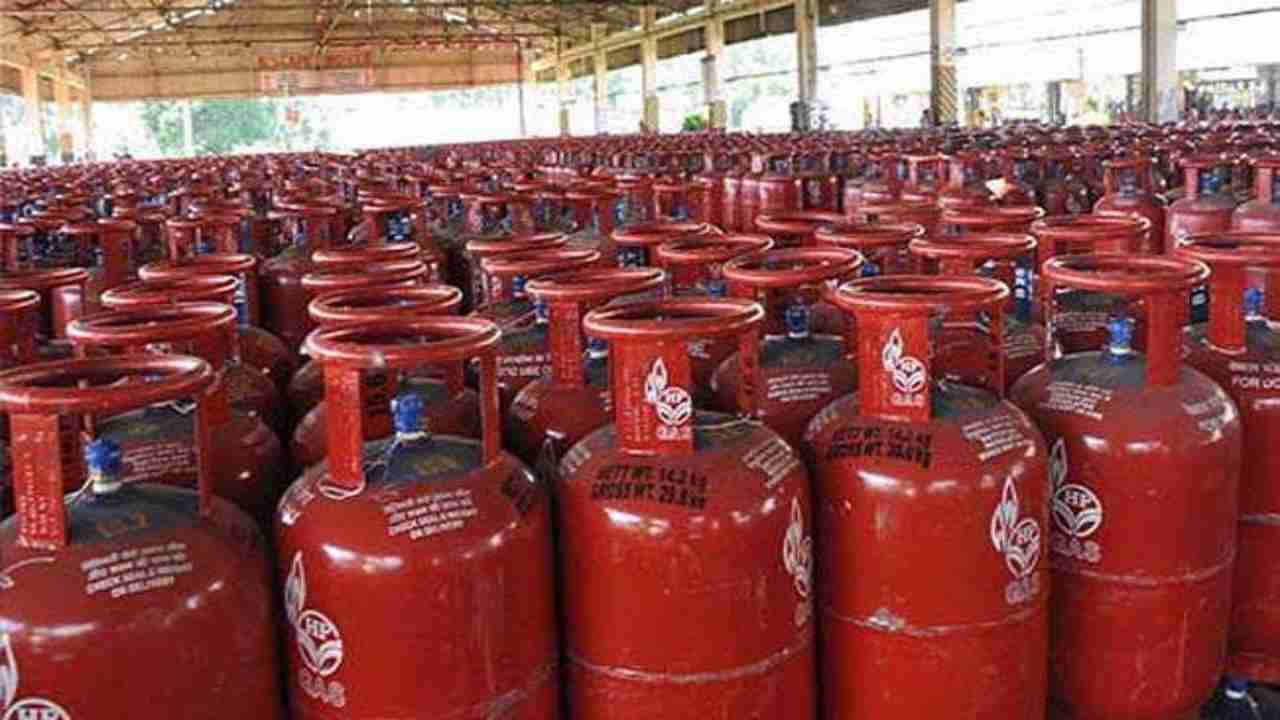
Centre assures action on LPG supply disruption, court closes distributors’ plea

Mamata Banerjee warns BJP, EC over Bengal polls, says they will be accountable

Top US counterterrorism official resigns over Iran war, cites conscience

US strikes Iranian missile sites near Hormuz with 5,000-pound bunker buster bombs

Netanyahu dismisses death rumours in video with US envoy, says I’m alive

Delhi Palam fire leaves 6 dead, massive rescue operation underway

Centre mandates 60% free seat allocation on flights, caps selection fees
Netanyahu dismisses death rumours in video with US envoy, says I’m alive
US strikes Iranian missile sites near Hormuz with 5,000-pound bunker buster bombs
Top US counterterrorism official resigns over Iran war, cites conscience

Afghan Men Try To Hang With The Jet Engine Of The Aircraft in Kabul- Afghanistan News – Kabul News
Trending Top 10 News: 10000 Crore Fine on Flipkart, Apple to Launch Unique Feature, Hdfc Bank Job Ad

Trending Top 10 News: Nokia 6310, Apple sales, Bachpan ka Pyar Video Kid, Dainik Bhaskar IT Raid

Trending Top 10 News: Canada bans Indian flights, Rain in Delhi NCR, AIMIM Twitter hacked, Raj Kundra case

Trending Top 10 News: Shein India, Apple New Service, Pocket Oxygen, Oppo Launched New Phone
-
India News19 hours ago
Centre assures action on LPG supply disruption, court closes distributors’ plea
-
 India News17 hours ago
Mamata Banerjee warns BJP, EC over Bengal polls, says they will be accountable
-
 Latest world news17 hours ago
Top US counterterrorism official resigns over Iran war, cites conscience
-
 Latest world news4 hours ago
US strikes Iranian missile sites near Hormuz with 5,000-pound bunker buster bombs
-
 Latest world news4 hours ago
Netanyahu dismisses death rumours in video with US envoy, says I’m alive
-
 India News3 hours ago
Centre mandates 60% free seat allocation on flights, caps selection fees
-
 India News2 hours ago
Delhi Palam fire leaves 6 dead, massive rescue operation underway
