
India News
Five years of demonetisation: A quick look at how it affected the economy
Despite the government’s attempts to encourage payment digitization and discourage cash transactions, cash transactions in the country continue to rise gradually.

By: Kritika Bobal
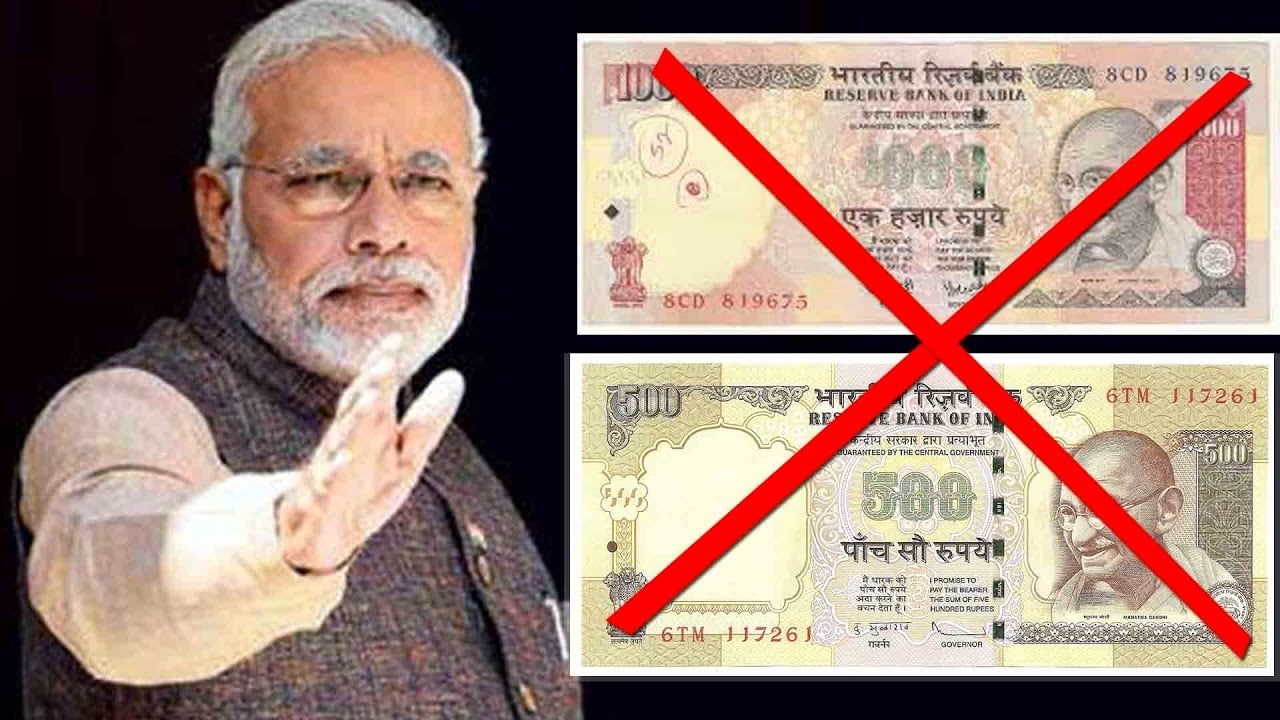
It was a normal day for everyone until 8:15 p.m. when Prime Minister Narendra Modi jolted the country by stripping a monetary unit of its legal tender status. PM Modi stated that Rs 500 and Rs 1,000 notes—86 percent of all currency notes in circulation in terms of value—would be pulled from the circulation and will no longer be accepted as legal tender after 12 a.m.
In compensation for the demonetised banknotes, it also announced the issuance of new 500 and 2,000 currency notes. This sudden announcement not only tremored the souls of the poor but also affected the middle-class people, mainly the businessmen.
The country’s unorganized sector, which includes small-scale companies and micro home units, collapsed overnight. Millions of such units that relied on real currency watched their banknotes degrade into mere scraps of paper overnight. To compensate for the loss incurred during the fiscal term, the organized sector was forced to lay off workers.
The objective of demonetisation was to eradicate black money, reduce the use of fake notes, increasing digitization, and ease the transition of India’s non-formal sector into a formal sector. However, the idea backfired substantially in the days that followed, as persistent cash shortages disrupted people’s daily lives.
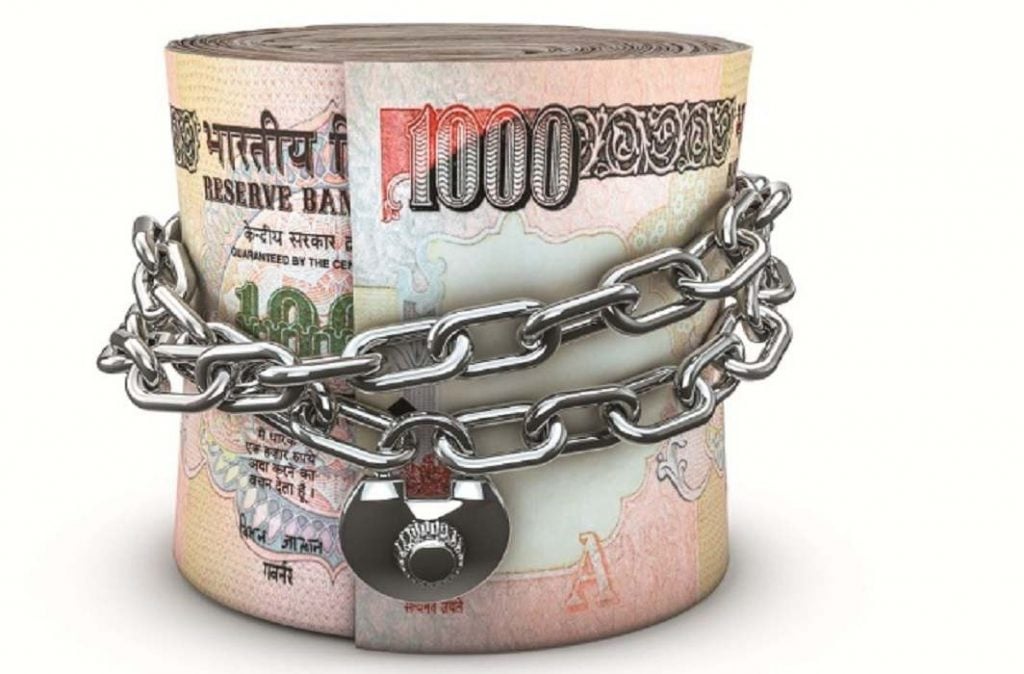
People who wanted to exchange their money had to wait in long queues, and numerous people died around the nation. The crisis continued, and individuals in misery waited for hours in front of banks, even after December 30, 2016, the final day the RBI allowed residents to deposit their old notes.
Despite fears of an economic disaster hovering over the country in recent years, the economy has managed to leapfrog in recent years, five years after the government declared demonetisation. Despite the government’s attempts to encourage payment digitization and discourage cash transactions, cash transactions in the country continue to rise gradually. Similarly, the country’s cash-to-GDP ratio fell from 12 percent as a result of demonetization but recovered in later years.
Read Also: Punjab CM: Petrol price cut by Rs 10, diesel by Rs 5
According to National Crime Records Bureau statistics, the number of reported instances for making Fake Indian Currency Notes increased 190.5 percent from 2019 to 2020, an 11.7 percent increase. Similarly, there was an 11.7 percent rise in occurrences of counterfeit cash notes in 2019 compared to 2018.
In Tamil Nadu, a 65-year-old visually impaired man has filed a petition with the Krishnagiri district collector’s office, requesting to exchange his old demonetized notes of Rs 500 and Rs 1,000, amounting to Rs. 65,000 in total. He stated that the money was his life savings, which he earned via begging.


India News
Actor Imran Khan asked to leave India after CJP protest
Actor Imran Khan has been asked to leave India by October 28, days after participating in a protest called by the Cockroach Janta Party (CJP) in Mumbai.


India News
Election Commission orders voter roll revision in 17 states, UTs
The Election Commission has ordered a Special Summary Revision of electoral rolls in 17 states and Union Territories. Draft rolls are scheduled for November 12, with final rolls due on January 4, 2027.

India News
India-US trade deal first phase finalised, drafting underway
The first phase of the India-US trade agreement has been finalised and is undergoing legal drafting, Commerce Minister Piyush Goyal said. The deal is expected to be operationalised once India secures a competitive advantage over peer countries.

Supreme Court questions EC over missing records in Sringeri election dispute

Dhruv Rathee gets fresh summons in 2018 BJP IT cell video case

Nobody can browbeat judiciary, Chief Justice warns over Rahul Gandhi’s march

India-US trade deal first phase finalised, drafting underway

Election Commission orders voter roll revision in 17 states, UTs

Actor Imran Khan asked to leave India after CJP protest
Election Commission orders voter roll revision in 17 states, UTs
India-US trade deal first phase finalised, drafting underway
Nobody can browbeat judiciary, Chief Justice warns over Rahul Gandhi’s march
Dhruv Rathee gets fresh summons in 2018 BJP IT cell video case

Afghan Men Try To Hang With The Jet Engine Of The Aircraft in Kabul- Afghanistan News – Kabul News
Trending Top 10 News: 10000 Crore Fine on Flipkart, Apple to Launch Unique Feature, Hdfc Bank Job Ad

Trending Top 10 News: Nokia 6310, Apple sales, Bachpan ka Pyar Video Kid, Dainik Bhaskar IT Raid

Trending Top 10 News: Canada bans Indian flights, Rain in Delhi NCR, AIMIM Twitter hacked, Raj Kundra case

Trending Top 10 News: Shein India, Apple New Service, Pocket Oxygen, Oppo Launched New Phone
-
 India News24 hours ago
Supreme Court questions EC over missing records in Sringeri election dispute
-
 India News11 hours ago
Dhruv Rathee gets fresh summons in 2018 BJP IT cell video case
-
 India News8 hours ago
Nobody can browbeat judiciary, Chief Justice warns over Rahul Gandhi’s march
-
 India News4 hours ago
India-US trade deal first phase finalised, drafting underway
-
 India News1 hour ago
Election Commission orders voter roll revision in 17 states, UTs
-
 India News56 mins ago
Actor Imran Khan asked to leave India after CJP protest
