
India News
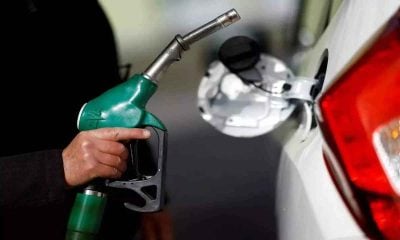
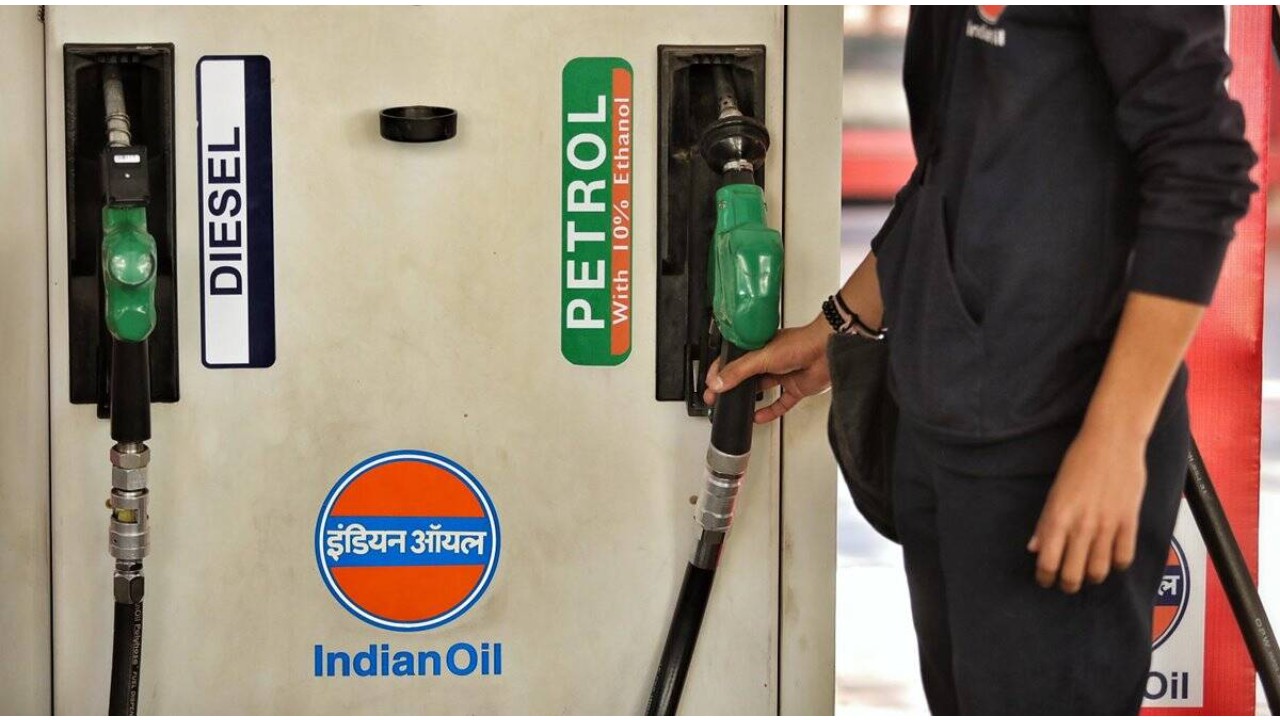
Fuel rates on November 27: Check how much you have to pay for petrol and diesel prices in your city
Prior to the tax cuts, petrol and diesel prices had risen by more than Rs 26 per litre since January 1, 2021. Check fuel prices on November 27.





India News
PM Modi speaks to Trump, reviews India-US trade and defence ties
Prime Minister Narendra Modi spoke with US President Donald Trump and reviewed India-US bilateral cooperation, including trade and defence.

India News
Vote Chori Row: INDIA Bloc to march to Election Commission office
The INDIA bloc is planning a march to the Election Commission office and nationwide protests amid its ongoing dispute with the poll panel.
India News
EC removes SIR declaration from Form 6 on ECINET portal
The Election Commission has removed the SIR-related declaration from online Form 6 on ECINET in states where the Special Intensive Revision process has concluded.

INDIA Bloc to meet today over SIR, Gyanesh Kumar and Election Commission

BJP’s Patiala farmer outreach triggers row over BKU Shadipur claim

Sonia Gandhi snaps at Digvijaya Singh over Nitish Kumar remark

EC removes SIR declaration from Form 6 on ECINET portal

Vote Chori Row: INDIA Bloc to march to Election Commission office

PM Modi speaks to Trump, reviews India-US trade and defence ties
Vote Chori Row: INDIA Bloc to march to Election Commission office
EC removes SIR declaration from Form 6 on ECINET portal
Sonia Gandhi snaps at Digvijaya Singh over Nitish Kumar remark
BJP’s Patiala farmer outreach triggers row over BKU Shadipur claim

Afghan Men Try To Hang With The Jet Engine Of The Aircraft in Kabul- Afghanistan News – Kabul News
Trending Top 10 News: 10000 Crore Fine on Flipkart, Apple to Launch Unique Feature, Hdfc Bank Job Ad

Trending Top 10 News: Nokia 6310, Apple sales, Bachpan ka Pyar Video Kid, Dainik Bhaskar IT Raid

Trending Top 10 News: Canada bans Indian flights, Rain in Delhi NCR, AIMIM Twitter hacked, Raj Kundra case

Trending Top 10 News: Shein India, Apple New Service, Pocket Oxygen, Oppo Launched New Phone
-
 India News12 hours ago
INDIA Bloc to meet today over SIR, Gyanesh Kumar and Election Commission
-
 India News12 hours ago
BJP’s Patiala farmer outreach triggers row over BKU Shadipur claim
-
 India News11 hours ago
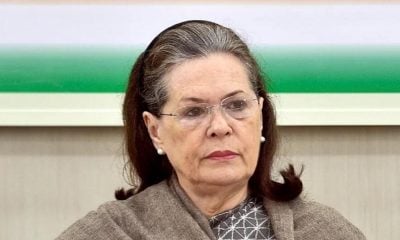
Sonia Gandhi snaps at Digvijaya Singh over Nitish Kumar remark
-
 India News7 hours ago
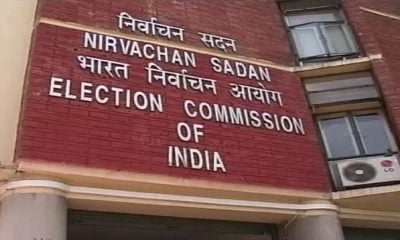
EC removes SIR declaration from Form 6 on ECINET portal
-
 India News2 hours ago
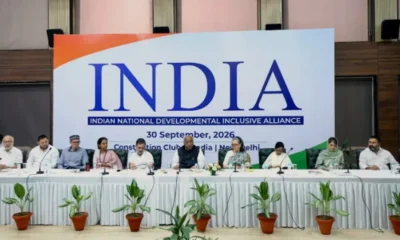
Vote Chori Row: INDIA Bloc to march to Election Commission office
-
 India News2 hours ago
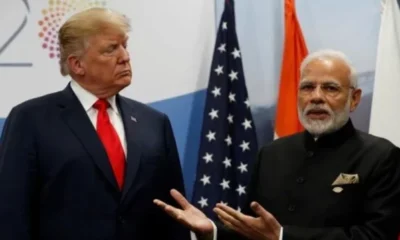
PM Modi speaks to Trump, reviews India-US trade and defence ties
Fuel rates on November 27: Check how much you have to pay for petrol and diesel prices in your city
India News
PM Modi speaks to Trump, reviews India-US trade and defence ties
Prime Minister Narendra Modi spoke with US President Donald Trump and reviewed India-US bilateral cooperation, including trade and defence.
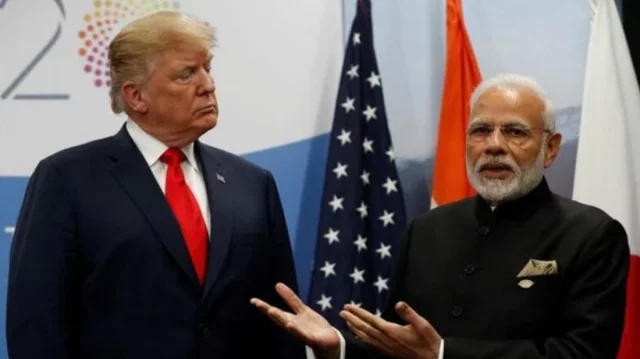
Prime Minister Narendra Modi spoke with US President Donald Trump on Wednesday and reviewed key areas of India-US bilateral cooperation, including trade and defence.
The conversation came as the two countries continue discussions on strengthening their broader partnership, with economic and strategic issues forming an important part of the engagement.
Modi, Trump discuss key areas of bilateral cooperation
During the phone conversation, Modi and Trump reviewed cooperation between India and the United States across several areas.
Trade and defence were among the key subjects discussed by the two leaders. Their conversation also covered energy and emerging technologies, reflecting the broad scope of the India-US partnership.
The two leaders also discussed issues linked to regional and global peace and security.
India-US trade talks continue
The conversation took place amid ongoing trade discussions between India and the United States.
India’s Commerce and Industry Minister Piyush Goyal is visiting the US from September 29 to October 5 for discussions related to an interim trade agreement and the possibility of a broader bilateral trade deal.
The talks are aimed at advancing trade engagement between the two countries as officials work towards an agreement that is described as balanced and mutually beneficial.
Defence and strategic cooperation
Defence cooperation was another area reviewed by Modi and Trump during their conversation.
India and the US have developed broader cooperation across defence and strategic sectors, and the latest discussion included the two countries’ continuing engagement in this area.
Energy and emerging technologies were also part of the leaders’ discussion, underlining the range of issues covered during the phone call.
Modi-Trump discuss regional and global issues
Beyond bilateral matters, Modi and Trump also discussed regional and global peace and security.
The conversation comes as India and the US continue to engage on issues extending beyond their bilateral relationship.
The latest phone call is part of the continuing engagement between the two leaders on strengthening cooperation across trade, defence and other areas of mutual interest.
India News
Vote Chori Row: INDIA Bloc to march to Election Commission office
The INDIA bloc is planning a march to the Election Commission office and nationwide protests amid its ongoing dispute with the poll panel.
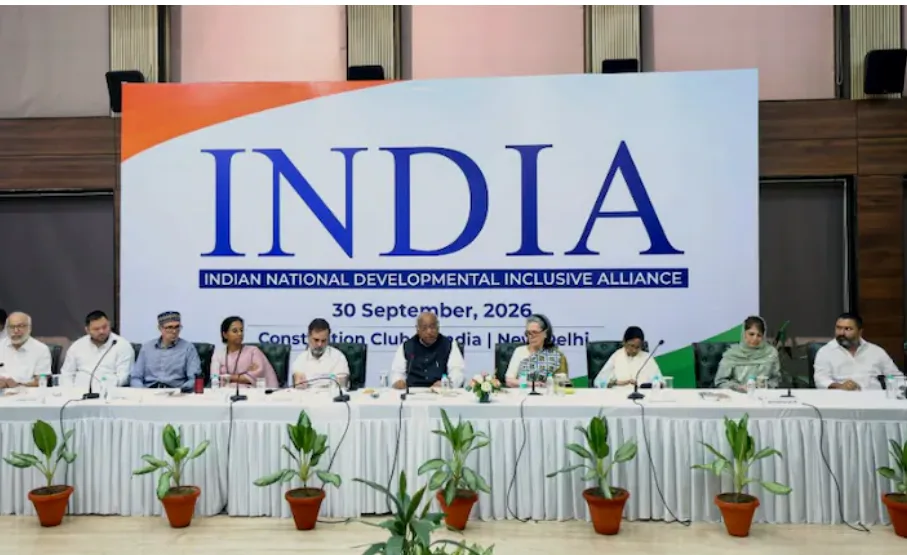
The Opposition INDIA bloc is stepping up its campaign against the Election Commission, with the alliance planning a march to the poll body’s office in Delhi and a larger programme of protests over what it calls “vote chori”.
The move comes amid a continuing dispute between the Opposition and the Election Commission over the functioning of the poll panel, including the Special Intensive Revision (SIR) of electoral rolls.
The INDIA bloc is also discussing a wider nationwide agitation, with public rallies and protests planned in different parts of the country. The alliance is expected to finalise its broader action plan during its meeting in Delhi.
INDIA bloc plans wider protest campaign
The Opposition alliance has been intensifying its criticism of Chief Election Commissioner Gyanesh Kumar following reports about differences among Election Commissioners over decisions related to electoral rolls.
The Congress Working Committee has already demanded the removal of Gyanesh Kumar. The INDIA bloc is now considering coordinated action against the Chief Election Commissioner and the Centre.
The proposed campaign includes protests and public rallies across the country. A major rally in Delhi is also being planned as part of the Opposition’s wider mobilisation.
Opposition’s allegations against poll panel
The Opposition has accused the Election Commission of irregularities in the revision and preparation of electoral rolls and has repeatedly used the term “vote chori” while raising its concerns.
Rahul Gandhi has alleged that the poll panel’s actions have helped the BJP gain an advantage. The Election Commission and the government have rejected the Opposition’s criticism and defended the electoral process and the SIR exercise.
The dispute has intensified following reports that Election Commissioners Sukhbir Singh Sandhu and Vivek Joshi had formally raised objections on several occasions over decisions taken under Chief Election Commissioner Gyanesh Kumar.
INDIA bloc meeting to decide next steps
Leaders of more than 20 Opposition parties are taking part in discussions on the next phase of the campaign. Congress leaders including Mallikarjun Kharge, Rahul Gandhi and Sonia Gandhi are representing the party.
Other INDIA bloc constituents are also participating, while some parties have decided to support the Opposition’s position without attending the meeting.
The alliance is discussing both street protests and parliamentary action against the Chief Election Commissioner. The Congress has demanded his removal, while other Opposition parties have backed the broader campaign over the Election Commission row.
The INDIA bloc’s proposed march and rallies are part of its continuing effort to put pressure on the poll panel over electoral-roll revisions and its allegations of irregularities in the electoral process.
India News
EC removes SIR declaration from Form 6 on ECINET portal
The Election Commission has removed the SIR-related declaration from online Form 6 on ECINET in states where the Special Intensive Revision process has concluded.
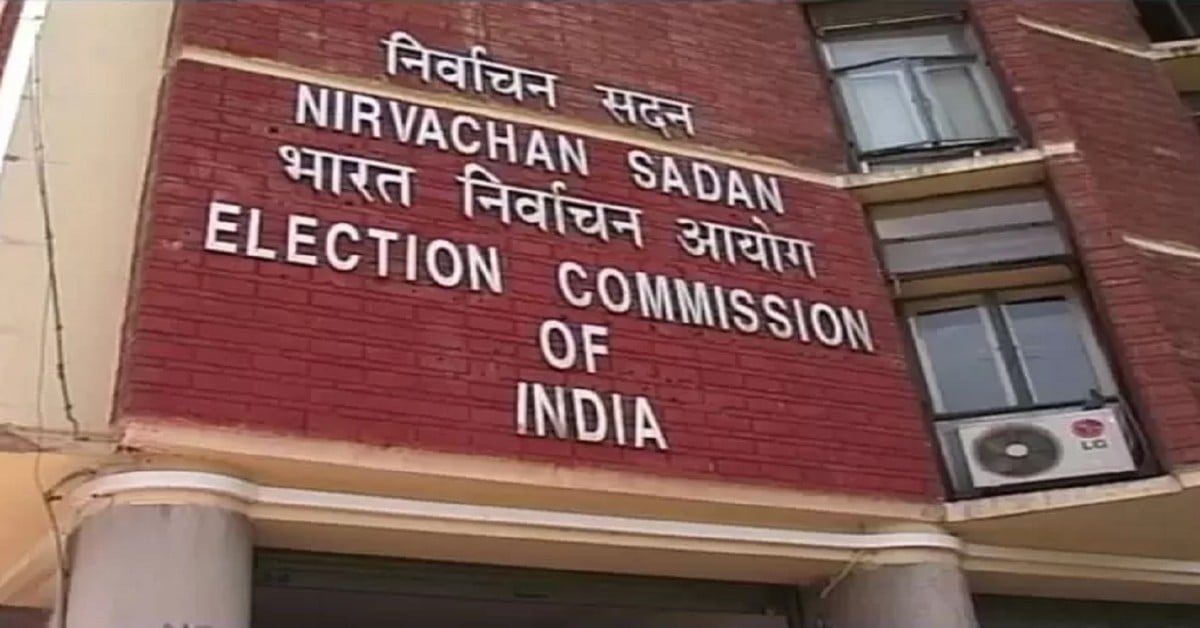
The Election Commission has removed the Special Intensive Revision (SIR)-related declaration from the online version of Form 6 on its ECINET portal in states where the SIR process has concluded.
The change comes days after the poll panel said that the standard forms prescribed under the Registration of Electors Rules, 1960 would be used outside the SIR period. The latest move follows objections raised by two Election Commissioners over the inclusion of the additional declaration in Form 6.
What was the SIR declaration in Form 6?
Form 6 is used by eligible citizens to apply for inclusion in the electoral roll. The online version of the form had earlier included an additional declaration linked to the SIR exercise.
The section asked applicants to indicate whether their own name, or that of a parent or grandparent, appeared in the electoral roll during the previous SIR. According to earlier reporting, applicants could not proceed with the online application without responding to the question, even though the section itself was not marked as mandatory.
The statutory Form 6, however, had not itself been amended when the additional section was introduced on the ECINET portal.
Two Election Commissioners had objected
Election Commissioners Sukhbir Singh Sandhu and Vivek Joshi had raised objections to the change in Form 6.
According to internal records cited in the report, both commissioners had argued that statutory forms could not be changed without amending the Registration of Electors Rules, 1960. They had also called for the additional declaration to be removed.
The objections were part of a wider series of disagreements recorded by the two commissioners over various decisions connected with the SIR exercise and electoral-roll management.
Declaration removed where SIR has concluded
The latest change does not mean that the SIR-related provision has been removed everywhere. The report says the declaration has been taken off the online Form 6 in states where the SIR process has concluded, while the provision remains in states where the exercise is still underway.
The development follows an Election Commission meeting on September 26, when the poll panel said that forms prescribed under the Registration of Electors Rules would apply outside the SIR period. The Commission also announced a review of the ECINET system to check its compliance with the relevant laws and rules.
The ECINET review committee is headed by a Senior Deputy Election Commissioner and includes an independent expert from an IIT or IIIT, according to the Commission’s announcement.
Wider questions over SIR process
The Form 6 issue is part of a broader debate over the Election Commission’s handling of the SIR exercise. The two Election Commissioners have formally recorded objections on multiple occasions, including over changes to voter-registration procedures and aspects of electoral-roll management.
The Election Commission, meanwhile, has said that its SIR-related decisions were taken unanimously and has announced several procedural and technology-related measures amid the controversy.
-
India News12 hours ago
INDIA Bloc to meet today over SIR, Gyanesh Kumar and Election Commission
-
India News12 hours ago
BJP’s Patiala farmer outreach triggers row over BKU Shadipur claim
-
India News11 hours ago
Sonia Gandhi snaps at Digvijaya Singh over Nitish Kumar remark
-
India News7 hours ago
EC removes SIR declaration from Form 6 on ECINET portal
-
India News2 hours ago
Vote Chori Row: INDIA Bloc to march to Election Commission office
-
India News2 hours ago
PM Modi speaks to Trump, reviews India-US trade and defence ties
