
India News
Amid new Covid variant Omicron, check out the new guidelines issued by THESE states
Earlier this week, the Centre has also issued guidelines and asked state governments to verify that all international travellers arriving in India from at-risk nations undergo rigorous screening and testing because of the Omicron variant.

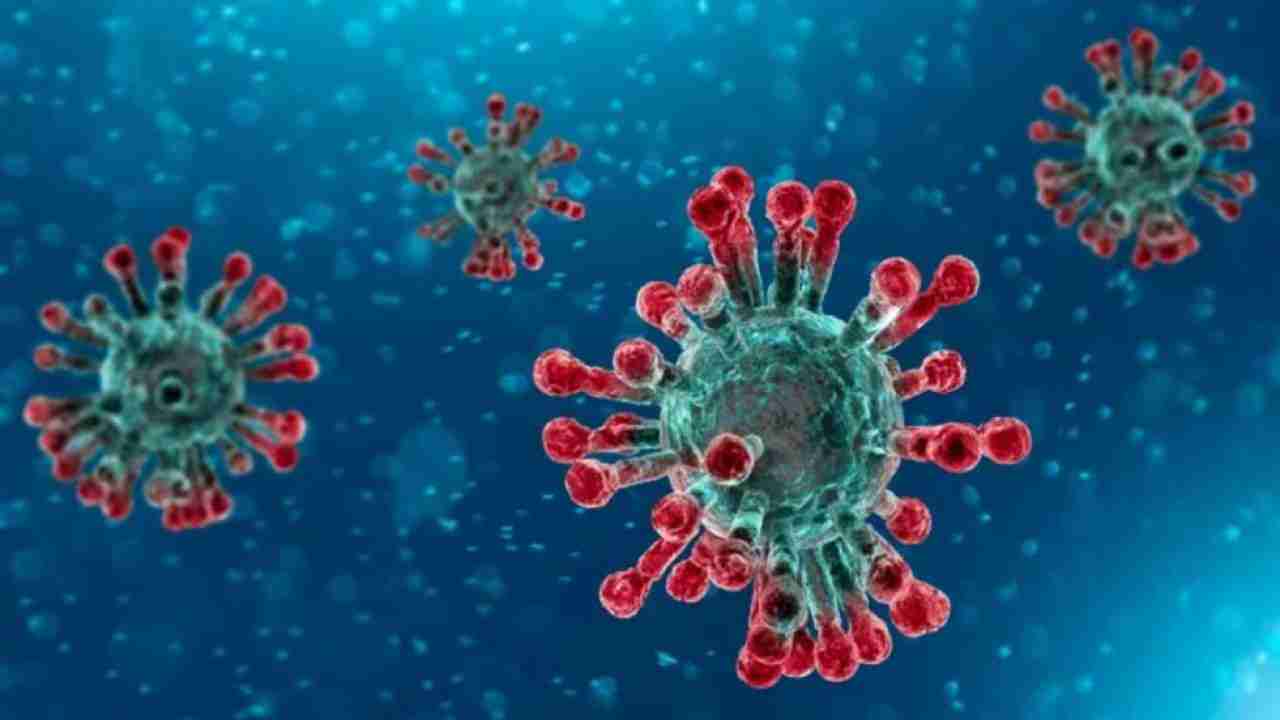
Amid the rising concerns and emergence of a new variant of coronavirus Omicron, Indian states have issued fresh Covid-19 guidelines as precautionary measures. Many states such as Uttarakhand, Maharashtra, Uttar Pradesh, Karnataka, Haryana, Punjab, Gujarat, Tamil Nadu, Odisha, West Bengal and Kerala have updated their coronavirus guidelines for people entering these states.
Earlier this week, the Centre has also asked state governments to verify that all international travellers arriving in India from ‘at risk’ nations undergo ‘rigorous screening and testing.’
Which countries are ‘at risk’?
The UK, entire Europe and 11 countries – South Africa, Brazil, Bangladesh, Botswana, China, Mauritius, New Zealand, Zimbabwe, Singapore, Hong Kong and Israel are at-risk.
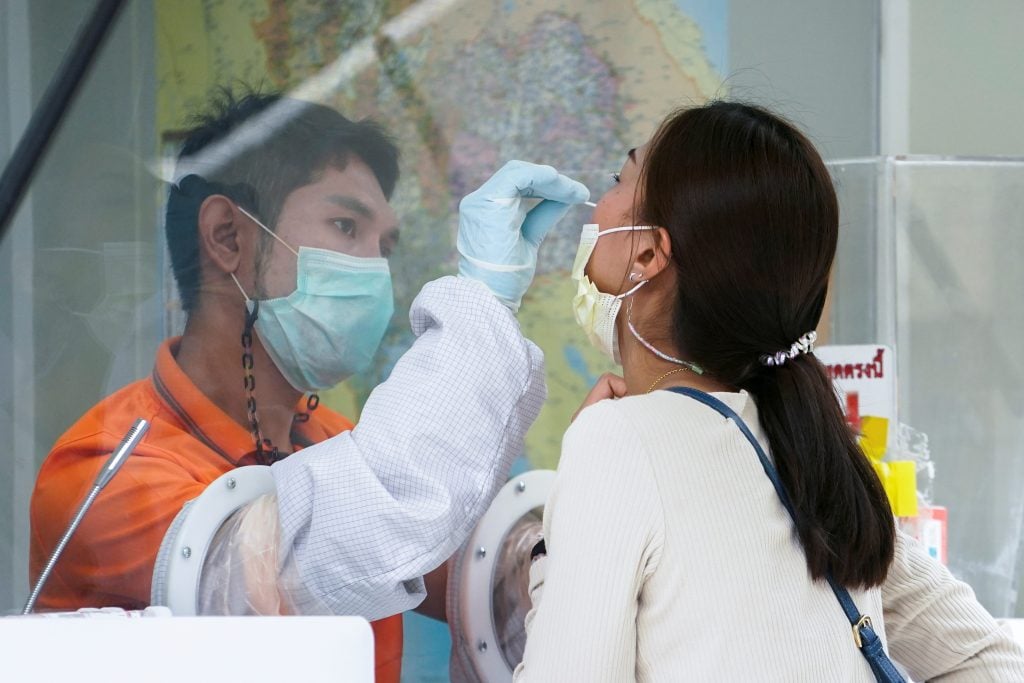
States and their new guidelines
- Uttarakhand
Mandatory RT-PCR Covid-19 test for people travelling from other states.
Covid-19 test to be conducted at various border entry points.
14-day quarantine if tested positive.
Monitoring teams to be formed at the district level for proper prevention against Omicron variant. - Maharashtra
All domestic travellers visiting the state must be fully vaccinated or carry a 72-hour RT-PCR test.
If found violating Covid rules in Taxi/Bus or any 4 wheeler, defaulter will be fined ₹500 along with the driver/conductor.
Owner transport agency in cases of buses shall be fined ₹1000. - Uttar Pradesh
People travelling from at-risk nations in the state should be rigorously screened.
Covid positive passengers will have to stay in isolation for 10 days. - Karnataka
International arrivals from South Africa, Botswana, and Hong Kong must undergo RT-PCR testing for Covid-19 and will only be allowed to depart the airport/port of entry if the test is negative.
People who have arrived in the last 15 days from these three countries will be monitored and asked to repeat RT-PCR testing.
Those who are tested positive must be placed under institutional isolation in a hospital for a minimum of ten days.
Those who have negative test certificates with two doses of vaccines will be allowed to cross over into Karnataka.
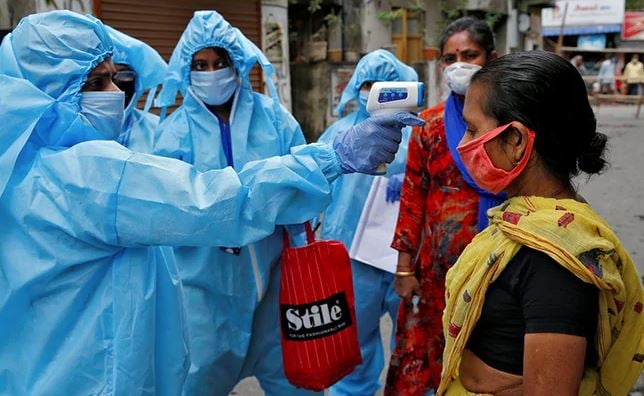
- Tamil Nadu
Screening and testing passengers against Covid-19 at four international airports- Chennai, Madurai, Trichy and Coimbatore.
Intensively monitoring of passengers from at-risk countries and asked to repeat RT-PCR testing after 8 days. - Odisha
Mandatory quarantine for 10 days.
Screening of international passengers at the entry point of Bhubaneswar international airport. - Kerala
The government has increased monitoring at all four international airports and advised foreign visitors to stay for seven days under quarantine.
Those coming from affected nations, have to go undergo a Covid-19 test again as they arrive in the state.
Meanwhile, a man travelling from South Africa lands in Mumbai via Delhi tests Covid positive amid rising concerns over the omicron variant in the nation. Soon after, the travellers were asked to leave the airport and the infected person has been kept in isolation.
India News
Delhi Police offers 11-person limit for CJP’s Connaught Place protest
Delhi Police has offered to facilitate a group of 11 people at Central Park in Connaught Place for the Cockroach Janata Party’s October 16 protest, while warning that violations of prohibitory orders could invite legal action.


India News
Actor Imran Khan asked to leave India after CJP protest
Actor Imran Khan has been asked to leave India by October 28, days after participating in a protest called by the Cockroach Janta Party (CJP) in Mumbai.
India News
Election Commission orders voter roll revision in 17 states, UTs
The Election Commission has ordered a Special Summary Revision of electoral rolls in 17 states and Union Territories. Draft rolls are scheduled for November 12, with final rolls due on January 4, 2027.

Dhruv Rathee gets fresh summons in 2018 BJP IT cell video case

Nobody can browbeat judiciary, Chief Justice warns over Rahul Gandhi’s march

India-US trade deal first phase finalised, drafting underway

Election Commission orders voter roll revision in 17 states, UTs

Actor Imran Khan asked to leave India after CJP protest

Delhi Police offers 11-person limit for CJP’s Connaught Place protest
Actor Imran Khan asked to leave India after CJP protest
Election Commission orders voter roll revision in 17 states, UTs
India-US trade deal first phase finalised, drafting underway
Nobody can browbeat judiciary, Chief Justice warns over Rahul Gandhi’s march

Afghan Men Try To Hang With The Jet Engine Of The Aircraft in Kabul- Afghanistan News – Kabul News
Trending Top 10 News: 10000 Crore Fine on Flipkart, Apple to Launch Unique Feature, Hdfc Bank Job Ad

Trending Top 10 News: Nokia 6310, Apple sales, Bachpan ka Pyar Video Kid, Dainik Bhaskar IT Raid

Trending Top 10 News: Canada bans Indian flights, Rain in Delhi NCR, AIMIM Twitter hacked, Raj Kundra case

Trending Top 10 News: Shein India, Apple New Service, Pocket Oxygen, Oppo Launched New Phone
-
 India News21 hours ago
Dhruv Rathee gets fresh summons in 2018 BJP IT cell video case
-
 India News18 hours ago
Nobody can browbeat judiciary, Chief Justice warns over Rahul Gandhi’s march
-
 India News14 hours ago
India-US trade deal first phase finalised, drafting underway
-
 India News11 hours ago
Election Commission orders voter roll revision in 17 states, UTs
-
 India News11 hours ago
Actor Imran Khan asked to leave India after CJP protest
-
 India News10 hours ago
Delhi Police offers 11-person limit for CJP’s Connaught Place protest
