
India News
I-T raids Karnataka minister DK Shivakumar, Congress creates furore in Parliament; calls it “unprecedented witch-hunt” by BJP

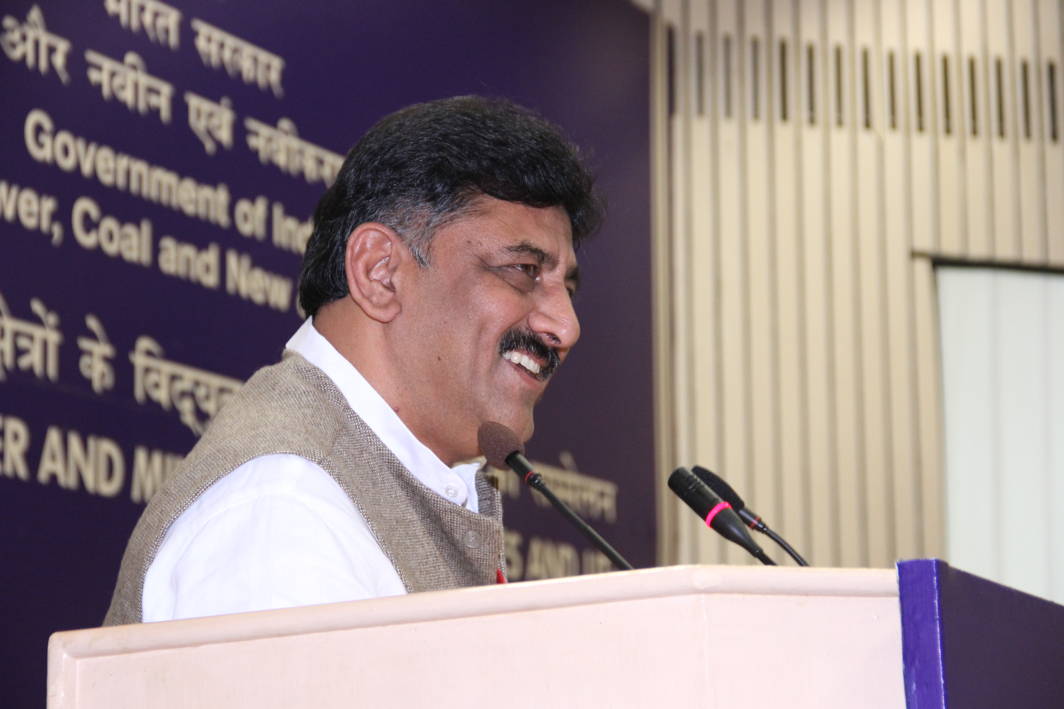
[vc_row][vc_column][vc_column_text]Shivakumar and his brother are hosting 44 Congress MLAs from Gujarat at a resort in Bengaluru to guard against BJP’s alleged attempts of horse-trading ahead of the Rajya Sabha polls due on August 8
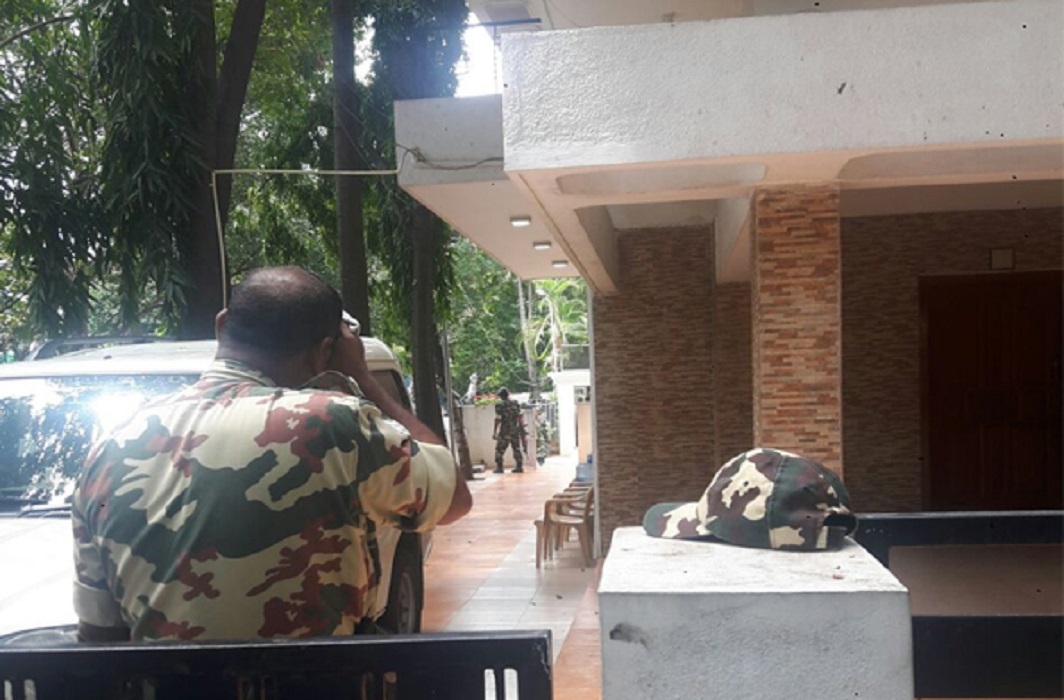
The Income Tax department, on Wednesday morning, conducted raids at Karnataka’s Energy Minister DK Shivakumar’s houses and at the Eagleton Golf resort in Bengaluru where 44 Congress MLAs from Gujarat have been lodged for nearly a week in the party’s bid to prevent any of them from being wooed to cross-vote or defect to the BJP ahead of the crucial Rajya Sabha election on August 8.
The raids immediately triggered a political storm, with Congress MPs creating an uproar in both houses of Parliament, forcing multiple adjournments.
Senior Congress leader Ahmed Patel, the party’s RS candidate from Gujarat and Congress president Sonia Gandhi’s political advisor who is staring at an imminent defeat owing to recent defections by his party’s MLAs in the state to the BJP, described the raids as an “unprecedented witch-hunt” by the BJP to win one seat.[/vc_column_text][vc_raw_html]JTNDYmxvY2txdW90ZSUyMGNsYXNzJTNEJTIydHdpdHRlci10d2VldCUyMiUyMGRhdGEtbGFuZyUzRCUyMmVuJTIyJTNFJTNDcCUyMGxhbmclM0QlMjJlbiUyMiUyMGRpciUzRCUyMmx0ciUyMiUzRUJKUCUyMGlzJTIwb24lMjBhbiUyMHVucHJlY2VkZW50ZWQlMjB3aXRjaC1odW50JTIwanVzdCUyMHRvJTIwd2luJTIwb25lJTIwUmFqeWElMjBTYWJoYSUyMHNlYXQlM0MlMkZwJTNFJTI2bWRhc2glM0IlMjBBaG1lZCUyMFBhdGVsJTIwJTI4JTQwYWhtZWRwYXRlbCUyOSUyMCUzQ2ElMjBocmVmJTNEJTIyaHR0cHMlM0ElMkYlMkZ0d2l0dGVyLmNvbSUyRmFobWVkcGF0ZWwlMkZzdGF0dXMlMkY4OTI1OTgyNzU0NjY5NDQ1MTIlMjIlM0VBdWd1c3QlMjAyJTJDJTIwMjAxNyUzQyUyRmElM0UlM0MlMkZibG9ja3F1b3RlJTNFJTBBJTNDc2NyaXB0JTIwYXN5bmMlMjBzcmMlM0QlMjIlMkYlMkZwbGF0Zm9ybS50d2l0dGVyLmNvbSUyRndpZGdldHMuanMlMjIlMjBjaGFyc2V0JTNEJTIydXRmLTglMjIlM0UlM0MlMkZzY3JpcHQlM0UlMEE=[/vc_raw_html][vc_raw_html]JTNDYmxvY2txdW90ZSUyMGNsYXNzJTNEJTIydHdpdHRlci10d2VldCUyMiUyMGRhdGEtbGFuZyUzRCUyMmVuJTIyJTNFJTNDcCUyMGxhbmclM0QlMjJlbiUyMiUyMGRpciUzRCUyMmx0ciUyMiUzRUFmdGVyJTIwdXNpbmclMjB0aGUlMjBzdGF0ZSUyMG1hY2hpbmVyeSUyMGFuZCUyMGV2ZXJ5JTIwb3RoZXIlMjBhZ2VuY3klMkN0aGVzZSUyMEktVCUyMHJhaWRzJTIwc2hvdyUyMHRoZWlyJTIwdXR0ZXIlMjBkZXNwZXJhdGlvbiUyMCUyNmFtcCUzQiUyMGZydXN0cmF0aW9uJTNDJTJGcCUzRSUyNm1kYXNoJTNCJTIwQWhtZWQlMjBQYXRlbCUyMCUyOCU0MGFobWVkcGF0ZWwlMjklMjAlM0NhJTIwaHJlZiUzRCUyMmh0dHBzJTNBJTJGJTJGdHdpdHRlci5jb20lMkZhaG1lZHBhdGVsJTJGc3RhdHVzJTJGODkyNTk4MzI0MTY3MDI0NjQwJTIyJTNFQXVndXN0JTIwMiUyQyUyMDIwMTclM0MlMkZhJTNFJTNDJTJGYmxvY2txdW90ZSUzRSUwQSUzQ3NjcmlwdCUyMGFzeW5jJTIwc3JjJTNEJTIyJTJGJTJGcGxhdGZvcm0udHdpdHRlci5jb20lMkZ3aWRnZXRzLmpzJTIyJTIwY2hhcnNldCUzRCUyMnV0Zi04JTIyJTNFJTNDJTJGc2NyaXB0JTNFJTBB[/vc_raw_html][vc_column_text]In the Rajya Sabha, as the Congress mounted an aggressive protest against the Centre’s alleged attempt at using the I-T raids as a tool of “political intimidation”, Union Finance Minister Arun Jaitley presented the government’s defence against the charges, terming them as baseless and unfounded.
Jaitley denied that the resort where the Congress MLAs were staying was raided and insisted: “Please do not connect these raids with any election.”
“The person who was being raided (DK Shivakumar) was in a resort instead of staying at his home where the raids were actually being conducted. Now, a person whose home is being raided has to be consulted and questioned. That is why I-T department authorities went to the resort. They wanted to bring him back home. When the I-T officials reached the resort, they found that he was trying to tear up some documents. Those torn papers and documents were recovered and the individual has been taken to his residence and is being interrogated,” Jaitley informed Rajya Sabha.
The Congress, however, refused to buy Jaitley’s arguments.
Amid slogans of ‘Loktantra ki hatya nahi chalegi, nahi chalegi’ by his party’s MPs, Congress leader Anand Sharma said: “This is a targeted timing as the minister and his cousin are facilitating the stay of the Congress leaders…this can’t be a co-incidence. It has become a brazen trend to use state power and agencies (for political ends), whether it is the I-T department or the CBI.” Sharma’s colleague and Leader of Opposition in Rajya Sabha, Ghulam Nabi Azad added: “If this raid is only on a person, then you could have done it a month before, or a month after.”
 Similar uproar was seen in the Lok Sabha. The party’s leader in the lower house, Mallikarjun Kharge – who is among the Congress’ seniormost leaders from Karnataka – reiterated the party’s allegations of the Centre trying to intimidate members of his party.
“I appeal to the government, not to terrorise and threaten the MLAs. You will also have to face this tomorrow… If there is any offence, then action should be taken, even if it involves me. You are resorting to this to defeat one person (Ahmed Patel) in the Rajya Sabha polls,” Kharge said, while accusing the BJP of using central agencies for political ends which would “ruin the ethos of democracy.”
I-T department defends raids
Following the political uproar over its raids against the Karnatak minister, the I-T department issued a statement saying: “The search team has no concern with the (Congress) MLAs and there has been no contact between MLAs and the search team.”
I-T officials said a total of 39 premises of the minister and his family are being raided by a team of about 120 I-T officials with the aid of central paramilitary forces. The raids are taking place in Delhi and Karnataka. However, according to some media agencies, a total of 64 locations linked with Shivakumar were being raided in the two states.
The I-T Department further said the timing of the search was decided well in advance and was part of an ongoing investigation. “The search is the continuation of an investigation which has been in progress for a considerable period of time…The events involving certain MLAs of another state being brought to Karnataka were unforeseen and unpredictable,” the department said in its statement.
A total of Rs9 crore had been recovered from various premises owned by Shivakumar during the raids, according to some media reports. However, since the operation was still on, the total amount of recovery could change over the next few hours.
Who is DK Shivakumar?
Energy minister in the Siddaramaiah-led Congress government in Karnataka, DK Shivakumar is one of the wealthiest MLAs across the country with assets worth a staggering Rs251 crore. His brother, DK Suresh , is the party’s MP in Lok Sabha from Bengaluru (rural) constituency.
Shivakumar and his family have been linked to several cases of illegal mining and transporting granite illegally, and improper land distribution.
In 2015, the Karnataka High Court had issued notices to Shivakumar and his family after a PIL was filed alleging their role in illegal mining activities in Kanakapura and Ramanagaram towns. In the same year, land activists accused Shivakumar and his brother DK Suresh of grabbing 66 acres of land meant to be for Dalits and the poor, in the alleged Shanthinagar housing society scam. However, the then co-operation minister HS Mahadev Prasad later gave Shivakumar a clean chit.[/vc_column_text][/vc_column][/vc_row]






India News
Centre sends 3 letters to Punjab government after anti-drug activist’s killing
The Centre has sought reports from the Punjab government on three incidents linked to allegations surrounding drug-related activities, including the killing of anti-drug activist Parvinder Singh Jhota.

India News
Mallikarjun Kharge seeks all-party meeting with PM Modi on delimitation
Congress president Mallikarjun Kharge has written to Prime Minister Narendra Modi for the fourth time, seeking an all-party meeting on delimitation. He also flagged the 64-day delay in proroguing Parliament’s Monsoon Session.
India News
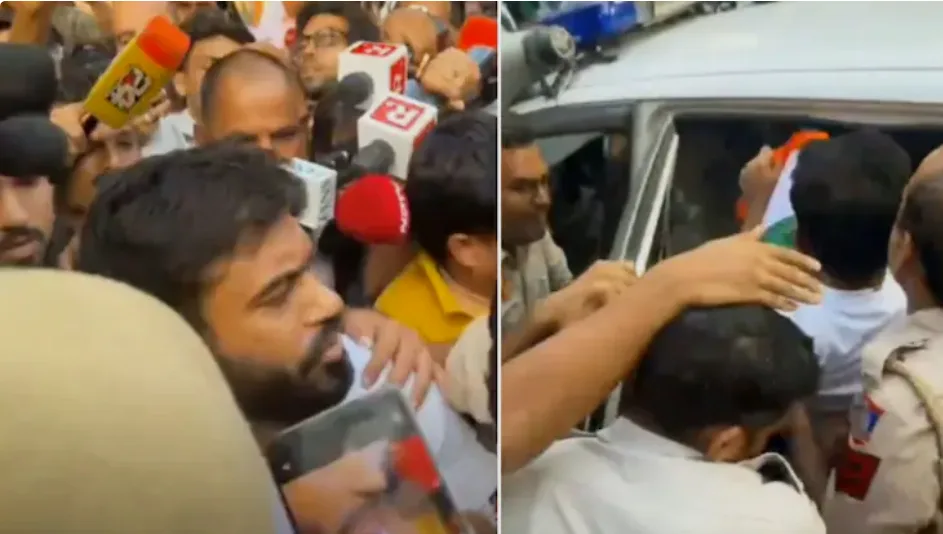
Abhijeet Dipke detained ahead of CJP’s national flag march in Delhi
Cockroach Janta Party founder Abhijeet Dipke was detained by Delhi Police on October 16, 2026, shortly before a planned national flag march. The proposed rally followed the judicial custody of two CJP members who had waved the Tricolour at Jantar Mantar.

Magnitude 7 earthquake strikes Russia’s Kamchatka Peninsula

Mallikarjun Kharge’s ‘Your Friends’ jab at Rahul Gandhi over congress exits

Delhi deploys 25,000 personnel, installs CCTV cameras ahead of CJP march

Abhijeet Dipke detained ahead of CJP’s national flag march in Delhi

Mallikarjun Kharge seeks all-party meeting with PM Modi on delimitation

Centre sends 3 letters to Punjab government after anti-drug activist’s killing
Mallikarjun Kharge seeks all-party meeting with PM Modi on delimitation
Abhijeet Dipke detained ahead of CJP’s national flag march in Delhi
Magnitude 7 earthquake strikes Russia’s Kamchatka Peninsula
Delhi deploys 25,000 personnel, installs CCTV cameras ahead of CJP march

Afghan Men Try To Hang With The Jet Engine Of The Aircraft in Kabul- Afghanistan News – Kabul News
Trending Top 10 News: 10000 Crore Fine on Flipkart, Apple to Launch Unique Feature, Hdfc Bank Job Ad

Trending Top 10 News: Nokia 6310, Apple sales, Bachpan ka Pyar Video Kid, Dainik Bhaskar IT Raid

Trending Top 10 News: Canada bans Indian flights, Rain in Delhi NCR, AIMIM Twitter hacked, Raj Kundra case

Trending Top 10 News: Shein India, Apple New Service, Pocket Oxygen, Oppo Launched New Phone
-
 Latest world news14 hours ago
Magnitude 7 earthquake strikes Russia’s Kamchatka Peninsula
-
 India News14 hours ago
Mallikarjun Kharge’s ‘Your Friends’ jab at Rahul Gandhi over congress exits
-
 India News14 hours ago
Delhi deploys 25,000 personnel, installs CCTV cameras ahead of CJP march
-
 India News5 hours ago
Abhijeet Dipke detained ahead of CJP’s national flag march in Delhi
-
 India News4 hours ago
Mallikarjun Kharge seeks all-party meeting with PM Modi on delimitation
-
 India News3 hours ago
Centre sends 3 letters to Punjab government after anti-drug activist’s killing
