
India News
Kerala Love Jihad case – SC orders NIA probe after agency claims ‘pattern’ emerging in Kerala

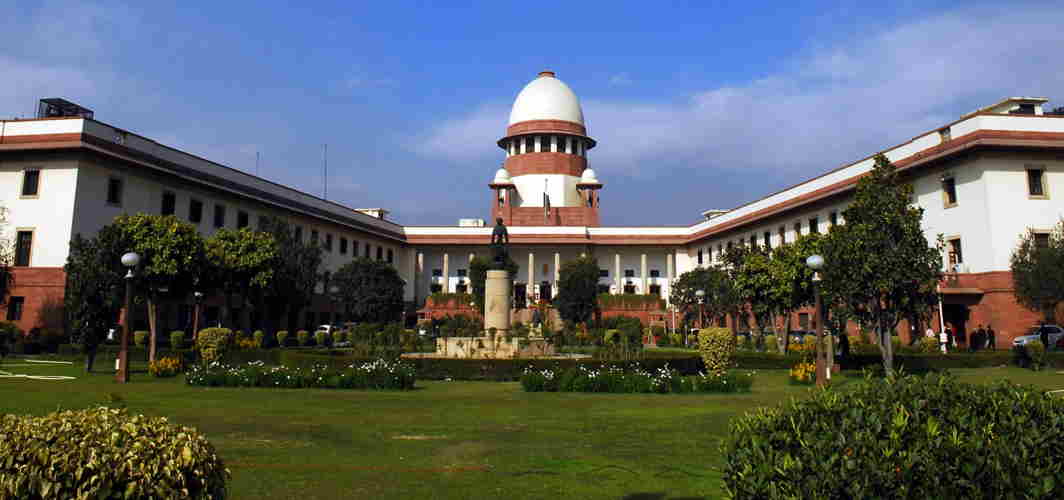
[vc_row][vc_column][vc_column_text]Former Supreme Court judge, Justice RV Raveendran asked to supervise the NIA probe, Kerala police informs apex court that it wants to withdraw from the investigation
After a brief lull, the Kerala ‘love jihad’ case is now back in the limelight with the Supreme Court, on Wednesday, being informed by the National Investigation Agency (NIA) that the alleged conversion and radicalisation of a Hindu woman – Hadiya alias Akhila – and her marriage to a Muslim man – Shafin Jahan – was not an “isolated incident” but part of a “pattern” emerging in the southern state.
With the Kerala Police informing the apex court division bench of Chief Justice JS Khehar and Justice DY Chandrachud that it wanted to withdraw from the investigation in the case and was prepared to hand over the probe, the NIA has now been told investigate the incident and whether it has any link with the involvement of global terror conglomerate – Islamic State (IS).
Noting that “everyone wants a fair probe” in the case following the “serious remarks made by the (Kerala) High Court”, the Bench ordered that the NIA probe will be supervised by retired Supreme Court judge, Justice RV Raveendran. The Bench also said that before it takes a final view of the probe’s finding, it will “require the presence of the girl (Hadiya)” to put forth her version of the events that led to her purported marriage and the claims of ‘love jihad’ that it led to

Hadiya’s marriage to Safin Jahan had been annulled by the Kerala High Court on May 24, 2017, which had termed the union as a case of “love jihad”. Curiously though, Hadiya had told the Kerala High Court that she had consented to her marriage with Shafin Jahan, and that there was no forceful conversion. But the court wasn’t convinced. Jahan had then moved the Supreme Court to challenge the annulment of his marriage with Hadiya.
Senior lawyer Kapil Sibal, appearing for Jahan, objected to the Supreme Court’s decision of handing over the probe to the NIA. “The NIA has made many U-turns in the past. How reliable is a probe by the NIA? The girl must be called in by the Supreme Court”, Sibal told the Bench.
However, the Bench informed Sibal that : “if we speak to the girl and she says that she was forcibly converted and married off, the case is over. It will be unfair to you. So we will speak to her last before passing any orders. First we will see what you all have to say”.
Prior to Sibal’s submissions, senior advocate V Giri, appearing for the Kerala police, informed the apex court that the State police was willing to withdraw from the investigation and was ready to hand over all documents related to the case to the central probe agency. “There is already a special investigation team and the probe is proceeding. But let the NIA now complete the investigation,” Giri told the division bench.
Giri’s submission came after CJI Khehar told him that the court had asked the NIA for inputs in the case because it was an agency from outside the State. “We thought you [the Kerala police] may take sides. So we asked the NIA”, CJI Khehar said.
Last week, despite objections by Jahan, the Supreme Court ordered the Kerala Police to share with the NIA the probe details of the case. “We want the whole picture. Let the whole picture come before us. Why should anybody doubt the NIA”, the Supreme Court had said.
The Bench had observed that it gathered the “impression that the petitioner (Shafin Jahan) does not desire the correct and independent view of the controversy” to be brought before the apex court, and said: “We want to see whether it is an isolated case or a larger issue is involved (sic)”.
Background to the Kerala Love Jihad case:
In May this year, the Kerala High Court had declared as “null and void” the marriage of 24-year-old Hindu woman – Hadiya alias Akhila – who had converted to Islam to marry a Muslim man – Shafin Jahan – in December 2016, terming the union as “sham”. It had ordered Hadiya to be placed in her parents’ protective custody.
Akhila was a homeopathy student in Kerala when she converted to Islam. Shafin Jahan had met her with his family in August 2016 in response to her posting on a marriage website and they got married last December.
Jahan, 27, challenged the Kerala High Court order in the Supreme Court, saying that the order was an “an insult to the independence of women in India”. He had requested the Supreme Court to order Hadiya’s father to produce her in court while claiming that she had converted to Islam of her own volition two years prior to their marriage.
Hadiya’s father, however, had said that she was a “helpless victim” trapped by a “well-oiled racket” which used “psychological measures” to indoctrinate people and convert them to Islam. He had also alleged that Jahan is a criminal and that Hadiya had been trapped by a network with connections to the Islamic State.[/vc_column_text][/vc_column][/vc_row]









India News
Indore voter deletions: 1.36 lakh names, but digital records not maintained
Replies to an RTI concerning 1,36,552 voter deletions in Indore in 2022 said several constituency offices had not maintained the requested digital records.

India News
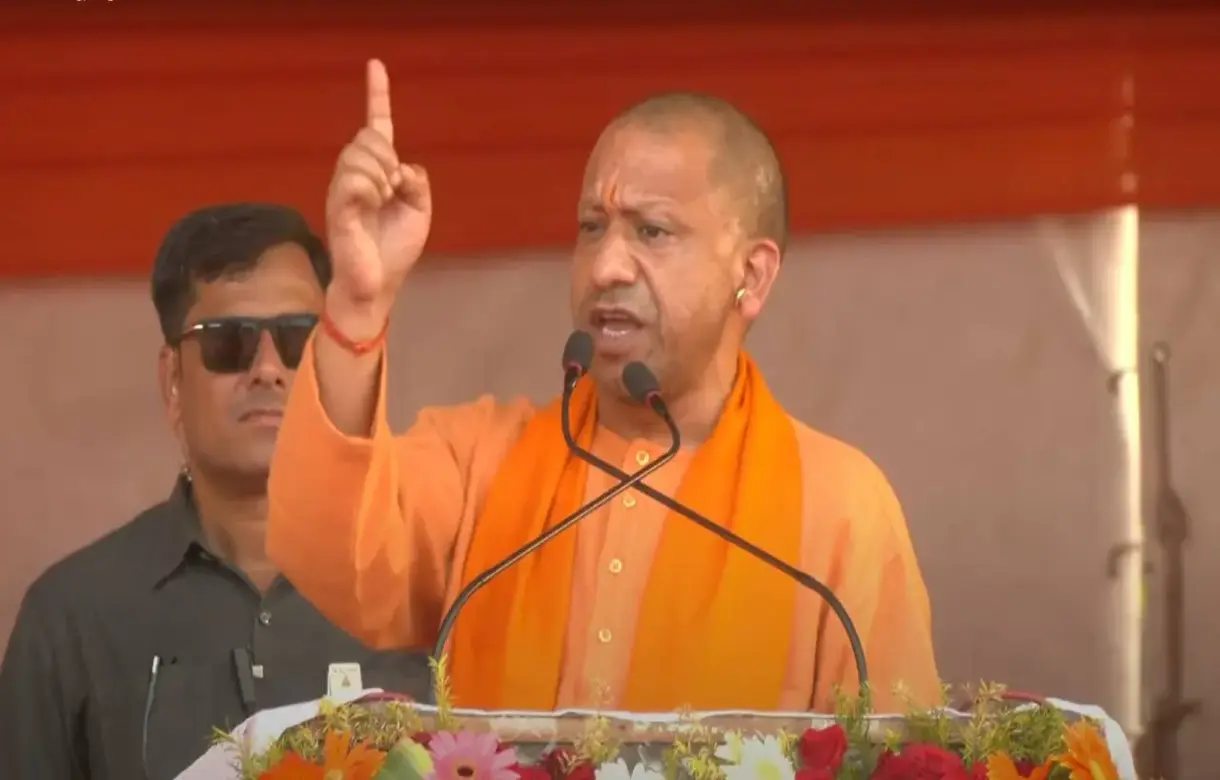
Yogi Adityanath transfers over Rs. 148 crore to 4.60 lakh students
Uttar Pradesh Chief Minister Yogi Adityanath transferred over Rs. 148 crore to the bank accounts of more than 4.60 lakh students under the state’s scholarship and fee reimbursement programme.
India News
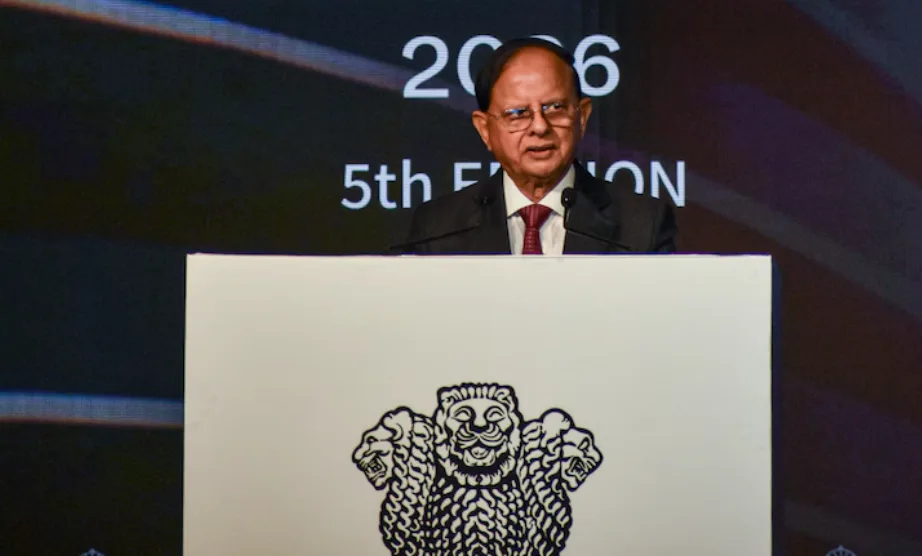
Tariffs, export controls increasingly used for strategic purposes, says PM’s Principal Secretary
PM’s Principal Secretary P K Mishra said tariffs, export controls and other restrictions are increasingly being used for strategic purposes amid growing global economic uncertainty.

MK Stalin attacks Vijay government over hindi signboard in Tamil Nadu

New UP Congress chief Aradhana Mishra backs stronger alliance with SP

CJP announces October 10 Delhi protest against Gyanesh Kumar

India beat Pakistan by 19 runs to win Asian Games cricket gold

Tariffs, export controls increasingly used for strategic purposes, says PM’s Principal Secretary

Indore voter deletions: 1.36 lakh names, but digital records not maintained

Yogi Adityanath transfers over Rs. 148 crore to 4.60 lakh students
Tariffs, export controls increasingly used for strategic purposes, says PM’s Principal Secretary
India beat Pakistan by 19 runs to win Asian Games cricket gold
New UP Congress chief Aradhana Mishra backs stronger alliance with SP

Afghan Men Try To Hang With The Jet Engine Of The Aircraft in Kabul- Afghanistan News – Kabul News
Trending Top 10 News: 10000 Crore Fine on Flipkart, Apple to Launch Unique Feature, Hdfc Bank Job Ad

Trending Top 10 News: Nokia 6310, Apple sales, Bachpan ka Pyar Video Kid, Dainik Bhaskar IT Raid

Trending Top 10 News: Canada bans Indian flights, Rain in Delhi NCR, AIMIM Twitter hacked, Raj Kundra case

Trending Top 10 News: Shein India, Apple New Service, Pocket Oxygen, Oppo Launched New Phone
-
 India News24 hours ago
MK Stalin attacks Vijay government over hindi signboard in Tamil Nadu
-
 India News11 hours ago
New UP Congress chief Aradhana Mishra backs stronger alliance with SP
-
 India News11 hours ago
CJP announces October 10 Delhi protest against Gyanesh Kumar
-
 Cricket news5 hours ago
India beat Pakistan by 19 runs to win Asian Games cricket gold
-
 India News4 hours ago
Tariffs, export controls increasingly used for strategic purposes, says PM’s Principal Secretary
-
 India News3 hours ago
Yogi Adityanath transfers over Rs. 148 crore to 4.60 lakh students
-
India News3 hours ago
Indore voter deletions: 1.36 lakh names, but digital records not maintained
