
India News
Gorakhpur BRD hospital tragedy: UP STF arrests Dr Kafeel Khan

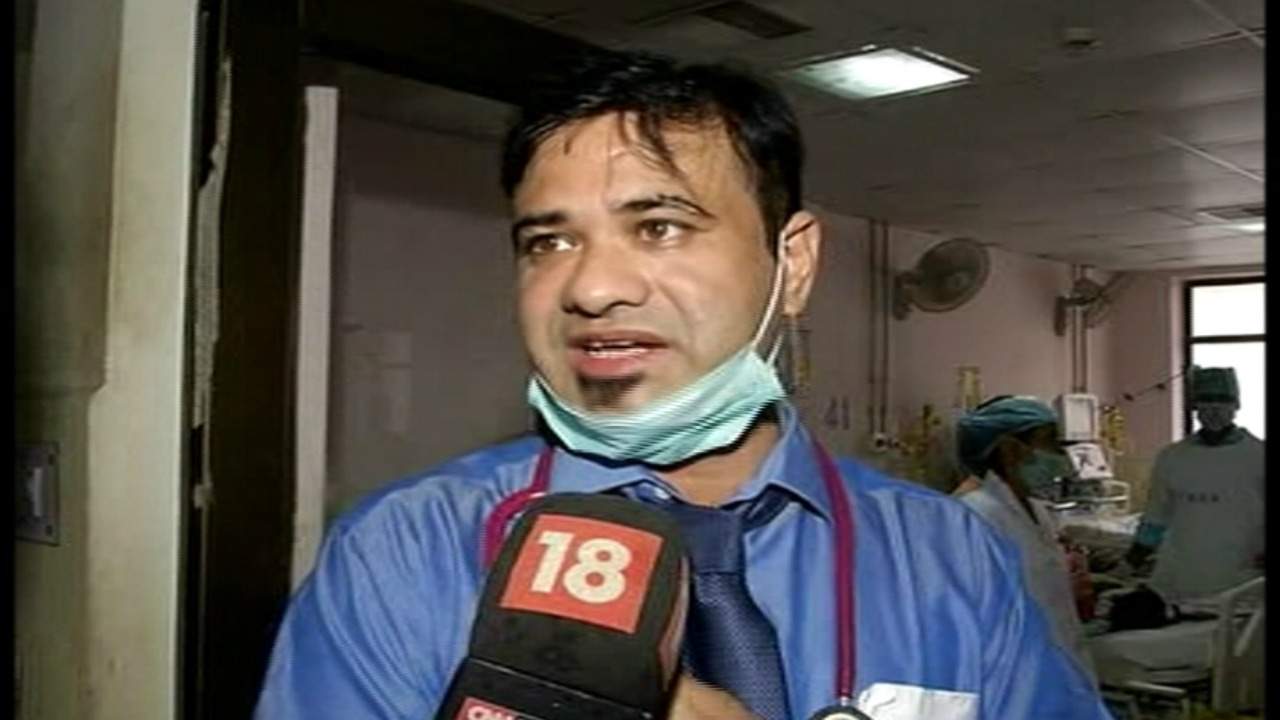
Following an enquiry by the district administration and the chief secretary, Dr Khan was accused of not adhering to the norms of the Indian Medial Council
The Uttar Pradesh Special Task Force (STF), on Saturday, arrested Dr Kafeel Ahmed Khan, an accused in the Baba Raghav Das (BRD) Hospital tragedy in which over 30 children had died at the medical facility in Gorakhpur on August 10-11 due to alleged disruption in oxygen supply. The death toll had, in the following three days, reached 68.
Dr Khan was the nodal officer of BRD Medical College’s Department of Pediatrics. While in the immediate aftermath of the tragedy, Dr Khan had been praised for his quick responsiveness in dealing with the situation, as attacks on the Yogi Adityanath government grew over the deaths, an inquiry was ordered and allegations that the doctor was involved in stealing oxygen cylinders from the hospital for his private clinic surfaced. There have been conflicting reports over Dr Khan’s role in the tragedy ever since, with a section of the hospital administration and local activists claiming that he was being made a scapegoat in the case.

File picture of BRD hospital, Gorakhpur
Dr Khan, along with then BRD Medical College principal Dr Rajiv Mishra (who was sacked after the deaths) and his wife Dr Purnima Shukla, are the key accused in the tragedy. Other accused in the case include Dr Satish Kumar, the hospital’s head of anesthesia, chief pharmacist Gajanan Jaiswal and clerks Uday Pratap Sharma, Sanjay Kumar Tripathi and Sudhir Kumar Pandey.
The allegations on Dr Khan’s role in the tragedy have escalated since the district administration and the UP government’s chief secretary conducted their respective inquiries in the case. Dr Khan is accused of not adhering to the norms of the Indian Medial Council, going on leave on August 11 – after over 30 children had been reported dead – without seeking permission and of failing to inform his superiors at the hospital that there was a shortage of oxygen cylinders in his department.
Dr Khan had been reported absconding for the past few days since the STF began raiding various places in Gorakhpur and across UP to nab the accused in the case. Dr Rajiv Mishra and his wife Dr Purnima Shukla had been arrested earlier this week and remanded to judicial custody while non-bailable warrants had been issued against Dr Khan and the other accused on Friday.
However, while the STF carried on its manhunt in the tragedy that claimed a total of 68 lives at the hospital – the biggest medical care centre in UP chief minister Adityanath’s pocket borough of Gorakhpur – within just 5 days, deaths of patients, mostly newborns and infants, has continued unabated at the facility. Earlier this week, as many as 61 children had been reported dead within a span of 72 hours although the cause of these deaths was said to be acute encephalitis health complexities in newborns, pneumonia, sepsis etc.
A staggering 1304 children have died at the BRD hospital since January this year.








India News
Centre sends 3 letters to Punjab government after anti-drug activist’s killing
The Centre has sought reports from the Punjab government on three incidents linked to allegations surrounding drug-related activities, including the killing of anti-drug activist Parvinder Singh Jhota.

India News
Mallikarjun Kharge seeks all-party meeting with PM Modi on delimitation
Congress president Mallikarjun Kharge has written to Prime Minister Narendra Modi for the fourth time, seeking an all-party meeting on delimitation. He also flagged the 64-day delay in proroguing Parliament’s Monsoon Session.

India News
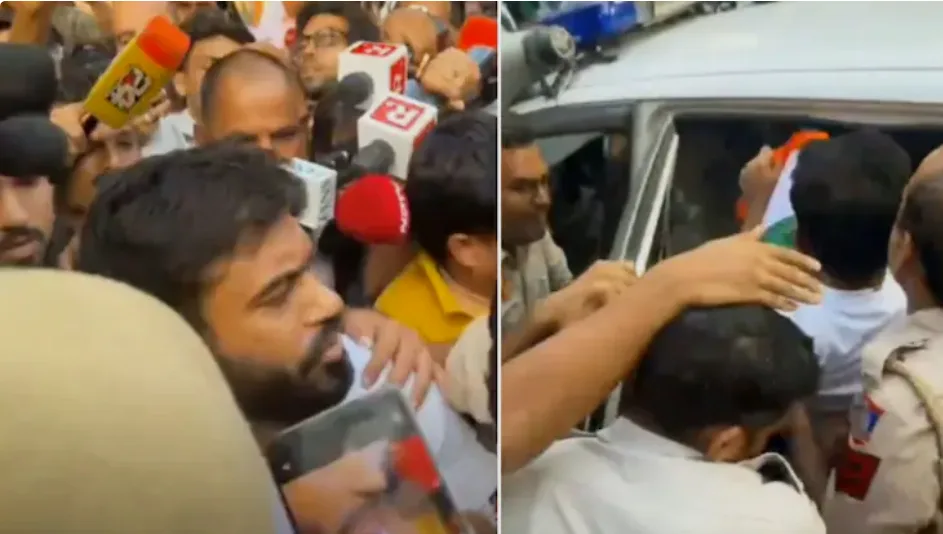
Abhijeet Dipke detained ahead of CJP’s national flag march in Delhi
Cockroach Janta Party founder Abhijeet Dipke was detained by Delhi Police on October 16, 2026, shortly before a planned national flag march. The proposed rally followed the judicial custody of two CJP members who had waved the Tricolour at Jantar Mantar.

Mallikarjun Kharge’s ‘Your Friends’ jab at Rahul Gandhi over congress exits

Magnitude 7 earthquake strikes Russia’s Kamchatka Peninsula

Delhi deploys 25,000 personnel, installs CCTV cameras ahead of CJP march

Abhijeet Dipke detained ahead of CJP’s national flag march in Delhi

Mallikarjun Kharge seeks all-party meeting with PM Modi on delimitation

Centre sends 3 letters to Punjab government after anti-drug activist’s killing
Mallikarjun Kharge seeks all-party meeting with PM Modi on delimitation
Abhijeet Dipke detained ahead of CJP’s national flag march in Delhi
Magnitude 7 earthquake strikes Russia’s Kamchatka Peninsula
Delhi deploys 25,000 personnel, installs CCTV cameras ahead of CJP march

Afghan Men Try To Hang With The Jet Engine Of The Aircraft in Kabul- Afghanistan News – Kabul News
Trending Top 10 News: 10000 Crore Fine on Flipkart, Apple to Launch Unique Feature, Hdfc Bank Job Ad

Trending Top 10 News: Nokia 6310, Apple sales, Bachpan ka Pyar Video Kid, Dainik Bhaskar IT Raid

Trending Top 10 News: Canada bans Indian flights, Rain in Delhi NCR, AIMIM Twitter hacked, Raj Kundra case

Trending Top 10 News: Shein India, Apple New Service, Pocket Oxygen, Oppo Launched New Phone
-
 India News12 hours ago
Mallikarjun Kharge’s ‘Your Friends’ jab at Rahul Gandhi over congress exits
-
 Latest world news12 hours ago
Magnitude 7 earthquake strikes Russia’s Kamchatka Peninsula
-
 India News12 hours ago
Delhi deploys 25,000 personnel, installs CCTV cameras ahead of CJP march
-
 India News3 hours ago
Abhijeet Dipke detained ahead of CJP’s national flag march in Delhi
-
 India News2 hours ago
Mallikarjun Kharge seeks all-party meeting with PM Modi on delimitation
-
 India News47 mins ago
Centre sends 3 letters to Punjab government after anti-drug activist’s killing
