English हिन्दी
Connect with us

India News

Putting Doklam standoff behind, Modi-Xi talk “peace and tranquility” along borders

Published

on

Modi and Jinping

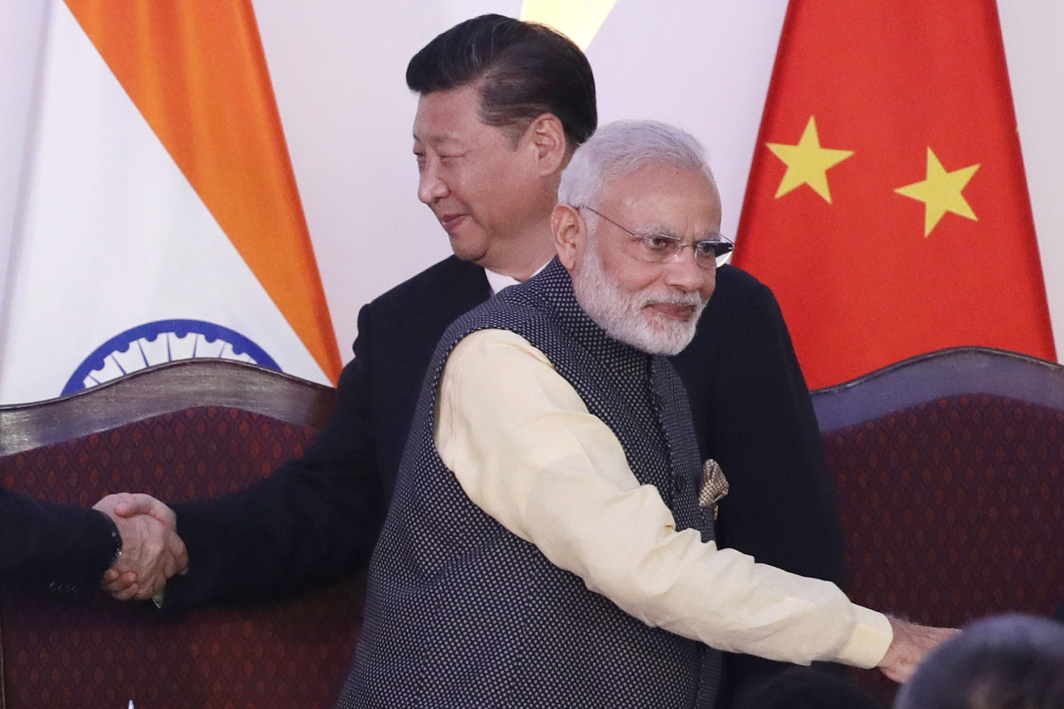
[vc_row][vc_column][vc_column_text]In their first bilateral talks since the 73 days long Doklam standoff, Narendra Modi and XI Jinping agreed that India and China needed to do more to avoid border disputes in the future, Chinese premier asserts the need to seek guidance from the Panchsheel Agreement

In a discussion that lasted little over an hour, on Tuesday, Prime Minister Narendra Modi and Chinese President Xi Jinping are learnt to kept the recently Sino-Indian Doklam standoff aside to ensure that the two countries pursue “healthy, stable bilateral ties” and “do not allow differences to become disputes”.

The Modi-Jinping meet – the final engagement of the Indian Prime Minister at the BRICS summit 2017 in Xiamen, China before he flew off for Myanmar – was the first bilateral talk between the two leaders since the 73-day long standoff which ended last week with the two countries agreeing to a withdrawal of troops from the tri-junction area of Doklam.

Modi met the Chinese president along with a delegation of senior Indian officials, including National Security Advisor Ajit Doval and Foreign Secretary S Jaishanker. No statement on the dispute at Doklam was issued by either side indicating willingness in the establishment of both countries to discuss future ties and not be stuck on clashes of the past, no matter how recent.

After the meet, Foreign Secretary Jaishanker told media persons that: “There was a forward-looking and constructive approach taken by both sides. The two leaders reaffirmed that it is in the interest of both India and China to have good relations… Peace and tranquility at the border areas is a prerequisite for fruitful relations between India and China.”

When asked by reporters if there were specific discussions on the Doklam standoff between Modi and Jinping, the foreign secretary said: “This was not a backward looking conversation it was forward looking.”

What may have tested the nerves of Modi, however, was the Chinese president’s insistence that China is prepared to work alongside India to seek guidance from the Panchsheel – the five principles of peaceful co-existence – which were coined by India’s first Prime Minister, Pandit Jawaharlal Nehru and were codified into the Panchsheel Treaty signed between him and the first Chinese premier Zhou Enlai on April 29, 1954.

Modi’s personal dislike for Pandit Nehru and everything associated with him aside, the BJP and various sections of the Indian right have always held that the Panchsheel Treaty weakened India’s position vis-à-vis China before it was completely violated by the Chinese in October 1962 leading to the month-long Sino-India War in which India lost major territories in both the eastern and western theatres of Arunachal and Ladakh respectively.

However, 63 years after the Panchsheel Treaty was signed advocating the principles of territorial integrity and peaceful coexistence, Jinping’s assertion that the two countries must seek guidance from it seems a bit rich given recurring transgressions by the Chinese troops into Indian territories and particularly along the McMahon Line, which China has, since Enlai’s regime, considered to be illegal.

Nevertheless, foreign secretary Jaishanker insisted that both Modi and Jinping “felt that there should be closer communication between the defence and security personnel of India and China” and that the Chinese premier’s purported peace offering made at the BRICS summit on Sunday when he had talked of “peace and development instead of conflict and confrontation” was welcomed by India.

On his part Modi too tweeted that the talks with Jinping had been “fruitful”.[/vc_column_text][vc_raw_html]JTNDYmxvY2txdW90ZSUyMGNsYXNzJTNEJTIydHdpdHRlci10d2VldCUyMiUyMGRhdGEtbGFuZyUzRCUyMmVuJTIyJTNFJTNDcCUyMGxhbmclM0QlMjJlbiUyMiUyMGRpciUzRCUyMmx0ciUyMiUzRU1ldCUyMFByZXNpZGVudCUyMFhpJTIwSmlucGluZy4lMjBXZSUyMGhlbGQlMjBmcnVpdGZ1bCUyMHRhbGtzJTIwb24lMjBiaWxhdGVyYWwlMjByZWxhdGlvbnMlMjBiZXR3ZWVuJTIwSW5kaWElMjBhbmQlMjBDaGluYS4lMjAlM0NhJTIwaHJlZiUzRCUyMmh0dHBzJTNBJTJGJTJGdC5jbyUyRmhiS1JQcFJ3eWwlMjIlM0VwaWMudHdpdHRlci5jb20lMkZoYktSUHBSd3lsJTNDJTJGYSUzRSUzQyUyRnAlM0UlMjZtZGFzaCUzQiUyME5hcmVuZHJhJTIwTW9kaSUyMCUyOCU0MG5hcmVuZHJhbW9kaSUyOSUyMCUzQ2ElMjBocmVmJTNEJTIyaHR0cHMlM0ElMkYlMkZ0d2l0dGVyLmNvbSUyRm5hcmVuZHJhbW9kaSUyRnN0YXR1cyUyRjkwNDk1NjQzMTk3OTQzODA4MCUyMiUzRVNlcHRlbWJlciUyMDUlMkMlMjAyMDE3JTNDJTJGYSUzRSUzQyUyRmJsb2NrcXVvdGUlM0UlMEElM0NzY3JpcHQlMjBhc3luYyUyMHNyYyUzRCUyMiUyRiUyRnBsYXRmb3JtLnR3aXR0ZXIuY29tJTJGd2lkZ2V0cy5qcyUyMiUyMGNoYXJzZXQlM0QlMjJ1dGYtOCUyMiUzRSUzQyUyRnNjcmlwdCUzRQ==[/vc_raw_html][vc_raw_html]JTNDYmxvY2txdW90ZSUyMGNsYXNzJTNEJTIydHdpdHRlci10d2VldCUyMiUyMGRhdGEtbGFuZyUzRCUyMmVuJTIyJTNFJTNDcCUyMGxhbmclM0QlMjJlbiUyMiUyMGRpciUzRCUyMmx0ciUyMiUzRUklMjB0aGFuayUyMHRoZSUyMENoaW5lc2UlMjBnb3Zlcm5tZW50JTIwJTI2YW1wJTNCJTIwcGVvcGxlJTIwZm9yJTIwdGhlaXIlMjB3YXJtJTIwaG9zcGl0YWxpdHklMjBkdXJpbmclMjB0aGUlMjBCUklDUyUyMFN1bW1pdC4lMjBMZWF2aW5nJTIwZm9yJTIwTXlhbm1hciUyMGZvciUyMGElMjBiaWxhdGVyYWwlMjB2aXNpdC4lM0MlMkZwJTNFJTI2bWRhc2glM0IlMjBOYXJlbmRyYSUyME1vZGklMjAlMjglNDBuYXJlbmRyYW1vZGklMjklMjAlM0NhJTIwaHJlZiUzRCUyMmh0dHBzJTNBJTJGJTJGdHdpdHRlci5jb20lMkZuYXJlbmRyYW1vZGklMkZzdGF0dXMlMkY5MDQ5NTczODIyOTk2Njg0ODElMjIlM0VTZXB0ZW1iZXIlMjA1JTJDJTIwMjAxNyUzQyUyRmElM0UlM0MlMkZibG9ja3F1b3RlJTNFJTBBJTNDc2NyaXB0JTIwYXN5bmMlMjBzcmMlM0QlMjIlMkYlMkZwbGF0Zm9ybS50d2l0dGVyLmNvbSUyRndpZGdldHMuanMlMjIlMjBjaGFyc2V0JTNEJTIydXRmLTglMjIlM0UlM0MlMkZzY3JpcHQlM0U=[/vc_raw_html][/vc_column][/vc_row]

India News

PM Modi accuses Congress of anti-Sikh bias over Rahul Gandhi’s ‘traitor’ remark

Prime Minister Narendra Modi accused Rahul Gandhi of targeting BJP MP Ravneet Singh Bittu with a ‘gaddar’ remark because of his Sikh identity while speaking in the Rajya Sabha.

Published

on

PM Modi

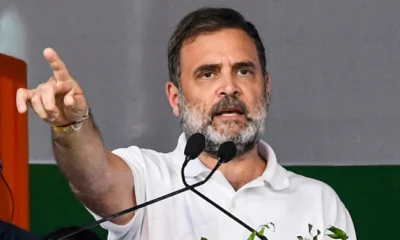
Prime Minister Narendra Modi on Wednesday launched a sharp attack on Leader of the Opposition Rahul Gandhi, alleging that his “traitor” remark against BJP MP Ravneet Singh Bittu reflected the Congress party’s animosity towards the Sikh community.

The Prime Minister made the remarks in the Rajya Sabha while replying to the motion of thanks on the President’s address. Referring to an incident in the Parliament complex a day earlier, Modi said Gandhi’s comment had crossed all limits of political decency.

The controversy stems from a protest by suspended Opposition MPs, during which Ravneet Singh Bittu — a former Congress leader who joined the BJP ahead of the 2024 Lok Sabha elections — allegedly made a remark suggesting the protesters were behaving as if they had won a war.

In response, Rahul Gandhi was heard saying, “A traitor is walking by, look at his face,” before approaching Bittu and extending his hand. Gandhi then reportedly added, “Hello, brother. My traitor friend. Don’t worry, you will come back.”

Bittu refused to shake hands with the Congress leader and instead described him as an “enemy of the country” before walking away from the scene.

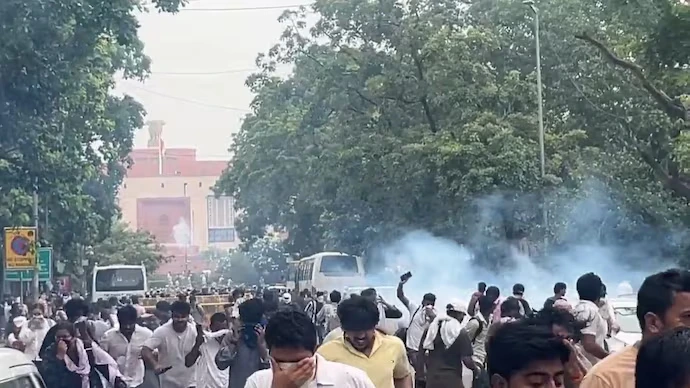
While the Congress later clarified that Gandhi’s remark was aimed at Bittu for leaving the party, the BJP seized upon the comment, calling it an insult to the Sikh community. Protests were subsequently held by members of the Sikh community outside the Congress headquarters and at other locations.

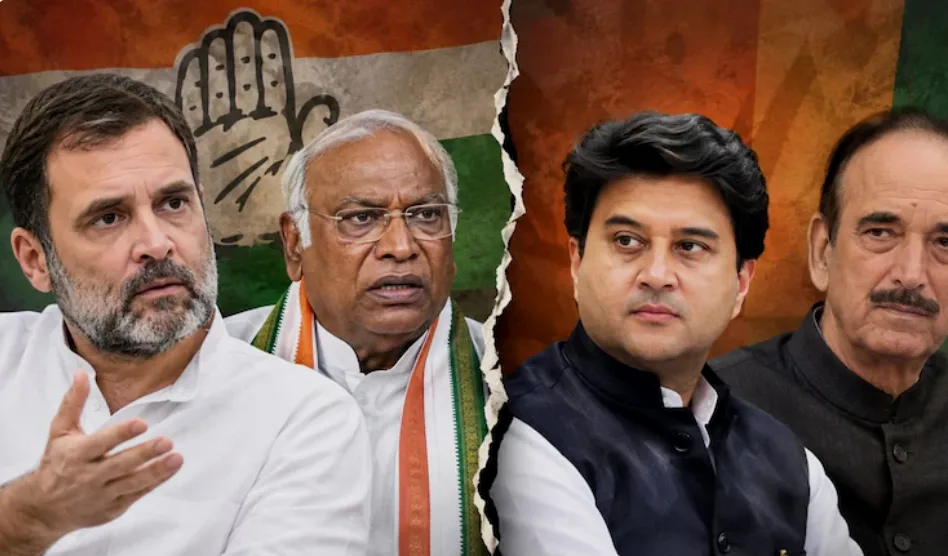
Addressing the House, Prime Minister Modi said that many leaders had quit the Congress in the past and that the party itself had split multiple times, but none of those leaders had been labelled a traitor. “He called this MP a traitor because he is Sikh,” the Prime Minister alleged, as treasury bench members raised slogans condemning the remark.

Continue Reading

India News

Manipur Assembly to meet at 4 pm today, floor test likely under new chief minister

The Manipur Legislative Assembly will convene at 4 pm today, with a floor test likely as the new chief minister seeks to prove his majority in the House.

Published

on

Manipur assembly

The Manipur Legislative Assembly will convene at 4 pm on Thursday in Imphal, a day after Yumnam Khemchand Singh was sworn in as the chief minister. A floor test is likely to be held on the first day of the session to establish the majority of the newly formed government.

In the 60-member Assembly, the BJP holds 37 seats, while its ally National People’s Party has six members, giving the ruling combine a clear majority in the House.

Singh chaired the first Cabinet meeting of his government late Wednesday evening, shortly after taking oath as the 13th chief minister of Manipur. The meeting marked the formal start of administrative functioning under the new Council of Ministers.

His appointment came nearly a year after the resignation of former chief minister N Biren Singh, who stepped down following months of ethnic violence between the Meitei and Kuki communities in the state.

After taking oath, Singh thanked Prime Minister Narendra Modi and said he would work with “utmost diligence to advance development and prosperity in Manipur,” aligning the state’s efforts with the vision of Viksit Bharat.

He said the government’s focus would be on inclusive economic growth while preserving Manipur’s cultural heritage, adding that he would discharge his responsibilities with sincerity and dedication, mindful of the trust placed in him.

The summoning of the 12th Manipur Legislative Assembly by Governor Ajay Kumar Bhalla, along with the first Cabinet meeting, signals the resumption of legislative and administrative processes in the state, officially bringing President’s rule to an end.

The sixth session of the 12th Manipur Legislative Assembly was last held from July 31 to August 12, 2024.

Continue Reading

India News

PM Modi skips Lok Sabha reply as protests force repeated adjournments

PM Modi did not deliver his Lok Sabha reply today after sustained Opposition protests led to repeated adjournments over a dispute involving Rahul Gandhi’s proposed speech.

Published

on

PM Modi

Prime Minister Narendra Modi did not deliver his scheduled reply to the Motion of Thanks on the President’s address in the Lok Sabha today after sustained Opposition protests led to multiple adjournments of the House.

The disruption followed an escalation of tensions linked to Congress leader Rahul Gandhi’s proposed speech and the suspension of eight Opposition MPs a day earlier. The situation worsened after remarks made by BJP MP Nishikant Dubey during the proceedings.

Dispute over references to books sparks fresh ruckus

The controversy intensified when Nishikant Dubey responded to Rahul Gandhi’s demand to speak on national security and references to the unpublished memoirs of former Army chief General MM Naravane. Dubey said that while Gandhi wanted to quote from an unpublished book, he himself had brought several books that, according to him, made claims about the Gandhi family.

As Dubey began listing these books and their contents, strong protests erupted from Opposition members. Krishna Prasad Tenneti, who was presiding over the House at the time, cited Rule 349, which restricts members from reading out books, newspapers, or letters unless directly related to parliamentary business. Despite repeated warnings, the matter remained unresolved, leading to another adjournment.

Rahul Gandhi accuses government of silencing debate

Earlier in the day, Rahul Gandhi alleged that he was being prevented from speaking on an issue of national importance. He claimed the government was uncomfortable with references to General Naravane’s memoirs, which he said discussed the handling of the 2020 China border crisis.

In a social media post, Gandhi said he intended to present the Prime Minister with a book authored by the former Army chief, adding that some cabinet ministers had even questioned the existence of the book. He also wrote to Lok Sabha Speaker Om Birla after the suspension of eight Opposition MPs, alleging that parliamentary debate was being curtailed.

After it became clear that the Prime Minister would not speak in the House today, Gandhi posted that PM Modi had avoided Parliament because he was “scared” to face the truth. Congress MP Priyanka Gandhi Vadra echoed the allegation, claiming the Prime Minister was unwilling to enter the House.

Proceedings disrupted throughout the day

Lok Sabha proceedings were first adjourned until 2 pm amid loud protests over the issue linked to Naravane’s memoirs. Even after the House reconvened, disruptions continued, preventing normal business from resuming.

Later, Congress MPs staged a demonstration outside the Parliament complex, demanding that Rahul Gandhi be allowed to speak on the President’s address.

Continue Reading

Trending

© Copyright 2022 APNLIVE.com