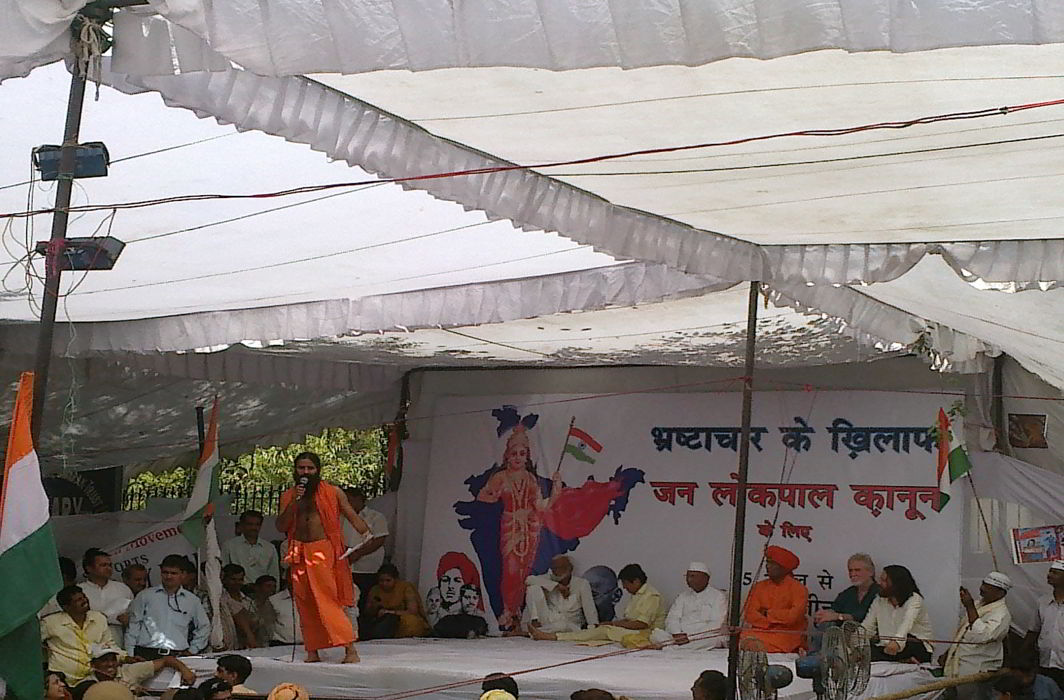
[vc_row][vc_column][vc_column_text]The protest hotspot in the national capital was the venue of the 2011 Lokpal agitation by Anna Hazare which set the pace for UPA government’s ouster
The National Green Tribunal’s (NGT) decision to ban all protests and dharnas around the historic Jantar Mantar area – a known hotspot of many an agitations over the past decades – on grounds that such activities violate environmental laws, has irked civil society groups that would often use the venue for raising their voice against the government on crucial issues.
On Thursday, the green panel had said that the Delhi government had “failed” to protect the right to a pollution-free environment of the citizens living in the area around Jantar Mantar. It had also reprimanded the authorities concerned for failing to ensure that right of the people to a peaceful and comfortable life are not infringed by those who create noise pollution while exercising their right to freedom of speech and expression, which the NGT said, “can never be unlimited”.
The NGT Bench headed by Justice RS Rathore directed the New Delhi Municipal Council (NDMC) to remove all temporary structures, loud speakers and public address systems from the stretch of the Jantar Mantar Road. The municipal body was also directed to remove the garbage lying in the area and clean it within four weeks.
The Tribunal directed the authorities to shift the protesters, agitators and people holding dharnas at Jantar Mantar to the Ramlila Ground near Old Delhi’s Ajmeri Gate “forthwith”.
The NGT’s verdict came on a plea filed by Varun Seth and others alleging that processions and agitations held by social groups, political parties, NGOs at the Jantar Mantar Road were a major source of noise pollution in the area.
“It is amply clear that the petitioners are suffering because of gross violation of laws, air pollution and health hazards due to lack of cleanliness and non- performance of duty by the authorities,” the Bench noted.
The NGT has ordered the NDMC chairman, the city Police Commissioner and the Delhi government to file compliance reports within five weeks.
The NDMC and Delhi police, which stand to obviously benefit from the ban – both outfits are under tremendous pressure when protests happen at Jantar Mantar since it is a VIP area and lies in close proximity to the Parliament – have welcomed the NGT’s order.
According to Delhi Police, on an average eight to ten demonstrations are held daily at Jantar Mantar. Till June 2017, 2,283 dharnas and demonstrations were held as compared to 1,921 in the same period during the year 2016.
It is at Jantar Mantar that social activist Anna Hazare had, in 2011, started his Lokpal agitation against the UPA government. Hazare’s agitation had forced the then Congress-led central government under Prime Minister Dr Manmohan Singh to re-draft the Lokpal Bill after an unprecedented move of forming a joint committee of Union ministers and Hazare’s ‘civil society’ nominees. The agitation had also catapulted Arvind Kejriwal, then a mere activist of the India Against Corruption campaign, to become Delhi’s leading political figure – something that he used to good effect to launch the Aam Aadmi Party despite Hazare’s reservations and eventually sweep the Delhi assembly polls to become the state’s chief minister. Hazare’s protest had also drawn in people like yoga guru and businessman Ramdev, former Army chief General (retired) VK Singh (before he joined the BJP), advocate Prashant Bhushan, etc.
Jantar Mantar had also seen a major protest in 2015 by Army veterans who were demanding ‘One Rank One Pension’ and pay commission benefits. The agitation had hit the Prime Minister Narendra Modi-led BJP government hard and forced it to consider the demands.
Understandably, civil society groups and common citizens who have used Jantar Mantar in the past as a protest venue are not happy with the NGT’s order. Several of these members and even journalists, who viewed Jantar Mantar as the only spot in the national capital where dissent against the Centre was not muzzled, took to Twitter and other social media platforms to vent their ire.[/vc_column_text][/vc_column][/vc_row][vc_row][vc_column][vc_raw_html]JTNDYmxvY2txdW90ZSUyMGNsYXNzJTNEJTIydHdpdHRlci10d2VldCUyMiUyMGRhdGEtbGFuZyUzRCUyMmVuJTIyJTNFJTNDcCUyMGxhbmclM0QlMjJoaSUyMiUyMGRpciUzRCUyMmx0ciUyMiUzRUphbnRhci4lMjAlMjBNYW50YXIlM0NhJTIwaHJlZiUzRCUyMmh0dHBzJTNBJTJGJTJGdHdpdHRlci5jb20lMkZoYXNodGFnJTJGS2FoYV9IYWlfVmlrYXMlM0ZzcmMlM0RoYXNoJTI2YW1wJTNCcmVmX3NyYyUzRHR3c3JjJTI1NUV0ZnclMjIlM0UlMjNLYWhhX0hhaV9WaWthcyUzQyUyRmElM0UlMjAlM0NiciUzRSVFMCVBNCVCOSVFMCVBNCVBRSVFMCVBNSU4NyUyMCUyMCVFMCVBNCVCNiVFMCVBNSU4OCVFMCVBNCU5NSUyMCVFMCVBNCVBOCVFMCVBNCVCOSVFMCVBNSU4MCUyMCVFMCVBNCVCOSVFMCVBNSU4OCUyMCVFMCVBNCU5QyVFMCVBNCVBOCVFMCVBNSU4RCVFMCVBNCVBNCVFMCVBNCVCMCUyMCVFMCVBNCVBRSVFMCVBNCU4MiVFMCVBNCVBNCVFMCVBNCVCMCUyMCVFMCVBNCVBQSVFMCVBNCVCMCUyMCVFMCVBNCVBQSVFMCVBNCVBMSVFMCVBNSU4NyUyMCVFMCVBNCVCMCVFMCVBNCVCOSVFMCVBNCVBOCVFMCVBNSU4NyUyMCVFMCVBNCU5NSVFMCVBNCVCRSUyMCVFMCVBNCVCOSVFMCVBNCVBRSUyMCVFMCVBNCVBOCVFMCVBNSU4RCVFMCVBNCVBRiVFMCVBNCVCRSVFMCVBNCVBRiUyMCVFMCVBNCU5NSVFMCVBNCVCRiUyMCVFMCVBNCVBRSVFMCVBNCVCRSVFMCVBNCU4MiVFMCVBNCU5NyUyMCVFMCVBNCU5NSVFMCVBNSU4QiUyMCVFMCVBNCVCMiVFMCVBNSU4NyVFMCVBNCU5NSVFMCVBNCVCMCUyMCVFMCVBNCVBQyVFMCVBNSU4OCVFMCVBNCVBMCVFMCVBNSU4NyUyMCVFMCVBNCVCOSVFMCVBNSU4OCUyMCVFMCVBNCU5NCVFMCVBNCVCMCUyMCVFMCVBNCVCOSVFMCVBNCVBRSUyMENCbCUyMCVFMCVBNCU5QyVFMCVBNCVCRSVFMCVBNCU4MiVFMCVBNCU5QSUyMCVFMCVBNCVBRSVFMCVBNCVCRSVFMCVBNCU4MiVFMCVBNCU5NyUyMCVFMCVBNCVCMCVFMCVBNCVCOSVFMCVBNSU4NyUyMCVFMCVBNCVCOSVFMCVBNSU4OCVFMCVBNSVBNCUyMCUzQ2ElMjBocmVmJTNEJTIyaHR0cHMlM0ElMkYlMkZ0LmNvJTJGd0JSN0lOVnVoQSUyMiUzRXBpYy50d2l0dGVyLmNvbSUyRndCUjdJTlZ1aEElM0MlMkZhJTNFJTNDJTJGcCUzRSUyNm1kYXNoJTNCJTIwUmFtZXNoJTIwJTI4JTQwUmFtZXNoMzIwOTI1MTUlMjklMjAlM0NhJTIwaHJlZiUzRCUyMmh0dHBzJTNBJTJGJTJGdHdpdHRlci5jb20lMkZSYW1lc2gzMjA5MjUxNSUyRnN0YXR1cyUyRjkxNjIzNjg1OTA5MjUwODY3MiUzRnJlZl9zcmMlM0R0d3NyYyUyNTVFdGZ3JTIyJTNFT2N0b2JlciUyMDYlMkMlMjAyMDE3JTNDJTJGYSUzRSUzQyUyRmJsb2NrcXVvdGUlM0UlMEElM0NzY3JpcHQlMjBhc3luYyUyMHNyYyUzRCUyMiUyRiUyRnBsYXRmb3JtLnR3aXR0ZXIuY29tJTJGd2lkZ2V0cy5qcyUyMiUyMGNoYXJzZXQlM0QlMjJ1dGYtOCUyMiUzRSUzQyUyRnNjcmlwdCUzRSUwQSUyMCUwQSUzQ2Jsb2NrcXVvdGUlMjBjbGFzcyUzRCUyMnR3aXR0ZXItdHdlZXQlMjIlMjBkYXRhLWxhbmclM0QlMjJlbiUyMiUzRSUzQ3AlMjBsYW5nJTNEJTIyZW4lMjIlMjBkaXIlM0QlMjJsdHIlMjIlM0VUYWxraW5nJTIwb2YlMjBub2lzZSUyMHBvbGx1dGlvbiUyMGFuZCUyMGNsb3NpbmclMjBkb3duJTIwb2YlMjBKYW50YXIlMjBNYW50YXIlMjBhcyUyMHByb3Rlc3QlMjBzcGFjZSUyMCUyQyUyMHdpbGwlMjBiZSUyMGdvb2QlMjB0byUyMHN0b3AlMjAlMjYlMjMzOSUzQk1hbiUyMGtpJTIwQmFhdCUyMCUyNiUyMzM5JTNCJTIwYXMlMjBmaXJzdCUyMHN0ZXAuJTNDJTJGcCUzRSUyNm1kYXNoJTNCJTIwU2hhYm5hbSUyMEhhc2htaSUyMCUyOCU0MFNoYWJuYW1IYXNobWklMjklMjAlM0NhJTIwaHJlZiUzRCUyMmh0dHBzJTNBJTJGJTJGdHdpdHRlci5jb20lMkZTaGFibmFtSGFzaG1pJTJGc3RhdHVzJTJGOTE2MTgwMjQ1NDAwNjI1MTUyJTNGcmVmX3NyYyUzRHR3c3JjJTI1NUV0ZnclMjIlM0VPY3RvYmVyJTIwNiUyQyUyMDIwMTclM0MlMkZhJTNFJTNDJTJGYmxvY2txdW90ZSUzRSUwQSUzQ3NjcmlwdCUyMGFzeW5jJTIwc3JjJTNEJTIyJTJGJTJGcGxhdGZvcm0udHdpdHRlci5jb20lMkZ3aWRnZXRzLmpzJTIyJTIwY2hhcnNldCUzRCUyMnV0Zi04JTIyJTNFJTNDJTJGc2NyaXB0JTNFJTBBJTIwJTBBJTNDYmxvY2txdW90ZSUyMGNsYXNzJTNEJTIydHdpdHRlci10d2VldCUyMiUyMGRhdGEtbGFuZyUzRCUyMmVuJTIyJTNFJTNDcCUyMGxhbmclM0QlMjJlbiUyMiUyMGRpciUzRCUyMmx0ciUyMiUzRUphbnRhciUyME1hbnRhciUyMHN5bWJvbGlzZXMlMjB2aWJyYW50JTIwZGVtb2NyYWN5LiUyME9yZGVyJTIwdG8lMjBjbG9zZSUyMGl0JTIwaXMlMjBhbnRpJTIwZGVtb2NyYXRpYyUyQyUyMGFnJTIwc3Bpcml0JTIwb2YlMjBjb25zdGl0dXRpb24lMkMlMjBjdXJicyUyMGJhc2ljJTIwcmlnaHQlMjBvZiUyMGNpdGl6ZW5zLiUzQyUyRnAlM0UlMjZtZGFzaCUzQiUyMGFzaHV0b3NoJTIwJTI4JTQwYXNodXRvc2g4M0IlMjklMjAlM0NhJTIwaHJlZiUzRCUyMmh0dHBzJTNBJTJGJTJGdHdpdHRlci5jb20lMkZhc2h1dG9zaDgzQiUyRnN0YXR1cyUyRjkxNjE1MDgxMjk4Nzg5NTgwOCUzRnJlZl9zcmMlM0R0d3NyYyUyNTVFdGZ3JTIyJTNFT2N0b2JlciUyMDYlMkMlMjAyMDE3JTNDJTJGYSUzRSUzQyUyRmJsb2NrcXVvdGUlM0UlMEElM0NzY3JpcHQlMjBhc3luYyUyMHNyYyUzRCUyMiUyRiUyRnBsYXRmb3JtLnR3aXR0ZXIuY29tJTJGd2lkZ2V0cy5qcyUyMiUyMGNoYXJzZXQlM0QlMjJ1dGYtOCUyMiUzRSUzQyUyRnNjcmlwdCUzRSUwQSUyMCUwQSUzQ2Jsb2NrcXVvdGUlMjBjbGFzcyUzRCUyMnR3aXR0ZXItdHdlZXQlMjIlMjBkYXRhLWxhbmclM0QlMjJlbiUyMiUzRSUzQ3AlMjBsYW5nJTNEJTIyZW4lMjIlMjBkaXIlM0QlMjJsdHIlMjIlM0VOR1QlMjBiYW5zJTIwSmFudGFyJTIwTWFudGFyJTIwcHJvdGVzdHMlMjBkdWUlMjB0byUyMG5vaXNlJTIwcG9sbHV0aW9uJTNGUmlnaHQlMjB0byUyMHByb3Rlc3QlMjBwZWFjZWZ1bGx5JTIwYnklMjBhbnklMjBncm91cCUyMG9yJTIwaW5kaXZpZHVhbCUyMGF0JTIwdGhlJTIwaGVhcnQlMjBvZiUyMG91ciUyMGRlbW9jcmFjeSUzQyUyRnAlM0UlMjZtZGFzaCUzQiUyMHNvbmlhJTIwc2luZ2glMjAlMjglNDBzb25pYW5kdHYlMjklMjAlM0NhJTIwaHJlZiUzRCUyMmh0dHBzJTNBJTJGJTJGdHdpdHRlci5jb20lMkZzb25pYW5kdHYlMkZzdGF0dXMlMkY5MTU5MTg1MDI0NTE0OTA4MTYlM0ZyZWZfc3JjJTNEdHdzcmMlMjU1RXRmdyUyMiUzRU9jdG9iZXIlMjA1JTJDJTIwMjAxNyUzQyUyRmElM0UlM0MlMkZibG9ja3F1b3RlJTNFJTBBJTNDc2NyaXB0JTIwYXN5bmMlMjBzcmMlM0QlMjIlMkYlMkZwbGF0Zm9ybS50d2l0dGVyLmNvbSUyRndpZGdldHMuanMlMjIlMjBjaGFyc2V0JTNEJTIydXRmLTglMjIlM0UlM0MlMkZzY3JpcHQlM0U=[/vc_raw_html][/vc_column][/vc_row]