Latest world news
Jordanian King Abdullah II meets PM Narendra Modi


[vc_row][vc_column][vc_column_text]Twelve MoUs and agreements inked for strengthening cooperation
King Abdullah II of Jordan met Prime Minister Narendra Modi at New Delhi on Thursday and discussed bilateral relations and global developments, especially issues concerning Palestine and ways to deal with terrorism, radicalisation and extremism.
Jordanian King is on a three-day official visit to India. He arrived on Tuesday evening and visited IIT Delhi and addressed business leaders on Wednesday. He was officially received at Rashtrapati Bhavan on Thursday morning. Later the visiting dignitary aid wreath at Gandhi Samadhi, addressed a conference on “Islamic Heritage: Promoting Understanding and Moderation” before his meeting with PM Narendra Modi.
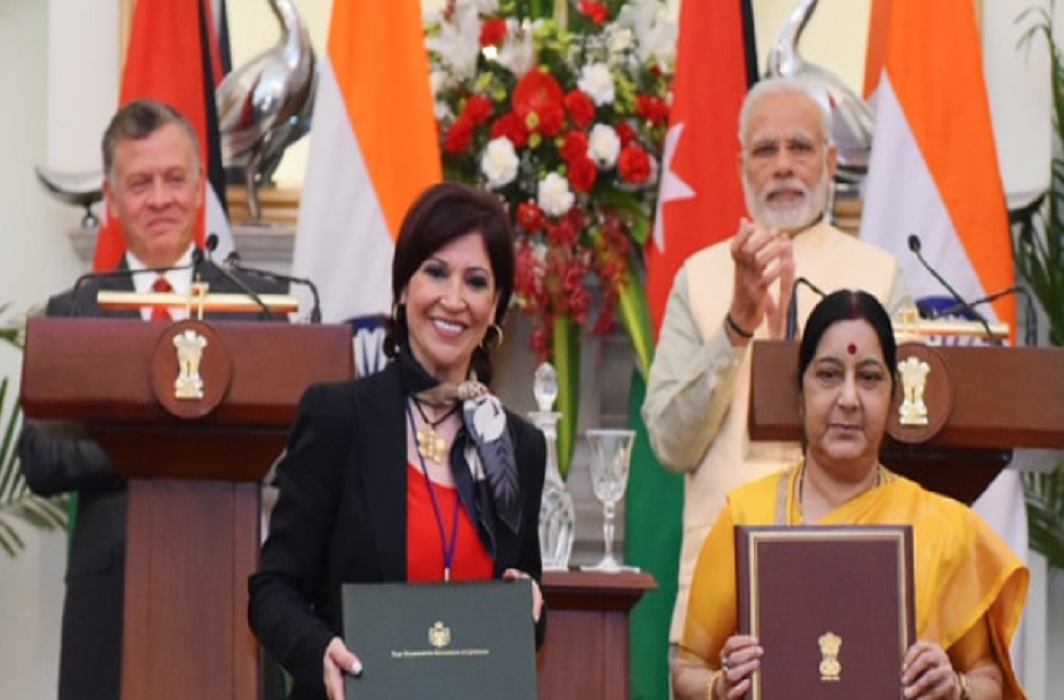
The two leaders also witnessed the signing of 12 MoUs and agreements for strengthening cooperation in different areas, including Defence cooperation, visa waiver for diplomatic and official passport holders, setting up of the next generation Centre of Excellence in Jordan, Customs Mutual Agreement, a twinning agreement between archaeological sites in Agra and Petra (Jordan), cooperation between Indian Institute of Mass Communication (IIMC) and Jordan Media Institute (JMI), and MoU between Prasar Bharti and Jordan TV.
Earlier in the day, Prime Minister Narendra Modi emphasised on the Sufi-syncretic values of Islam while addressing Muslim elite at Vigyan Bhavan. He said that the fight against terrorism and radicalisation was not against any religion, but against a mindset that misguides the young.
[/vc_column_text][vc_raw_html]JTNDYmxvY2txdW90ZSUyMGNsYXNzJTNEJTIydHdpdHRlci10d2VldCUyMiUyMGRhdGEtbGFuZyUzRCUyMmVuJTIyJTNFJTNDcCUyMGxhbmclM0QlMjJlbiUyMiUyMGRpciUzRCUyMmx0ciUyMiUzRVJlaW52aWdvcmF0aW5nJTIwdHJhZGl0aW9uYWxseSUyMGNsb3NlJTIwYW5kJTIwY29yZGlhbCUyMHRpZXMlMjElMjBQTSUyMCUzQ2ElMjBocmVmJTNEJTIyaHR0cHMlM0ElMkYlMkZ0d2l0dGVyLmNvbSUyRm5hcmVuZHJhbW9kaSUzRnJlZl9zcmMlM0R0d3NyYyUyNTVFdGZ3JTIyJTNFJTQwbmFyZW5kcmFtb2RpJTNDJTJGYSUzRSUyMHdhcm1seSUyMHdlbGNvbWVzJTIwSGlzJTIwTWFqZXN0eSUyMCUzQ2ElMjBocmVmJTNEJTIyaHR0cHMlM0ElMkYlMkZ0d2l0dGVyLmNvbSUyRktpbmdBYmR1bGxhaElJJTNGcmVmX3NyYyUzRHR3c3JjJTI1NUV0ZnclMjIlM0UlNDBLaW5nQWJkdWxsYWhJSSUzQyUyRmElM0UlMjBJYm4lMjBBbCUyMEh1c3NlaW4lMkMlMjBLaW5nJTIwb2YlMjB0aGUlMjBIYXNoZW1pdGUlMjBLaW5nZG9tJTIwb2YlMjBKb3JkYW4lMjBhdCUyMHRoZSUyMEh5ZGVyYWJhZCUyMEhvdXNlJTIwYWhlYWQlMjBvZiUyMHRoZSUyMGJpbGF0ZXJhbCUyMHRhbGtzLiUyMCUzQ2ElMjBocmVmJTNEJTIyaHR0cHMlM0ElMkYlMkZ0LmNvJTJGV3VYUFFJTHdtbSUyMiUzRXBpYy50d2l0dGVyLmNvbSUyRld1WFBRSUx3bW0lM0MlMkZhJTNFJTNDJTJGcCUzRSUyNm1kYXNoJTNCJTIwUmF2ZWVzaCUyMEt1bWFyJTIwJTI4JTQwTUVBSW5kaWElMjklMjAlM0NhJTIwaHJlZiUzRCUyMmh0dHBzJTNBJTJGJTJGdHdpdHRlci5jb20lMkZNRUFJbmRpYSUyRnN0YXR1cyUyRjk2OTExOTI0MjAxMTQxMDQzMyUzRnJlZl9zcmMlM0R0d3NyYyUyNTVFdGZ3JTIyJTNFTWFyY2glMjAxJTJDJTIwMjAxOCUzQyUyRmElM0UlM0MlMkZibG9ja3F1b3RlJTNFJTBBJTNDc2NyaXB0JTIwYXN5bmMlMjBzcmMlM0QlMjJodHRwcyUzQSUyRiUyRnBsYXRmb3JtLnR3aXR0ZXIuY29tJTJGd2lkZ2V0cy5qcyUyMiUyMGNoYXJzZXQlM0QlMjJ1dGYtOCUyMiUzRSUzQyUyRnNjcmlwdCUzRSUwQQ==[/vc_raw_html][vc_column_text]He was addressing ‘Islamic Heritage: Promoting Understanding and Moderation’ conference in the presence of King Abdullah II. He said, “Muslim youth in India had the Quran in one hand and a computer in the other. Youth are radicalized and violence is inflicted on the innocent. Together, we can fight terrorism.”[/vc_column_text][vc_raw_html]JTNDYmxvY2txdW90ZSUyMGNsYXNzJTNEJTIydHdpdHRlci10d2VldCUyMiUyMGRhdGEtbGFuZyUzRCUyMmVuJTIyJTNFJTNDcCUyMGxhbmclM0QlMjJ1bmQlMjIlMjBkaXIlM0QlMjJsdHIlMjIlM0UlRTAlQTQlODclRTAlQTQlQjglRTAlQTUlOEQlRTAlQTQlQjIlRTAlQTQlQkUlRTAlQTQlQUUlRTAlQTUlODAlMjAlRTAlQTQlQjUlRTAlQTQlQkYlRTAlQTQlQjAlRTAlQTQlQkUlRTAlQTQlQjglRTAlQTQlQTQlM0ElMjAlRTAlQTQlQjglRTAlQTQlQTYlRTAlQTQlQUQlRTAlQTQlQkUlRTAlQTQlQjUlRTAlQTQlQTglRTAlQTQlQkUlMjAlRTAlQTQlQjUlMjAlRTAlQTQlODklRTAlQTQlQTYlRTAlQTQlQkUlRTAlQTQlQjAlRTAlQTQlQTQlRTAlQTQlQkUlMjAlRTAlQTQlQjglRTAlQTQlODIlRTAlQTQlQjUlRTAlQTQlQjAlRTAlQTUlOEQlRTAlQTQlQTclRTAlQTQlQTglMjAlRTAlQTQlOTUlRTAlQTUlODclMjAlRTAlQTQlQjUlRTAlQTQlQkYlRTAlQTQlQjclRTAlQTQlQUYlMjAlRTAlQTQlQUElRTAlQTQlQjAlMjAlRTAlQTQlQUElRTAlQTUlOEQlRTAlQTQlQjAlRTAlQTQlQTclRTAlQTQlQkUlRTAlQTQlQTglRTAlQTQlQUUlRTAlQTQlODIlRTAlQTQlQTQlRTAlQTUlOEQlRTAlQTQlQjAlRTAlQTUlODAlMjAlM0NhJTIwaHJlZiUzRCUyMmh0dHBzJTNBJTJGJTJGdHdpdHRlci5jb20lMkZuYXJlbmRyYW1vZGklM0ZyZWZfc3JjJTNEdHdzcmMlMjU1RXRmdyUyMiUzRSU0MG5hcmVuZHJhbW9kaSUzQyUyRmElM0UlMjAlRTAlQTQlOTUlRTAlQTQlQkUlMjAlRTAlQTQlQjUlRTAlQTQlOTUlRTAlQTUlOEQlRTAlQTQlQTQlRTAlQTQlQjUlRTAlQTUlOEQlRTAlQTQlQUYlMjAlMjAlM0NiciUzRVBNJTI2JTIzMzklM0JzJTIwc3BlZWNoJTIwb24lMjBJc2xhbWljJTIwSGVyaXRhZ2UlM0ElMjBQcm9tb3RpbmclMjBVbmRlcnN0YW5kaW5nJTIwYW5kJTIwTW9kZXJhdGlvbiUzQ2ElMjBocmVmJTNEJTIyaHR0cHMlM0ElMkYlMkZ0LmNvJTJGTHp4Y2RxTFBxcyUyMiUzRWh0dHBzJTNBJTJGJTJGdC5jbyUyRkx6eGNkcUxQcXMlM0MlMkZhJTNFJTIwJTNDYSUyMGhyZWYlM0QlMjJodHRwcyUzQSUyRiUyRnQuY28lMkZpWkNsSm9qeHVkJTIyJTNFcGljLnR3aXR0ZXIuY29tJTJGaVpDbEpvanh1ZCUzQyUyRmElM0UlM0MlMkZwJTNFJTI2bWRhc2glM0IlMjBJbmRpYW4lMjBEaXBsb21hY3klMjAlMjglNDBJbmRpYW5EaXBsb21hY3klMjklMjAlM0NhJTIwaHJlZiUzRCUyMmh0dHBzJTNBJTJGJTJGdHdpdHRlci5jb20lMkZJbmRpYW5EaXBsb21hY3klMkZzdGF0dXMlMkY5NjkxMTc2MDY4NTc3MzYxOTIlM0ZyZWZfc3JjJTNEdHdzcmMlMjU1RXRmdyUyMiUzRU1hcmNoJTIwMSUyQyUyMDIwMTglM0MlMkZhJTNFJTNDJTJGYmxvY2txdW90ZSUzRSUwQSUzQ3NjcmlwdCUyMGFzeW5jJTIwc3JjJTNEJTIyaHR0cHMlM0ElMkYlMkZwbGF0Zm9ybS50d2l0dGVyLmNvbSUyRndpZGdldHMuanMlMjIlMjBjaGFyc2V0JTNEJTIydXRmLTglMjIlM0UlM0MlMkZzY3JpcHQlM0UlMEE=[/vc_raw_html][vc_column_text]King Abdullah II is known for his initiatives to fight radicalisation and terrorism in the name of religion and is also custodian of the Al-Aqsa mosque, the third holiest site in Islam, located in Jerusalem. Speaking at the event, King Abdullah II said, “Ideologies of hate distort the word of God. Faith is supposed to draw humanity together.”[/vc_column_text][vc_raw_html]JTNDYmxvY2txdW90ZSUyMGNsYXNzJTNEJTIydHdpdHRlci10d2VldCUyMiUyMGRhdGEtbGFuZyUzRCUyMmVuJTIyJTNFJTNDcCUyMGxhbmclM0QlMjJlbiUyMiUyMGRpciUzRCUyMmx0ciUyMiUzRUluJTIwaGlzJTIwYWRkcmVzcyUyQyUyMEhpcyUyME1hamVzdHklMjAlM0NhJTIwaHJlZiUzRCUyMmh0dHBzJTNBJTJGJTJGdHdpdHRlci5jb20lMkZLaW5nQWJkdWxsYWhJSSUzRnJlZl9zcmMlM0R0d3NyYyUyNTVFdGZ3JTIyJTNFJTQwS2luZ0FiZHVsbGFoSUklM0MlMkZhJTNFJTIwSWJuJTIwQWwlMjBIdXNzZWluJTJDJTIwS2luZyUyMG9mJTIwSm9yZGFuJTIwbGF1ZGVkJTIwSW5kaWElRTIlODAlOTlzJTIwcmVsaWdpb3VzJTIwcGx1cmFsaXR5JTIwaW4lMjBzdWNjZXNzJTIwYWdhaW5zdCUyMGV4dHJlbWlzbS4lMjBQTSUyMCUzQ2ElMjBocmVmJTNEJTIyaHR0cHMlM0ElMkYlMkZ0d2l0dGVyLmNvbSUyRm5hcmVuZHJhbW9kaSUzRnJlZl9zcmMlM0R0d3NyYyUyNTVFdGZ3JTIyJTNFJTQwbmFyZW5kcmFtb2RpJTNDJTJGYSUzRSUyMHByZXNlbnRlZCUyMGFuJTIwVXJkdSUyMHRyYW5zbGF0aW9uJTIwb2YlMjB0aGUlMjBib29rJTIwJTI2JTIzMzklM0JBJTIwVGhpbmtpbmclMjBQZXJzb24lMjYlMjMzOSUzQnMlMjBHdWlkZSUyMHRvJTIwSXNsYW0lMjYlMjMzOSUzQiUyMGJ5JTIwSFJIJTIwUHJpbmNlJTIwR2hhemklMjBiaW4lMjBNdWhhbW1hZC4lMjAlM0NhJTIwaHJlZiUzRCUyMmh0dHBzJTNBJTJGJTJGdC5jbyUyRkx2R3d4TGxOYWYlMjIlM0VwaWMudHdpdHRlci5jb20lMkZMdkd3eExsTmFmJTNDJTJGYSUzRSUzQyUyRnAlM0UlMjZtZGFzaCUzQiUyMFJhdmVlc2glMjBLdW1hciUyMCUyOCU0ME1FQUluZGlhJTI5JTIwJTNDYSUyMGhyZWYlM0QlMjJodHRwcyUzQSUyRiUyRnR3aXR0ZXIuY29tJTJGTUVBSW5kaWElMkZzdGF0dXMlMkY5NjkxMDgwOTI5NjQyOTg3NTIlM0ZyZWZfc3JjJTNEdHdzcmMlMjU1RXRmdyUyMiUzRU1hcmNoJTIwMSUyQyUyMDIwMTglM0MlMkZhJTNFJTNDJTJGYmxvY2txdW90ZSUzRSUwQSUzQ3NjcmlwdCUyMGFzeW5jJTIwc3JjJTNEJTIyaHR0cHMlM0ElMkYlMkZwbGF0Zm9ybS50d2l0dGVyLmNvbSUyRndpZGdldHMuanMlMjIlMjBjaGFyc2V0JTNEJTIydXRmLTglMjIlM0UlM0MlMkZzY3JpcHQlM0UlMEE=[/vc_raw_html][vc_column_text]King Abdullah II further said that an attack in the name of religion is an attack on religion. “We must identify and reject those spreading hate in the name of religion,” he said, suggesting that internet and other platforms be denied to those spreading hate.
Earlier on Wednesday, Jordanian King attended Jordanian-Indian Business Forum and promised potential investors all help possible to facilitate their businesses in Jordan.
“… Let’s get things done and, please, do not be bashful with our ministers here. Tell them exactly what you think and what you need, and we will follow up to make sure that happens,” His Majesty told an audience of more than 300 businesspeople, investors and company representatives from the two countries.
The discussions focused on various fields, especially investment, trade, education, industry, health, agriculture, mining, telecommunication, tourism and energy.
Before leaving for home, Jordanian King will meet President Ram Nath Kovind on Thursday evening. Vice President Venkaiyah Naidu and Minister of External Affairs Sushma Swaraj called upon Jordanian King at Hotel ITC Maurya.[/vc_column_text][/vc_column][/vc_row]








Latest world news
Trump waives Russia-related sanctions, tariffs in relief for India
Donald Trump has waived several Russia-related sanctions, restrictions and duties under a new US law, potentially easing tariff pressure on India and China, two major buyers of Russian energy.

Latest world news
Magnitude 7 earthquake strikes Russia’s Kamchatka Peninsula
A magnitude 7 earthquake struck Russia’s Kamchatka Peninsula region on Friday. The initial report placed the earthquake at a depth of 140 kilometres.

Latest world news
S Jaishankar says India is a natural option for Russia amid Europe tensions
External Affairs Minister S Jaishankar said India remained a natural option for Russia as Moscow increasingly turned towards Asia amid strained relations with Europe. He highlighted the continuity of India-Russia ties and their significance for the balance of power in Asia.


Journalist files police complaint against Rahul Gandhi over push allegation

Delhi court orders release of CJP founder Abhijeet Dipke

Anirudh Ravichander to marry Kavya Maran in November, reception on November 21

ED summons Pinarayi Vijayan in money laundering case

LK Advani, 98, hospitalised in Delhi with chest infection

Afghan Men Try To Hang With The Jet Engine Of The Aircraft in Kabul- Afghanistan News – Kabul News
Trending Top 10 News: 10000 Crore Fine on Flipkart, Apple to Launch Unique Feature, Hdfc Bank Job Ad

Trending Top 10 News: Nokia 6310, Apple sales, Bachpan ka Pyar Video Kid, Dainik Bhaskar IT Raid

Trending Top 10 News: Canada bans Indian flights, Rain in Delhi NCR, AIMIM Twitter hacked, Raj Kundra case