
India News
India, Pakistan DGMOs agree to abide by 2003 ceasefire pact


Pakistan media call it “a rare positive development”
After having long hostile atmosphere India and Pakistan have displayed a thaw in their ties on Tuesday. The Director General of Military Operations (DGMOs) of the two countries have agreed to “fully implement” the ceasefire pact of 2003 in “letter and spirit” to stop cross border firings in Jammu and Kashmir.
The two military commanders reviewed the prevailing situation along the Line of Control (LoC) and International Border (IB) in J&K during a conversation over the hotline at 6 pm, the Indian army said.
Pakistan’s leading Dawn newspaper reports from Islamabad “In a rare positive development, Pakistan and India agreed on Tuesday to restore ceasefire on the Line of control (LoC) and Working Boundary (WB) whose violation has left over 100 dead during the last nearly a year and half on the Pakistani side.”
According to Defense Ministry statement the special hotline contact was initiated by the Pakistani DGMO.
Read More: India-Pakistan hold Track II dialogue in Islamabad
Following the conversation between DGMO Lt General Anil Chauhan and his Pakistani counterpart Major General Sahir Shamshad Mirza, the two armies issued identical statements saying both sides agreed to fully implement the 2003 ceasefire understanding.
Read More: Pakistan rejects India’s protest on Gilgit-Baltistan order
The Indian army said, “Both the DGMOs agreed to fully implement the Ceasefire Understanding of 2003 in letter and spirit forthwith and to ensure that henceforth the ceasefire will not be violated by both sides.”
Meanwhile the Pakistan Army, in a statement, said “both the DGMOs agreed to undertake sincere measures to improve the existing situation to ensure peace and avoidance of hardships to the civilians along the borders.”
The LoC has been witnessing increasing hostilities in the last few months.
 The Indian army statement further said, “It was also mutually agreed that in case of any issue, restraint will be exercised and the matter will be resolved through utilisation of existing mechanisms of hotline contacts and Border Flag Meetings at Local Commanders’ Level.”
It said the Indian army DGMO agreed with the proposal to undertake sincere measures to improve the existing situation to ensure peace and avoidance of hardships to the civilians along the borders.
Read More: Pakistan reaches to World Bank against India on Kishanganga dam
According to Indian defense sources, a total of 908 incidents of ceasefire violations by Pakistan army were reported till today in the current year as against 860 incidents during 2017, defense sources in New Delhi said.
On the other hand Dawn claimed that ceasefire violations have increased from Indian side during present Narendra Modi government. It claimed that “India last year committed 1,881 ceasefire violations- the highest number of breaches since 2003 ceasefire understanding. Those violations left 87 martyred on the Pakistani side, civilian and military casualties included. This year 1,050 ceasefire violations have been committed by India in just five months leaving 28 civilians dead.”
The Pakistani daily observed, “It was unprecedented for both sides to issue almost identical statements on the conversation, which unlike before did not accuse the other of wrongdoing. It could have easily been made a joint statement had it not been for the difference in their terminology like Working Boundary versus International Border and some other minor details that the respective sides decided to put in.”
Read More: Pakistan wants India play bilateral cricket series
It further said, “From the timing of the conversation, which was stated by India to be 18:00hrs and the immediate release of press statements afterwards, which normally does not happen and takes at least a few hours, it looked that the agreement had been reached earlier and the two commanders spoke only to formally commit to the understanding.”









India News
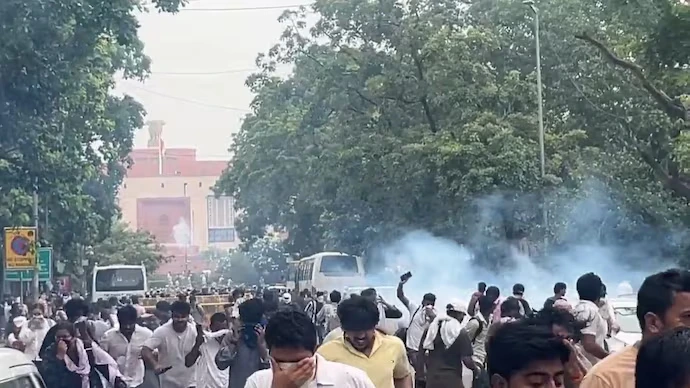
Delhi deploys 25,000 personnel, installs CCTV cameras ahead of CJP march
More than 25,000 police and paramilitary personnel have been deployed in Delhi ahead of the CJP’s planned protest march at Connaught Place. Authorities have also imposed restrictions and stepped up CCTV surveillance.

India News
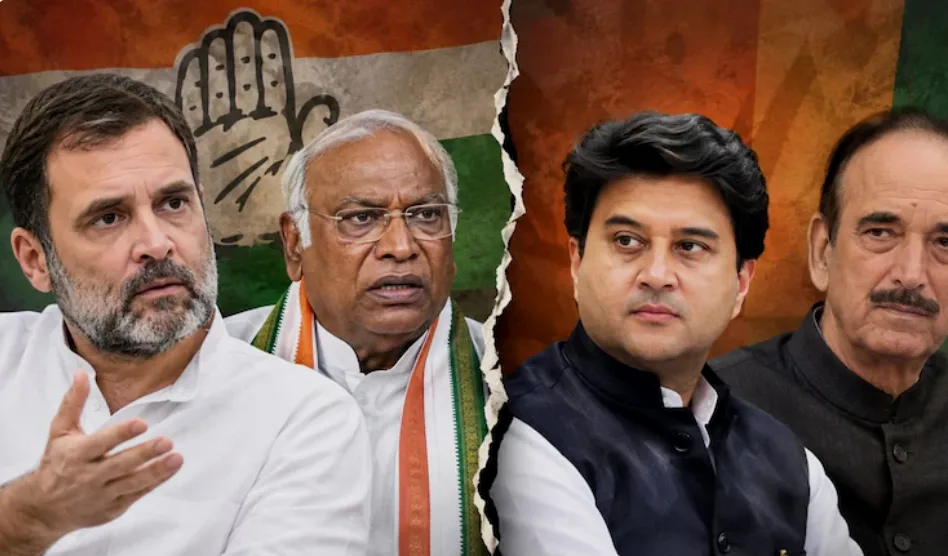
Mallikarjun Kharge’s ‘Your Friends’ jab at Rahul Gandhi over congress exits
Congress president Mallikarjun Kharge took a dig at Rahul Gandhi after the Leader of the Opposition reportedly described former party leaders Jyotiraditya Scindia and Ghulam Nabi Azad as among those who had left the Congress.
India News
Delhi Police offers 11-person limit for CJP’s Connaught Place protest
Delhi Police has offered to facilitate a group of 11 people at Central Park in Connaught Place for the Cockroach Janata Party’s October 16 protest, while warning that violations of prohibitory orders could invite legal action.


Election Commission orders voter roll revision in 17 states, UTs

Actor Imran Khan asked to leave India after CJP protest

Delhi Police offers 11-person limit for CJP’s Connaught Place protest

Mallikarjun Kharge’s ‘Your Friends’ jab at Rahul Gandhi over congress exits

Delhi deploys 25,000 personnel, installs CCTV cameras ahead of CJP march

Magnitude 7 earthquake strikes Russia’s Kamchatka Peninsula
Delhi deploys 25,000 personnel, installs CCTV cameras ahead of CJP march
Mallikarjun Kharge’s ‘Your Friends’ jab at Rahul Gandhi over congress exits
Delhi Police offers 11-person limit for CJP’s Connaught Place protest
Actor Imran Khan asked to leave India after CJP protest

Afghan Men Try To Hang With The Jet Engine Of The Aircraft in Kabul- Afghanistan News – Kabul News
Trending Top 10 News: 10000 Crore Fine on Flipkart, Apple to Launch Unique Feature, Hdfc Bank Job Ad

Trending Top 10 News: Nokia 6310, Apple sales, Bachpan ka Pyar Video Kid, Dainik Bhaskar IT Raid

Trending Top 10 News: Canada bans Indian flights, Rain in Delhi NCR, AIMIM Twitter hacked, Raj Kundra case

Trending Top 10 News: Shein India, Apple New Service, Pocket Oxygen, Oppo Launched New Phone
-
 India News22 hours ago
Election Commission orders voter roll revision in 17 states, UTs
-
 India News22 hours ago
Actor Imran Khan asked to leave India after CJP protest
-
 India News21 hours ago
Delhi Police offers 11-person limit for CJP’s Connaught Place protest
-
 India News9 hours ago
Mallikarjun Kharge’s ‘Your Friends’ jab at Rahul Gandhi over congress exits
-
 India News9 hours ago
Delhi deploys 25,000 personnel, installs CCTV cameras ahead of CJP march
-
 Latest world news9 hours ago
Magnitude 7 earthquake strikes Russia’s Kamchatka Peninsula
