
Latest business news
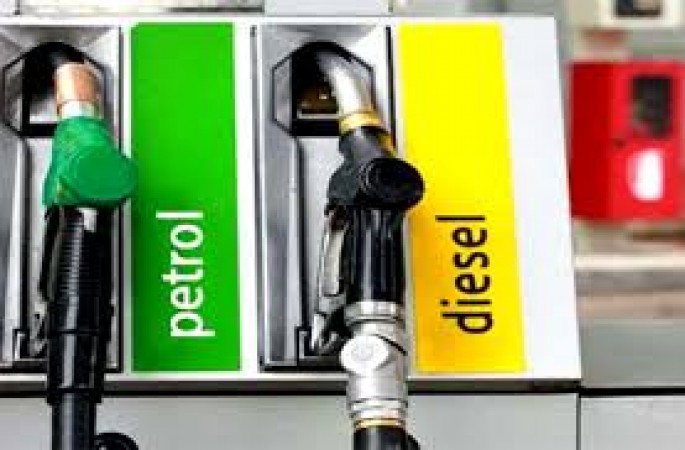
1 Paisa cut in petrol, diesel prices after daily hikes for 16 days


A feeling of minor relief to consumers – from announcement of price cut of 60 paise per litre for petrol and 56 paise per litre for diesel – proved short-lived as the ‘error’ was corrected to say the prices have been brought down by just 1paisa.
The official website of Indian Oil Corporation (IOCL) said in the morning that petrol and diesel prices have been cut by 60 paise and 56 paise per litre respectively.
Petrol and diesel prices were actually cut by 1 paisa per litre each in the capital city of Delhi on Wednesday instead of a bigger cut that was reported earlier by India’s largest fuel retailer. The big cut in petrol prices, initially touted as a major relief for the common man, turned out to be a comic relief after IOC’s website corrected the prices, clarifying it was only a 1 paisa cut.
“The reduction was supposed to be 1 paisa but due to a clerical error the price prevalent on May 25 was communicated as today’s price,” news agency Press Trust of India cited a senior official of Indian Oil Corporation as saying.
For what it is worth, this is the first time in 16 days that prices have been cut since May 14 when fuel retailers ended a 19-day pre-Karnataka poll hiatus to pass on a spike in global oil rates. In all, petrol price was increased by Rs 3.8 per litre and diesel by Rs 3.38 in that fortnight.
According to the revised prices published, one litre of petrol retailed at Rs 78.42 in Delhi; Rs 81.05 in Kolkata; Rs 86.23 in Mumbai; and Rs 81.42 in Chennai, all implying a 1 paisa cut from yesterday’s prices, said media reports.
Petrol and diesel prices were hiked yesterday for the 16th day in a row, by 15-16 paise. According to Indian Oil website, petrol price in Delhi was Rs 78.43 a litre on 29 May 2018; Kolkata — Rs 81.06 a litre; Mumbai — Rs 86.24 a litre; Chennai — Rs 81.43 a litre. Diesel price in Delhi was Rs 69.31 a litre on 29 May 2018; Kolkata — Rs 71.86 a litre; Mumbai — Rs 73.79 litre; Chennai — Rs 73.18 a litre. In Mumbai, the price rose beyond the Rs 86 mark on Monday.
Meanwhile, according to a report in The Financial Express (FE), petrol and diesel prices in Kerala are set to come down following the state cabinet decision to slash retail VAT on fuel on Wednesday. TV news channels reported that the revised fuel prices could be revealed later today, Wednesday, May 30. With this left-ruled Kerala has become the first to slash taxes on fuel prices after the recent rally.
Prices vary from state to state depending on local sales tax or VAT. Delhi has the cheapest price among all metros and most state capitals.
The marginal reduction of 1 paisa per litre comes in the wake of some softening in global crude prices.
The fuel price cut, though modest, apparently came after it was learnt that rising prices of fuel are likely to weigh on the Reserve Bank’s rate-setting panel, Monetary Policy Committee (MPC), at its 3-day meet from June 4, according to a FE report. This is the first time that the Monetary Policy Committee will meet for three days due to “administrative exigencies”, reported FE. In the normal course, it meets every two months for two-days before making public its monetary policy stance.
“The MPC will meet on June 4-6, 2018 for the Second Bi-monthly Monetary Policy Statement for 2018-19. The resolution of the MPC will be placed on the website at 2.30 pm on June 6, 2018,” the Reserve Bank of India said in a statement today. The MPC was originally scheduled to meet on June 5, but the meeting has been advanced by a day. The monetary policy review will take into account the retail inflation which rose to a 4-month high of 3.18 per cent in April mainly on account of increasing prices of petrol and diesel. RBI mainly factors in retail inflation, based on the Consumer Price Index (CPI), while deciding the key interest rate.
The continued increase in domestic petrol and diesel prices in the past 16 days was a result of higher global crude oil prices along with weakness in the rupee against the US dollar, among other factors. The government had said last week that it was looking at short-term as well as long-term solutions for rising domestic fuel prices, NDTV reported.
Weakness in the rupee against the US dollar also puts pressure on domestic petrol and diesel prices. The rupee is down more than 6 per cent against the greenback so far this year, said a NDTV report.
Petrol and diesel prices in India are linked to Singapore gasoline prices and Arab Gulf diesel prices, which mostly track movements in crude oil prices. Crude oil prices fell to about $75 a barrel as Saudi Arabia and Russia said they were ready to ease supply curbs that have pushed crude prices to their highest since 2014, news agency Reuters reported.
The opposition has, however, criticised the Modi government for raising taxes to keep fuel prices high despite the crude oil prices being much lower than under the previous UPA government.
Congress chief Rahul Gandhi told Prime Minister Narendra Modi it was “not a suitable response to the #FuelChallenge” that he had thrown at the PM. He also wondered if it was a prank, then it was childish and in poor taste.
In a tweet addressed to Prime Minister Modi, Gandhi said: “Dear PM, You’ve cut the price of Petrol and Diesel today by 1 paisa. ONE paisa!?? If this is your idea of a prank, it’s childish and in poor taste. P.S. A ONE paisa cut is not a suitable response to the #FuelChallenge I threw you last week.”
Earlier, Gandhi had dared Modi to either cut down fuel prices or be ready to face a nationwide agitation by the party.




Latest business news
Xbox announces 3,200 layoffs as Asha Sharma outlines major restructuring plan
Xbox has announced plans to lay off 3,200 employees over the next year while introducing a major restructuring programme that includes management changes, studio restructuring and cost-cutting measures.


India News
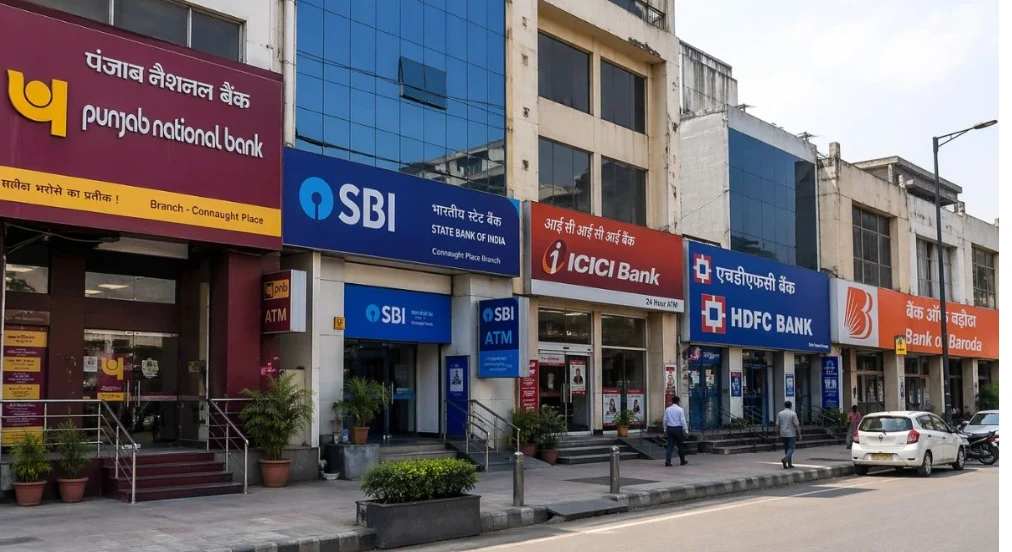
Bank holiday today: Are banks open or closed on June 29? Here’s what RBI calendar says
Banks in Himachal Pradesh and Mizoram will remain closed on June 29, 2026, due to regional holidays, while banking operations will continue normally in most other states.
India News
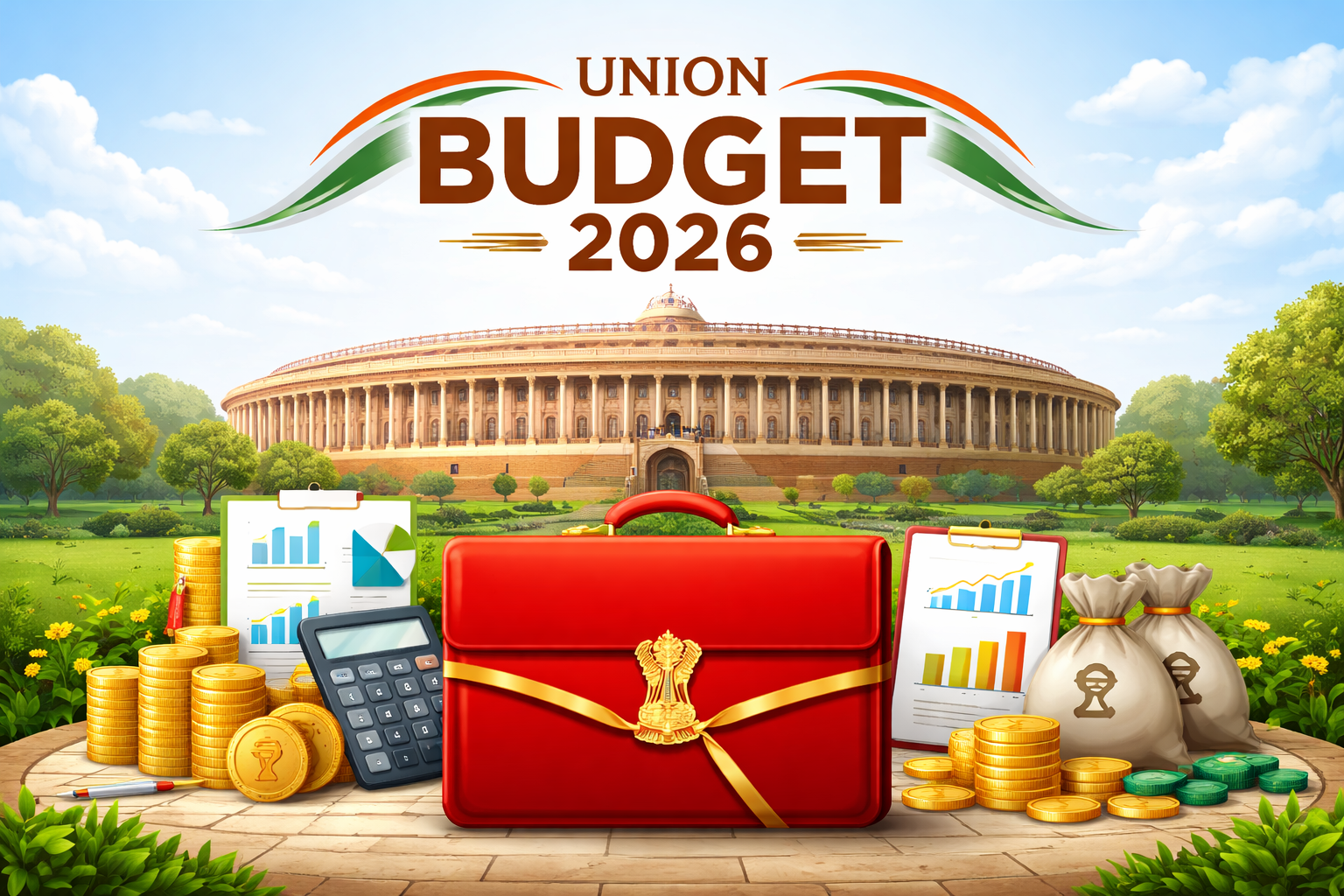
Union Budget 2026 highlights: Nirmala Sitharaman Raises Capex to Rs 12.2 Lakh Cr, West Bengal Gets Major Allocation
Finance Minister Nirmala Sitharaman is presenting the Union Budget 2026 in Parliament today. Follow this space for live updates, key announcements, and policy insights.


Meerut murder: Muskaan Rastogi and Sahil Shukla get death sentence

Rahul Gandhi joins India Gate protest by Ankita Bhandari’s parents

Supreme Court questions EC over missing records in Sringeri election dispute

Dhruv Rathee gets fresh summons in 2018 BJP IT cell video case

Nobody can browbeat judiciary, Chief Justice warns over Rahul Gandhi’s march
Nobody can browbeat judiciary, Chief Justice warns over Rahul Gandhi’s march
Dhruv Rathee gets fresh summons in 2018 BJP IT cell video case
Supreme Court questions EC over missing records in Sringeri election dispute
Rahul Gandhi joins India Gate protest by Ankita Bhandari’s parents
Meerut murder: Muskaan Rastogi and Sahil Shukla get death sentence

Afghan Men Try To Hang With The Jet Engine Of The Aircraft in Kabul- Afghanistan News – Kabul News
Trending Top 10 News: 10000 Crore Fine on Flipkart, Apple to Launch Unique Feature, Hdfc Bank Job Ad

Trending Top 10 News: Nokia 6310, Apple sales, Bachpan ka Pyar Video Kid, Dainik Bhaskar IT Raid

Trending Top 10 News: Canada bans Indian flights, Rain in Delhi NCR, AIMIM Twitter hacked, Raj Kundra case

Trending Top 10 News: Shein India, Apple New Service, Pocket Oxygen, Oppo Launched New Phone
-
 India News21 hours ago
Meerut murder: Muskaan Rastogi and Sahil Shukla get death sentence
-
 India News20 hours ago
Rahul Gandhi joins India Gate protest by Ankita Bhandari’s parents
-
 India News20 hours ago
Supreme Court questions EC over missing records in Sringeri election dispute
-
 India News8 hours ago
Dhruv Rathee gets fresh summons in 2018 BJP IT cell video case
-
 India News4 hours ago
Nobody can browbeat judiciary, Chief Justice warns over Rahul Gandhi’s march
