
India News
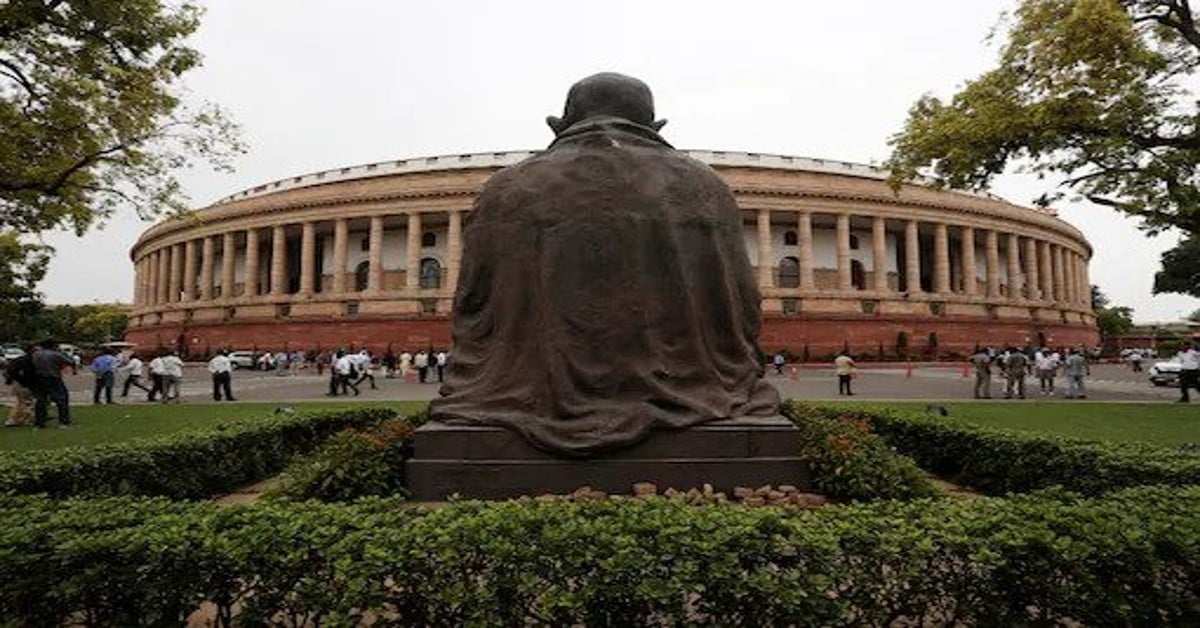
An ode to the old Parliament: What happens to it now?
It has been standing tall and strong with each phase that this country had to face and has witnessed India’s transition from pre-Independent to an Independent state.

By Pratik Agrawal
A moment comes, which comes but rarely in history, when we step out from the old to the new, when an age ends… – India’s first Prime Minister Jawaharlal Nehru in his historic Tryst with Destiny speech.
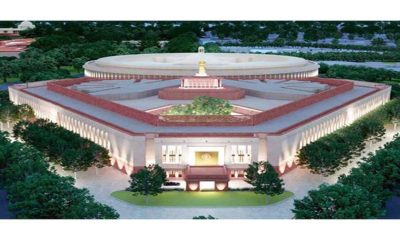
With India all set to get a new Parliament building dedicated to the country on Sunday, a moment Nehru savoured in 1947 looks set for replication on May 28.
When all eyes are on the new Parliament, the old one must not be forgotten, the one that has been witness to history as free India made its baby steps and has now entered the so-called Amrit Kaal. So one must wonder what happens to the old Parliament now?
There has been no comprehensive thought given to what use it would be put to. The Union government has said conserving and rejuvenating the rich heritage of the old Parliament building is a matter of national importance.
Union Housing and Urban Affairs Minister Hardeep Singh Puri had said earlier that the existing building would undergo renovation and be repaired for alternative uses. Some reports have said a portion of the old building could be converted into a museum for the general public.
Last November ahead of Constitution Day, Supreme Court Senior Advocate Pradeep Rai had made an exceptional wish when he had sought then Law Minister Kiren Rjiju’s assistance in shifting the Supreme Court from its current location to its original location, which was the old Parliament building itself.
The Federal Court of India, which was established in 1937 under the Government of India Act, 1935, was functioning in the Chamber of Princes in the Parliament House for 12 years until January 28, 1950 when it became the Supreme Court of India.
The Supreme Court then continued to function from the old Parliament building till 1958, when it was shifted to the present Supreme Court complex.
Old Parliament Building brief history
Originally known as Council House, the foundation stone of old Parliament was laid on February 12, 1921 and was completed in 6 years.
The now-heritage building was inaugurated by Lord Irwin, the then Viceroy of British-ruled India on January 18, 1927.
The building was designed by Herbert Baker and Edwin Lutyens. It cost around Rs 83 lakh then to build it.
A witness to India’s modern history
It has been standing tall and strong with each phase that this country had to face and has witnessed India’s transition from pre-Independent to an Independent state.
- The most obvious moment for democratic India is the day it achieved independence from the British yoke. It was the one wish which had been dreamt of by thousands who embraced martyrdom.
- The adoption of the Constitution in 1950 that declared India a republic giving its own supreme law and a federal structure in functioning.
Not free from attack
On November 7, 1966, Parliament faced its first attack when a large mob of gaurakshaks, sadhus from across the country marched to it demanding a ban on cow slaughter across the country.
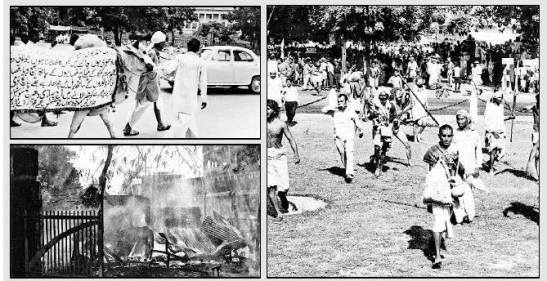
The then Prime Minister Indira Gandhi had just completed 10-months in power and was facing a no-confidence motion but in view of the attack, she ordered firing on the assaulters leading to the death of seven people. A policeman died as well.
Parliament attack, December 13, 2001
A terrorist attack on Parliament meant a direct attack on India, its people and democracy. At around 11:30 am, five terrorists drove into the Parliament complex firing AK-47 rounds but brave Watch and Ward staff and police foiled them from entering the House, which had that time’s leading politicians in it.
Speeches that found their way into history books
At the hour of independence, Jawaharlal Nehru made his Tryst with Destiny address and India woke up to independence.
The “Grammar of Anarchy” by Dr BR Ambedkar, the chairman of the drafting committee of the Constitution.
On November 25, 1949, Dr Ambedkar reminded the people of India about the responsibilities they got upon becoming independent. Ambedkar said now there was no chance of an excuse to blame the British, if anything goes wrong and if things go wrong thereafter, it will be the entire responsibility of us the people of Independent India.
Former PM Atal Bihari Vajpayee’s mic-drop moment came when he taught the world how to resign in style. On May 31, 1996, facing a trust vote, Vajpayee delivered a speech that showed rare visuals from Parliament — a day when the Opposition was also all ears to Vajpayee speaking without making an uproar.
There are many such instances when Parliament was a mute witness to epochal speeches by parliamentarians.







India News
Centre sends 3 letters to Punjab government after anti-drug activist’s killing
The Centre has sought reports from the Punjab government on three incidents linked to allegations surrounding drug-related activities, including the killing of anti-drug activist Parvinder Singh Jhota.

India News
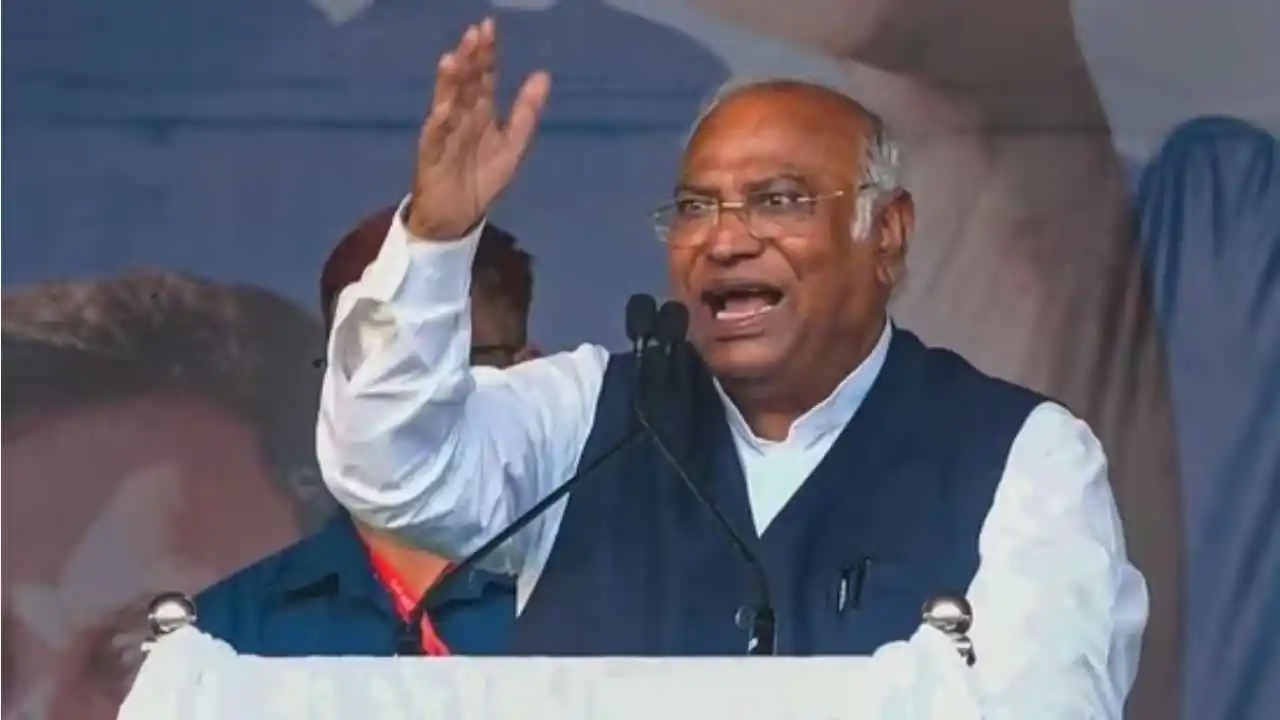
Mallikarjun Kharge seeks all-party meeting with PM Modi on delimitation
Congress president Mallikarjun Kharge has written to Prime Minister Narendra Modi for the fourth time, seeking an all-party meeting on delimitation. He also flagged the 64-day delay in proroguing Parliament’s Monsoon Session.
India News
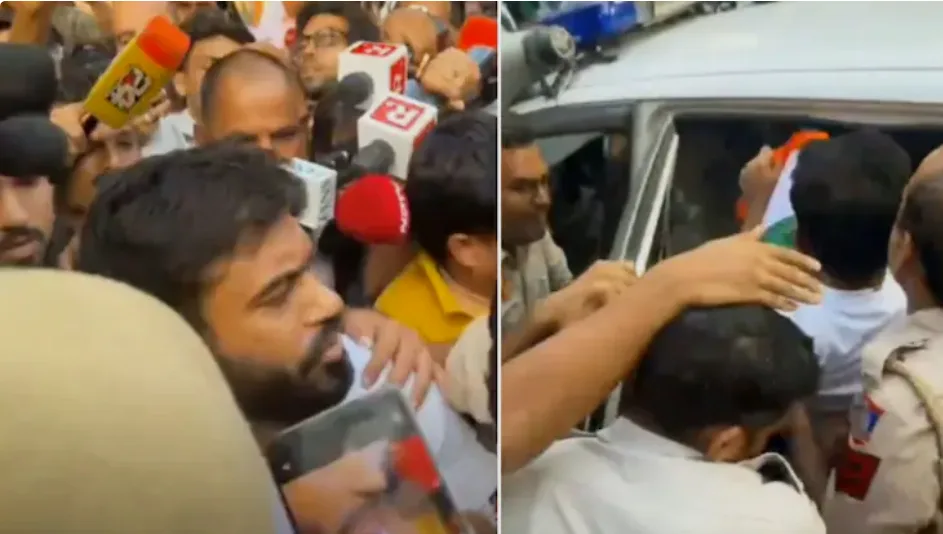
Abhijeet Dipke detained ahead of CJP’s national flag march in Delhi
Cockroach Janta Party founder Abhijeet Dipke was detained by Delhi Police on October 16, 2026, shortly before a planned national flag march. The proposed rally followed the judicial custody of two CJP members who had waved the Tricolour at Jantar Mantar.

Mallikarjun Kharge’s ‘Your Friends’ jab at Rahul Gandhi over congress exits

Magnitude 7 earthquake strikes Russia’s Kamchatka Peninsula

Delhi deploys 25,000 personnel, installs CCTV cameras ahead of CJP march

Abhijeet Dipke detained ahead of CJP’s national flag march in Delhi

Mallikarjun Kharge seeks all-party meeting with PM Modi on delimitation

Centre sends 3 letters to Punjab government after anti-drug activist’s killing
Mallikarjun Kharge seeks all-party meeting with PM Modi on delimitation
Abhijeet Dipke detained ahead of CJP’s national flag march in Delhi
Magnitude 7 earthquake strikes Russia’s Kamchatka Peninsula
Delhi deploys 25,000 personnel, installs CCTV cameras ahead of CJP march

Afghan Men Try To Hang With The Jet Engine Of The Aircraft in Kabul- Afghanistan News – Kabul News
Trending Top 10 News: 10000 Crore Fine on Flipkart, Apple to Launch Unique Feature, Hdfc Bank Job Ad

Trending Top 10 News: Nokia 6310, Apple sales, Bachpan ka Pyar Video Kid, Dainik Bhaskar IT Raid

Trending Top 10 News: Canada bans Indian flights, Rain in Delhi NCR, AIMIM Twitter hacked, Raj Kundra case

Trending Top 10 News: Shein India, Apple New Service, Pocket Oxygen, Oppo Launched New Phone
-
 India News22 hours ago
Mallikarjun Kharge’s ‘Your Friends’ jab at Rahul Gandhi over congress exits
-
 Latest world news22 hours ago
Magnitude 7 earthquake strikes Russia’s Kamchatka Peninsula
-
 India News22 hours ago
Delhi deploys 25,000 personnel, installs CCTV cameras ahead of CJP march
-
 India News13 hours ago
Abhijeet Dipke detained ahead of CJP’s national flag march in Delhi
-
 India News11 hours ago
Mallikarjun Kharge seeks all-party meeting with PM Modi on delimitation
-
 India News10 hours ago
Centre sends 3 letters to Punjab government after anti-drug activist’s killing
