
Trending
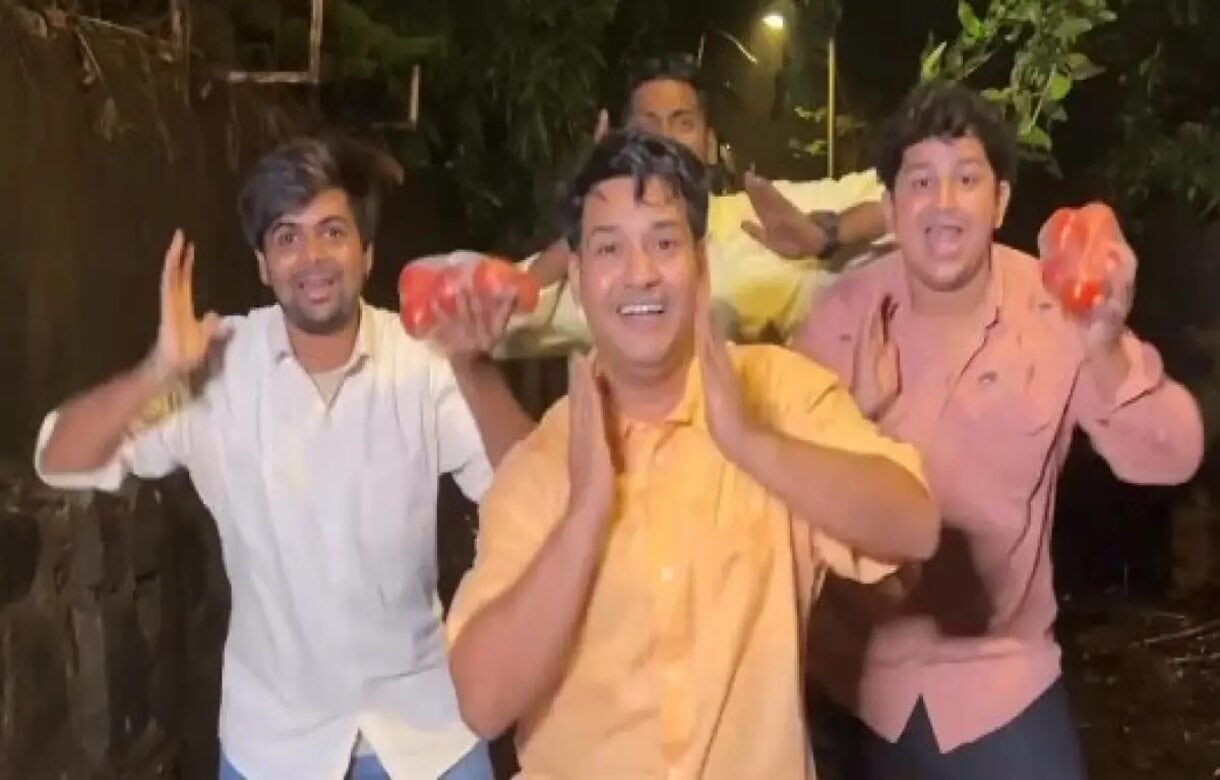
Viral: This parody song about tomato price hike will leave you in splits | Watch video
The parody video was shared on Instagram by content creator Khushaal.









Tech
OpenAI launches GPT-6 Astra with major upgrades in AI reasoning, coding and computer use
OpenAI has introduced GPT-6 Astra, a new flagship AI model with advances in reasoning, coding, computer use, science and cybersecurity.


Entertainment
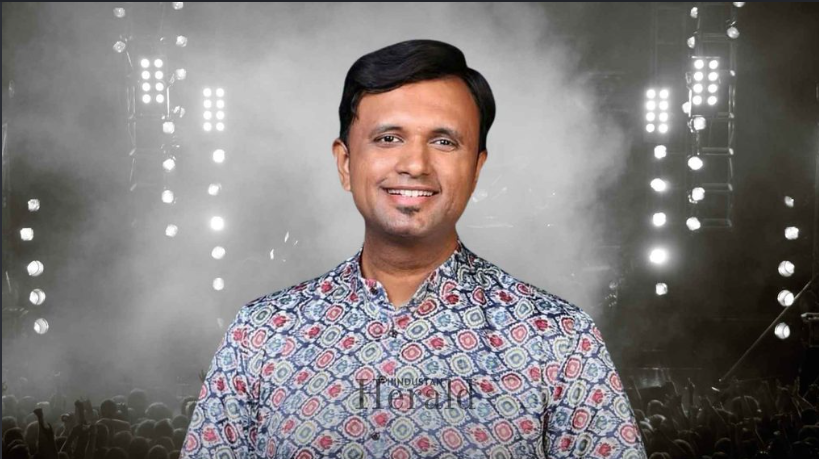
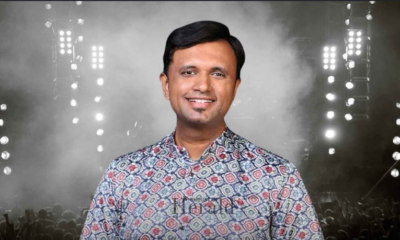
Musician Bhagirath Bhatt breaks silence on Bigg Boss 20 entry, says not going
Musician and sitarist Bhagirath Bhatt has clarified that he will not participate in Bigg Boss 20, citing his preference for calm music and peaceful surroundings.
India News
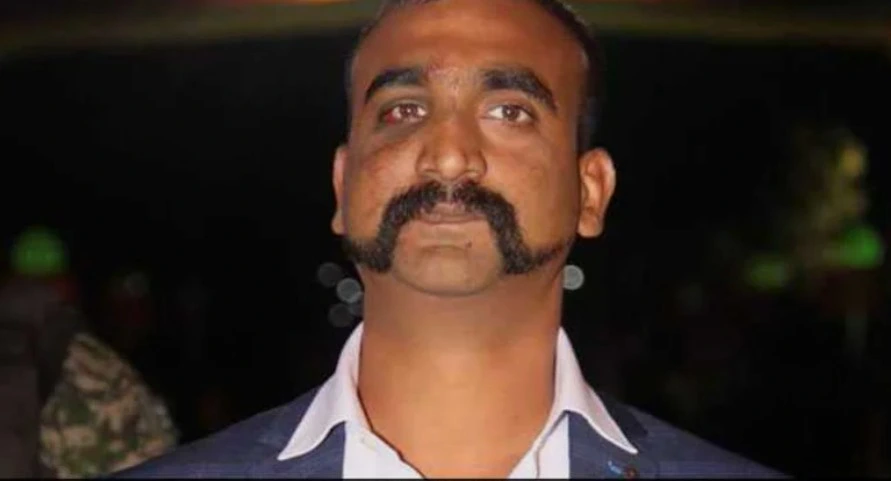
Abhinandan Varthaman retires from IAF, joins FLY91 as commercial pilot
Abhinandan Varthaman has taken premature retirement from the IAF after 22 years and reportedly joined Goa-based airline FLY91 as a commercial pilot.

S Jaishankar defends Russian oil imports, says it won’t end Ukraine war

Nagaland Assembly urges Centre to withdraw Protected Area Permit regime

PM Modi hails ISRO after successful GSLV-F17 launch, calls it proud moment

India offers forensic DNA support to identify Nepal flood victims

Musician Bhagirath Bhatt breaks silence on Bigg Boss 20 entry, says not going

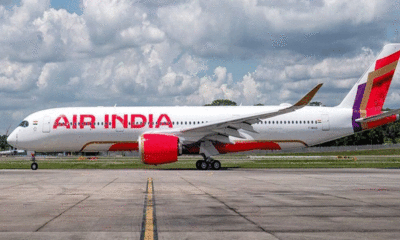
Air India sacks Phuket-Delhi flight pilot after failing drug test

OpenAI launches GPT-6 Astra with major upgrades in AI reasoning, coding and computer use
Musician Bhagirath Bhatt breaks silence on Bigg Boss 20 entry, says not going
India offers forensic DNA support to identify Nepal flood victims
PM Modi hails ISRO after successful GSLV-F17 launch, calls it proud moment

Afghan Men Try To Hang With The Jet Engine Of The Aircraft in Kabul- Afghanistan News – Kabul News
Trending Top 10 News: 10000 Crore Fine on Flipkart, Apple to Launch Unique Feature, Hdfc Bank Job Ad

Trending Top 10 News: Nokia 6310, Apple sales, Bachpan ka Pyar Video Kid, Dainik Bhaskar IT Raid

Trending Top 10 News: Canada bans Indian flights, Rain in Delhi NCR, AIMIM Twitter hacked, Raj Kundra case

Trending Top 10 News: Shein India, Apple New Service, Pocket Oxygen, Oppo Launched New Phone
-
 Latest world news14 hours ago
S Jaishankar defends Russian oil imports, says it won’t end Ukraine war
-
 India News13 hours ago
Nagaland Assembly urges Centre to withdraw Protected Area Permit regime
-
 India News13 hours ago
PM Modi hails ISRO after successful GSLV-F17 launch, calls it proud moment
-
 India News8 hours ago
India offers forensic DNA support to identify Nepal flood victims
-
 Entertainment8 hours ago
Musician Bhagirath Bhatt breaks silence on Bigg Boss 20 entry, says not going
-
 Tech8 hours ago
OpenAI launches GPT-6 Astra with major upgrades in AI reasoning, coding and computer use
-
 India News3 hours ago
Air India sacks Phuket-Delhi flight pilot after failing drug test
