
Latest world news
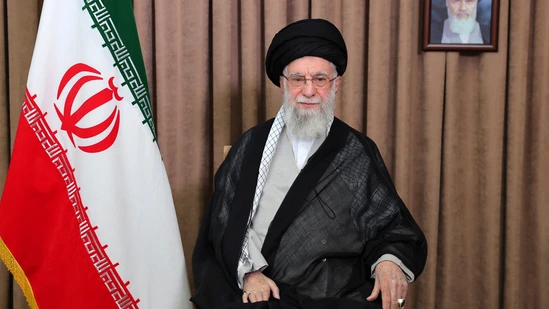
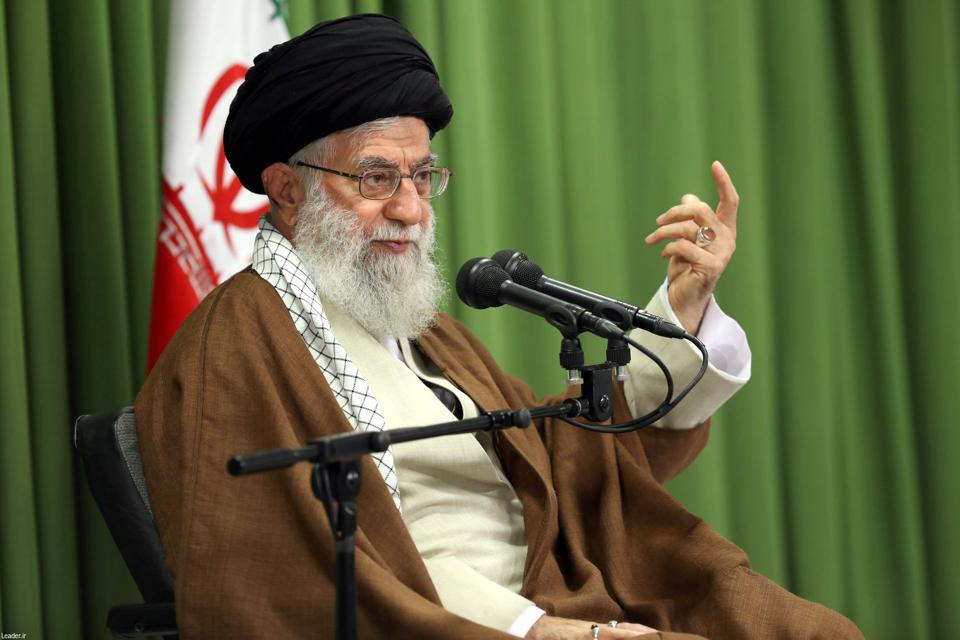
Anti-Khamenei protests intensify across Iran as Reza Pahlavi issues rallying call
Anti-regime protests have intensified across Iran amid soaring inflation and an internet shutdown, with demonstrators chanting against Supreme Leader Ayatollah Khamenei as unrest spreads nationwide.






Latest world news
China says it will properly handle differences with India ahead of Modi-Xi talks
China has stressed stronger communication and cooperation with India ahead of President Xi Jinping’s bilateral meeting with PM Modi in Delhi.


Latest world news
Iran President Pezeshkian says country will not bow to US, Israel
Iranian President Masoud Pezeshkian, speaking in Delhi, said Iran would not surrender to pressure from the US and Israel and expressed hope for deeper cooperation with India.

Latest world news
PM Modi, Iran President Pezeshkian discuss West Asia crisis and trade ties in Delhi
PM Modi met Iranian President Masoud Pezeshkian in Delhi amid West Asia tensions, with talks focusing on regional stability, seafarer safety and India-Iran ties.

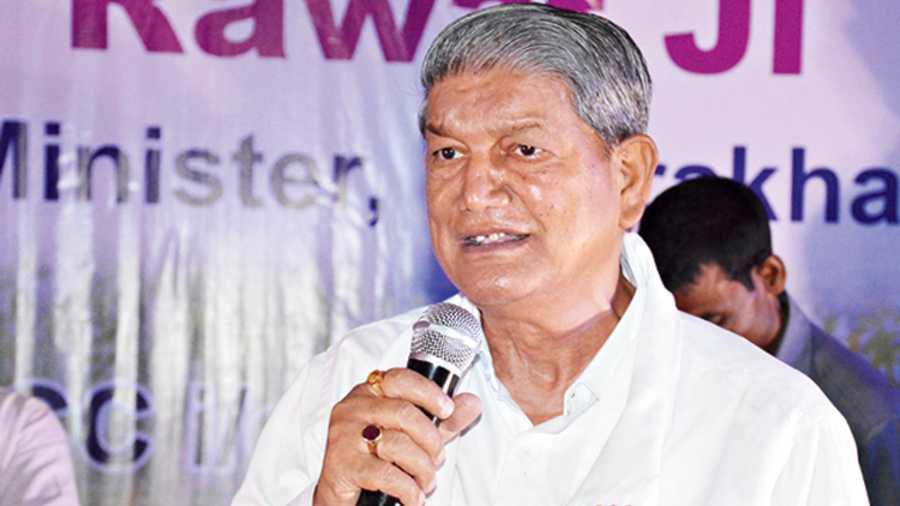
Harish Rawat quits Congress posts after ED raid on aide

Iran President Pezeshkian says country will not bow to US, Israel

Bank holiday on September 14: Banks closed in these cities

China says it will properly handle differences with India ahead of Modi-Xi talks

PM Modi-Xi meeting: Xi says India, China can learn from each other’s strengths
PM Modi-Xi meeting: Xi says India, China can learn from each other’s strengths
Bank holiday on September 14: Banks closed in these cities
China says it will properly handle differences with India ahead of Modi-Xi talks
Iran President Pezeshkian says country will not bow to US, Israel
Harish Rawat quits Congress posts after ED raid on aide

Afghan Men Try To Hang With The Jet Engine Of The Aircraft in Kabul- Afghanistan News – Kabul News
Trending Top 10 News: 10000 Crore Fine on Flipkart, Apple to Launch Unique Feature, Hdfc Bank Job Ad

Trending Top 10 News: Nokia 6310, Apple sales, Bachpan ka Pyar Video Kid, Dainik Bhaskar IT Raid

Trending Top 10 News: Canada bans Indian flights, Rain in Delhi NCR, AIMIM Twitter hacked, Raj Kundra case

Trending Top 10 News: Shein India, Apple New Service, Pocket Oxygen, Oppo Launched New Phone
-
India News21 hours ago
Harish Rawat quits Congress posts after ED raid on aide
-
 Latest world news21 hours ago
Iran President Pezeshkian says country will not bow to US, Israel
-
 India News20 hours ago
Bank holiday on September 14: Banks closed in these cities
-
 Latest world news21 hours ago
China says it will properly handle differences with India ahead of Modi-Xi talks
-
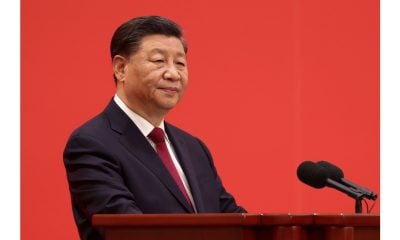 India News9 hours ago
PM Modi-Xi meeting: Xi says India, China can learn from each other’s strengths
