English हिन्दी
Connect with us

India News

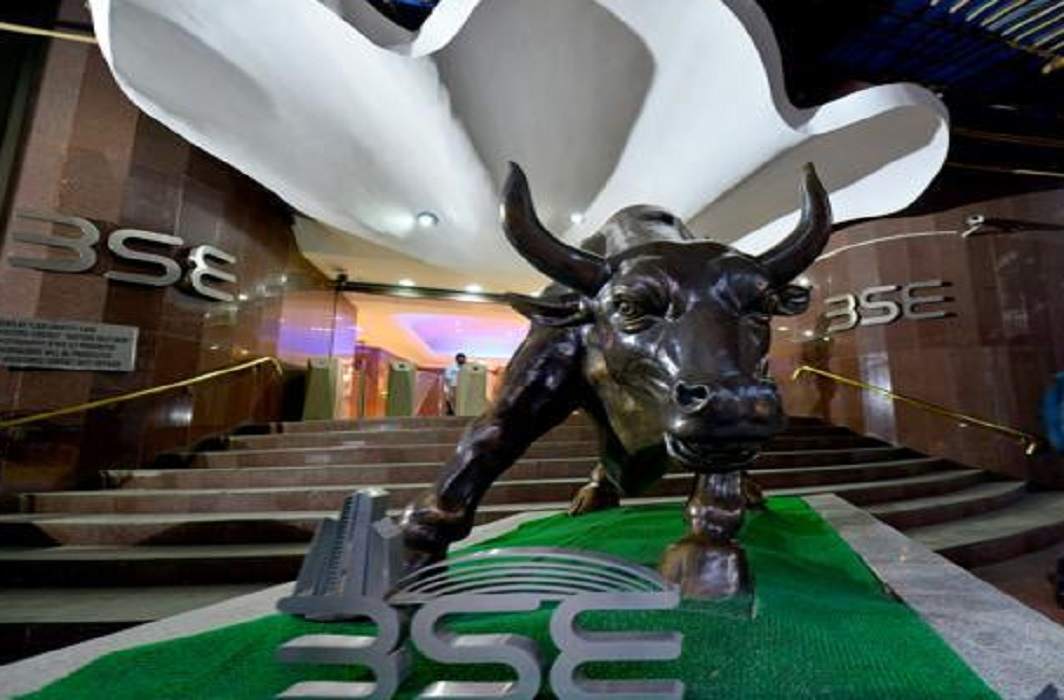
Union Budget 2026: Why Budget announcements matter for stock market direction

With markets open on Budget day, Union Budget 2026 is set to influence stock movements as investors track growth measures, taxation changes and the fiscal deficit.

Published

on

Stock market

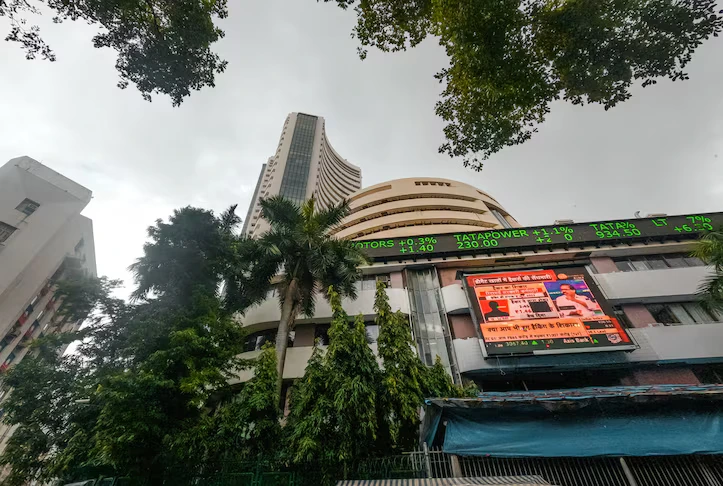
The Union Budget remains one of the most closely watched events in India’s financial calendar, with stock markets often reacting sharply to policy signals. This year, trading will continue on Budget day — February 1 — despite it falling on a Sunday, allowing investors to respond immediately to announcements.

Finance Minister Nirmala Sitharaman will present her ninth consecutive Union Budget, an event that is expected to set the tone for market sentiment in the near term.

Growth-focused policies and investor sentiment

Equity markets generally respond positively when the Budget outlines steps aimed at supporting economic growth. Measures such as infrastructure spending, business-friendly reforms or incentives for key industries tend to improve investor confidence.

When such policies signal long-term expansion, markets often factor in stronger earnings prospects, leading to upward movement in stock prices.

Consumer spending and sectoral gains

Budget proposals that increase disposable income can also influence market behaviour. Tax relief measures, direct support schemes or efforts to manage inflation may leave households with more spending power.

Higher consumer spending typically benefits sectors such as retail, automobiles and fast-moving consumer goods, with increased demand often reflected in company valuations.

Tax changes and market participation

Tax-related announcements play a crucial role in shaping investment decisions. Lower taxes for individuals or businesses can support consumption and profitability, encouraging further investment activity.

At the same time, changes to capital gains or dividend taxation directly affect investor behaviour. Favourable tax treatment can lead to higher participation in equity markets, while tighter taxation may weigh on sentiment.

Fiscal deficit remains a key indicator

Markets also keep a close watch on the fiscal deficit — the difference between government spending and revenue. A higher deficit can raise concerns around increased borrowing, inflationary pressure and interest rates, all of which may affect corporate performance.

Conversely, a controlled deficit is often seen as a sign of fiscal discipline, helping strengthen confidence among investors.

India News

Karnataka Minister B Nagendra offers resignation over Valmiki case

Karnataka Minister B Nagendra has offered to resign amid BJP protests over alleged irregularities in the Valmiki Scheduled Tribes Development Corporation.

Published

on

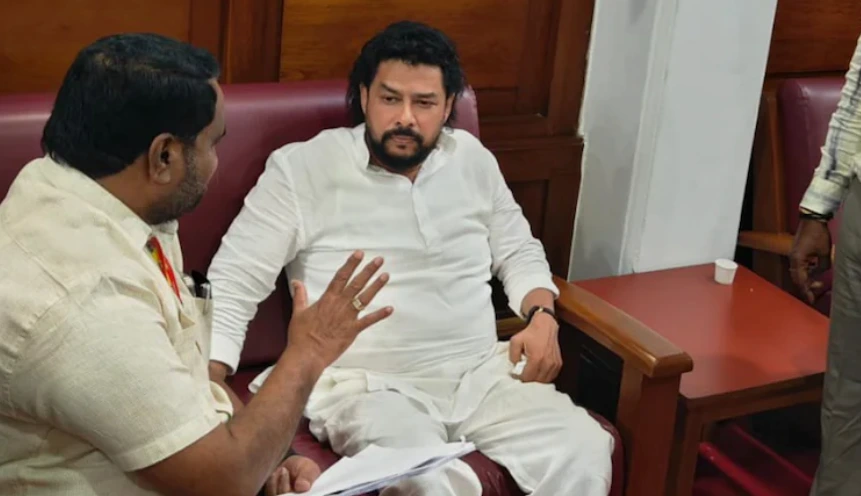
Karnataka Minister B Nagendra has offered to resign from the cabinet amid mounting pressure from the opposition BJP over alleged financial irregularities in the Karnataka Maharshi Valmiki Scheduled Tribes Development Corporation.

Nagendra made the offer on Wednesday as the BJP intensified its protests demanding his removal from the cabinet over the alleged Rs 89 crore irregularities linked to the corporation.

Sources said Chief Minister DK Shivakumar has asked Nagendra to wait until he holds discussions with the Congress high command.

Valmiki corporation case

The controversy came to light after corporation accounts officer Chandrasekharan P died by suicide in May 2024. He left behind a note alleging unauthorised transfers of funds.

Subsequent investigations alleged that large amounts of money were transferred from the corporation’s bank accounts to various accounts, triggering a political controversy and demands for action against Nagendra.

Nagendra was the Tribal Welfare Minister in the Siddaramaiah government at the time and resigned from the cabinet in June 2024 amid the controversy.

He was later re-inducted into the Karnataka cabinet on August 3 after DK Shivakumar became Chief Minister.

The latest development comes as the BJP has stepped up its campaign against Nagendra and continued demanding his resignation over the allegations.

Continue Reading

India News

Supreme Court rejects Tarun Tejpal’s plea, grants three weeks to surrender

Supreme Court rejects Tarun Tejpal’s surrender exemption plea and grants him three weeks to surrender.
Published

on

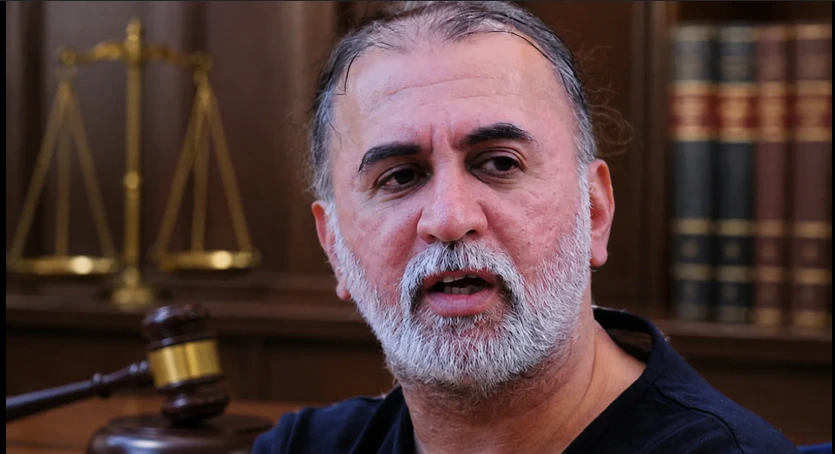
The Supreme Court on Tuesday rejected former Tehelka Editor-in-Chief Tarun Tejpal’s plea seeking exemption from surrender in connection with the 2013 rape case.

The court directed Tejpal to surrender within three weeks. His appeal challenging the Bombay High Court’s conviction and 10-year prison sentence is to be taken up subject to compliance with the surrender requirement.

The Bombay High Court’s Goa bench had convicted Tejpal on August 6 and sentenced him to 10 years in prison, overturning his acquittal by a trial court in 2021.

What happened in the Supreme Court

During Tuesday’s hearing, the Goa government argued that Tejpal’s appeal could be heard only after he surrendered and submitted the required surrender certificate.

The Supreme Court rules require a person challenging a conviction to surrender before the appeal is heard, although an exemption from surrender can be sought.

Tejpal’s lawyer, Kapil Sibal, argued that the Bombay High Court had already stayed the operation of the conviction and that requiring him to surrender again would not be appropriate. Sibal also said Tejpal was prepared to go into custody if the Supreme Court did not grant relief.

Tarun Tejpal case

The case dates back to 2013, when a female journalist accused Tejpal of sexually assaulting her inside a hotel elevator during an event in Panaji.

Tejpal was arrested on November 30, 2013, and was later charged under provisions of the Indian Penal Code relating to rape, sexual harassment and wrongful confinement. He pleaded not guilty.

In May 2021, the Goa Sessions Court acquitted Tejpal, holding that the prosecution had failed to establish the case beyond reasonable doubt. The Goa government subsequently challenged that decision before the Bombay High Court.

The Bombay High Court later overturned the acquittal and convicted Tejpal, sentencing him to 10 years in prison.

The Goa government has also approached the Supreme Court seeking enhancement of the sentence.

Continue Reading

India News

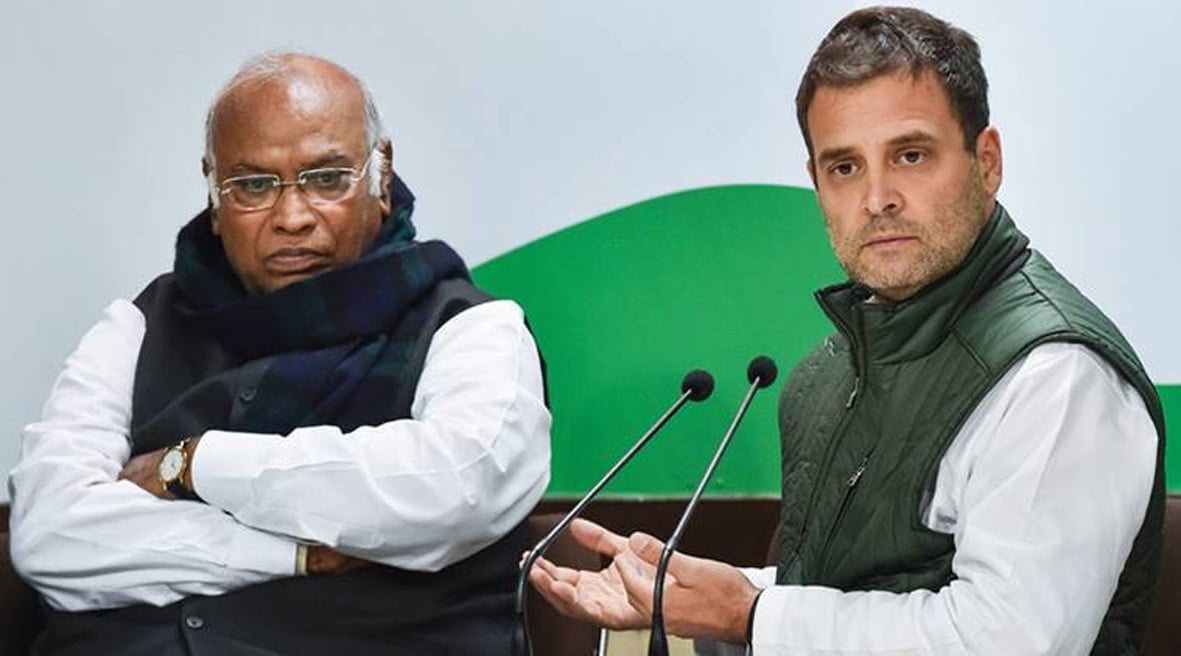
Rahul Gandhi, Kharge question caste census method, seek OBC list

Rahul Gandhi and Mallikarjun Kharge have questioned the proposed caste census method and demanded a separate OBC drop-down list.
Published

on

Rahul Gandhi Mallikarjun Kharge

Congress president Mallikarjun Kharge and Leader of the Opposition in the Lok Sabha Rahul Gandhi have written a joint letter to Prime Minister Narendra Modi, raising concerns over the proposed method for recording caste information in the 2027 Census.

The Congress leaders have particularly objected to the absence of a separate OBC column in the caste-related questionnaire. They argued that the current system may not accurately reflect the size of India’s Other Backward Classes (OBC) population.

Sharing the letter on social media, Mr Kharge said that conducting a caste census was not enough and that it also needed to be carried out correctly.

The two leaders described the proposed method of recording caste information as “misleading” and outlined what they said were its potential shortcomings.

Rahul Gandhi, Kharge raise concerns over caste names

According to the letter, under the proposed approach, the caste name provided by an individual would be recorded as given.

Rahul Gandhi and Mallikarjun Kharge argued that the same caste can be known by different names, sub-castes and linguistic variations across different parts of India. They said this could result in members of the same caste being recorded under different names.

The Congress leaders contended that this could fragment a single caste across a very large number of entries and make the resulting data difficult to use effectively.

They have therefore demanded that the government withdraw the existing caste census questionnaire and prepare a new one after consultations with political parties, experts and the public.

Congress seeks OBC drop-down list

Rahul Gandhi and Mallikarjun Kharge have suggested creating a drop-down list of castes to address the issue.

They said such a list could be prepared using existing government lists, including those for Socially and Educationally Backward Classes, along with data from the Anthropological Survey of India.

The Congress leaders also attached caste lists used in surveys conducted in Telangana and Bihar, saying the same methodology had been used in those exercises.

Their key demand is for a separate drop-down list for the OBC category in the caste-related questionnaire.

What is the caste question in the 2027 Census?

The Centre released a list of 40 questions for the 2027 Census around two weeks ago.

The tenth question relates to caste. According to the information cited by the Congress leaders, a drop-down list has been provided for Scheduled Castes and Scheduled Tribes, while an open-ended format has been adopted for other caste responses.

The Congress has demanded that a similar drop-down list be introduced for the OBC category.

Jairam Ramesh alleges Centre is delaying caste census

Congress General Secretary Jairam Ramesh, while releasing the letter at a press conference, alleged that the Centre did not have a genuine intention to conduct a caste census.

He described the current process as a “deception” and accused the government of deliberately attempting to put the caste census on the back burner. These are allegations made by the Congress and are presented as such.

The issue comes amid continued demands from the Congress for an accurate caste census.

A few days ago, Rahul Gandhi, while addressing an event organised by the Congress party’s OBC department, said that if the OBC community took to the streets like “Gen Z students”, the government would be forced to yield.

Continue Reading

Trending

© Copyright 2022 APNLIVE.com