
India News
Uniform rules for WhatsApp, Telegram under review as Centre examines legal aspects
The Centre is reviewing responses from WhatsApp, Telegram and Zoho Bharat Eye over username-based messaging features, with a notification on uniform rules likely within 20 days.








India News
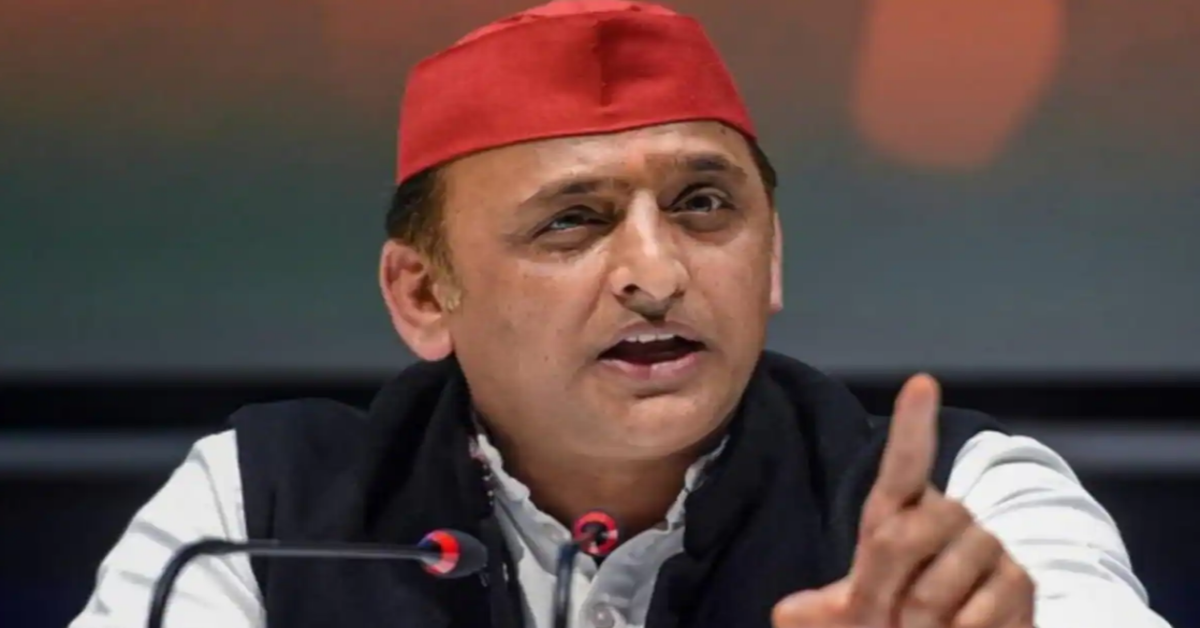
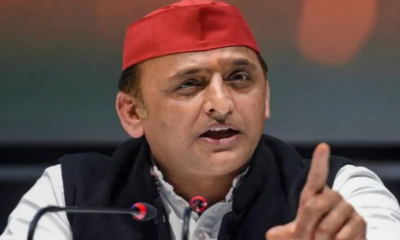
Akhilesh Yadav says corruption forcing honest officers to quit UP
Samajwadi Party chief Akhilesh Yadav alleged that corruption in Uttar Pradesh is forcing honest government officers to leave service before retirement.
India News
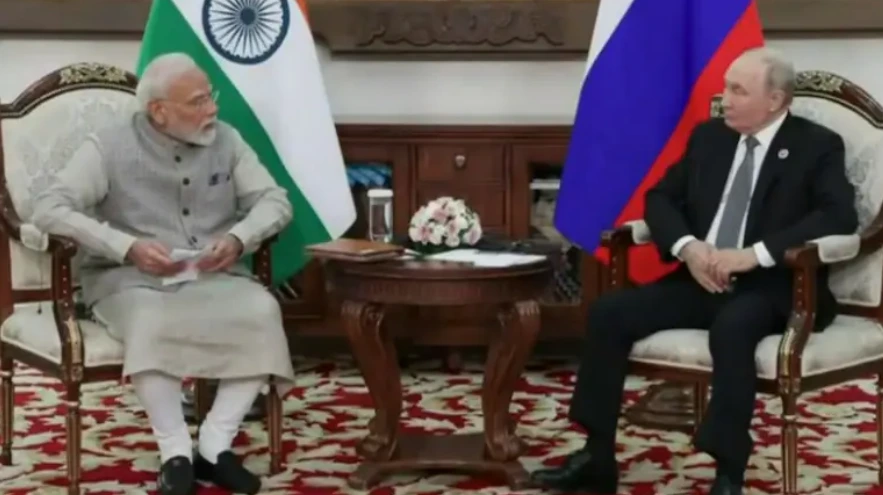
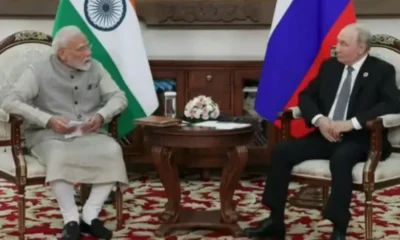
PM Modi meets Putin, says India supports peace in Ukraine
PM Modi met Russian President Vladimir Putin in Kyrgyzstan and reiterated India’s support for peaceful efforts to resolve the Russia-Ukraine conflict.
India News
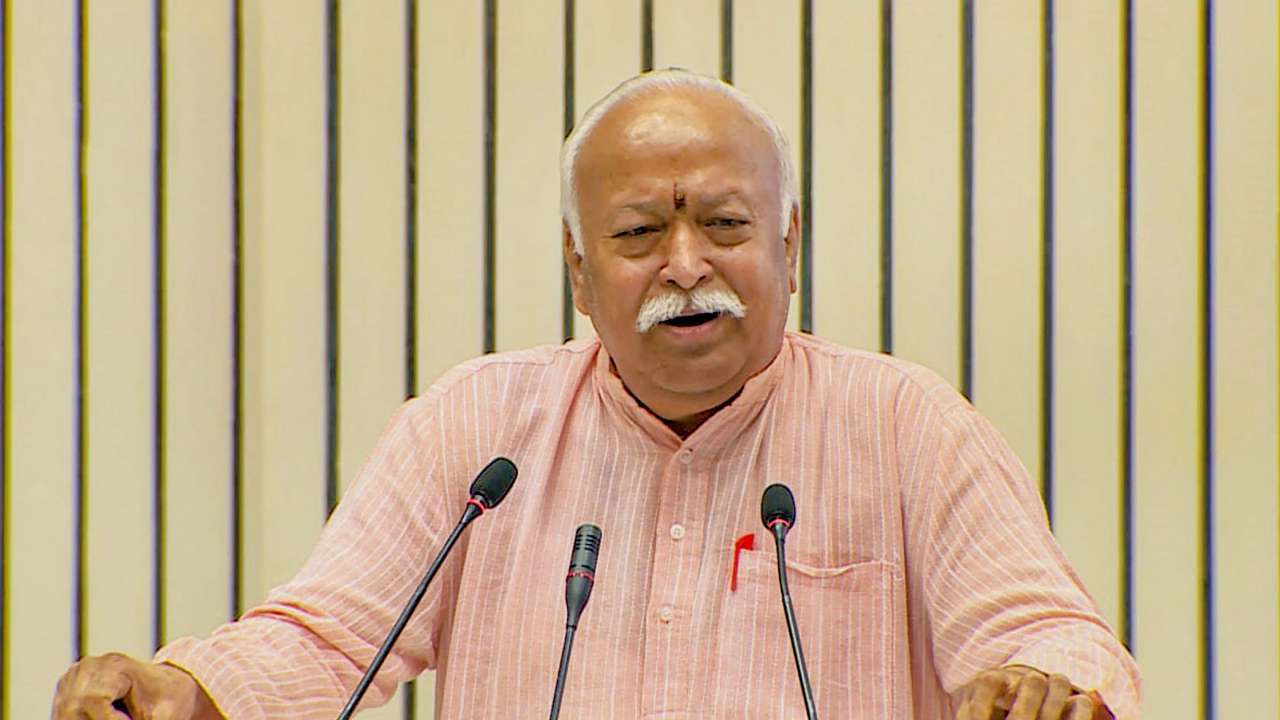
India became Vishwaguru through service, not power, says Mohan Bhagwat
RSS chief Mohan Bhagwat said India became a Vishwaguru through selfless service and its tradition of respecting diversity, rather than through power.

PM Modi meets Putin, says India supports peace in Ukraine

Akhilesh Yadav says corruption forcing honest officers to quit UP

Lionel Messi announces retirement from international football

US proposes ending H-4 work permits, Indian spouses face major impact
US proposes ending H-4 work permits, Indian spouses face major impact
Lionel Messi announces retirement from international football
Akhilesh Yadav says corruption forcing honest officers to quit UP
PM Modi meets Putin, says India supports peace in Ukraine
India became Vishwaguru through service, not power, says Mohan Bhagwat

Afghan Men Try To Hang With The Jet Engine Of The Aircraft in Kabul- Afghanistan News – Kabul News
Trending Top 10 News: 10000 Crore Fine on Flipkart, Apple to Launch Unique Feature, Hdfc Bank Job Ad

Trending Top 10 News: Nokia 6310, Apple sales, Bachpan ka Pyar Video Kid, Dainik Bhaskar IT Raid

Trending Top 10 News: Canada bans Indian flights, Rain in Delhi NCR, AIMIM Twitter hacked, Raj Kundra case

Trending Top 10 News: Shein India, Apple New Service, Pocket Oxygen, Oppo Launched New Phone
-
 India News20 hours ago
PM Modi meets Putin, says India supports peace in Ukraine
-
 India News20 hours ago
Akhilesh Yadav says corruption forcing honest officers to quit UP
-
 LATEST SPORTS NEWS7 hours ago
Lionel Messi announces retirement from international football
-
 Latest world news2 hours ago
US proposes ending H-4 work permits, Indian spouses face major impact
