
Latest Politics News
TIME magazine shows Narendra Modi on cover, calls him divider-in-chief


[vc_row][vc_column][vc_column_text]American news magazine Time has featured Prime Minister Narendra Modi on the cover page of its May 20 issue with a headline that may create controversy across India amid the election season.
The headline reads “India’s Divider in Chief” that is and carries a caricature of the Prime Minister criticising Modi.
This title pertains to the article in the magazine, written by Aatish Taseer with the headline “Can the World’s Largest Democracy Endure another Five Years of a Modi Government?”
The opposition pounced on the story today. The women’s wing of the Congress, for example, pointed to the opening line – ‘Of the great democracies to fall to populism, India was the first.’ – to attack PM Modi.
Also Read: Modi’s claims on Rajiv Gandhi holidaying on Navy ship raises storm
‘Your truth is for all to see,’ the All India Mahila Congress tweeted to Modi.
In the same issue, TIME published a second story on the prime minister, titled, “Modi Is India’s Best Hope for Economic Reform.”
TIME’s articles on Modi come as India’s Lok Sabha election enters its home stretch, with just two polling phases left before votes are counted on May 23.
The cover story, reported by Aatish Taseer, says ‘the world’s biggest democracy is more divided than ever’ -the broad array of topics that find mention in the piece include mob lynchings, the appointment of Yogi Adityanath as Uttar Pradesh’s chief minister in 2017, and the BJP’s recent decision to field Sadhvi Pragya Singh Thakur in Bhopal.
The article is also critical of the opposition, which it calls a ‘weak’, ‘ragtag’ coalition; it says the Congress has little to offer than the dynastic principle and describes Rahul Gandhi as “an unteachable mediocrity”.
Also Read: Rahul Gandhi will be responsible if Modi-Shah comes back to power: Arvind Kejriwal
Prime Minister Narendra Modi has been on the cover of TIME before – for example, an interview with the BJP leader headlined a May 2015 cover. (He has also won, more than once, the online readers’ poll for TIME Person of the Year.)

When the 2015 edition was published, Narendra Modi had been prime minister for a year; he assumed office on May 26, 2014, after crushing the UPA in a Lok Sabha election that saw the BJP win a parliamentary majority on its own.
Also Read: PM Modi slams Pitroda for ‘hua toh hua’ remark over 1984 anti-Sikh riots
This Lok Sabha Election, Modi is contesting again from Varanasi, Uttar Pradesh, which votes on May 19, the last polling day.[/vc_column_text][/vc_column][/vc_row]








India News
CJP leaders Saurav Das, Ashutosh Ranka, Ajinkya Shinde sent to 5-day judicial custody
Three CJP leaders, Saurav Das, Ashutosh Ranka and Ajinkya Shinde, were placed under preventive arrest following a protest at Delhi’s Jantar Mantar over Chief Election Commissioner Gyanesh Kumar.


India News
BJP focuses on religion as opposition pushes BDM strategy in UP
The BJP is emphasising religious issues ahead of the Uttar Pradesh Assembly elections, while opposition parties are seeking to consolidate Backward, Dalit and Minority voters. Recent exchanges involving Yogi Adityanath, Akhilesh Yadav and Asaduddin Owaisi have added to the political contest over the state’s electoral narrative.

India News
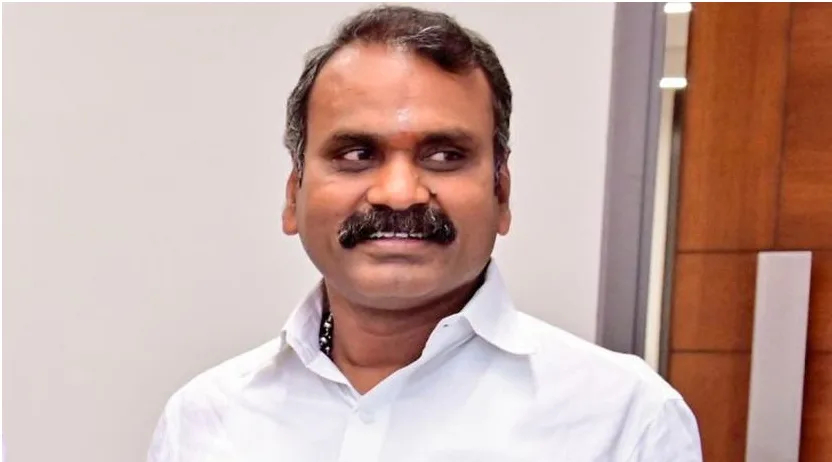
L Murugan quits Union ministry to strengthen BJP in Tamil Nadu
L Murugan has resigned from his Union ministerial post and Rajya Sabha membership, saying he wants to return to grassroots politics and dedicate himself to strengthening the BJP in Tamil Nadu before the 2029 Lok Sabha elections.

India-US trade deal first phase finalised, drafting underway

Election Commission orders voter roll revision in 17 states, UTs

Actor Imran Khan asked to leave India after CJP protest

Delhi Police offers 11-person limit for CJP’s Connaught Place protest

Mallikarjun Kharge’s ‘Your Friends’ jab at Rahul Gandhi over congress exits

Magnitude 7 earthquake strikes Russia’s Kamchatka Peninsula

Delhi deploys 25,000 personnel, installs CCTV cameras ahead of CJP march
Mallikarjun Kharge’s ‘Your Friends’ jab at Rahul Gandhi over congress exits
Delhi Police offers 11-person limit for CJP’s Connaught Place protest
Actor Imran Khan asked to leave India after CJP protest

Afghan Men Try To Hang With The Jet Engine Of The Aircraft in Kabul- Afghanistan News – Kabul News
Trending Top 10 News: 10000 Crore Fine on Flipkart, Apple to Launch Unique Feature, Hdfc Bank Job Ad

Trending Top 10 News: Nokia 6310, Apple sales, Bachpan ka Pyar Video Kid, Dainik Bhaskar IT Raid

Trending Top 10 News: Canada bans Indian flights, Rain in Delhi NCR, AIMIM Twitter hacked, Raj Kundra case

Trending Top 10 News: Shein India, Apple New Service, Pocket Oxygen, Oppo Launched New Phone
-
 India News22 hours ago
India-US trade deal first phase finalised, drafting underway
-
 India News20 hours ago
Election Commission orders voter roll revision in 17 states, UTs
-
 India News20 hours ago
Actor Imran Khan asked to leave India after CJP protest
-
 India News18 hours ago
Delhi Police offers 11-person limit for CJP’s Connaught Place protest
-
 India News7 hours ago
Mallikarjun Kharge’s ‘Your Friends’ jab at Rahul Gandhi over congress exits
-
 India News7 hours ago
Delhi deploys 25,000 personnel, installs CCTV cameras ahead of CJP march
-
 Latest world news6 hours ago
Magnitude 7 earthquake strikes Russia’s Kamchatka Peninsula
