
India News
Unlock 4.0: Metro may resume and Schools to remain shut.
The Centre is likely to allow resumption of metro services, which were halted since March 22, in Delhi and the NCR from September 1. Contactless ticketing system will be put in place and passengers will not be allowed to use tokens anymore.


The Centre is likely to allow resumption of metro services, which were halted since March 22, in Delhi and the NCR from September 1. Contactless ticketing system will be put in place and passengers will not be allowed to use tokens anymore.
Flouting Covid-19 norms such as not wearing a mask, sitting on seats meant to be left vacant in order to maintain social distancing and spitting or littering on the station premises will attract hefty fines.
Schools and colleges are likely to remain shut, while bars will be allowed to serve liquor over the counter for takeaways. Cinema halls will also remain shut as it won’t be feasible to run shows with only 25-30% capacity due to physical distancing norms.

In Karnataka, the academic year of colleges for various degree courses will commence from September 1 with online classes while offline classes may begin from October 1, the state government has said.
Karnataka may push for opening cinema halls and allowing sale of liquor in restaurants in a relief to hospitality sector.
In Unlock 4.0, domestic flights from Covid-19 hotspots will be allowed to land in Kolkata. CM Mamata Banerjee said, We have received several requests to resume flight operations from six Covid-19 hotspot states. So from September 1, flight services from e six states Delhi, Mumbai, Pune, Nagpur, Chennai and Ahmedabad can resume thrice a week. While pubs and clubs are expected to open in the state, West Bengal will be under complete lockdown twice a week.
Read Also: Rhea denies all charges, says “pathetic” allegations from Mr Rajput’s father
Local trains in Mumbai will not resume in this phase. Mumbai police has also warned motorists that they will impound vehicles if they cannot show a valid reason for being out.
Chennai has announced that e-passes will be mandatory for inter-state and inter-district movement. Restrictions on liquor shops and hotels may be eased in the city in Unlock 4.0.





India News
Centre sends 3 letters to Punjab government after anti-drug activist’s killing
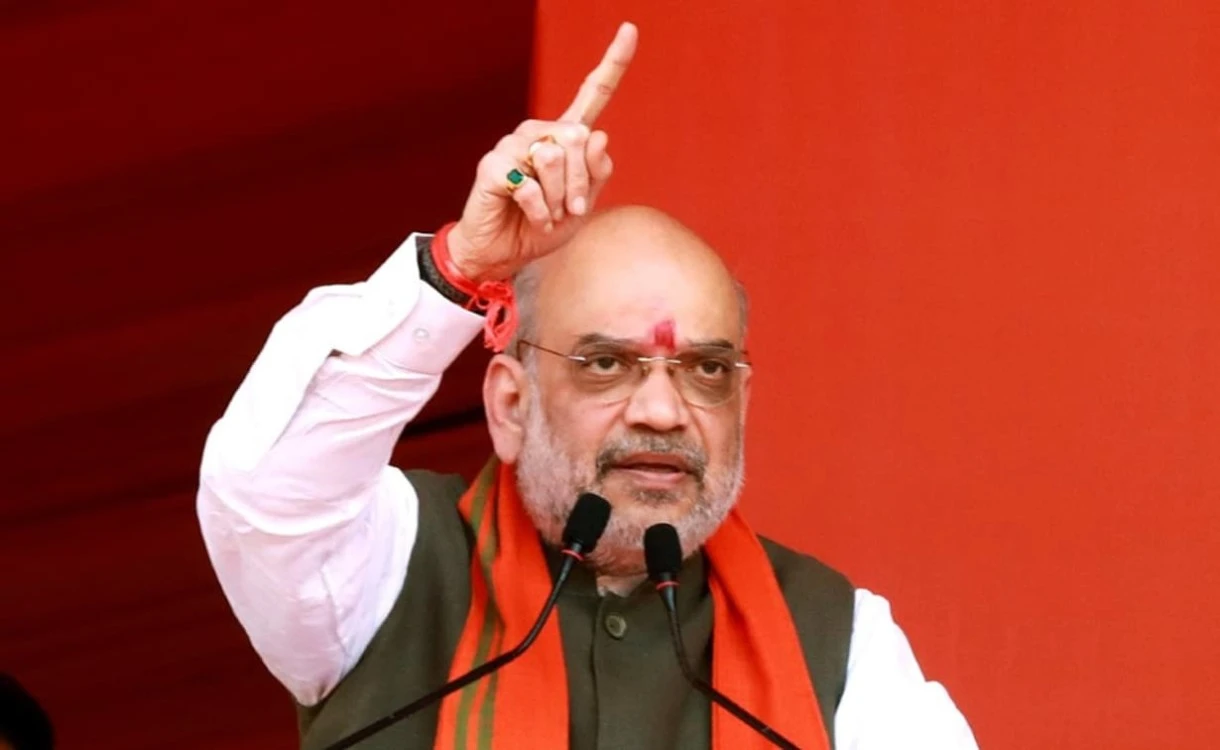
The Centre has sought reports from the Punjab government on three incidents linked to allegations surrounding drug-related activities, including the killing of anti-drug activist Parvinder Singh Jhota.

India News
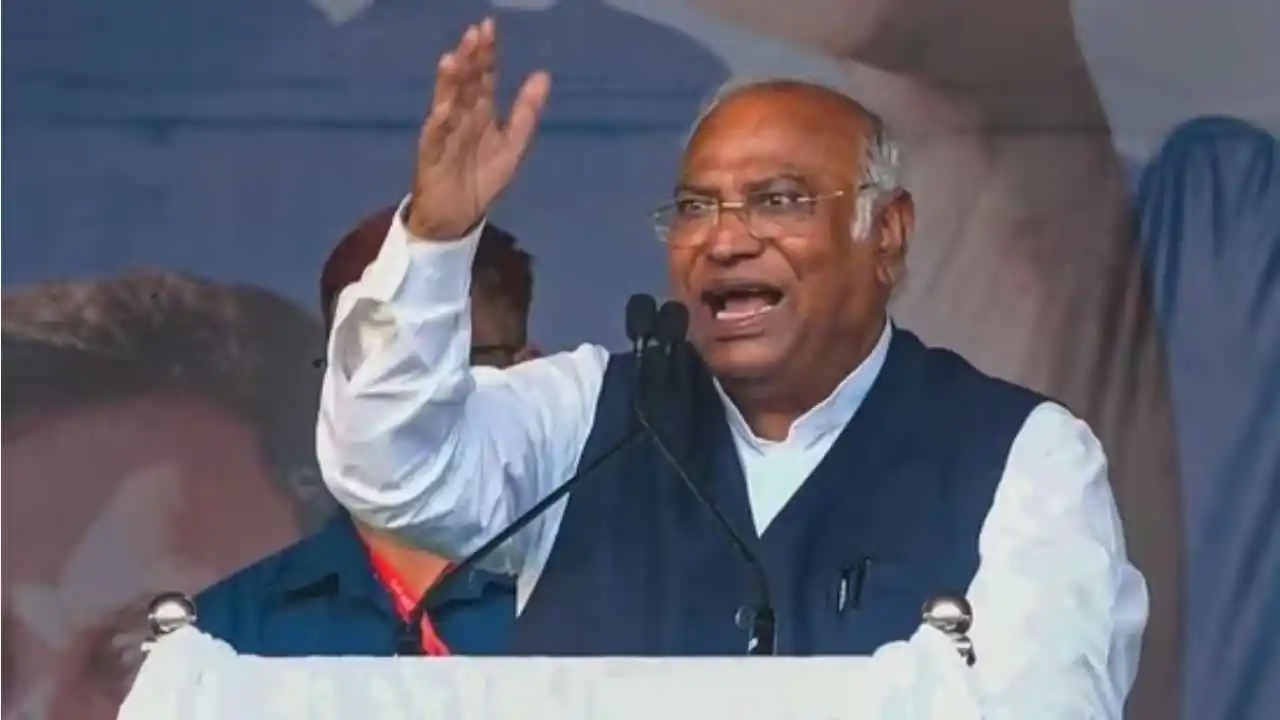
Mallikarjun Kharge seeks all-party meeting with PM Modi on delimitation
Congress president Mallikarjun Kharge has written to Prime Minister Narendra Modi for the fourth time, seeking an all-party meeting on delimitation. He also flagged the 64-day delay in proroguing Parliament’s Monsoon Session.
India News
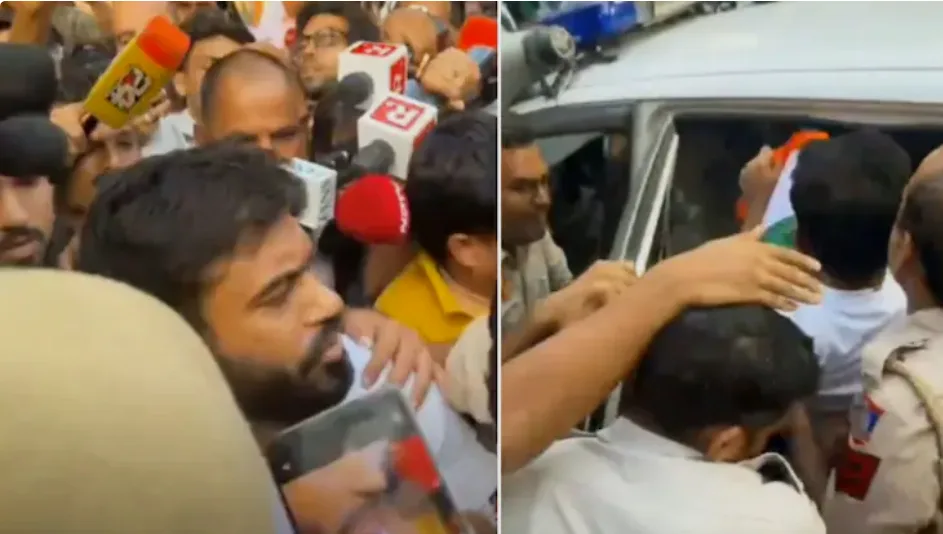
Abhijeet Dipke detained ahead of CJP’s national flag march in Delhi
Cockroach Janta Party founder Abhijeet Dipke was detained by Delhi Police on October 16, 2026, shortly before a planned national flag march. The proposed rally followed the judicial custody of two CJP members who had waved the Tricolour at Jantar Mantar.

Mallikarjun Kharge’s ‘Your Friends’ jab at Rahul Gandhi over congress exits

Magnitude 7 earthquake strikes Russia’s Kamchatka Peninsula

Delhi deploys 25,000 personnel, installs CCTV cameras ahead of CJP march

Abhijeet Dipke detained ahead of CJP’s national flag march in Delhi

Mallikarjun Kharge seeks all-party meeting with PM Modi on delimitation

Centre sends 3 letters to Punjab government after anti-drug activist’s killing
Mallikarjun Kharge seeks all-party meeting with PM Modi on delimitation
Abhijeet Dipke detained ahead of CJP’s national flag march in Delhi
Magnitude 7 earthquake strikes Russia’s Kamchatka Peninsula
Delhi deploys 25,000 personnel, installs CCTV cameras ahead of CJP march

Afghan Men Try To Hang With The Jet Engine Of The Aircraft in Kabul- Afghanistan News – Kabul News
Trending Top 10 News: 10000 Crore Fine on Flipkart, Apple to Launch Unique Feature, Hdfc Bank Job Ad

Trending Top 10 News: Nokia 6310, Apple sales, Bachpan ka Pyar Video Kid, Dainik Bhaskar IT Raid

Trending Top 10 News: Canada bans Indian flights, Rain in Delhi NCR, AIMIM Twitter hacked, Raj Kundra case

Trending Top 10 News: Shein India, Apple New Service, Pocket Oxygen, Oppo Launched New Phone
-
 India News13 hours ago
Mallikarjun Kharge’s ‘Your Friends’ jab at Rahul Gandhi over congress exits
-
 Latest world news12 hours ago
Magnitude 7 earthquake strikes Russia’s Kamchatka Peninsula
-
 India News12 hours ago
Delhi deploys 25,000 personnel, installs CCTV cameras ahead of CJP march
-
 India News3 hours ago
Abhijeet Dipke detained ahead of CJP’s national flag march in Delhi
-
 India News2 hours ago
Mallikarjun Kharge seeks all-party meeting with PM Modi on delimitation
-
 India News1 hour ago
Centre sends 3 letters to Punjab government after anti-drug activist’s killing
