
Latest world news
Gambia returns to democracy after 22 years

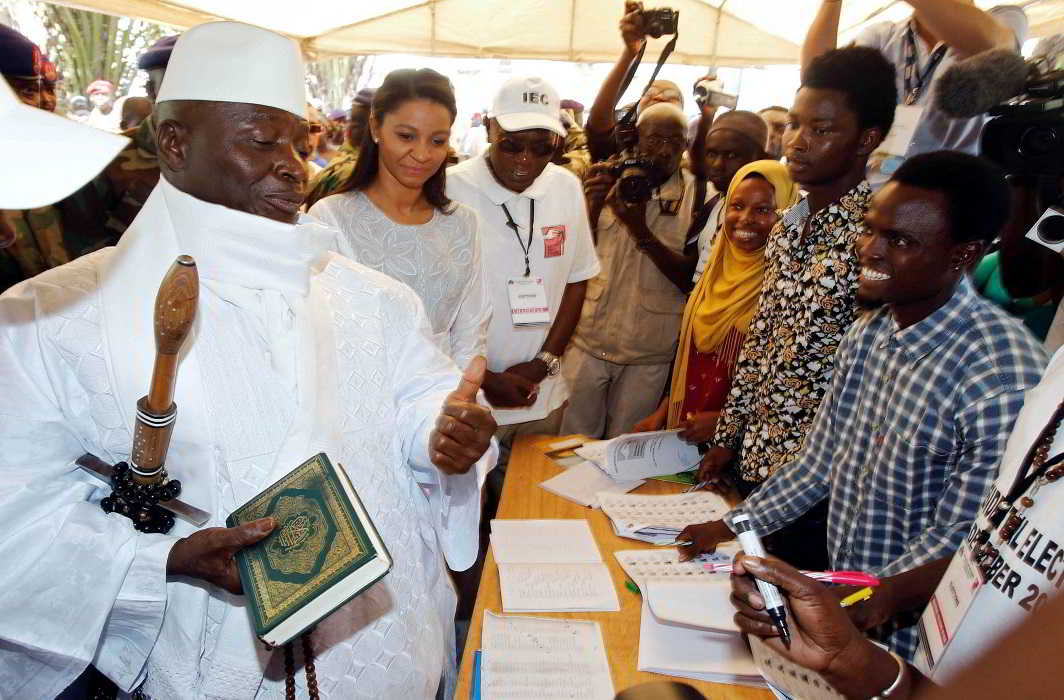
[vc_row][vc_column][vc_column_text]Dictator Jammeh ousted peacefully, exiled to Equatorial Guinea
By Abu Turab
Around the time of Donald Trump’s inauguration as the new US president, another elected president, some 6,500 km away in Gambia, West Africa, was struggling to come to power despite his legitimate election. Newly-elected president Adama Barrow was forced to take the oath of office in neighbouring Senegal on January 19 while the outgoing president, Yahya Jammeh, was being persuaded by regional leaders to leave the country to avert military intervention.
Ultimately, after weeks of pressure from regional players and the threat of arrest by West African troops, Jammeh and his wife left Banjul, the Gambian capital, late on January 21, for Equatorial Guinea, ending his 22-year rule. He was accompanied by Guinea’s President Alpha Conde, who played an important mediatory role.
President Barrow returned to Gambia on January 27 and chose to stay at his own home until the security clearance of State House, the official residence of the president. Later, there were reports of recovery of a huge quantity of arms from State House.
During his inaugural speech, Barrow called upon the Economic Council of West African States (ECOWAS), the African Union and the United Nations to “support the government and people of Gambia in enforcing their will”.
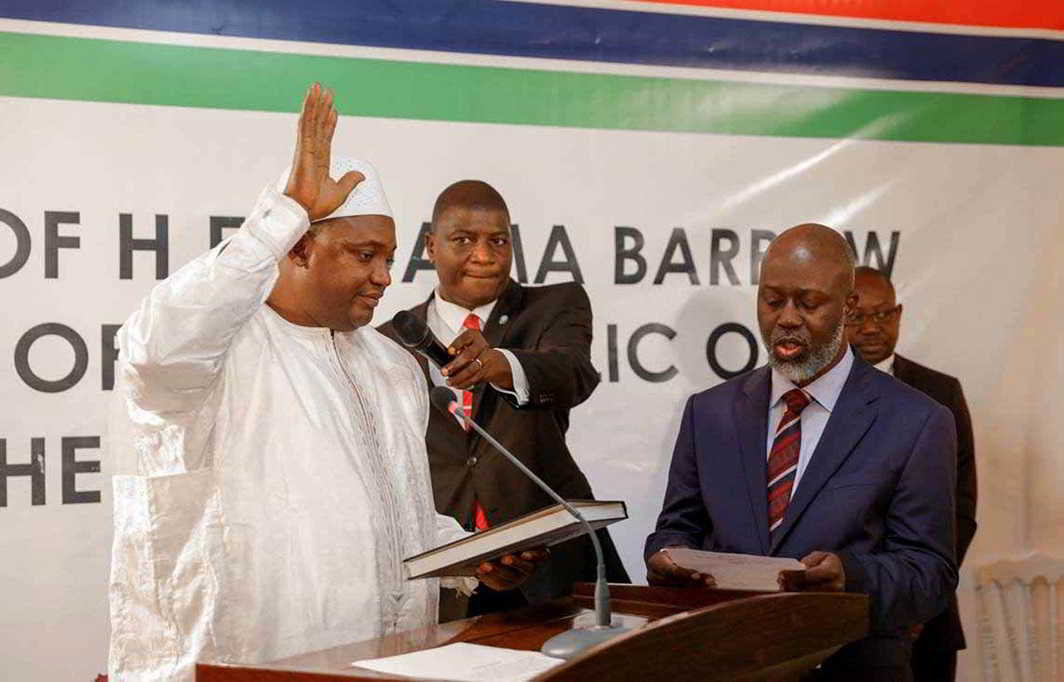
The swearing-in ceremony at the inauguration of Gambia President Adama Barrow at the Gambian embassy in Dakar, January 19, 2017, Reuters/UNI
The three agencies were closely working for smooth transfer of power in the country. ECOWAS took the lead both in setting the agenda and launching the diplomatic exercise involving five rounds of presidential missions to Banjul and incorporating six heads of state, including Noble Peace laureate Ellen Johnson Sirleaf, president of Liberia.
According to Al Jazeera, Barrow, while addressing his first press conference in Banjul, said Gambia was a republic and “not an Islamic Republic”. The country has an approximately 90 percent Muslim population. “Islamic” was added to the country’s name by Jammeh in 2015.
Barrow, while describing his proposed reforms, also vowed to reform the country’s notorious intelligence agency, the National Intelligence Agency (NIA), and promised to ensure media freedom.
ECOWAS, apart from its diplomatic efforts, also exerted pressure on Jammeh with a credible threat of military action. A December 17 summit of the regional leaders resolved to “undertake all necessary action” and mobilised their troops to enter Gambia on January 19, setting a deadline for Jammeh to relinquish power.
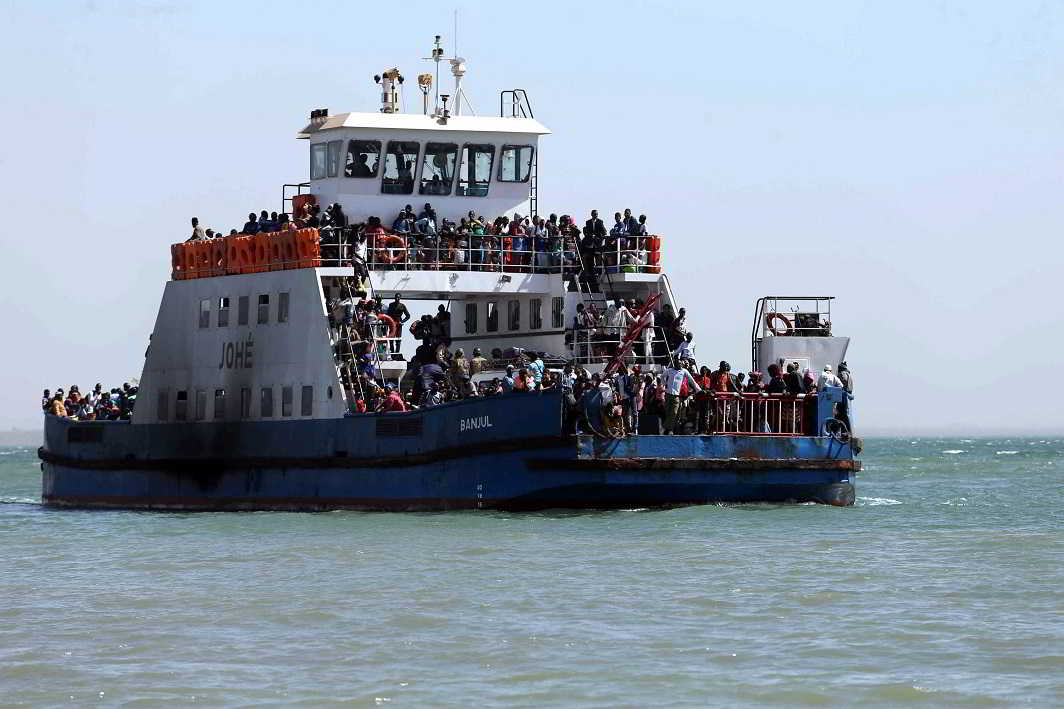
Returnees from Barra seen on arrival at Banjul Port a day after President Yahya Jammeh departed from Banjul, Gambia, for exile, January 22, Reuters/UNI
Equatorial Guinea, the exile destination of Jammeh, is not a signatory to the Rome statute enabling establishment of the International Criminal Court. This guaranteed that Jammeh would not be extradited if the new government decides to prosecute him.
Jammeh is the first president to peacefully hand over power in Gambia since its independence from British rulers in 1965.
After defeat in the December 1 election, Jammeh initially conceded defeat but later called the elections fake. But, as pressure mounted, Jammeh, who had once said he would rule Gambia for a billion years, said he would stand down and that it was “not necessary that a single drop of blood be shed.”
Africa is full of longtime dictators or undemocratic heads of state. Equatorial Guinea and Angola are under continuous rule for 37 years by Teodoro Obiang Nguema Mbasogo and Jose Eduardo dos Santos, respectively; Cameroon has been ruled by Paul Biya for 34 years, Uganda by Yoweri Museveni for 31 years, Zimbabwe by Robert Mugabe for 29 years, Sudan by Omar al-Bashir for 27 years, Chad by Idriss Deby for 26 years, Eritrea by Isaias Afwerki for 23 years and Gambia was under Jammeh for 22 years.
Before assuming power Barrow assured Jammeh of all rights legally ensured to a former president including immunity from prosecution. He also confirmed that Jammeh will be permitted to keep a fleet of luxury cars.
According to the BBC, luxury cars and other items were seen being loaded onto a Chadian cargo plane on the night Jammeh left the country.
The change of guard in Gambia was an exemplary exercise in many ways. It was a rare occasion in history when a dictator was forced to leave through successfuldiplomacy without a drop of blood being shed.
According to a December 2016 ministry of external affairs report, some 600 Indians are engaged in trade and private business in Gambia. India’s relations with the country are marked with cooperation in the Non-Aligned Movement (NAM) and the United Nations. Indian exports to Gambia include cotton yarn, fabrics, cosmetics, drugs, pharmaceuticals and semi-finished iron and steel products whereas Gambia exports cashew and cotton to India.
Union Minister Mukhtar Abbas Naqvi visited Gambia as a special envoy of Prime Minister Narendra Modi in September 2015. Gambian Vice-President Isatou Njie-Saidy participated in the India-Africa Forum Summit in New Delhi in October 2015.[/vc_column_text][/vc_column][/vc_row]



Latest world news
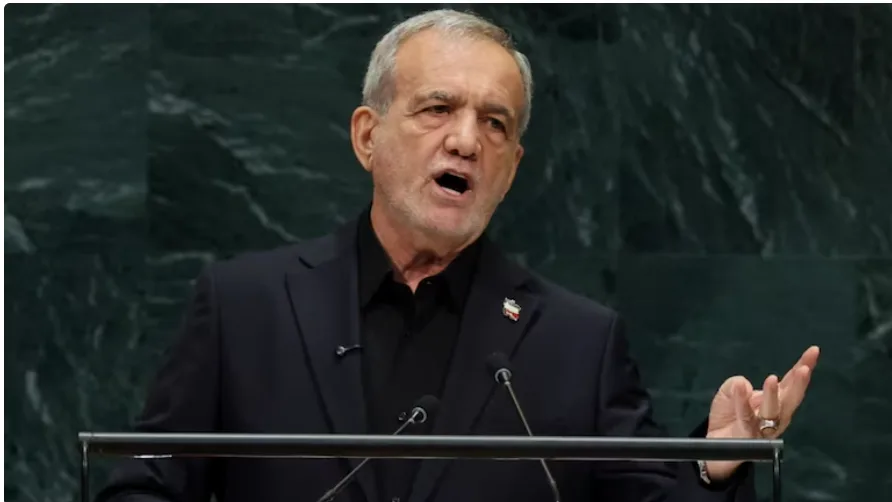
Iranian President Pezeshkian at UN says Iranians have been victims of US terrorism
Iranian President Masoud Pezeshkian said at the UN General Assembly that Iranians had been victims of US terrorism and insisted that Iran had acted in self-defence.

Latest world news
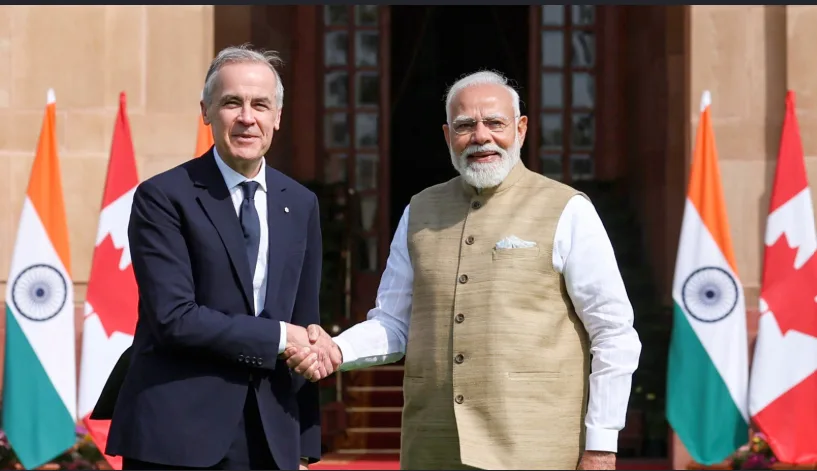
PM Modi’s Canada visit could help wrap trade talks, says Canada PM Mark Carney
Canadian PM Mark Carney said he is looking forward to hosting PM Narendra Modi, with both countries aiming to conclude their ongoing trade negotiations.
Latest world news
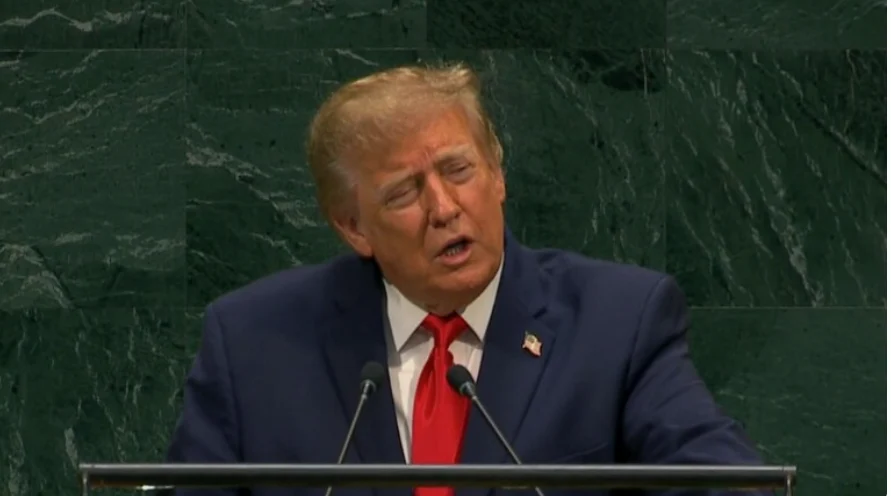
Trump issues fresh Iran warning at UN General Assembly, signals deal after midterms
US President Donald Trump issued a fresh warning to Iran during his UN General Assembly address, saying he faces a choice between a deal and further escalation.

PM Modi’s Canada visit could help wrap trade talks, says Canada PM Mark Carney

IIT Bombay Professor Suryanarayana Doolla sent on leave amid student suicide row

Iranian President Pezeshkian at UN says Iranians have been victims of US terrorism

BJP hits back at opposition over EC row, says disagreement is democracy

LPG Aadhaar authentication mandatory for subsidy from October 1
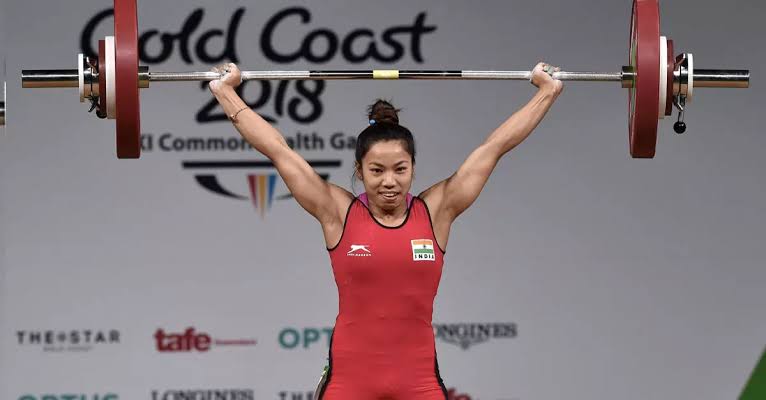
Asian Games 2026 Day 4: Mirabai Chanu silver leads India’s medal haul
LPG Aadhaar authentication mandatory for subsidy from October 1
Iranian President Pezeshkian at UN says Iranians have been victims of US terrorism
BJP hits back at opposition over EC row, says disagreement is democracy
PM Modi’s Canada visit could help wrap trade talks, says Canada PM Mark Carney

Afghan Men Try To Hang With The Jet Engine Of The Aircraft in Kabul- Afghanistan News – Kabul News
Trending Top 10 News: 10000 Crore Fine on Flipkart, Apple to Launch Unique Feature, Hdfc Bank Job Ad

Trending Top 10 News: Nokia 6310, Apple sales, Bachpan ka Pyar Video Kid, Dainik Bhaskar IT Raid

Trending Top 10 News: Canada bans Indian flights, Rain in Delhi NCR, AIMIM Twitter hacked, Raj Kundra case

Trending Top 10 News: Shein India, Apple New Service, Pocket Oxygen, Oppo Launched New Phone
-
 Latest world news19 hours ago
PM Modi’s Canada visit could help wrap trade talks, says Canada PM Mark Carney
-
 India News19 hours ago
IIT Bombay Professor Suryanarayana Doolla sent on leave amid student suicide row
-
 Latest world news9 hours ago
Iranian President Pezeshkian at UN says Iranians have been victims of US terrorism
-
 India News9 hours ago
BJP hits back at opposition over EC row, says disagreement is democracy
-
India News8 hours ago
LPG Aadhaar authentication mandatory for subsidy from October 1
-
LATEST SPORTS NEWS7 hours ago
Asian Games 2026 Day 4: Mirabai Chanu silver leads India’s medal haul
