
India News
1993 Mumbai blasts case: Tahir Merchant, Firoz Khan to hang; life sentence for Abu Salem

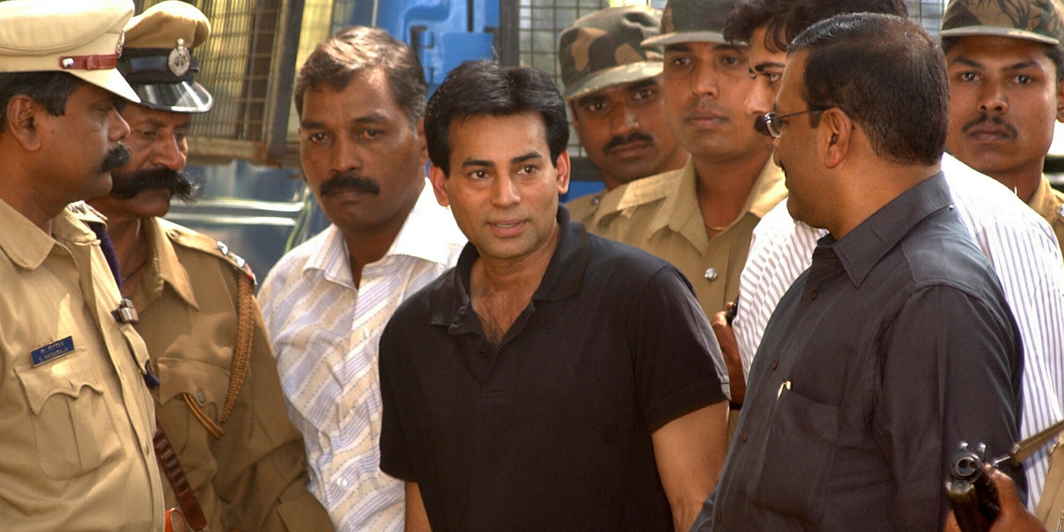
[vc_row][vc_column][vc_column_text]Extradition treaty signed between India and Portugal to bring Salem back to India to stand trial in the case prevented the CBI from seeking death sentence for him
A special Terrorist and Disruptive Activity (TADA) court in Mumbai, on Thursday (September 7), pronounced death sentences for 1993 Mumbai blast accused Tahir Merchant and Firoz Khan, while handing out life terms to Abu Salem and Karimullah Khan.
The court had pronounced them guilty of the blasts on June 16, but had postponed spelling out the quantum of punishment. The blasts had killed 257 people.
Salem (along with his girlfriend Monica Bedi, who received a small punishment for forged travel documents) was extradited from Portugal in 2005, while another convict, Mustafa Dossa, was extradited from the UAE. Dossa died days after his conviction.
Technically, even assuming Salem’s crime was suitable for capital punishment, the extradition treaty that India signed with Portugal – this was done directly in reference to this case – in January of 2007 did not allow capital punishment. Salem may have escaped the noose through that route.
The treaty was signed after the then Prime Minister Dr Manmohan Singh had detailed talks with visiting Portuguese President Anibal Cavaco Silva. In it India accepted two main conditions that the extradited person would not face either a death sentence or life imprisonment beyond 25 years.
Technically, Salem escaping a death sentence was thus pre-determined and even the CBI had sought life imprisonment for him.
With no extradition possible with Pakistan, the most wanted of all the criminals in the case, Dawood Ibrahim, remains on the loose.
The verdict drew the curtains on the second part of the probe into the serial blasts case. In the first part, completed in 2007, 100 persons – including actor Sanjay Dutt – were convicted of who 23 were later acquitted. When Yakub Memon’s last plea, to the President of India (Pranab Mukherjee) failed in 2015, he was hanged.
The case:
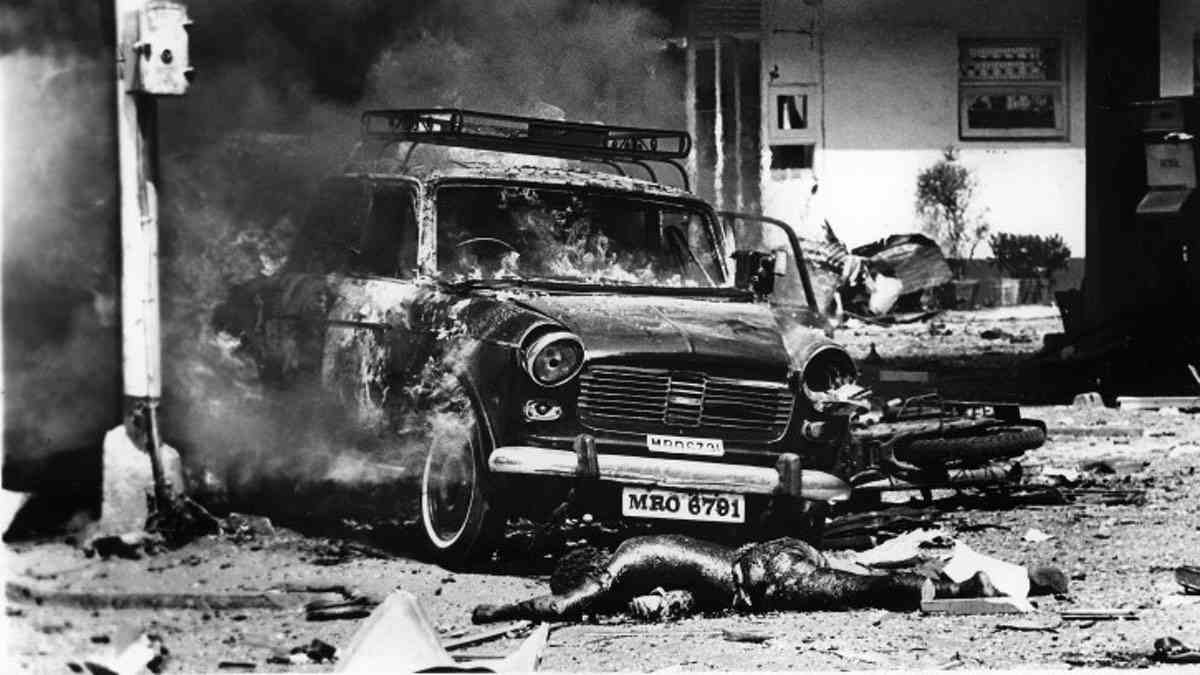
A series of 13 blasts shook Mumbai on March 12, 1993, claiming the lives of 257 people and injuring at least 700 more. India’s fugitive gang-lord Dawood Ibrahim, who also figures in Interpol’s ‘most-wanted’ list, was the alleged mastermind of the attack, while several other members of his extended family in Mumbai’s Mahim area played major roles in plotting the strikes. Through the course of the legal proceedings in the case, the special TADA court recorded statements of more than 750 prosecution witnesses and 50 other witnesses in connection with the serial blasts. However, the hearing got delayed till 2012 due to three pending petitions filed by Mustafa Dossa, Abu Salem and the CBI.[/vc_column_text][/vc_column][/vc_row]





India News
Delhi Police offers 11-person limit for CJP’s Connaught Place protest
Delhi Police has offered to facilitate a group of 11 people at Central Park in Connaught Place for the Cockroach Janata Party’s October 16 protest, while warning that violations of prohibitory orders could invite legal action.


India News
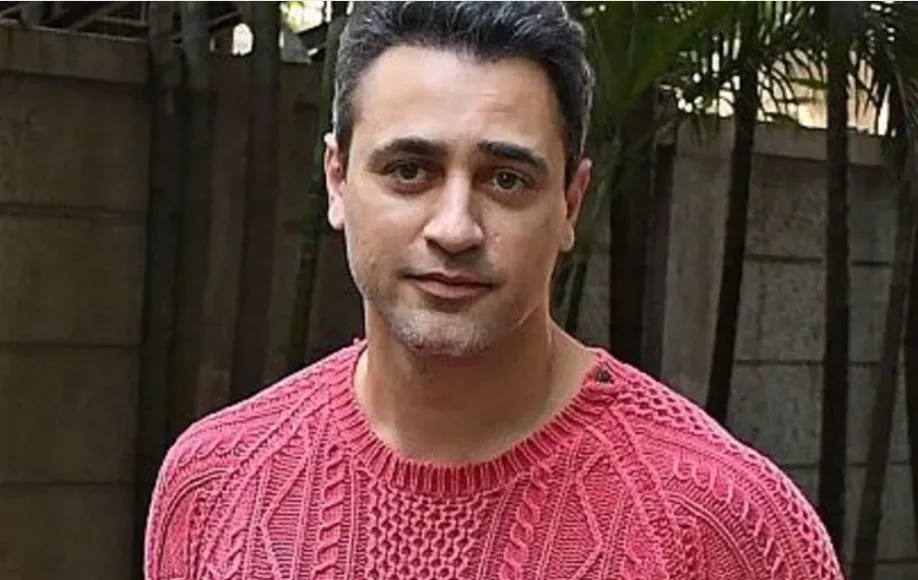
Actor Imran Khan asked to leave India after CJP protest
Actor Imran Khan has been asked to leave India by October 28, days after participating in a protest called by the Cockroach Janta Party (CJP) in Mumbai.
India News
Election Commission orders voter roll revision in 17 states, UTs
The Election Commission has ordered a Special Summary Revision of electoral rolls in 17 states and Union Territories. Draft rolls are scheduled for November 12, with final rolls due on January 4, 2027.

Dhruv Rathee gets fresh summons in 2018 BJP IT cell video case

Nobody can browbeat judiciary, Chief Justice warns over Rahul Gandhi’s march

India-US trade deal first phase finalised, drafting underway

Election Commission orders voter roll revision in 17 states, UTs

Actor Imran Khan asked to leave India after CJP protest

Delhi Police offers 11-person limit for CJP’s Connaught Place protest
Actor Imran Khan asked to leave India after CJP protest
Election Commission orders voter roll revision in 17 states, UTs
India-US trade deal first phase finalised, drafting underway
Nobody can browbeat judiciary, Chief Justice warns over Rahul Gandhi’s march

Afghan Men Try To Hang With The Jet Engine Of The Aircraft in Kabul- Afghanistan News – Kabul News
Trending Top 10 News: 10000 Crore Fine on Flipkart, Apple to Launch Unique Feature, Hdfc Bank Job Ad

Trending Top 10 News: Nokia 6310, Apple sales, Bachpan ka Pyar Video Kid, Dainik Bhaskar IT Raid

Trending Top 10 News: Canada bans Indian flights, Rain in Delhi NCR, AIMIM Twitter hacked, Raj Kundra case

Trending Top 10 News: Shein India, Apple New Service, Pocket Oxygen, Oppo Launched New Phone
-
 India News14 hours ago
Dhruv Rathee gets fresh summons in 2018 BJP IT cell video case
-
 India News11 hours ago
Nobody can browbeat judiciary, Chief Justice warns over Rahul Gandhi’s march
-
 India News6 hours ago
India-US trade deal first phase finalised, drafting underway
-
 India News4 hours ago
Election Commission orders voter roll revision in 17 states, UTs
-
 India News3 hours ago
Actor Imran Khan asked to leave India after CJP protest
-
 India News2 hours ago
Delhi Police offers 11-person limit for CJP’s Connaught Place protest
