India News
All you need to know about newly launched Honor 9X
Honor 9x which was released in China last year made its debut into the Indian market today (14th January).


India News
Rahul Gandhi hosts high tea for INDIA bloc after Gyanesh Kumar protests
Rahul Gandhi brought INDIA bloc leaders, opposition MPs and representatives of student organisations and civil society together for high tea amid protests over Chief Election Commissioner Gyanesh Kumar and the voter-roll revision process.

India News
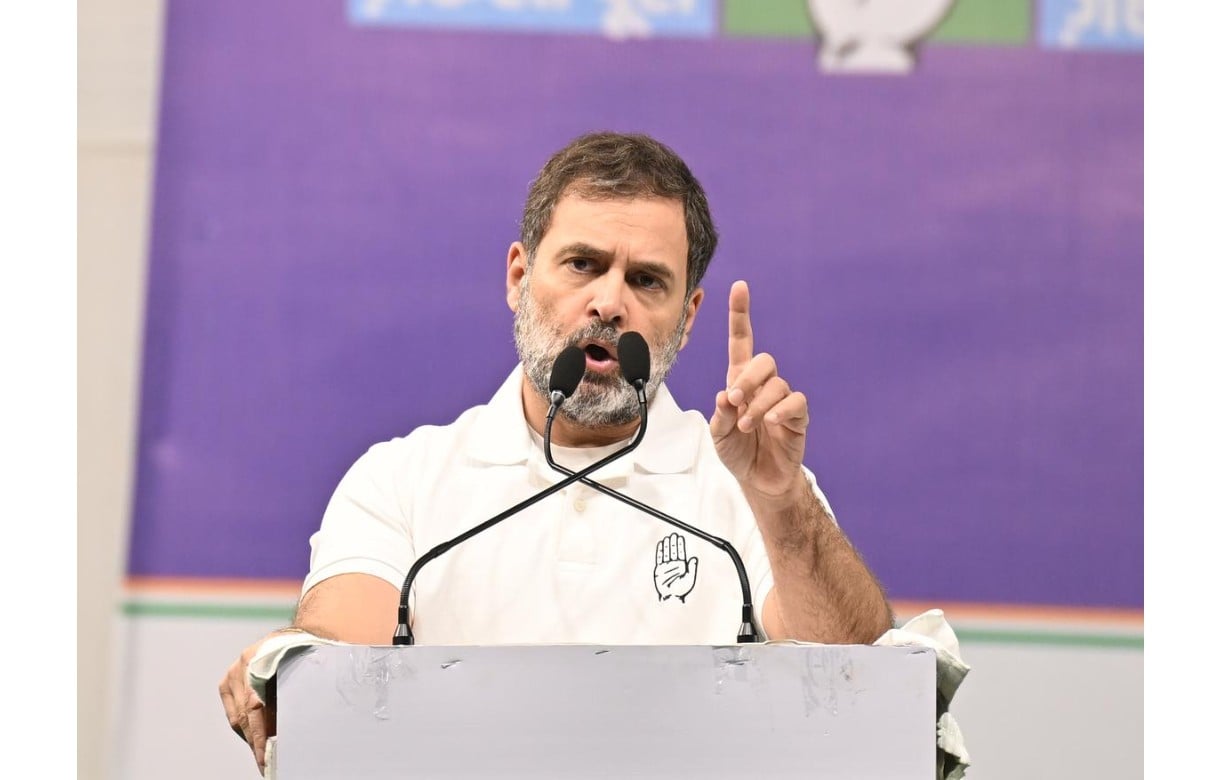
Supreme Court stays defamation case against Rahul Gandhi over PM Modi remarks
The Supreme Court has temporarily halted trial court proceedings in the criminal defamation case against Rahul Gandhi over his alleged remarks concerning Prime Minister Narendra Modi. The court has issued notices seeking responses within four weeks.
India News
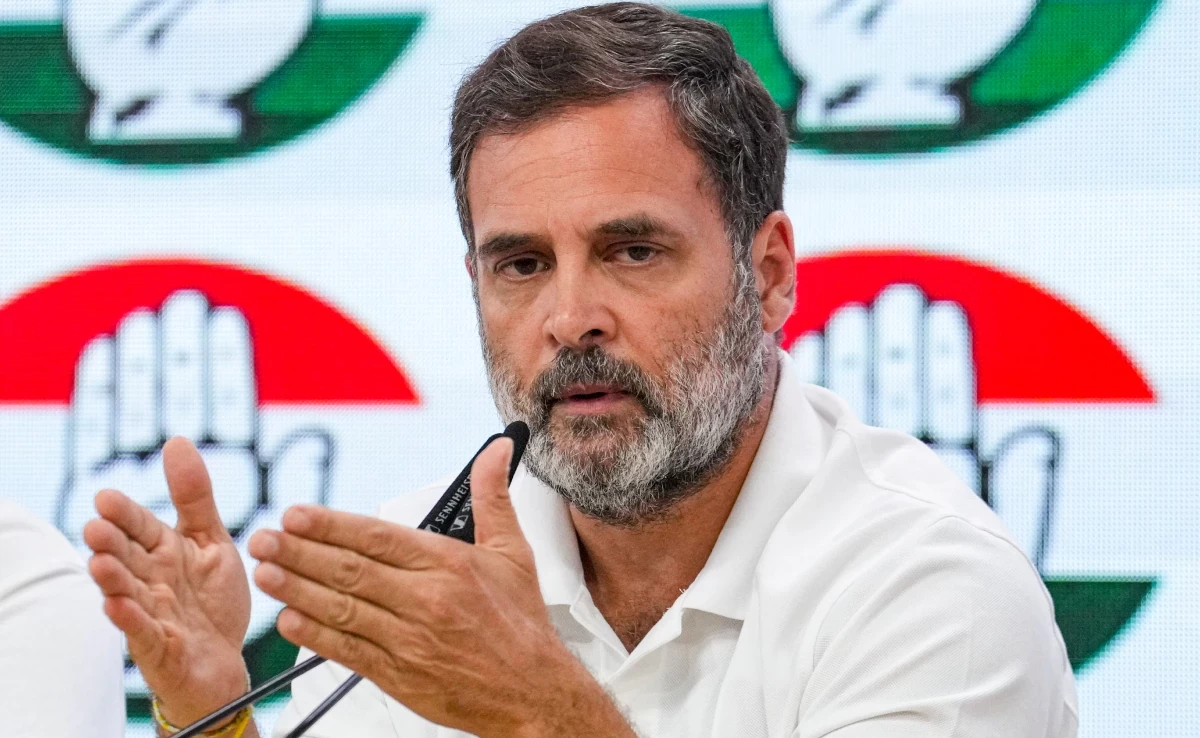
CJP claims Saurav Das, Ashutosh Ranka detained at Jantar Mantar
The Cockroach Janta Party (CJP) claimed that leaders Saurav Das and Ashutosh Ranka were detained by Delhi Police during a protest at Jantar Mantar against Chief Election Commissioner Gyanesh Kumar.
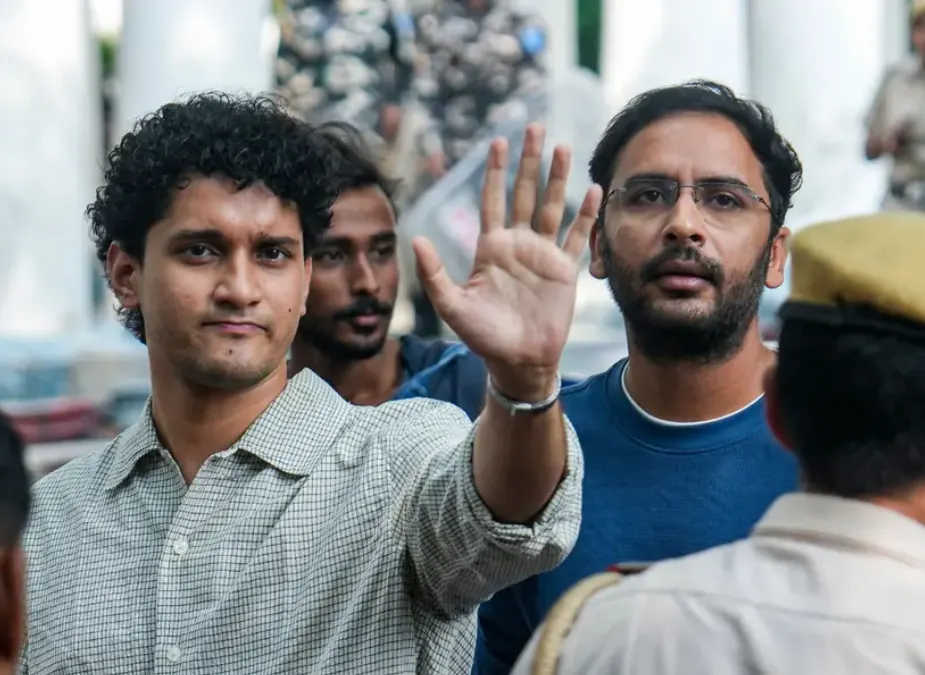

CJP claims Saurav Das, Ashutosh Ranka detained at Jantar Mantar

Supreme Court stays defamation case against Rahul Gandhi over PM Modi remarks

Rahul Gandhi hosts high tea for INDIA bloc after Gyanesh Kumar protests
Supreme Court stays defamation case against Rahul Gandhi over PM Modi remarks
CJP claims Saurav Das, Ashutosh Ranka detained at Jantar Mantar

Rahul Gandhi leads INDIA bloc march to Supreme Court over voter list row

Rahul Gandhi calls protest against Gyanesh Kumar ‘Tandava’, says no plan needed

Afghan Men Try To Hang With The Jet Engine Of The Aircraft in Kabul- Afghanistan News – Kabul News
Trending Top 10 News: 10000 Crore Fine on Flipkart, Apple to Launch Unique Feature, Hdfc Bank Job Ad

Trending Top 10 News: Nokia 6310, Apple sales, Bachpan ka Pyar Video Kid, Dainik Bhaskar IT Raid

Trending Top 10 News: Canada bans Indian flights, Rain in Delhi NCR, AIMIM Twitter hacked, Raj Kundra case