English हिन्दी
Connect with us

India News

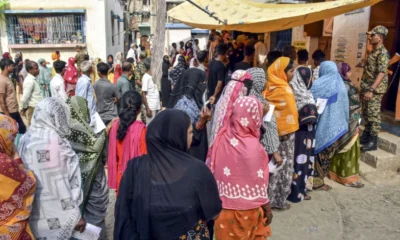
Turnout crosses 80% in Bengal and Tamil Nadu till 5 PM in key elections

Bengal phase 1 and Tamil Nadu elections witness strong voter turnout, crossing 80% with largely peaceful polling.

Published

on

Voter Turnout

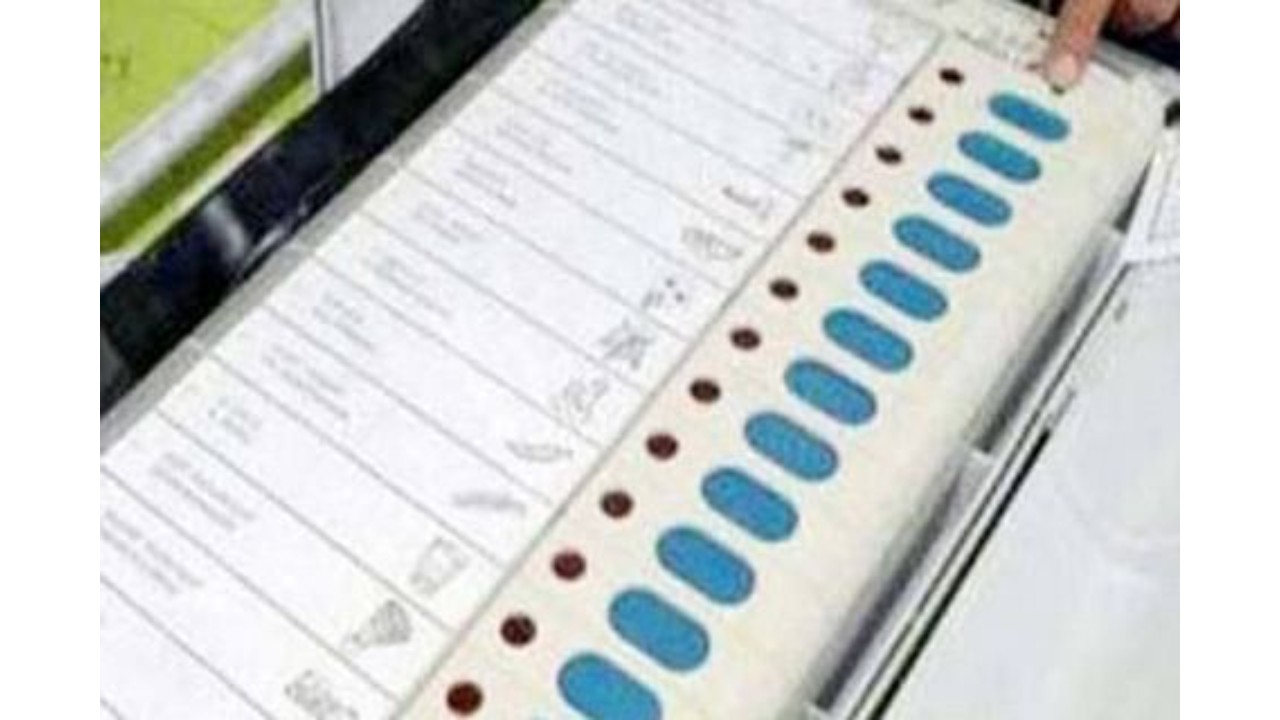
Polling for the 2026 Assembly elections is underway in West Bengal and Tamil Nadu, with voters turning out in large numbers across key constituencies.

In West Bengal, voting is being held across 152 constituencies, with around 3.6 crore voters expected to participate in this phase. Security arrangements were tightened, and long queues of voters were seen at polling stations from early morning.

Turnout rises steadily through the day

Voter participation increased consistently as polling progressed. By afternoon, turnout had crossed the halfway mark in both states, indicating steady engagement.

As per latest updates till 5 PM, West Bengal recorded 89.92% turnout, while Tamil Nadu reported 82.24% voter participation.

Large electorate participates in phase 1

In West Bengal, nearly 3.6 crore eligible voters took part in the first phase across several districts, including Darjeeling and Jalpaiguri.

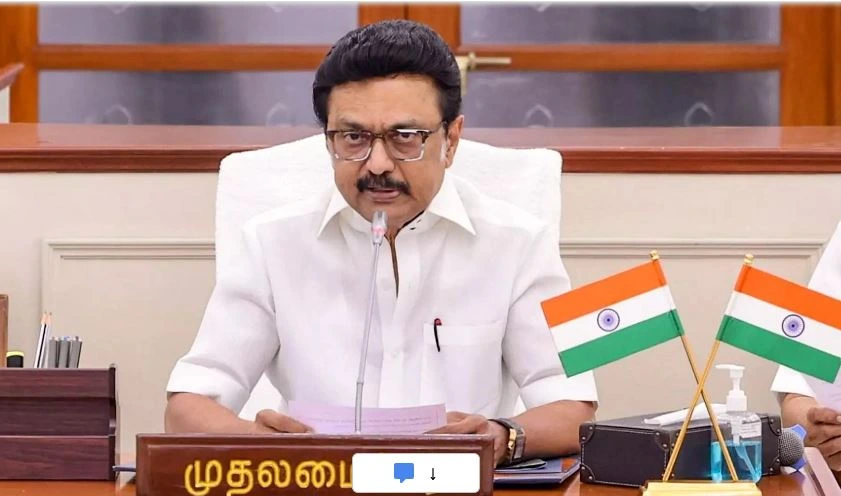
Tamil Nadu is witnessing a three-way contest between the DMK-led alliance, the AIADMK-BJP alliance, and actor Vijay’s entry into the political space.

Sporadic incidents reported

Polling has been largely peaceful, though isolated incidents were reported, including an attack on BJP MLA Agnimitra Paul’s car and a boycott reported in parts of Tamil Nadu.

Despite these disruptions, voting continued without major interruptions, and authorities maintained overall control.

High-stakes political contest

The elections are being closely watched as major political parties compete for power. West Bengal is witnessing a closely fought contest, while in Tamil Nadu, key regional rivals are battling for control of the state Assembly.

The outcome is expected to play an important role in shaping the political landscape of both states.

India News

Annamalai resigns from BJP, signals launch of new political party in Tamil Nadu

Former Tamil Nadu BJP president K Annamalai has submitted his resignation to the party leadership in Delhi, with reports indicating that he is preparing to launch a new political outfit.

Published

on

K Annamalai

Former Tamil Nadu BJP president K. Annamalai has resigned from the Bharatiya Janata Party after meeting senior party leaders in New Delhi, marking a significant political development in the state. Reports indicate that he is now preparing to launch a new political party.

According to reports, Annamalai met BJP national president Nitin Nabin and the party’s national general secretary (organisation), B. L. Santhosh, in Delhi and formally submitted his resignation.

The move comes after months of speculation regarding his future within the BJP. Annamalai, a former IPS officer who joined the party in 2020, had emerged as one of the BJP’s most prominent faces in Tamil Nadu and played a key role in expanding the party’s visibility in the state.

Reports suggest that differences over the BJP’s alliance strategy in Tamil Nadu, particularly its association with the AIADMK, were among the factors behind his decision. Sources also indicated that Annamalai had concerns regarding the party’s electoral approach and his future role within the organisation.

Despite his resignation, BJP leaders reportedly attempted to persuade him to reconsider his decision. Discussions were held with the former state chief as the party leadership sought to address his concerns.

Reports further indicate that Annamalai is considering the launch of a new political party focused on Tamil Nadu politics. While details about the proposed outfit are yet to be officially announced, his next move is expected to attract considerable attention in the state’s political landscape.

The development comes at a time when Tamil Nadu politics is witnessing significant shifts, and Annamalai’s decision could have implications for future political alignments in the state.

Continue Reading

India News

G Parameshwara likely to be deputy CM in DK Shivakumar-led Karnataka government

G Parameshwara is expected to be appointed Deputy Chief Minister as the Congress finalizes the cabinet for the incoming DK Shivakumar-led Karnataka government.

Published

on

Senior Congress leader and Karnataka Home Minister G Parameshwara is likely to be appointed Deputy Chief Minister in the new government led by DK Shivakumar, according to sources familiar with the ongoing discussions within the party. The move is seen as part of the Congress leadership’s efforts to ensure social and regional representation in the state’s new political setup.

The development comes as DK Shivakumar prepares to take oath as Karnataka’s Chief Minister following his election as the leader of the Congress Legislature Party after Siddaramaiah’s exit from the top post. The swearing-in ceremony is scheduled to take place in Bengaluru on June 3.

Parameshwara is one of the most prominent Dalit faces in Karnataka Congress and has held several important positions in the party and government over the years. Party leaders have reportedly been engaged in consultations over the composition of the new cabinet and the distribution of key positions ahead of the swearing-in ceremony.

The Congress leadership has been working to finalize ministerial appointments and balance representation among various communities and regions. Reports have also suggested that multiple deputy chief minister positions were under consideration as part of the broader cabinet formation exercise.

High-level meetings involving DK Shivakumar, Siddaramaiah and senior Congress leaders have taken place in New Delhi in recent days to finalize the structure of the new government. The discussions have focused on cabinet composition and organizational appointments ahead of the transition.

Continue Reading

India News

CBSE chairman and secretary transferred as Centre orders probe into OSM irregularities

The government has transferred CBSE’s top two officials and ordered an investigation into alleged irregularities in the procurement and implementation of the On-Screen Marking system.

Published

on

The Central Government has transferred the chairman and secretary of the Central Board of Secondary Education (CBSE) and constituted a committee to investigate alleged irregularities linked to the board’s On-Screen Marking (OSM) system.

The move comes amid growing concerns over the digital evaluation process used for Class 12 board examinations this year. Several students who sought access to scanned copies of their answer sheets reportedly claimed that the documents uploaded on the verification portal did not match their actual answer books. CBSE officials have acknowledged that around 20 cases involving answer-sheet mismatches were identified during the evaluation process.

Concerns over evaluation system prompt government action

The OSM system was introduced for the evaluation of Class 12 board examinations, replacing the traditional physical checking process with assessment of digitally scanned answer sheets. While the board had defended the technology-driven system as a step towards modernising evaluations, complaints emerged after the declaration of results.

Students and cybersecurity experts also raised concerns regarding technical issues on the portal. Complaints included answer-sheet mismatches, blurred scans, missing pages and payment-related failures during the verification process.

In response to the controversy, the Centre has ordered a probe into the procurement of OSM-related services. Reports indicate that the inquiry will examine whether there were any procedural lapses or irregularities in the procurement process associated with the digital evaluation system.

OSM system faces wider scrutiny

The issue has attracted attention beyond administrative circles. A parliamentary panel has reviewed concerns related to the OSM system, while legal challenges have also been filed seeking examination of the evaluation process.

Earlier, Union Education Minister Dharmendra Pradhan had acknowledged discrepancies in the system and assured students that corrective measures would be taken. He stated that concerns raised regarding the evaluation process would be addressed and action would follow if any wrongdoing was found.

Despite the controversy, the government has maintained that digital evaluation remains an important part of the future of assessment and that the overall framework of the OSM system is likely to continue, subject to reviews and improvements.

Continue Reading

Trending

© Copyright 2022 APNLIVE.com