
India News
Bharat Bachao rally: “PM Modi, his assistant Shah should apologise, not me,” says Rahul Gandhi
Bharat Bachao rally: Priyanka Gandhi Vadra, her brother Rahul Gandhi and other Congress leaders tore into the BJP-led government today over a host of issues, including the newly amended Citizenship Act that has triggered violent protests across the country with the Northeast being the worst affected.


Bharat Bachao rally: Priyanka Gandhi Vadra, Rahul Gandhi and other Congress leaders tore into the BJP-led government today over a host of issues, including the newly amended Citizenship Act that triggered violent protests across the country with the Northeast being the worst affected.
At the Bharat Bachao rally in Delhi called by the Congress, she scoffed at the BJP’s “Modi hai toh mumkin hai” slogan, and said, “We see ‘Modi hai to mumkin hai‘ everywhere. But the truth is that BJP hai toh onion price Rs 100 a kilo mumkin hai. BJP hai to 45 saal mein sabse zyada berozgari mumkin hai, BJP hai to 4 crore naukriyan nasht hona mumkin hai.”

Priyanka Gandhi Vadra at Delhi’s Ramlila Maidan.
Gandhi, who is also the general secretary of the All India Congress Committee in charge of Eastern Uttar Pradesh, urged the citizens of the country to raise their voices saying “one who doesn’t fight against injustice in country will be judged as a coward”.
“I urge you all to stand united against this government and raise your voice. You love this country, become its voice. If we don’t raise your voice, fear them and stay quiet then our Constitution will be destroyed,” she told the crowd at Delhi’s Ramlila Maidan, the epicenter of the party’s Bharat Bachao (Save India) campaign.

Thousands turned up for the Congress’ Bharat Bachao rally today.
The mega rally has been organised to raise concerns regarding the economic slowdown, farmers’ distress, loss of jobs and the Citizenship Act. Former party chief Rahul Gandhi said the party would protest against what he termed as “the dictatorship of the BJP government” and the economy “that has been sent to the ICU”.
“I was told in the Parliament by the BJP yesterday to apologise for my speech. I was told to apologise for something which is right. My name is not Rahul Savarkar. My name is Rahul Gandhi. I will never apologise for truth,” said Rahul Gandhi, who was censured by the BJP, led by Union minister Smriti Irani over his “Rape in India” remark.
He reiterated that no one from Congress will apologise and emphasised that “it is Narendra Modi and his assistant Amit Shah who should apologise to the nation for destroying India’s economy”.
“Today, the GDP (Gross Domestic Product) growth is at 4%, that too even after they (BJP) changed the way to measure GDP. If GDP is measured following the previous method, it will be just 2.5%. It is Prime Minister Modi himself and not India’s enemies who has destroyed our economy, and he still calls himself a patriot,” the Wayanad MP said.
Alleging that the government is emptying people’s pockets to spend on PM Modi’s image building, Gandhi said, “It costs lakhs to air a 30-second advertisement, but Narendra Modi can be seen throughout the day on TV. Who pays for that? People are paying for that.”
Rahul Gandhi also accused the Centre of wedging a divide between religions by passing a Bill that many opposition parties termed as “discriminatory and anti-Muslim”. “Go to Jammu and Kashmir, Assam, Mizoram, Manipur, Nagaland, Arunachal Pradesh and see what Narendra Modi has done. He has set ablaze those regions,” Gandhi said.
LIVE: Citizens unite against BJP’s governance at #BharatBachaoRally in Ramlila Maidan, Delhi https://t.co/lZ4FLdkdy4
— Congress (@INCIndia) December 14, 2019
Top Congress leaders, including Sonia Gandhi, Manmohan Singh and P Chidambaram also spoke at the rally.
“In the six months of the Modi government, they have wrecked India’s economy. Yet ministers are completely clueless. Yesterday the Finance Minister said everything’s alright, we’re on top of the world. The only thing she didn’t say was ‘achhe din aane wale hain’, said Chidambaram.
India News
Delhi Police offers 11-person limit for CJP’s Connaught Place protest
Delhi Police has offered to facilitate a group of 11 people at Central Park in Connaught Place for the Cockroach Janata Party’s October 16 protest, while warning that violations of prohibitory orders could invite legal action.


India News
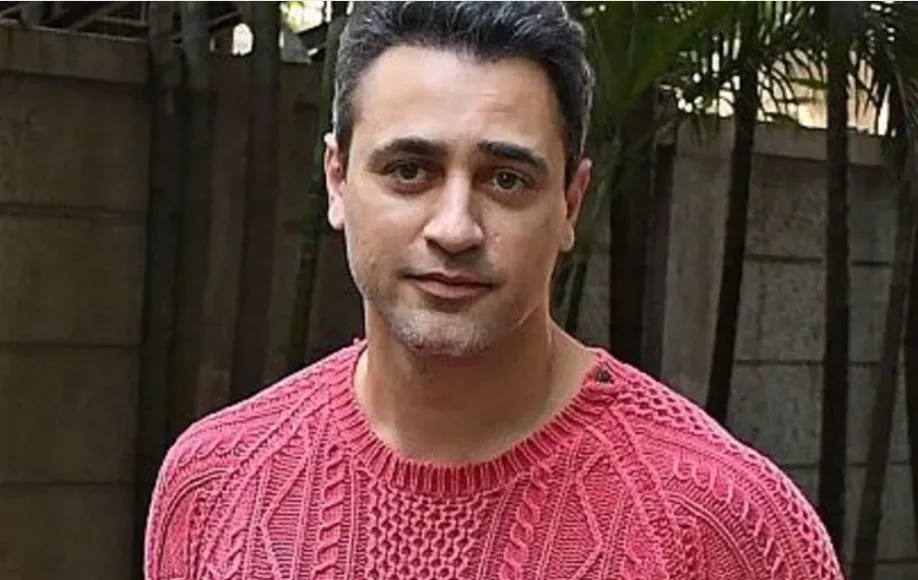
Actor Imran Khan asked to leave India after CJP protest
Actor Imran Khan has been asked to leave India by October 28, days after participating in a protest called by the Cockroach Janta Party (CJP) in Mumbai.
India News
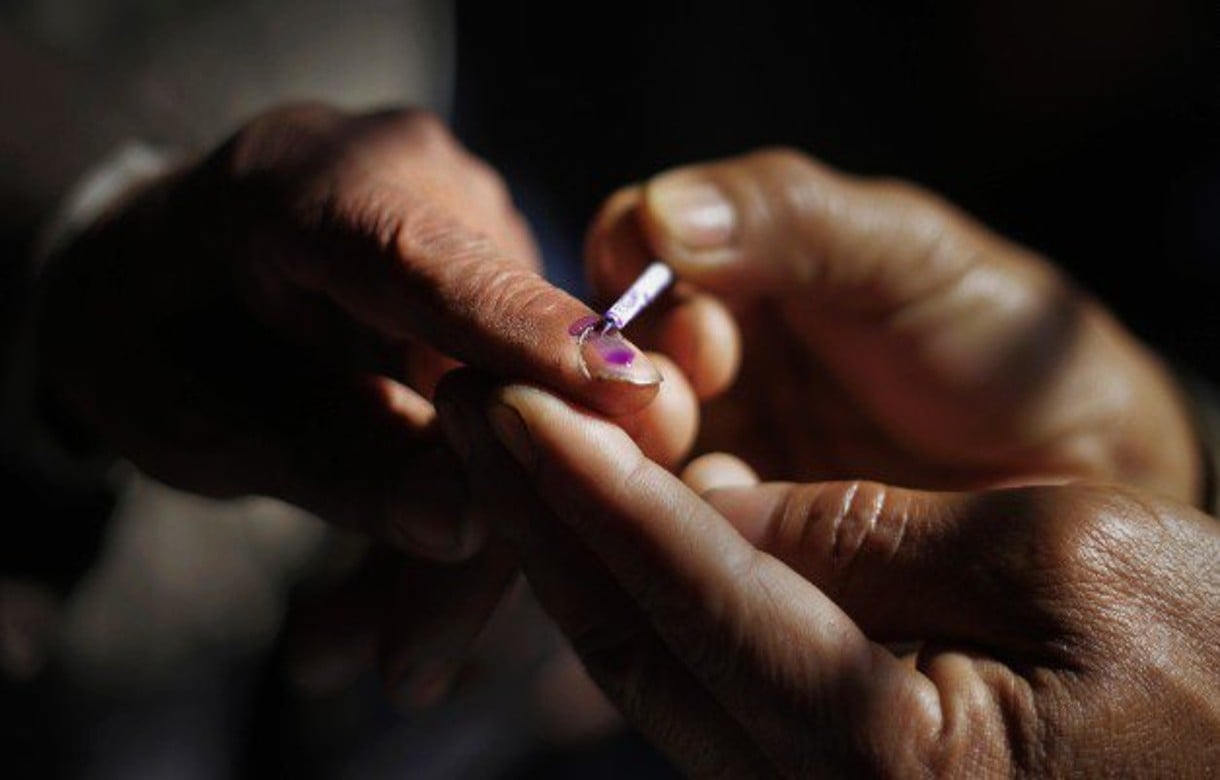
Election Commission orders voter roll revision in 17 states, UTs
The Election Commission has ordered a Special Summary Revision of electoral rolls in 17 states and Union Territories. Draft rolls are scheduled for November 12, with final rolls due on January 4, 2027.

Dhruv Rathee gets fresh summons in 2018 BJP IT cell video case

Nobody can browbeat judiciary, Chief Justice warns over Rahul Gandhi’s march

India-US trade deal first phase finalised, drafting underway

Election Commission orders voter roll revision in 17 states, UTs

Actor Imran Khan asked to leave India after CJP protest

Delhi Police offers 11-person limit for CJP’s Connaught Place protest
Actor Imran Khan asked to leave India after CJP protest
Election Commission orders voter roll revision in 17 states, UTs
India-US trade deal first phase finalised, drafting underway
Nobody can browbeat judiciary, Chief Justice warns over Rahul Gandhi’s march

Afghan Men Try To Hang With The Jet Engine Of The Aircraft in Kabul- Afghanistan News – Kabul News
Trending Top 10 News: 10000 Crore Fine on Flipkart, Apple to Launch Unique Feature, Hdfc Bank Job Ad

Trending Top 10 News: Nokia 6310, Apple sales, Bachpan ka Pyar Video Kid, Dainik Bhaskar IT Raid

Trending Top 10 News: Canada bans Indian flights, Rain in Delhi NCR, AIMIM Twitter hacked, Raj Kundra case

Trending Top 10 News: Shein India, Apple New Service, Pocket Oxygen, Oppo Launched New Phone
-
 India News12 hours ago
Dhruv Rathee gets fresh summons in 2018 BJP IT cell video case
-
 India News8 hours ago
Nobody can browbeat judiciary, Chief Justice warns over Rahul Gandhi’s march
-
 India News4 hours ago
India-US trade deal first phase finalised, drafting underway
-
 India News2 hours ago
Election Commission orders voter roll revision in 17 states, UTs
-
 India News1 hour ago
Actor Imran Khan asked to leave India after CJP protest
-
 India News10 mins ago
Delhi Police offers 11-person limit for CJP’s Connaught Place protest
