English हिन्दी
Connect with us

India News

BJP government in Delhi likely to be sworn in by Feb 20

“There is no race for the post of Delhi Chief Minister. In our party, the CM or the leader of the legislature party is elected in a meeting of the MLAs,” said Abhay Verma, second-time MLA from Laxmi Nagar and a Purvanchali leader, who is also seen as a potential candidate for the top post.

Published

on

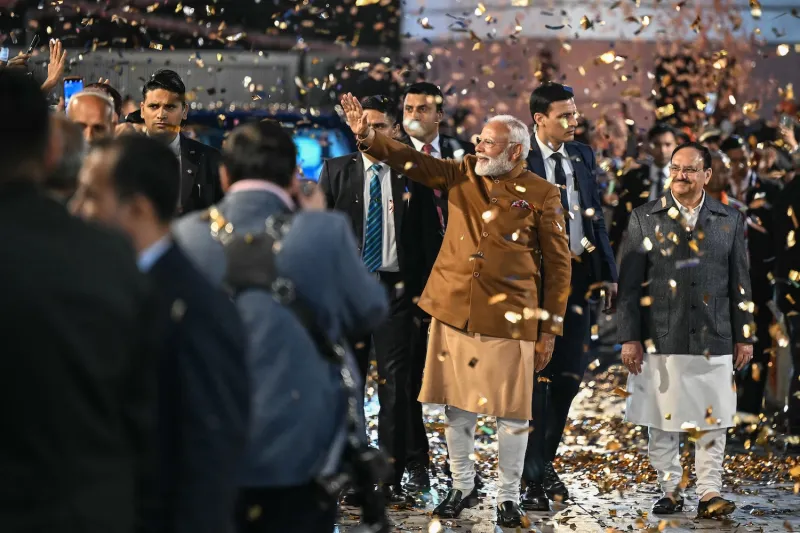
The swearing-in ceremony of the BJP government in Delhi is likely to take place on February 19 or 20, with the new administration prioritising clean drinking water, improved civic infrastructure, and pollution control, according to party leaders.

Prime Minister Narendra Modi, who is currently on a foreign visit, is expected to return soon, after which observers for the BJP Legislature Party meeting will be appointed. Manjinder Singh Sirsa, newly-elected BJP MLA and national secretary, told PTI that the new government will begin functioning around February 19-20.

“The new government will start working around February 19-20,” said Sirsa, the Rajouri Garden MLA, who is considered a contender for the Chief Minister’s post or a ministerial position. He added that the BJP legislature party meeting is likely to be held around February 18-19, followed by the swearing-in ceremony by February 20.

The newly elected BJP MLAs dismissed speculation about a race for the Chief Minister’s post, emphasizing that the party follows a democratic process to elect its leader. “There is no race for the post of Delhi Chief Minister. In our party, the CM or the leader of the legislature party is elected in a meeting of the MLAs,” said Abhay Verma, second-time MLA from Laxmi Nagar and a Purvanchali leader, who is also seen as a potential candidate for the top post.
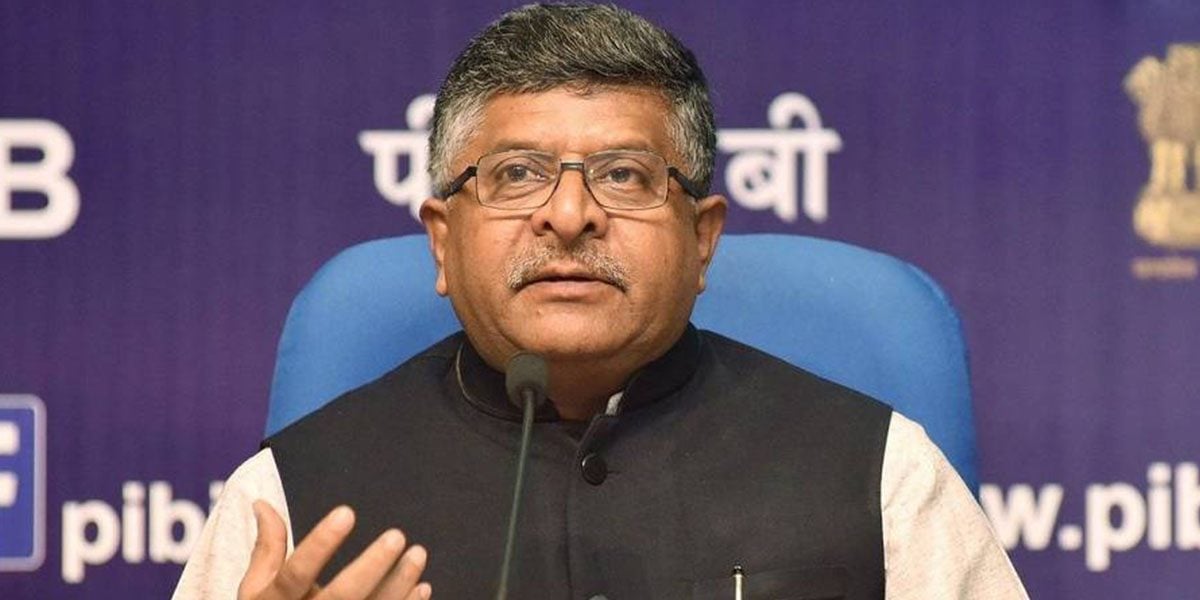
Verma highlighted the government’s focus on addressing key issues such as development, clean water supply, air quality, and Yamuna pollution. “We have come to serve the people and are now thinking about addressing issues like development, clean water supply, and clean air for the people, as well as how to free the Yamuna from pollution,” he said.

The BJP MLAs also reiterated their commitment to implementing the Ayushman Bharat health scheme, which was previously obstructed by the Aam Aadmi Party (AAP) government. Prime Minister Modi has already announced that the health insurance scheme will be rolled out in Delhi through the first meeting of the new Cabinet.

Sirsa outlined the new government’s priorities for its first 100 days, including providing clean drinking water, ensuring sanitation, and tackling air and Yamuna pollution. “Providing clean drinking water, ensuring sanitation in the city, and starting work to deal with air and Yamuna pollution will be priorities of the new government within 100 days in power,” he said.

Mohan Singh Bisht, a sixth-time MLA from Mustafabad, emphasized that the new Chief Minister will be elected from among the 48 BJP legislators. Bisht also reiterated his proposal to rename the minority-dominated constituency to “Shiv Vihar” or “Shiv Puri,” citing public sentiment. “There are around 42% people of one community (minorities) and on the other hand are 58% people (Hindus)… So, the public sentiment must be respected,” he said.

Bisht added that the BJP government will address Yamuna pollution by setting up sewage treatment plants (STPs) to treat wastewater from 28 major drains flowing into the river.

As the BJP prepares to take charge of Delhi after a 27-year gap, the focus remains on delivering on its promises of development, improved infrastructure, and environmental sustainability.

India News

In TV speech, PM Modi attacks Congress, TMC, DMK, SP for blocking women’s reservation

PM Modi blames opposition parties after women’s reservation bill fails, calls it a setback for women’s empowerment.

Published

on

In TV speech, PM Modi attacks Congress, TMC, DMK, SP for blocking women's reservation

Prime Minister expresses regret over bill’s defeat, blames opposition parties and says efforts to empower women were stalled

Prime Minister Narendra Modi on Saturday addressed the nation following the defeat of the women’s reservation bill in the Lok Sabha, launching a sharp attack on opposition parties including Congress, Trinamool Congress (TMC), DMK and Samajwadi Party (SP).

In his televised speech, the Prime Minister said that despite the government’s efforts, the bill could not secure the required support in Parliament. He held the opposition responsible for blocking what he described as a significant step towards women’s empowerment in politics.

PM Modi expressed disappointment over the outcome and said that the aspirations of millions of women had been affected by the failure of the legislation. He also conveyed regret that the government’s attempt to ensure greater representation for women in legislatures could not be realised.

The Prime Minister criticised opposition parties for what he indicated was a lack of commitment to women’s empowerment, alleging that political considerations had taken precedence over progress. He urged the public to recognise what he described as an “anti-women” stance taken by those opposing the bill.

The proposed legislation aimed to provide 33% reservation for women in the Lok Sabha and state assemblies, a long-pending reform intended to increase female representation in governance. Its failure marks a significant political setback and has intensified the confrontation between the ruling government and opposition parties.

Reaffirming his government’s commitment, Modi said efforts to strengthen the role of women in politics would continue, despite the setback.

Continue Reading

India News

PM Narendra Modi to address nation at 8:30 pm today, suspense over agenda

Prime Minister Narendra Modi will address the nation at 8:30 pm today, with no official details yet on the topic of his speech.

Published

on

PM Modi

Prime Minister Narendra Modi is set to address the nation at 8:30 pm on Saturday, April 18, in a development that has drawn significant attention across political and public circles.

According to official information, there is no clarity yet on the subject of the address. The Prime Minister’s Office has not disclosed the agenda, leading to speculation about the key issues that may be discussed.

The announcement comes shortly after a major legislative development in Parliament, where a proposed constitutional amendment linked to the women’s quota law failed to pass the Lok Sabha following a division of votes.

Earlier, the Prime Minister had appealed to Members of Parliament to support the amendment, emphasising that millions of women across the country were closely watching the proceedings and decisions taken by lawmakers.

While the timing of the address has been confirmed, officials have not indicated whether the speech will focus on political developments, governance issues, or broader national concerns.

The Prime Minister’s national addresses are typically used to communicate key policy decisions or respond to important developments, making this announcement one to watch closely.

Continue Reading

India News

Priyanka Gandhi alleges conspiracy to rule forever after women’s quota bill fails Lok Sabha test

Priyanka Gandhi termed the failure of the women’s quota bill a victory for democracy while alleging it was a political strategy by the Centre.

Published

on

Congress leader Priyanka Gandhi Vadra on Friday sharply criticised the Centre after the women’s quota amendment bill failed to pass in the Lok Sabha, alleging it was part of a “conspiracy to rule forever.”

Addressing a press conference, she claimed the government had attempted to use the legislation for political advantage rather than genuine women’s empowerment. According to her, the strategy was designed in a way that the ruling side would benefit regardless of the outcome.

She argued that if the bill had been passed, the government would have claimed credit, and if it failed, it would portray opposition parties as being against women’s rights.

Calling the development a “victory for democracy,” she said the failure of the constitutional amendment stopped what she described as an attempt to weaken democratic institutions and alter the federal structure.

The bill required a two-thirds majority to pass but fell short in the Lok Sabha, with 298 members voting in favour and 230 against.

The proposed amendment was linked to broader changes, including delimitation of constituencies, which became a key point of contention between the government and opposition parties. Critics argued that tying women’s reservation to delimitation raised concerns about political advantage and representation balance.

Priyanka Gandhi also described the day as a setback for the ruling alliance, saying it reflected resistance from opposition parties and highlighted concerns over the bill’s structure and intent.

Despite opposing the amendment in its current form, she reiterated support for women’s reservation and called for its implementation without conditions that could delay or complicate the process.

Continue Reading

Trending

© Copyright 2022 APNLIVE.com