
India News
Can Chabahar be a second OBOR gateway?

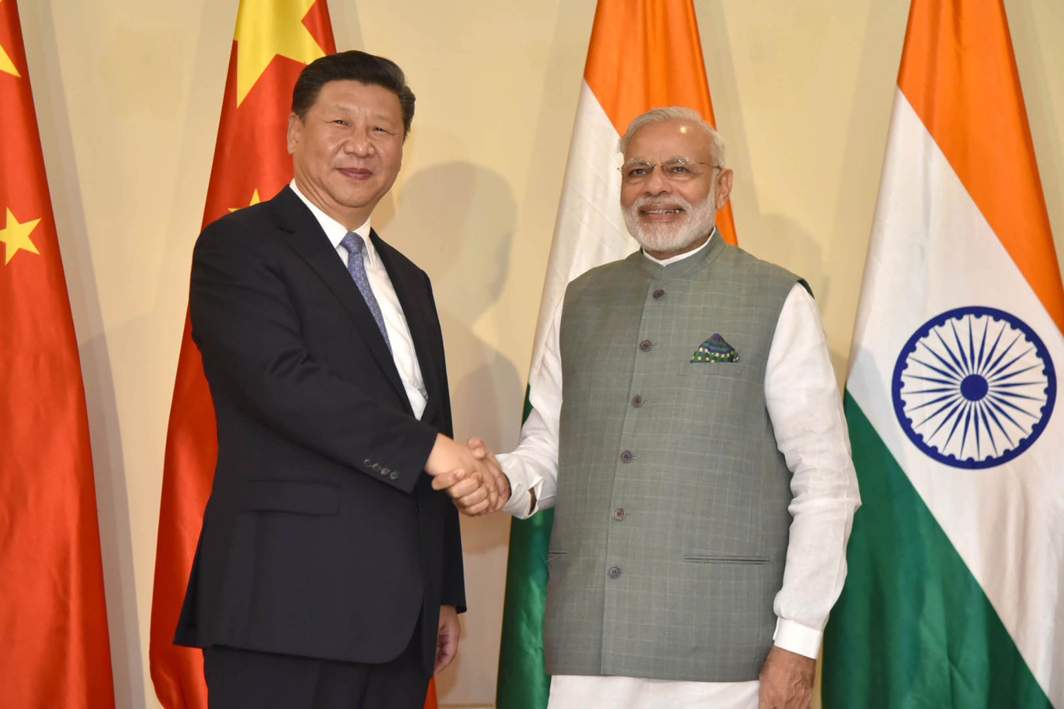
[vc_row][vc_column][vc_column_text]Gwadar need not be the only port of ingress and egress for the China-initiated transnational road-and-rail network; the India-Iran harbour route can be safer
By Sujit Bhar
Stated positions in international diplomacy change faster than pieces in a rapid chess match. If frequent geopolitical shifts have to be addressed, they either have to be dealt with counter-moves, or through the opening of an alternative, surreptitious and camouflaged line of attack.
There is no defeat in international diplomacy, till you concede one.
The India-China position vis-à-vis the One Belt One Road (OBOR) initiative can reach a dead end if India cannot find that alternative route fast. The Chabahar Port route rests in a confused state as of now.
While in April Union minister Nitin Gadkari said work on the port is moving fast and that India has now got a two-year management contract for the port, India’s promise of a $ 500 million investment seems to be on a slippery surface, post problems arising out of Iran’s delaying tactics in awarding gas exploration contract in its Farzad B offshore field to ONGC Videsh. This was one by-product India was looking for within the Chabahar Port deal.
As per published reports, India has decided to reduce oil imports from Iran by three million tonnes, which translates to approximately 25 percent of the oil India imports from Iran. With India sourcing almost six percent of all its oil from that country, India will have to seek an alternative route. With oil prices down, this might not be such a problem, but Iran has not taken kindly to its second-largest customer (after China), cutting back on purchases. It has retaliated by cutting India’s payment schedule from 90 days to 30, as well as cutting back on freight discounts.
If one looks at these as pure business decisions, then there is no problem. Differences arise before they are solved. However, this seems to be connected to India’s political aspirations. Isolating Pakistan isn’t proving to be so easy. If Iran does think joining OBOR would be beneficial for it, a quick change of stance with respect to Pakistan would not be difficult. While India has several running defence deals with Iran, Iran has shown no bad intentions regarding Pakistan.
There is said to be a clause in India’s 16-year-old defence deal with Iran, which reportedly says that India might be given access to Iranian military bases in the event of a war with Pakistan. This, however, has not been openly confirmed by either country, which puts the viability of the deal into unknown territory.
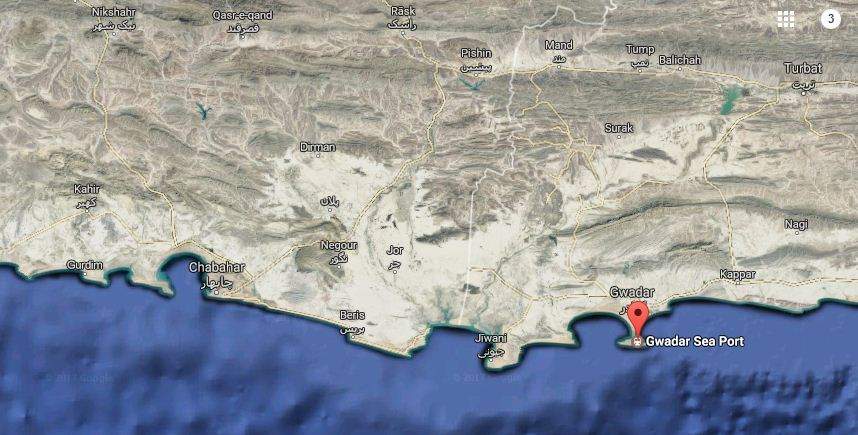
AN OVERVIEW: A map pinpointing the locations of Chabahar and Gwadar ports
Hence Iran’s intentions, as expected, revolve around its own interests. The Chabahar Port will be a value addition for Iran. If the CPEC goes forward, joining Gwadar Port with the overall OBOR system, how much latitude can India gain from the Chabahar port connecting Afghanistan, while staying away from OBOR?
Frankly, Chinese President Xi Jinping’s vision cannot be wished away by India. India would expect to get a better understanding of the OBOR initiative from the inside and not from a spectator’s perspective. That China has taken the lead in world geopolitics and across the financial world cannot be denied by India. There is little point in being an ostrich in a changing world. There are no stated positions.
India’s stated position about PoK need not change if there is a move towards accepting OBOR as inevitable, and in a partnership offer, one has to take financial options into consideration while dealing with the issue. Prime Minister Narendra Modi would need a face-saver, surely, because the opposition would be screaming murder if India agrees to attend the upcoming OBOR meet. But here is the dig. If OBOR is developed through partnership, and not through the primary dictates of China, there is a possibility that India can press for its own security system for its goods through the disturbed Baloch, PoK and Gilgit-Baltistan regions.
Let this be a practical discussion. Can India, though any international forum, possibly stop Chinese-Pakistani construction in disputed areas for the China-Pakistan Economic Corridor (CPEC) which happens to be an integral part of OBOR? One guesses not.
And, as China claims, will India’s not attending the OBOR meet completely isolate India? I guess not, too. This will also remain in the region of probability. However, there is a catch. If OBOR is an unqualified success, any late entry effort would not only require cost, but also present a positioning problem for India.
What if India sends an unqualified “yes” signal? Technically, that would mean accepting all existing norms, including, possibly, discussions on the Kashmir issue with a third party, something India has consistently refused to accede to. That would be the end of Modi’s tenure at the top.
What is the midway? Possibly sending a low-powered delegation to the OBOR meet? That would provide representation without accountability, because such a delegation would lack the authority to make decisions. In other words it would result in dragging feet, but India has huge experience in this. Any opportunity unexplored is no opportunity. If India refuses to acknowledge OBOR, its voice on PoK will be rarely heard.
There is a chance of forcing a change from within, and Chabahar is as good an entry and exit point for goods on OBOR as Gwadar. Does that sound like an alternative position? Two things to consider here. Xi has improved relations with Iran several-fold through his visit of the country. OBOR does not need to have just the CPEC route to use. What if it can use both? What if India can place a quick proposal that India’s proposed route can also connect to OBOR?
This is a disruptive thought. Floating it would be difficult, but not impossible. Could we think about this? India has invested in Chabahar and in developing railway lines to the north. OBOR will happen. While the CPEC is fraught with dangers, the India-Iran-Afghanistan route can be safer.
Let’s make the best use of it.[/vc_column_text][/vc_column][/vc_row]


India News
Delhi Police offers 11-person limit for CJP’s Connaught Place protest
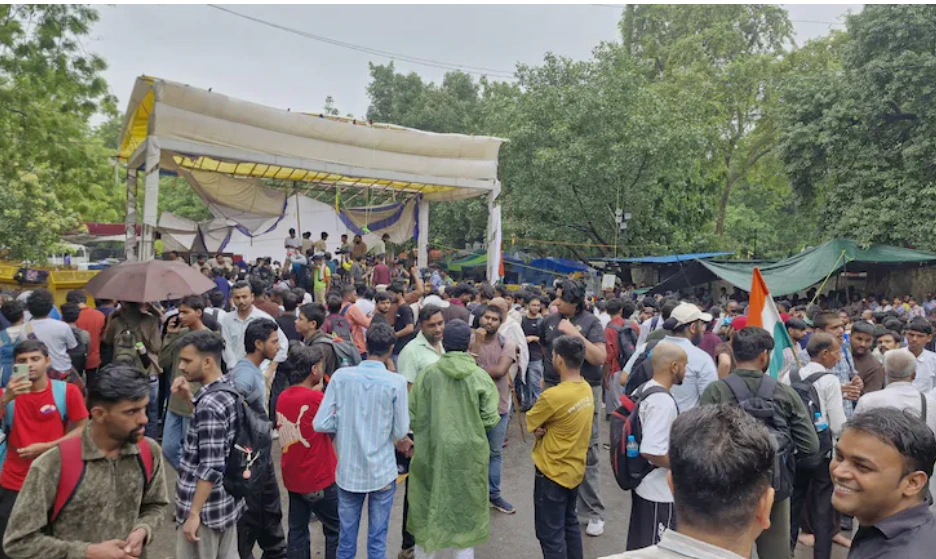
Delhi Police has offered to facilitate a group of 11 people at Central Park in Connaught Place for the Cockroach Janata Party’s October 16 protest, while warning that violations of prohibitory orders could invite legal action.

India News
Actor Imran Khan asked to leave India after CJP protest
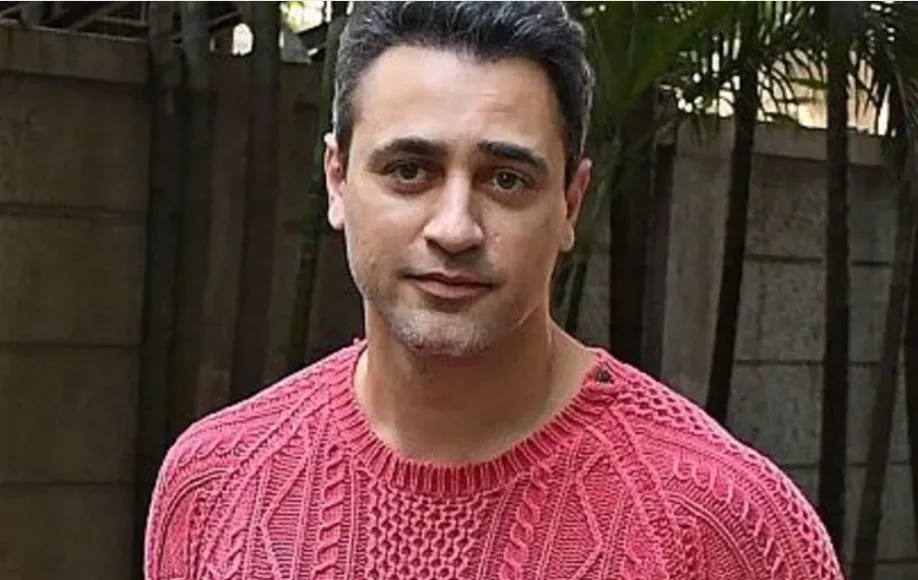
Actor Imran Khan has been asked to leave India by October 28, days after participating in a protest called by the Cockroach Janta Party (CJP) in Mumbai.
India News
Election Commission orders voter roll revision in 17 states, UTs
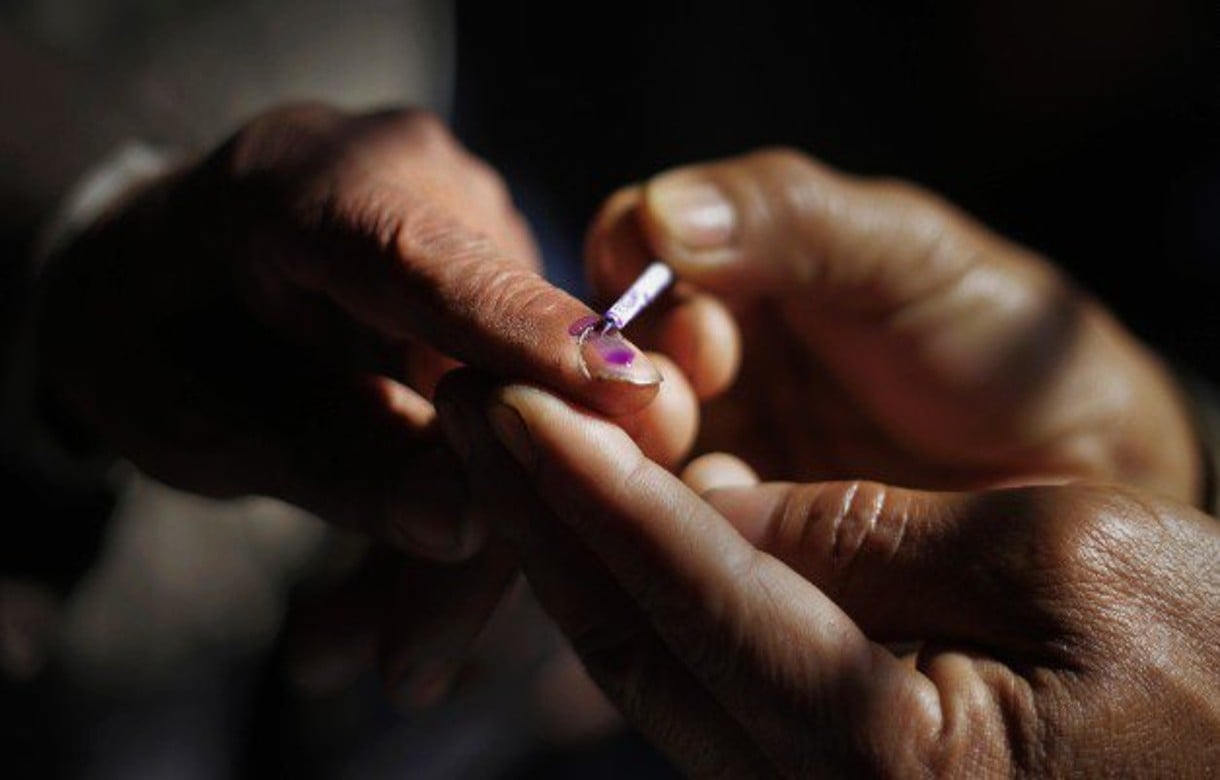
The Election Commission has ordered a Special Summary Revision of electoral rolls in 17 states and Union Territories. Draft rolls are scheduled for November 12, with final rolls due on January 4, 2027.

Dhruv Rathee gets fresh summons in 2018 BJP IT cell video case

Nobody can browbeat judiciary, Chief Justice warns over Rahul Gandhi’s march

India-US trade deal first phase finalised, drafting underway

Election Commission orders voter roll revision in 17 states, UTs

Actor Imran Khan asked to leave India after CJP protest

Delhi Police offers 11-person limit for CJP’s Connaught Place protest
Actor Imran Khan asked to leave India after CJP protest
Election Commission orders voter roll revision in 17 states, UTs
India-US trade deal first phase finalised, drafting underway
Nobody can browbeat judiciary, Chief Justice warns over Rahul Gandhi’s march

Afghan Men Try To Hang With The Jet Engine Of The Aircraft in Kabul- Afghanistan News – Kabul News
Trending Top 10 News: 10000 Crore Fine on Flipkart, Apple to Launch Unique Feature, Hdfc Bank Job Ad

Trending Top 10 News: Nokia 6310, Apple sales, Bachpan ka Pyar Video Kid, Dainik Bhaskar IT Raid

Trending Top 10 News: Canada bans Indian flights, Rain in Delhi NCR, AIMIM Twitter hacked, Raj Kundra case

Trending Top 10 News: Shein India, Apple New Service, Pocket Oxygen, Oppo Launched New Phone
-
 India News16 hours ago
Dhruv Rathee gets fresh summons in 2018 BJP IT cell video case
-
 India News13 hours ago
Nobody can browbeat judiciary, Chief Justice warns over Rahul Gandhi’s march
-
 India News8 hours ago
India-US trade deal first phase finalised, drafting underway
-
 India News6 hours ago
Election Commission orders voter roll revision in 17 states, UTs
-
 India News5 hours ago
Actor Imran Khan asked to leave India after CJP protest
-
 India News4 hours ago
Delhi Police offers 11-person limit for CJP’s Connaught Place protest
