
India News
Choking on polluted air, 93 per cent Delhiites do not understand categories of pollution levels


About 93 per cent of Delhiites do not understand the Air Quality Index and its six categories, said reports citing a survey of 10 most polluted areas of Delhi on Friday.
It was also the day when the Supreme Court called Delhi a “gas chamber” where it’s difficult to live because of pollution and traffic congestion. “In the morning and evening, there is so much pollution and traffic congestion,” Justice Arun Mishra said, hearing a matter related to air pollution in the National Capital Region.
Pulling up authorities for failing to improve air quality, a bench of justices Mishra and Deepak Gupta said these problems affect the right to life.
The bench said, “We would like to understand. What are the things which are required to be done in actuality? What remains to be done as per the comprehensive action plan? What is required to keep in check environment pollution in Delhi? What more can be done?”
Saying “implementation is definitely lacking”, it said that many polluting vehicles enter Delhi at night and asked authorities how they were allowing these to enter the national capital.
Most of the citizens of Delhi, though admitting to problems they face due to pollution, did not know the meaning of AQI and when the air in the national capital is categorised as good, moderate, poor or severe.
This was found in a survey conducted by the United Residents Joint Action (URJA), a collective of the city’s resident welfare associations and ARK foundation.
The survey interacted with 509 residents from Anand Vihar, Ashok Vihar, Dwarka, ITO, Lodhi Road, Patparganj, Rohini, R K Puram, Siri Fort, and Bawana, taking minimum 50 people each from the 10 localities.
The survey showed that 89 per cent of the respondents were not aware about the air pollution monitors installed in their areas.
The questionnaire was given across the wards spread in a two-km radius around the identified locations where air quality monitors have been installed.
Eighty-eight per cent of the respondents said that they had not seen any LED screens showing the different levels of air quality, the survey said, adding that 71 per cent of the respondents were not satisfied with the air quality in Delhi.
While 58 per cent respondents said that they were affected by pollution, 42 per cent said they were unaffected.
Further, 28 per cent people admitted to facing difficulty in breathing due to poor quality of air and 20 per cent said that they were take extra care of their skin.
Another 16 per cent said they felt depressed due to the blanket of smog enveloping the national capital.
The questionnaire asked the respondents a mix of closed-ended and open-ended questions.
AQI and Health Implications





India News
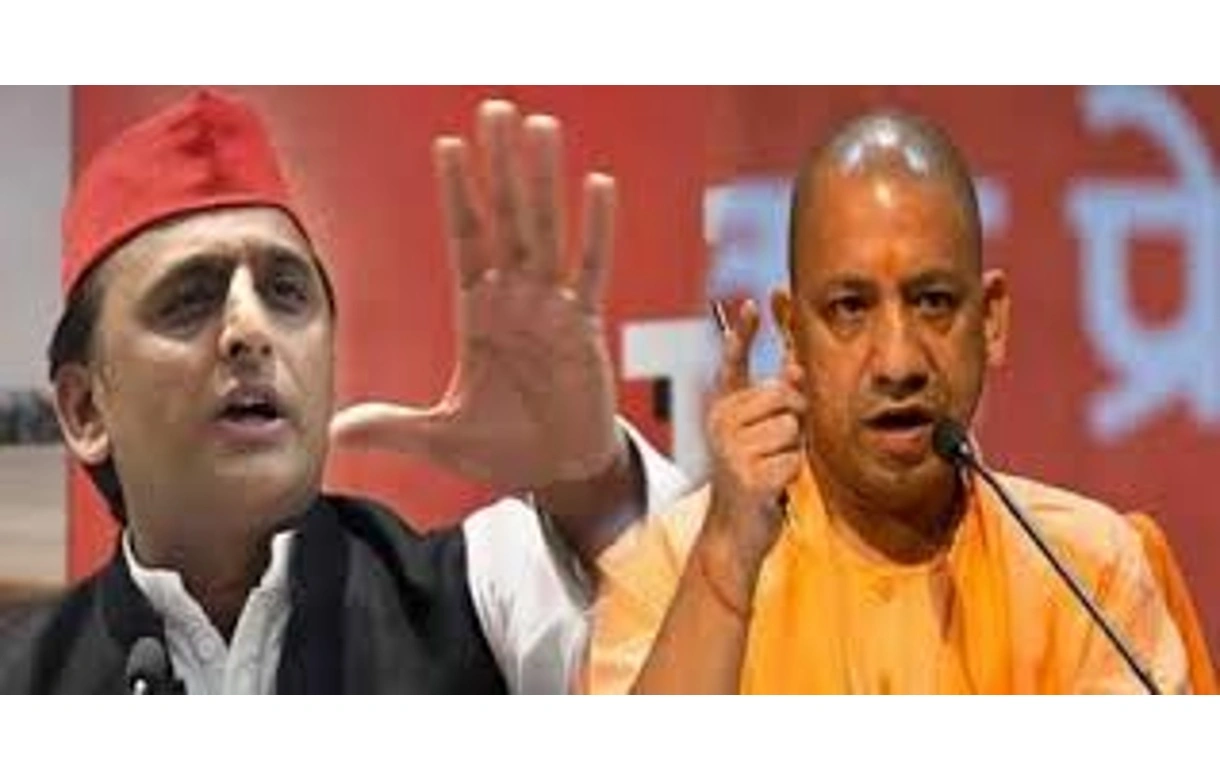
BJP focuses on religion as opposition pushes BDM strategy in UP
The BJP is emphasising religious issues ahead of the Uttar Pradesh Assembly elections, while opposition parties are seeking to consolidate Backward, Dalit and Minority voters. Recent exchanges involving Yogi Adityanath, Akhilesh Yadav and Asaduddin Owaisi have added to the political contest over the state’s electoral narrative.

India News
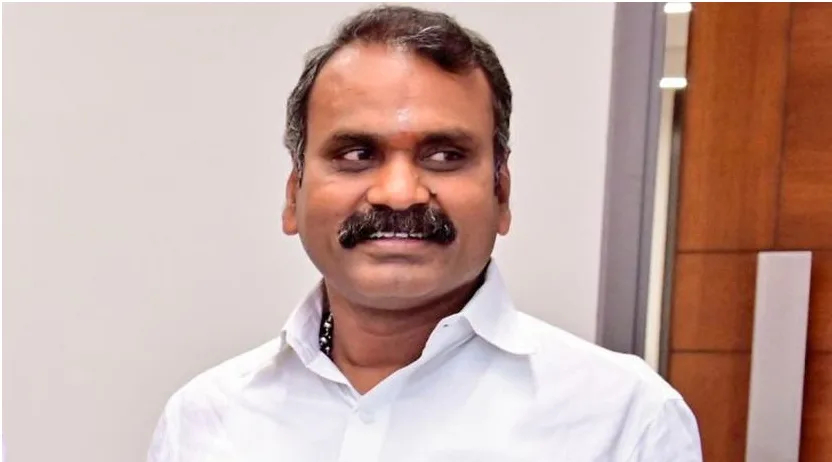
L Murugan quits Union ministry to strengthen BJP in Tamil Nadu
L Murugan has resigned from his Union ministerial post and Rajya Sabha membership, saying he wants to return to grassroots politics and dedicate himself to strengthening the BJP in Tamil Nadu before the 2029 Lok Sabha elections.
India News
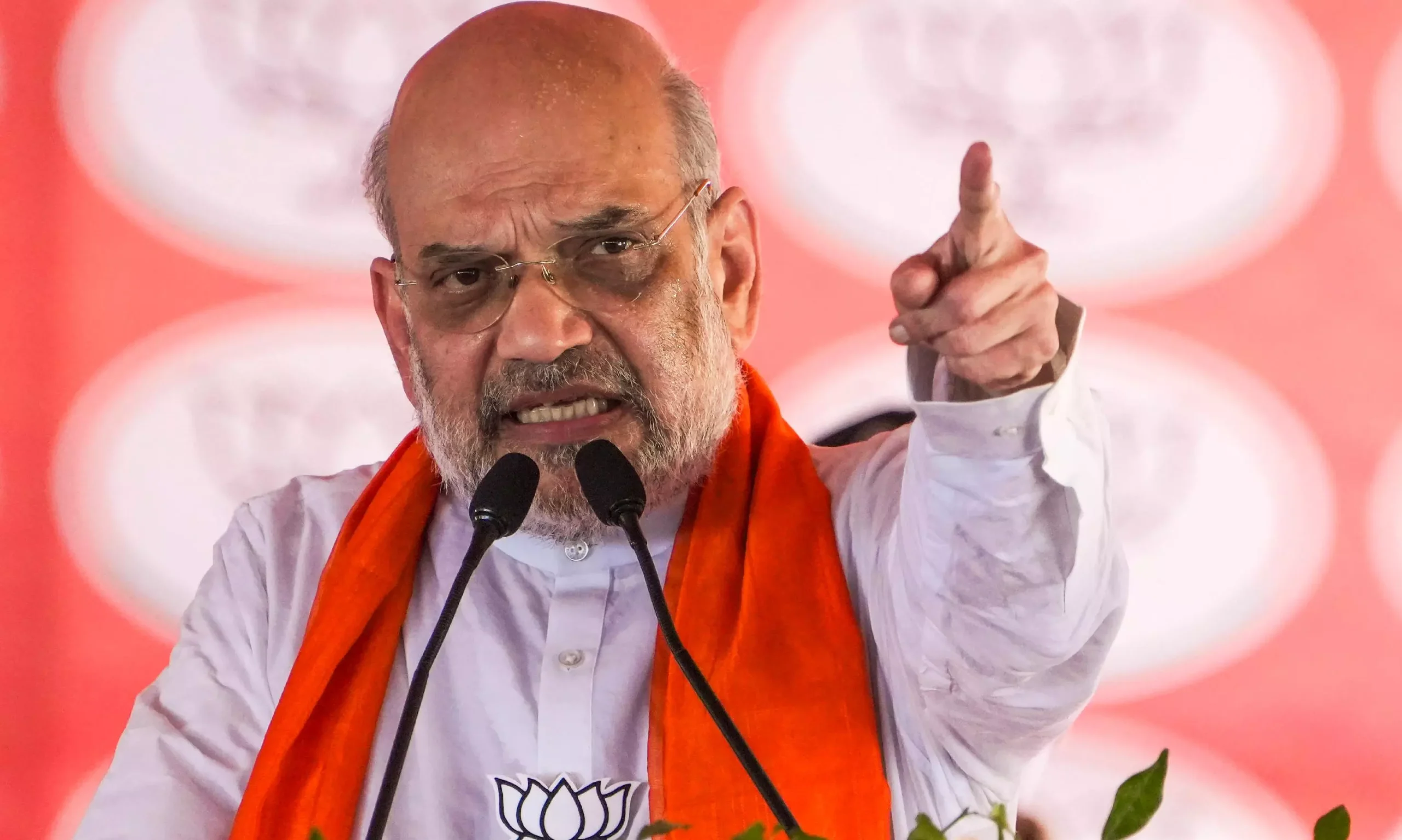
Amit Shah attacks Rahul Gandhi over Congress poll losses, questions SIR row
Union Home Minister Amit Shah criticised Rahul Gandhi over the Opposition’s allegations concerning the Special Intensive Revision (SIR) of electoral rolls. Shah argued that the Congress had been losing elections before the exercise began after 2024 and cited the BJP’s victories in Gujarat’s civic polls.

CJP claims Saurav Das, Ashutosh Ranka detained at Jantar Mantar

Supreme Court stays defamation case against Rahul Gandhi over PM Modi remarks

Rahul Gandhi hosts high tea for INDIA bloc after Gyanesh Kumar protests

L Murugan quits Union ministry to strengthen BJP in Tamil Nadu

Amit Shah attacks Rahul Gandhi over Congress poll losses, questions SIR row

BJP focuses on religion as opposition pushes BDM strategy in UP
L Murugan quits Union ministry to strengthen BJP in Tamil Nadu
Amit Shah attacks Rahul Gandhi over Congress poll losses, questions SIR row
Rahul Gandhi hosts high tea for INDIA bloc after Gyanesh Kumar protests
Supreme Court stays defamation case against Rahul Gandhi over PM Modi remarks

Afghan Men Try To Hang With The Jet Engine Of The Aircraft in Kabul- Afghanistan News – Kabul News
Trending Top 10 News: 10000 Crore Fine on Flipkart, Apple to Launch Unique Feature, Hdfc Bank Job Ad

Trending Top 10 News: Nokia 6310, Apple sales, Bachpan ka Pyar Video Kid, Dainik Bhaskar IT Raid

Trending Top 10 News: Canada bans Indian flights, Rain in Delhi NCR, AIMIM Twitter hacked, Raj Kundra case

Trending Top 10 News: Shein India, Apple New Service, Pocket Oxygen, Oppo Launched New Phone
-
 India News21 hours ago
CJP claims Saurav Das, Ashutosh Ranka detained at Jantar Mantar
-
 India News19 hours ago
Supreme Court stays defamation case against Rahul Gandhi over PM Modi remarks
-
 India News11 hours ago
Rahul Gandhi hosts high tea for INDIA bloc after Gyanesh Kumar protests
-
 India News10 hours ago
L Murugan quits Union ministry to strengthen BJP in Tamil Nadu
-
 India News11 hours ago
Amit Shah attacks Rahul Gandhi over Congress poll losses, questions SIR row
-
 India News9 hours ago
BJP focuses on religion as opposition pushes BDM strategy in UP
