
India News
Tired of dark circles? Know what causes them and learn how to get rid of them permanently


Though pandas are cute but do you really want to look like a panda? Sleeping late and waking up early has always been one of the major reasons for dark circles. We keep scrolling social media or binge watch Netflix shows and movies without realising how much time has passed. Just like this, there are various factors that cause dark circles. Other reasons include stress, fatigue, change in lifestyle and the natural ageing process.
Made worse by the looming pandemic days, that are nothing short of a terrible moment in our lives, these persistent dark circles are just becoming worse with absolutely no sleep routines, constant uncertainty, and, worst of all, stress. To make this situation worse, they are ridiculously difficult to combat.

What are the causes of dark circles?
- Eyes Stress
Staring at a screen or mobile phone can put a strain on your eyes. This stress might cause the blood vessels surrounding your eyes to swell. As a result, the skin around your eyes may get darker. - Fatigueness
Oversleeping, excessive tiredness, or even staying up a few hours later than usual might result in dark circles under your eyes. Sleep deprivation can cause your skin to become dull and pale, revealing dark tissues and blood vessels beneath the skin. - Lack of sleep
Inadequate sleep can also cause fluid to build up under your eyes, making them puffy. As a reason, the dark circles you see may be reflections created by swollen eyelids. - Sleeping on Your Stomach
When you sleep face down, fluid can drain and gather in the front of your face. Because gravity naturally pulls extra fluid towards the ground, this fluid can create puffiness under the eyes. Resting on your back or side may aid in the reduction of dark circles. - Dehydration
Dark circles under your eyes are frequently caused by dehydration. When your body does not get enough water, the skin beneath your eyes becomes dull and your eyes appear droopy. This is because they are so near to the underlying bone.
Read Also: Bigg Boss 15: Afsana Khan refuses to leave house after she picks up knife and threaten to kill herself, later BB sends in crew

How to get rid of dark circles?
- Eye massage
Regular eye massage increases blood flow to the under-eye area and helps to avoid blood gathering in the capillaries behind the eyes. First, apply your favourite eye cream or serum. Turn on the eye massager and adjust its strength to your preference. - Cold tea bags
Many teas, like green tea, include antioxidants, which have anti-inflammatory properties and can aid in the relaxation of stress capillaries in the under-eye area. Refrigerate a teabag after soaking it in clean water for 30 minutes. Then, put the tea bags over your eyes. Allow 10 minutes twice a day before removing and cleaning with warm water. - Cucumber
Cucumber slices, due to their vitamin K concentration, are believed to help moisturise skin, relieving dark circles and puffiness. The cool temperature, vitamin K, and caffeic acid all act as natural anti-inflammatories. - Mint leaves
Blend mint leaves and apply to the affected area for 10 minutes. They include menthol, which stimulates blood circulation thereby soothing and rejuvenating the skin. Because it is astringent, it constricts the blood vessels around the eyes, which reduces the blue hue. Furthermore, the vitamin C in mint merely serves to brighten the skin around the eyes. - Use a cold compress
A cold compress can help to reduce swelling and tighten dilated blood vessels. This can help to reduce the appearance of dark circles and puffiness. Wrap a clean cloth around a couple of ice cubes and place them over your eyes.
Bonus Tip: If you have swollen eyes on a regular basis, soak a few cotton balls in rose water. Rest for fifteen minutes with the cotton placed over your eyelids. Do this once a day for 30 days for the best results.
India News
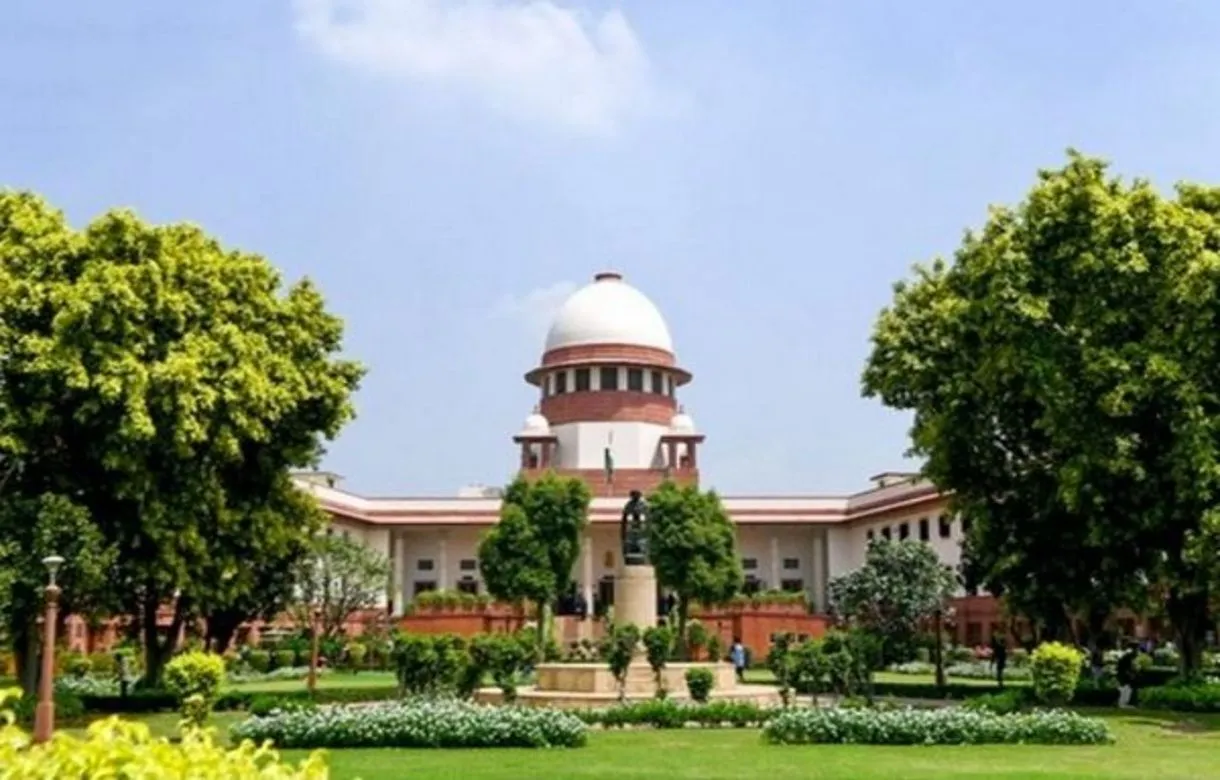
Supreme Court questions EC over missing records in Sringeri election dispute
The Supreme Court questioned the Election Commission over missing video footage of the 2023 counting in Karnataka’s Sringeri constituency. The case involves a revised result following a recount of postal ballots.

India News
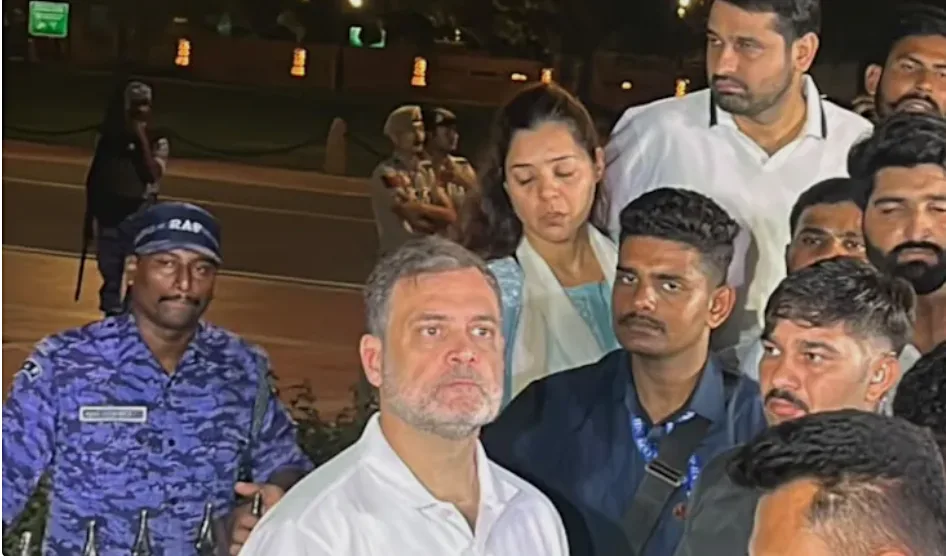
Rahul Gandhi joins India Gate protest by Ankita Bhandari’s parents
Rahul Gandhi joined the protest by Ankita Bhandari’s parents at India Gate in New Delhi on October 14. The demonstration has brought renewed attention to the 2022 murder case and the family’s concerns following Dushyant Gautam’s appointment as Sikkim Governor.
India News
Meerut murder: Muskaan Rastogi and Sahil Shukla get death sentence
A Meerut court has sentenced Muskaan Rastogi and Sahil Shukla to death in the blue drum murder case involving the killing of merchant navy officer Saurabh Rajput in March 2025.

CJP leaders Saurav Das, Ashutosh Ranka, Ajinkya Shinde sent to 5-day judicial custody

S Jaishankar says India is a natural option for Russia amid Europe tensions

PM Modi speaks to Mark Carney as India and Canada push to strengthen ties

Meerut murder: Muskaan Rastogi and Sahil Shukla get death sentence

Rahul Gandhi joins India Gate protest by Ankita Bhandari’s parents

Supreme Court questions EC over missing records in Sringeri election dispute
Rahul Gandhi joins India Gate protest by Ankita Bhandari’s parents
Meerut murder: Muskaan Rastogi and Sahil Shukla get death sentence
PM Modi speaks to Mark Carney as India and Canada push to strengthen ties
S Jaishankar says India is a natural option for Russia amid Europe tensions

Afghan Men Try To Hang With The Jet Engine Of The Aircraft in Kabul- Afghanistan News – Kabul News
Trending Top 10 News: 10000 Crore Fine on Flipkart, Apple to Launch Unique Feature, Hdfc Bank Job Ad

Trending Top 10 News: Nokia 6310, Apple sales, Bachpan ka Pyar Video Kid, Dainik Bhaskar IT Raid

Trending Top 10 News: Canada bans Indian flights, Rain in Delhi NCR, AIMIM Twitter hacked, Raj Kundra case

Trending Top 10 News: Shein India, Apple New Service, Pocket Oxygen, Oppo Launched New Phone
-
 India News22 hours ago
CJP leaders Saurav Das, Ashutosh Ranka, Ajinkya Shinde sent to 5-day judicial custody
-
 Latest world news22 hours ago
S Jaishankar says India is a natural option for Russia amid Europe tensions
-
 India News21 hours ago
PM Modi speaks to Mark Carney as India and Canada push to strengthen ties
-
 India News11 hours ago
Meerut murder: Muskaan Rastogi and Sahil Shukla get death sentence
-
 India News10 hours ago
Rahul Gandhi joins India Gate protest by Ankita Bhandari’s parents
-
 India News10 hours ago
Supreme Court questions EC over missing records in Sringeri election dispute
