
India News
Delhi: Odd-even rule to operate in Sarojini Nagar market to control spread of Covid-19
After seeing overcrowding in the Sarojini Nagar market, the Delhi government directed the order to open shops on an odd-even basis to prevent the spread of Covid-19.




India News
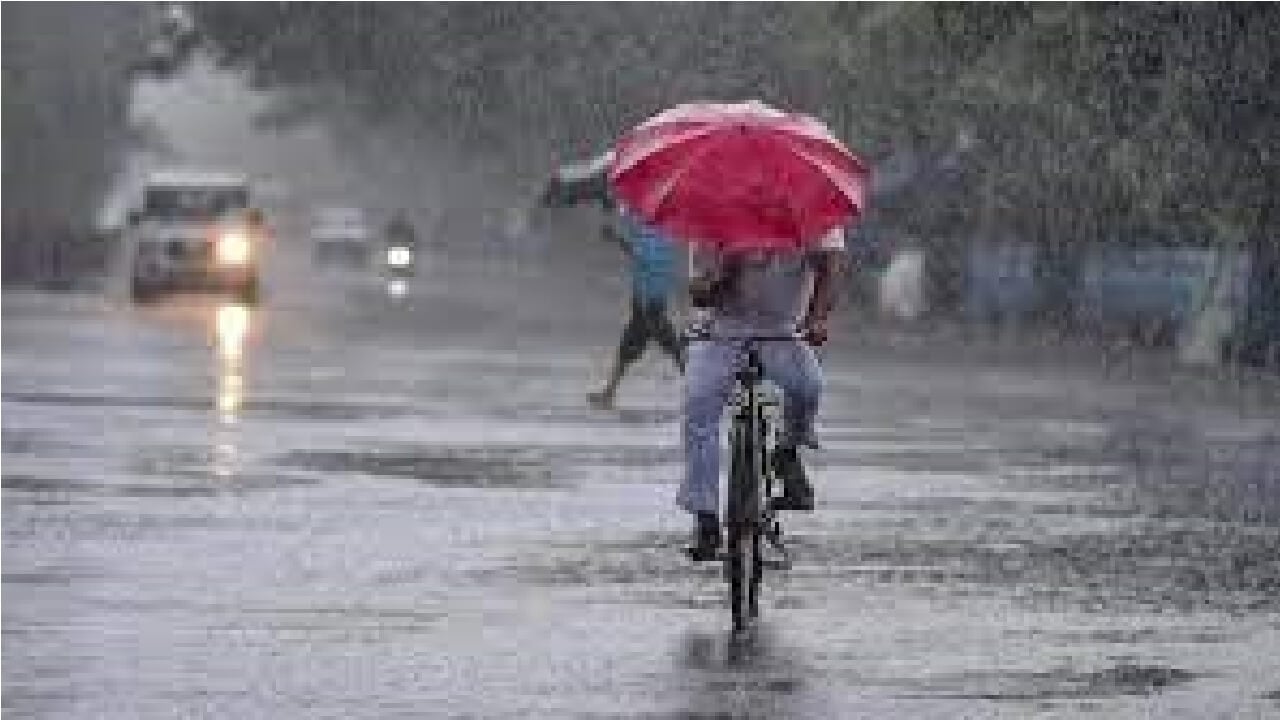
Delhi AQI drops to 78 after record October rain brings winter chill
Delhi’s Air Quality Index (AQI) improved from 363 to 78 within 24 hours after widespread rainfall brought cooler temperatures to the national capital. The city also recorded its wettest October day in four years.

India News
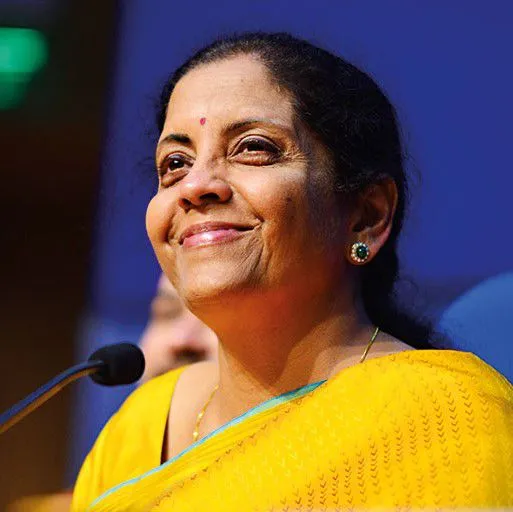
Nirmala Sitharaman hits back at Rahul Gandhi over IDBI Bank sale
Finance Minister Nirmala Sitharaman has responded to Rahul Gandhi’s opposition to the proposed IDBI Bank sale, alleging that loans to politically connected businesses left the lender in poor financial condition before the NDA government took charge.
India News
Uttarakhand helicopter crash near Joshimath, 6 people on board
A helicopter carrying five passengers and a pilot crashed near Joshimath in Uttarakhand’s Chamoli district while returning from Badrinath. Rescue teams, including the Army and SDRF, have been deployed.

Brij Bhushan Sharan Singh appointed to UP BJP state executive ahead of 2027 polls

IMD warns of heavy rainfall in multiple states, thunderstorms likely

Arab parties emerge kingmakers in Israel as Netanyahu falls short of majority

Rs 12,000 crore business at stake, traders ask Sonia Gandhi to delay rally

Uttarakhand helicopter crash near Joshimath, 6 people on board
Delhi AQI drops to 78 after record October rain brings winter chill

Nirmala Sitharaman hits back at Rahul Gandhi over IDBI Bank sale
Uttarakhand helicopter crash near Joshimath, 6 people on board
Arab parties emerge kingmakers in Israel as Netanyahu falls short of majority
Rs 12,000 crore business at stake, traders ask Sonia Gandhi to delay rally

Afghan Men Try To Hang With The Jet Engine Of The Aircraft in Kabul- Afghanistan News – Kabul News
Trending Top 10 News: 10000 Crore Fine on Flipkart, Apple to Launch Unique Feature, Hdfc Bank Job Ad

Trending Top 10 News: Nokia 6310, Apple sales, Bachpan ka Pyar Video Kid, Dainik Bhaskar IT Raid

Trending Top 10 News: Canada bans Indian flights, Rain in Delhi NCR, AIMIM Twitter hacked, Raj Kundra case

Trending Top 10 News: Shein India, Apple New Service, Pocket Oxygen, Oppo Launched New Phone
-
 India News24 hours ago
Brij Bhushan Sharan Singh appointed to UP BJP state executive ahead of 2027 polls
-
 India News23 hours ago
IMD warns of heavy rainfall in multiple states, thunderstorms likely
-
 Latest world news10 hours ago
Arab parties emerge kingmakers in Israel as Netanyahu falls short of majority
-
 India News11 hours ago
Rs 12,000 crore business at stake, traders ask Sonia Gandhi to delay rally
-
India News4 hours ago
Uttarakhand helicopter crash near Joshimath, 6 people on board
-
 India News34 mins ago
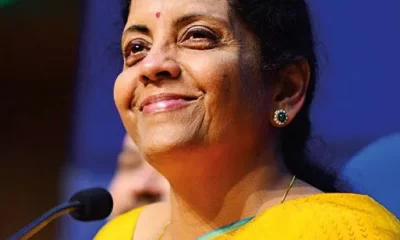
Nirmala Sitharaman hits back at Rahul Gandhi over IDBI Bank sale
-
India News19 mins ago
Delhi AQI drops to 78 after record October rain brings winter chill
